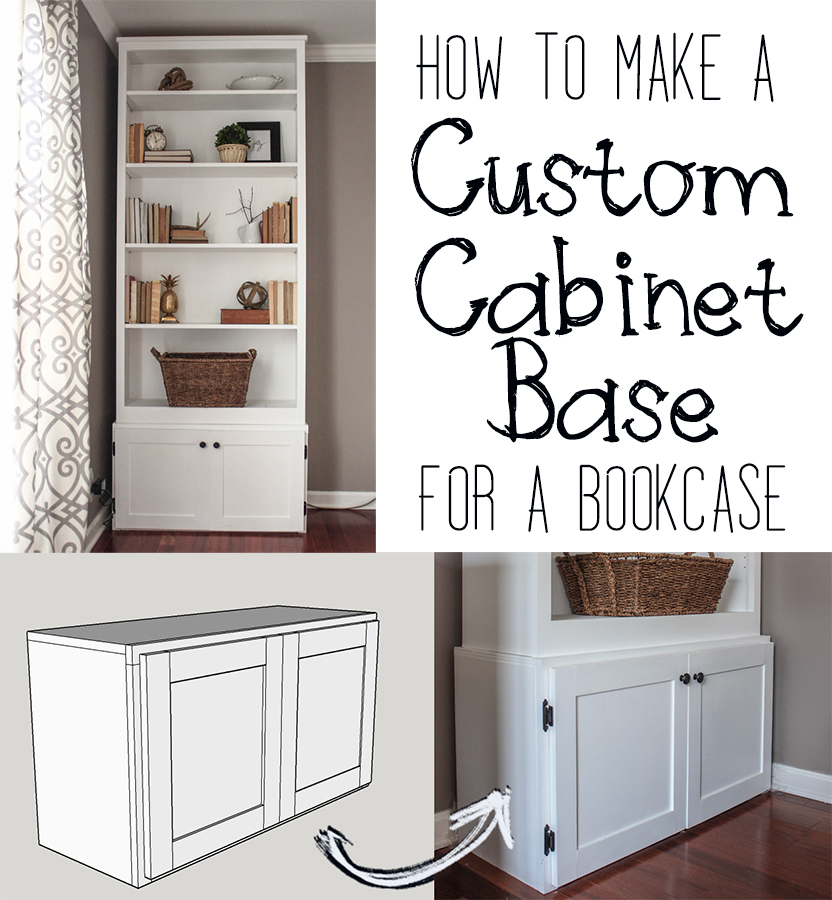
Are you tired of cluttered spaces and searching for the perfect way to organize your books? Building a cabinet bookshelf might be exactly what you need.
Imagine having a sturdy, stylish piece that not only holds your favorite reads but also adds charm to your room. You don’t have to be a woodworking expert to create one. With simple steps and a bit of patience, you can build a cabinet bookshelf that fits your space and style perfectly.
Ready to transform your room and showcase your collection like never before? Let’s dive into how you can make it happen.

Credit: www.thriftydecorchick.com
Choosing The Right Design
Choosing the right design is the first step in building a cabinet bookshelf that fits your needs. This choice affects how your bookshelf looks and functions. A well-planned design makes your project easier and more satisfying. Focus on three main points: materials, dimensions, and style. Each plays a key role in the final result.
Selecting Materials
Pick materials that match your budget and skill level. Solid wood is strong and looks great but costs more. Plywood offers good strength at a lower price. MDF is smooth and easy to paint but less durable. Consider the finish and how the material holds up over time. Choose materials that work well for shelves and cabinet doors.
Deciding On Dimensions
Measure the space where the bookshelf will go. Think about height, width, and depth carefully. Too big or too small can cause problems. Shelves should hold your books and items without sagging. Leave extra space for larger items. Standard shelf depth is usually between 10 to 12 inches. Keep height comfortable for reaching all shelves.
Picking A Style
Match the bookshelf style to your room décor. Simple designs fit modern rooms well. Classic styles suit traditional spaces. Consider open shelves for easy access or closed cabinets for hidden storage. Choose colors and finishes that blend with your furniture. A good style makes your bookshelf a nice part of the room.
Gathering Tools And Supplies
Before starting to build a cabinet bookshelf, gather all necessary tools and supplies. This step saves time and prevents interruptions during the project. Having the right equipment ensures a smooth and safe building process.
Essential Tools List
Prepare a tape measure for accurate measurements. Use a saw to cut wood pieces to size. A drill helps make holes and drive screws. Sandpaper smooths rough edges for a clean finish. A screwdriver tightens screws by hand. Clamps hold parts firmly while gluing or screwing.
Recommended Hardware
Choose wood screws that fit your wood thickness. Purchase wood glue for strong joints. Buy hinges if your cabinet has doors. Select shelf pins to support shelves. Consider handles or knobs for door access. Use corner braces for extra stability.
Safety Gear
Wear safety glasses to protect your eyes. Use ear protection when using loud tools. Wear gloves to protect your hands from splinters. Use a dust mask to avoid inhaling sawdust. Dress in close-fitting clothes to prevent accidents. Keep a first-aid kit nearby for emergencies.
Preparing Your Workspace
Preparing your workspace is the first step to building a cabinet bookshelf. A clean and well-organized area makes the work easier and safer. It helps you find tools quickly and reduces mistakes. Taking time to prepare saves effort later.
Setting Up A Workbench
Choose a sturdy workbench that fits your space. The bench should be at a comfortable height to avoid back pain. Clear off any clutter to have plenty of room. Secure the bench to prevent movement while working.
Ensuring Proper Lighting
Good lighting is important for accuracy and safety. Use bright, white light to see details clearly. Position lights to avoid shadows on your work area. Natural light is great, but add lamps if needed.
Organizing Materials
Gather all materials before starting your project. Sort screws, nails, and tools into labeled containers. Keep wood pieces close by and easy to reach. A tidy space helps you stay focused and work faster.
Cutting And Assembling Parts
Cutting and assembling parts is a key step in building a cabinet bookshelf. This stage shapes your wood pieces and brings them together. Careful work here ensures the bookshelf will be strong and look good. Take your time and follow each step closely for the best results.
Measuring And Marking
Start by measuring each piece of wood carefully. Use a tape measure and a pencil for accuracy. Mark where you will cut. Double-check the marks before you cut. Precise measuring avoids mistakes and wasted wood. Make clear, straight lines to guide your cuts.
Cutting Wood Pieces
Use a saw suited for your wood type. Cut along the marked lines slowly and steadily. Keep your hands steady and away from the blade. Smooth rough edges with sandpaper after cutting. Clean cuts ensure parts fit together well. Always wear safety gear while cutting.
Joining Components
Align the wood pieces as planned for the bookshelf. Use wood glue on edges to hold parts. Clamp pieces together and let the glue dry. Add screws or nails for extra strength. Check that corners are square with a carpenter’s square. Proper joining makes the bookshelf stable and durable.
Installing Shelves And Doors
Installing shelves and doors is a key step in building your cabinet bookshelf. It shapes the storage space and final look. Careful fitting ensures shelves hold books safely and doors open smoothly.
Positioning Shelves
Measure the inside height of your cabinet. Mark shelf locations with a pencil. Use a level to keep shelves straight. Place shelf supports or brackets at marked spots. Slide shelves onto supports carefully. Check shelves for stability by pressing gently.
Attaching Hinges
Choose hinges that fit your door size and style. Mark hinge spots on the door edge and cabinet frame. Drill small pilot holes to avoid wood splitting. Screw hinges securely to the door first. Then attach the door to the cabinet frame. Test the door movement for smooth opening and closing.
Aligning Doors
Close the doors to check alignment. Adjust hinges slightly if doors are uneven. Use a screwdriver to move hinges up or down. Ensure doors sit flush with the cabinet edges. Leave a small gap between doors for easy opening. Keep adjusting until doors look balanced and function well.
Credit: www.shadesofblueinteriors.com
Sanding And Finishing
Sanding and finishing are key steps in building a cabinet bookshelf. They make the wood smooth and protect it from damage. Proper sanding removes rough spots and prepares the surface for paint or stain. Finishing adds color and a protective layer. These steps give your bookshelf a polished, lasting look.
Smoothing Surfaces
Start sanding with coarse grit sandpaper to remove rough edges. Move to finer grits for a smooth finish. Sand all surfaces evenly, including corners and edges. Wipe away dust with a clean cloth. Smooth surfaces help paint or stain stick better.
Applying Paint Or Stain
Choose paint or stain based on the look you want. Use a brush or cloth to apply thin, even coats. Let each coat dry completely before adding the next. Stain shows the wood grain, while paint covers it. Apply multiple coats for rich color and better coverage.
Sealing And Protecting
Apply a clear sealant to protect the wood and finish. Use polyurethane, varnish, or lacquer for strong protection. Apply thin coats and let each dry fully. Sand lightly between coats for a smooth surface. Sealing helps your bookshelf resist scratches and moisture.
Adding Storage Features
Adding storage features to your cabinet bookshelf improves its use and style. Storage options keep your space tidy and organized. Choose features that fit your needs and the room’s look.
Incorporating Drawers
Drawers add hidden storage for small items. Use them for stationery, cables, or craft supplies. Install smooth slides for easy opening and closing. Drawers keep clutter out of sight and shelves neat.
Installing Cabinet Handles
Handles make opening drawers and doors simple. Choose handles that match the cabinet style. Metal handles give a modern look, while wood handles feel classic. Place handles at a comfortable height for easy reach.
Customizing For Functionality
Adjust shelves to fit different book sizes. Add dividers to separate items. Use baskets or boxes for loose things. Think about what you store most and design around it. Custom features make your cabinet bookshelf truly useful.

Credit: www.youtube.com
Tips For Maintenance
Keeping your cabinet bookshelf in great shape takes regular care. Simple maintenance helps it last longer and look better. Follow these tips to keep your bookshelf clean, fix scratches, and avoid damage.
Cleaning Techniques
Dust your bookshelf often with a soft cloth. Use a damp cloth for sticky spots. Avoid harsh chemicals that can harm the wood finish. A mix of mild soap and water works well. Dry the surface quickly after cleaning to prevent water stains.
Repairing Scratches
Light scratches can disappear with a wood touch-up marker. Match the color to your bookshelf for a natural look. For deeper scratches, use wood filler or wax sticks. Sand lightly after filling to smooth the surface. Finish by applying a small amount of furniture polish.
Preventing Damage
Place the bookshelf away from direct sunlight and heat sources. Use coasters or pads under objects to stop scratches. Avoid overloading shelves to prevent sagging. Keep the area dry to stop warping or mold. Regular checks help catch problems early before they grow.
Frequently Asked Questions
What Materials Do I Need To Build A Cabinet Bookshelf?
You need plywood, screws, wood glue, hinges, paint or stain, and shelves. Basic tools include a saw, drill, screwdriver, and measuring tape.
How Long Does It Take To Build A Cabinet Bookshelf?
Building a cabinet bookshelf usually takes 4 to 6 hours. This depends on your skill level and the complexity of the design.
Can I Customize The Size Of My Cabinet Bookshelf?
Yes, you can adjust dimensions to fit your space. Measure carefully and modify plans to suit your storage needs.
What Finish Is Best For A Cabinet Bookshelf?
Use paint or wood stain for a durable finish. Apply a clear sealant to protect the wood and enhance appearance.
Conclusion
Building a cabinet bookshelf takes time and patience. Follow each step carefully for best results. Use the right tools and materials to ensure strength. Take measurements twice to avoid mistakes. Personalize your shelf with paint or stain. This project adds storage and style to any room.
Enjoy the satisfaction of creating something with your hands. Keep your workspace clean and safe throughout the process. Soon, you will have a sturdy, useful cabinet bookshelf. A simple project that brings great value to your home.