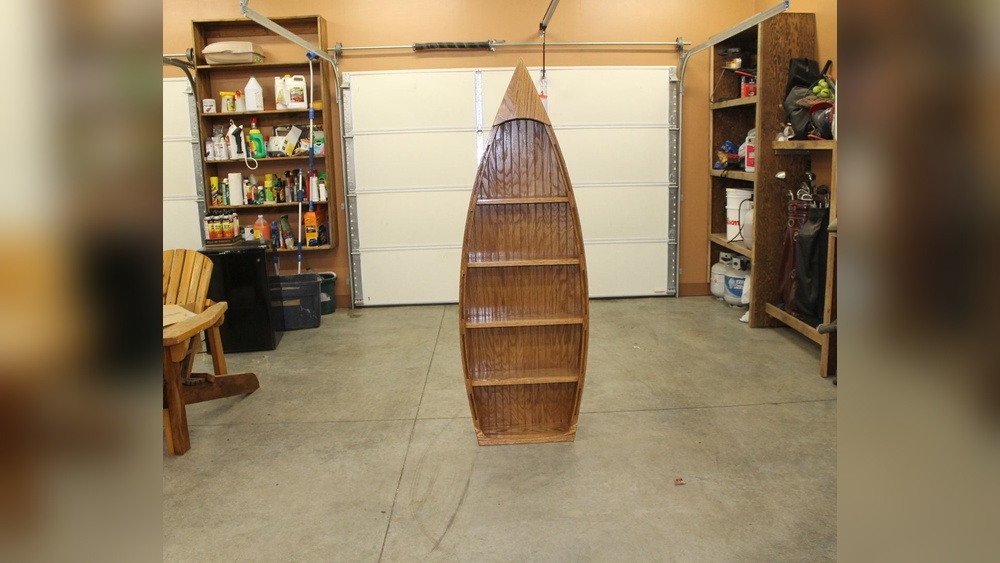
Are you looking for a unique way to organize your books and add a touch of charm to your space? Building a canoe bookshelf might be exactly what you need.
Imagine a piece of furniture that not only holds your favorite reads but also becomes a conversation starter. In this guide, you’ll discover simple steps to create a beautiful canoe bookshelf with your own hands. Whether you’re new to DIY projects or a seasoned builder, this project is designed to be straightforward and rewarding.
Ready to transform your room and showcase your creativity? Let’s dive in and build something amazing together.
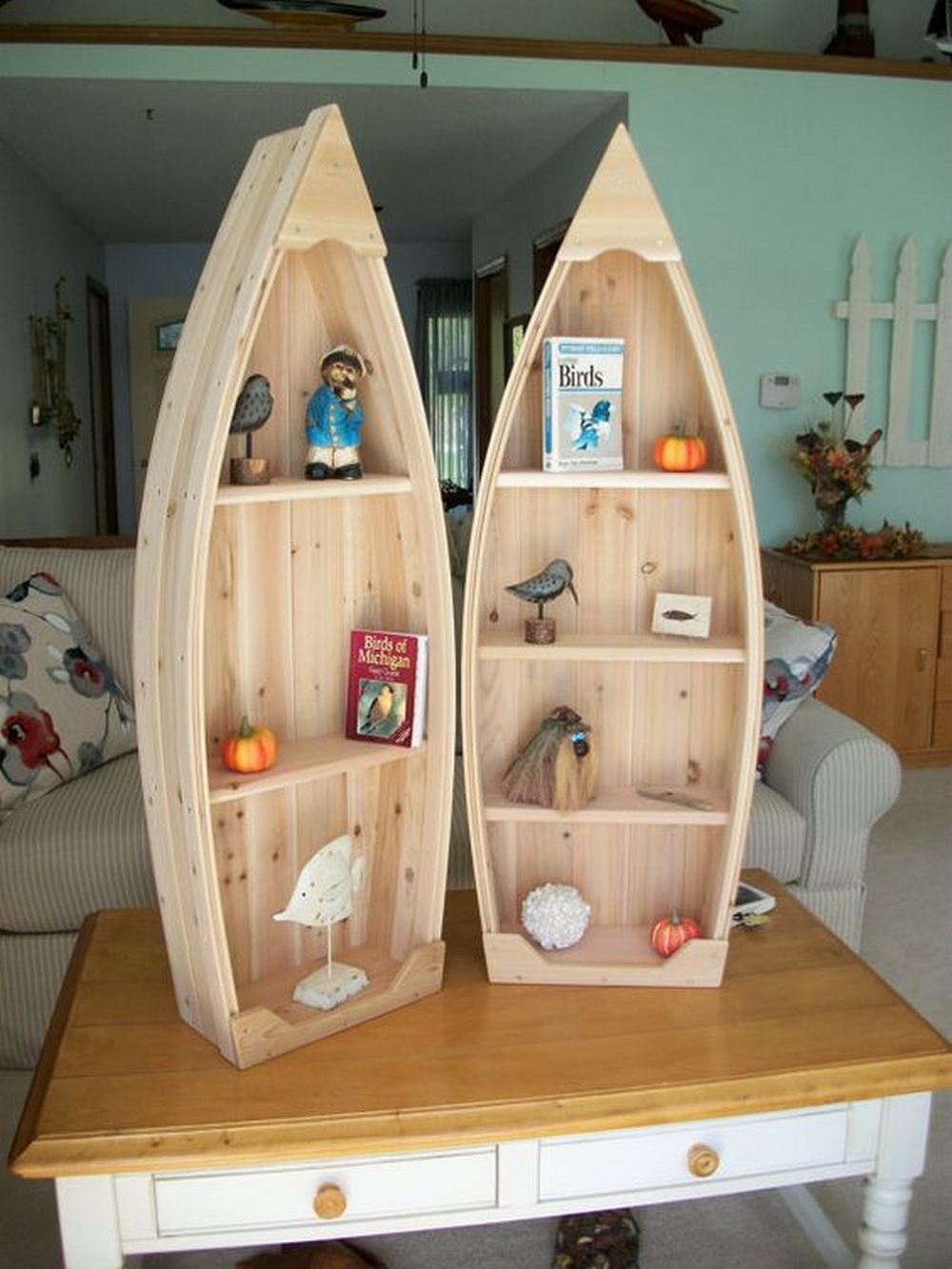
Credit: theownerbuildernetwork.co
Materials And Tools Needed
Building a canoe bookshelf requires the right materials and tools. Choosing good wood and having the essential tools will make the project easier. Safety gear protects you during work. This section covers all these points clearly.
Choosing The Right Wood
Pick wood that is strong and easy to work with. Pine, cedar, and oak are good choices. Pine is soft and affordable. Cedar resists moisture and looks nice. Oak is very strong but harder to cut. Avoid wood with many knots or cracks. Smooth wood helps the paint or finish stick well.
Essential Tools List
Basic tools make building faster and safer. You need a saw to cut wood pieces. A drill helps make holes for screws. Sandpaper or a sander smooths rough edges. Use clamps to hold wood while gluing or screwing. A measuring tape and pencil are important for accuracy. Screwdrivers and wood glue complete the list.
Safety Gear Recommendations
Safety is key in any wood project. Wear safety glasses to protect your eyes. Use ear protection if tools are loud. Gloves keep your hands safe from splinters. A dust mask stops you from breathing sawdust. Always work in a well-ventilated area. Stay safe to enjoy building your canoe bookshelf.
Preparing Your Workspace
Preparing your workspace is the first step to build a canoe bookshelf smoothly. A neat and well-arranged area helps you focus and work faster. It reduces mistakes and keeps tools safe. Organizing the space also makes the building process more fun and less stressful.
Setting Up A Comfortable Area
Choose a spot with enough room to move freely. Clear the floor and surfaces from clutter. Use a sturdy table or workbench. A comfortable chair helps if you sit while working. Keep a mat or soft padding for standing long.
Organizing Materials
Gather all wood pieces, screws, and tools before starting. Sort materials by size and type for quick access. Use containers or trays to hold small items. Keep sharp tools in safe places. This saves time and avoids frustration during building.
Ensuring Proper Lighting
Good lighting reduces eye strain and improves accuracy. Use bright lamps or overhead lights focused on the work area. Natural light works well but add lamps for cloudy days. Avoid shadows on your workspace by placing lights correctly. Check lighting before starting to avoid problems later.
Designing The Canoe Bookshelf
Designing the canoe bookshelf starts with a clear plan. A good design ensures the final piece looks great and holds your books well. Focus on the shape, size, and style before building. This step helps avoid mistakes and saves time during construction.
Measuring And Planning Dimensions
First, measure the space where the bookshelf will stand. Note the height, width, and depth limits. Decide how many shelves you want and their spacing. Think about the size of your books to choose shelf height. Write down all measurements clearly. This helps in cutting wood pieces accurately.
Sketching Your Design
Draw a simple sketch of the canoe bookshelf. Include the curved shape and shelves inside. Mark the dimensions on the drawing. Sketching helps visualize the final product. It also guides you during the build. You can adjust the design easily on paper before starting.
Selecting Finishes And Paints
Choose finishes that protect the wood and match your room. Clear varnish shows natural wood grain and adds shine. Paint adds color and style to the canoe shape. Pick water-resistant finishes for durability. Test the finish on a small wood piece first. This step makes the bookshelf both beautiful and long-lasting.
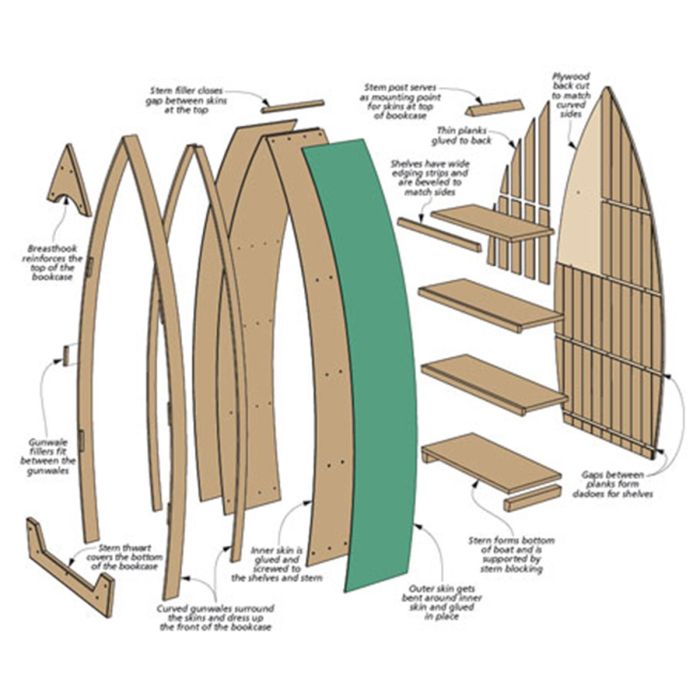
Credit: www.woodpeck.com
Cutting And Shaping Wood
Cutting and shaping wood is an important step when building a canoe bookshelf. This process gives the wood its right size and shape. It helps the pieces fit perfectly together. Careful cutting and shaping also make the shelf safe and strong.
Marking The Pieces
Start by measuring the wood carefully. Use a pencil to mark where you need to cut. Double-check all measurements before marking. Clear marks guide your cutting and avoid mistakes. Use a ruler or square for straight lines.
Using Saws Safely
Choose the right saw for each cut. A handsaw works well for straight cuts. Always wear safety glasses to protect your eyes. Keep your hands away from the blade. Cut slowly and steadily for clean edges. Make sure the wood is firmly held in place.
Sanding For Smooth Edges
After cutting, sand the edges to remove splinters. Use medium-grit sandpaper first, then fine-grit for smoothness. Sand in the direction of the wood grain. Smooth edges prevent injuries and give a neat look. Take time to sand all parts evenly.
Assembling The Bookshelf
Assembling the canoe bookshelf brings all the parts together. This step shapes the final look and strength of your project. Careful assembly ensures the shelf holds books safely and looks great. Follow each step closely to avoid mistakes and create a sturdy piece.
Joining The Frame
Start by connecting the side panels with the base and top pieces. Align the edges carefully to keep the frame square. Use clamps to hold parts firmly while working. Check the corners with a carpenter’s square for perfect right angles. This forms the strong skeleton of your bookshelf.
Adding Shelves
Measure the inside width for each shelf before placing them. Slide the shelves into position between the side panels. Make sure shelves sit level and fit snugly. Use spacers to keep equal gaps between shelves. This creates even spaces to store books and decorations.
Securing With Screws And Glue
Apply wood glue to all joints for extra strength. Spread glue evenly on surfaces that touch each other. Drive screws through the frame into shelves and panels. Pre-drill holes to avoid splitting the wood. Tighten screws just enough to hold parts firmly without cracking.
Finishing Touches
Finishing touches bring your canoe bookshelf to life. They protect the wood and add style. This step makes your project look complete and durable. Spend time here for the best results. Below are easy ways to finish your bookshelf beautifully.
Applying Stain Or Paint
Choose a stain to highlight the wood grain. Stain adds color while showing natural patterns. Use a brush or cloth for even coverage. Let the stain dry fully before moving on.
Paint offers a bold, colorful look. Pick a paint that works well on wood. Apply thin coats for smooth results. Allow each coat to dry before adding the next.
Adding Protective Coats
Protective coats guard your bookshelf from scratches and spills. Use clear polyurethane or varnish for strong protection. Apply with a clean brush in thin layers. Let each layer dry and lightly sand between coats for smoothness.
This step extends your bookshelf’s life. It keeps the finish looking fresh and new. Don’t skip this part for lasting beauty.
Installing Decorative Hardware
Hardware adds charm and function to your bookshelf. Choose knobs, handles, or metal accents that fit your style. Attach them carefully with screws or nails.
Hardware can make your bookshelf unique. It also helps with moving or opening parts. Pick pieces that match your room’s decor for a polished look.
Placement And Styling Tips
Placement and styling make your canoe bookshelf stand out. Proper location and neat arrangement boost both look and use. A well-placed bookshelf adds charm and comfort to any room. Styling with books and decor creates a cozy, personal space. Simple care keeps your bookshelf beautiful for years.
Choosing The Perfect Spot
Select a wall space that fits the size of the bookshelf. Avoid areas with direct sunlight to protect wood and books. Choose a spot where people often gather for easy access. Make sure the floor is level to keep the shelf stable. Leave some space around the bookshelf for better air flow.
Arranging Books And Decor
Place books by size or color for a neat look. Mix vertical stacks with horizontal piles to add interest. Use small plants or candles to bring life to the shelf. Keep heavier items on lower shelves for safety. Avoid overcrowding; leave space for each item to breathe.
Maintaining Your Bookshelf
Dust the bookshelf weekly to keep it clean and fresh. Check for loose screws or joints every few months. Use a soft cloth and mild cleaner on the wood surface. Keep books dry and away from damp places. Repair scratches or chips soon to protect the wood finish.

Credit: www.woodsmithplans.com
Frequently Asked Questions
What Materials Do I Need To Build A Canoe Bookshelf?
To build a canoe bookshelf, you need wood planks, screws, wood glue, sandpaper, paint or stain, brackets, and tools like a saw and drill. Choose durable, quality wood for strength and aesthetics. These materials ensure a sturdy, attractive bookshelf resembling a canoe.
How Long Does It Take To Build A Canoe Bookshelf?
Building a canoe bookshelf typically takes 6 to 10 hours. This duration includes cutting, assembling, sanding, and finishing. Time may vary based on skill level and design complexity. Planning and preparation can help streamline the process for better efficiency.
Can Beginners Build A Canoe Bookshelf Successfully?
Yes, beginners can build a canoe bookshelf with clear instructions. Starting with simple designs and basic tools makes the project manageable. Watching tutorials and following step-by-step guides improves confidence and skill, ensuring a satisfying DIY experience.
What Finish Is Best For A Canoe Bookshelf?
A clear varnish or wood stain works best for a canoe bookshelf. These finishes protect the wood and highlight natural grain. Choose water-resistant options for durability, especially if the bookshelf is near moisture-prone areas.
Conclusion
Building a canoe bookshelf is a fun and rewarding project. You get a unique shelf that adds charm to any room. With simple steps and basic tools, anyone can create this piece. It saves money compared to store-bought shelves. Plus, it gives you a chance to learn new skills.
Take your time and enjoy each step. Soon, you will have a beautiful, sturdy bookshelf to show off. This project brings both function and style to your home. Give it a try and see the results yourself.