Are you looking for a fun and simple way to organize your child’s books? Building a kids bookshelf could be the perfect solution.
Imagine having a special spot just for your little one’s favorite stories, making reading time even more exciting. In this guide, you’ll discover easy steps to create a sturdy and colorful bookshelf that fits your space and style. Whether you’re new to DIY or just want a quick project, this will help you bring more joy and order to your child’s room.
Keep reading to learn how you can build a kids bookshelf that your child will love and use every day!
Choosing The Right Materials
Choosing the right materials is key to building a sturdy and safe kids bookshelf. The materials affect the shelf’s look, durability, and safety. Picking the best wood, finishes, and tools helps create a shelf that lasts long and is safe for children.
Selecting Safe Wood Types
Choose wood that is strong and free of harmful chemicals. Pine and oak are good choices. They are sturdy and easy to work with. Avoid wood with rough surfaces or splinters. Sand the wood well to make it smooth. This keeps children safe from cuts and scratches.
Picking Child-friendly Finishes
Use finishes that are non-toxic and safe for kids. Water-based paints and varnishes are best. They do not release harmful fumes. Choose light colors to brighten the room and make books easy to find. Apply several thin coats for a smooth, durable finish. Let each coat dry completely before adding the next.
Gathering Necessary Tools
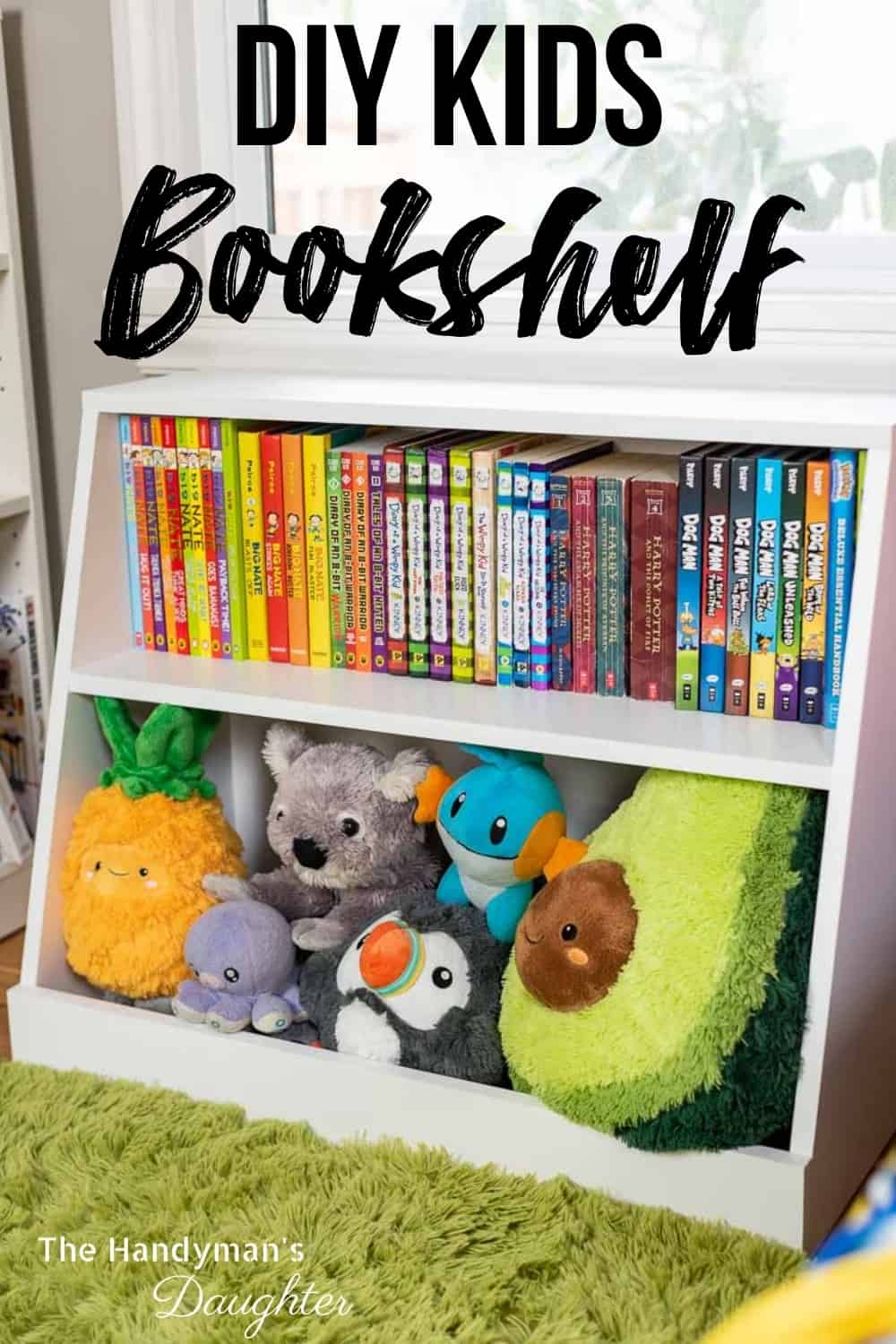
Prepare all tools before starting the project. You will need a saw, drill, screws, sandpaper, and a paintbrush. A measuring tape and pencil help with accurate cuts. Keep tools organized and within reach. Use safety gear like gloves and goggles to protect yourself. Proper tools make the work easier and safer.
Credit: www.thehandymansdaughter.com
Planning Your Bookshelf Design
Planning your bookshelf design is the first step to creating a perfect space for your child’s books. A well-planned design ensures the bookshelf fits the room and meets your child’s needs. It also makes the building process easier and faster. Focus on size, number of shelves, and fun details to keep your child interested.
Measuring Space And Size
Start by measuring the wall or corner where the bookshelf will go. Note the height, width, and depth available. Make sure there is enough room for the bookshelf without blocking doors or windows. Consider the size of the books your child owns. Choose a size that fits most books and leaves extra space for new ones.
Deciding On Shelf Numbers
Think about how many shelves you need for your child’s books. More shelves mean more storage but can be harder to reach for little kids. Fewer shelves make the bookshelf simple and easy to use. Plan shelves at different heights to fit tall and short books. Adjustable shelves add flexibility as your child grows.
Incorporating Fun Elements
Add fun touches to make the bookshelf inviting and exciting. Use bright colors or paint the shelves in your child’s favorite hues. Include shapes like stars, animals, or clouds on the sides or back. Add hooks or small bins for toys and art supplies. Fun details make reading time more enjoyable and encourage book love.
Cutting And Preparing Wood Pieces
Cutting and preparing wood pieces is the first step in building a kids bookshelf. Accurate cuts ensure the shelf fits well and stays strong. Smooth edges keep the wood safe for children. Careful preparation helps the project go faster and look better.
Marking Dimensions Accurately
Start by measuring the wood pieces carefully. Use a pencil and ruler to mark the exact lines. Double-check each measurement before cutting. Clear marks help you cut straight and avoid mistakes.
Using Saws Safely
Choose the right saw for your cuts. Keep your hands away from the blade. Cut slowly and steadily to stay on the lines. Wear safety glasses and gloves to protect yourself. Always work on a stable surface.
Sanding For Smooth Edges
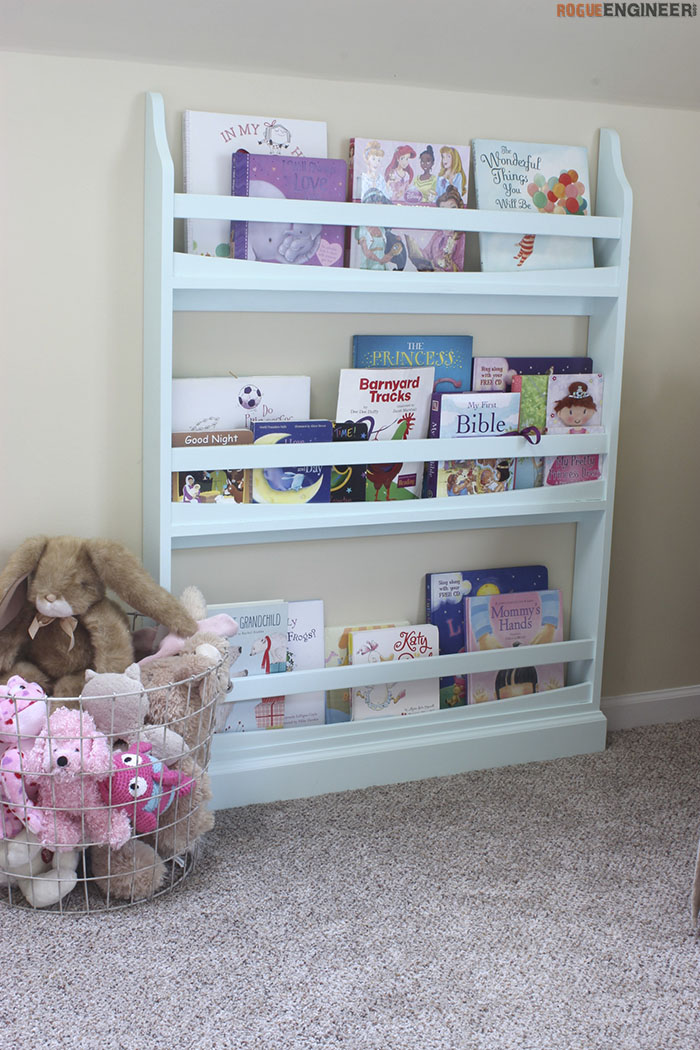
Use sandpaper to smooth all cut edges. Sand until the wood feels soft and safe to touch. This step removes splinters and rough spots. Smooth edges help prevent injuries for kids using the shelf.
Credit: rogueengineer.com
Assembling The Bookshelf Frame
Painting and decorating a kids bookshelf is a fun way to add personality and charm. It transforms plain wood into a colorful, inviting space for books. This step also protects the bookshelf from wear and tear. Bright colors and creative designs make the shelf more appealing for children. Careful painting ensures the project is safe and long-lasting.
Choosing Non-toxic Paints
Pick paints labeled as non-toxic to keep kids safe. These paints do not contain harmful chemicals. Water-based paints are a good option. They dry quickly and have less odor. Always check the label for safety certifications. Use paints that are easy to clean and durable.
Adding Creative Designs
Simple shapes and bright colors attract children’s attention. Use stencils or painter’s tape for neat lines. Let kids join in by painting their favorite animals or characters. Patterns like stripes or polka dots add fun detail. Keep designs clear and bold for easy recognition.
Sealing For Durability
Apply a clear sealant to protect the paint from scratches. Sealants prevent chips and make cleaning easier. Choose a non-toxic, water-based sealer for safety. Use thin, even coats and let each dry fully. A sealed bookshelf stays beautiful longer, despite daily use.
Painting And Decorating
Safety is the top priority when building a kids’ bookshelf. Kids’ furniture needs to be sturdy and safe to prevent accidents. Small children are curious and active. They can easily hurt themselves on unstable or sharp furniture. Taking the right safety steps protects your child and gives you peace of mind. Here are some essential tips for safe kids’ furniture.
Anchoring To Walls
Always secure the bookshelf to the wall. This prevents it from tipping over if a child climbs or pulls on it. Use strong brackets or wall straps designed for furniture. Attach them to studs in the wall for maximum support. Check the anchors regularly to ensure they stay tight and safe.
Avoiding Sharp Edges
Sharp edges can cause cuts and bruises. Sand down all corners and edges on the bookshelf. Use corner guards made of soft plastic or rubber to cover any sharp points. Rounded edges reduce the risk of injury during play or quick movements. Smooth surfaces also make cleaning easier.
Using Child-safe Hardware
Choose screws and nails that do not stick out. Use child-safe fasteners with no sharp ends. Avoid small parts that children can swallow. Use hardware that fits flush with the wood surface. This keeps the furniture strong and safe for young children to use.
Safety Tips For Kids’ Furniture
Organizing books and toys on a kids bookshelf helps keep the space tidy and fun. It makes finding items easier for children. A well-organized shelf also encourages kids to put things back. This creates a neat and inviting area for reading and play.
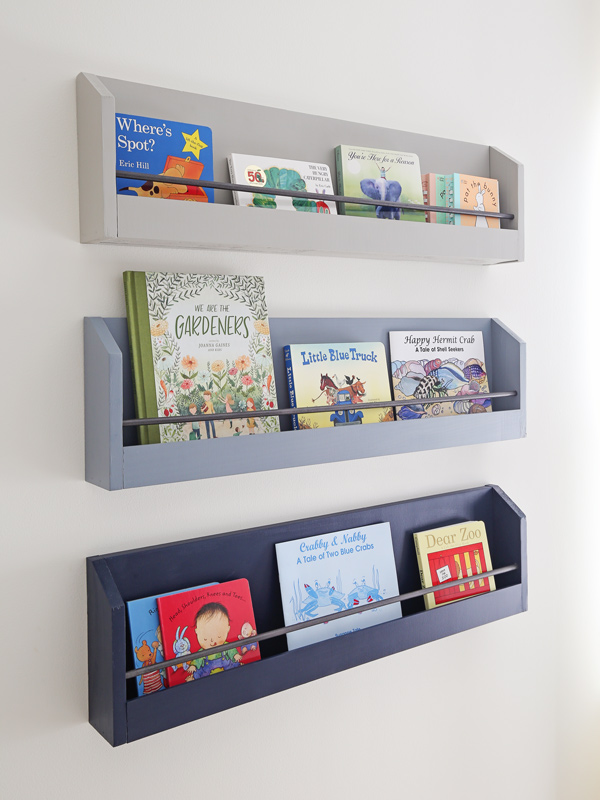
Using simple methods can make organizing quick and effective. Sorting items, using bins, and teaching kids to tidy are great steps. These ideas help keep the bookshelf neat every day.
Sorting By Size And Type
Sort books and toys by size and type. Place bigger books at the bottom for stability. Smaller books go on higher shelves for easy reach. Group similar toys together, like puzzles or blocks. This keeps the shelf orderly and makes items easy to find.
Using Bins And Labels
Use bins to hold smaller toys and loose items. Choose clear bins or colorful ones to attract kids. Label each bin with words or pictures. Labels help children know where to put things back. This keeps the shelf clean and organized.
Encouraging Tidiness
Teach kids to tidy up after playtime. Make cleaning a fun routine with a timer or song. Praise their efforts to keep the shelf neat. Regular tidying helps build good habits early. A clean shelf stays inviting for reading and playing.
Credit: angelamariemade.com
Frequently Asked Questions
What Materials Are Best For Building A Kids Bookshelf?
Wood like pine or plywood is ideal for durability and safety. Choose non-toxic paint and smooth finishes to avoid splinters and harmful fumes.
How Do I Make A Kids Bookshelf Safe?
Use rounded edges, secure shelves firmly, and avoid heavy items on top. Anchor the bookshelf to the wall to prevent tipping.
What Size Should A Kids Bookshelf Be?
Height should be child-friendly, around 3 to 4 feet. Shelf depth about 8 to 10 inches fits most kids’ books comfortably.
How Can I Encourage Kids To Use The Bookshelf?
Place books at their eye level and include colorful labels. Make it fun by adding baskets or bins for organizing books and toys.
Conclusion
Building a kids bookshelf can be fun and rewarding. It keeps books neat and easy to find. You can choose colors and shapes your child loves. A sturdy shelf lasts for many years. It also teaches kids to organize their things.
Start with simple steps and enjoy the process. Your child will feel proud of their special bookshelf. This small project brings both learning and joy to your home.