Are you looking for a unique way to organize your books and add character to your space? Building an industrial pipe bookshelf might be exactly what you need.
It’s sturdy, stylish, and surprisingly easy to make with just a few materials. Imagine having a bookshelf that not only holds your favorite reads but also becomes a standout piece in your room. In this guide, you’ll discover simple steps to create your own industrial pipe bookshelf that fits perfectly with your style and space.
Ready to transform your room and impress your guests? Let’s get started!
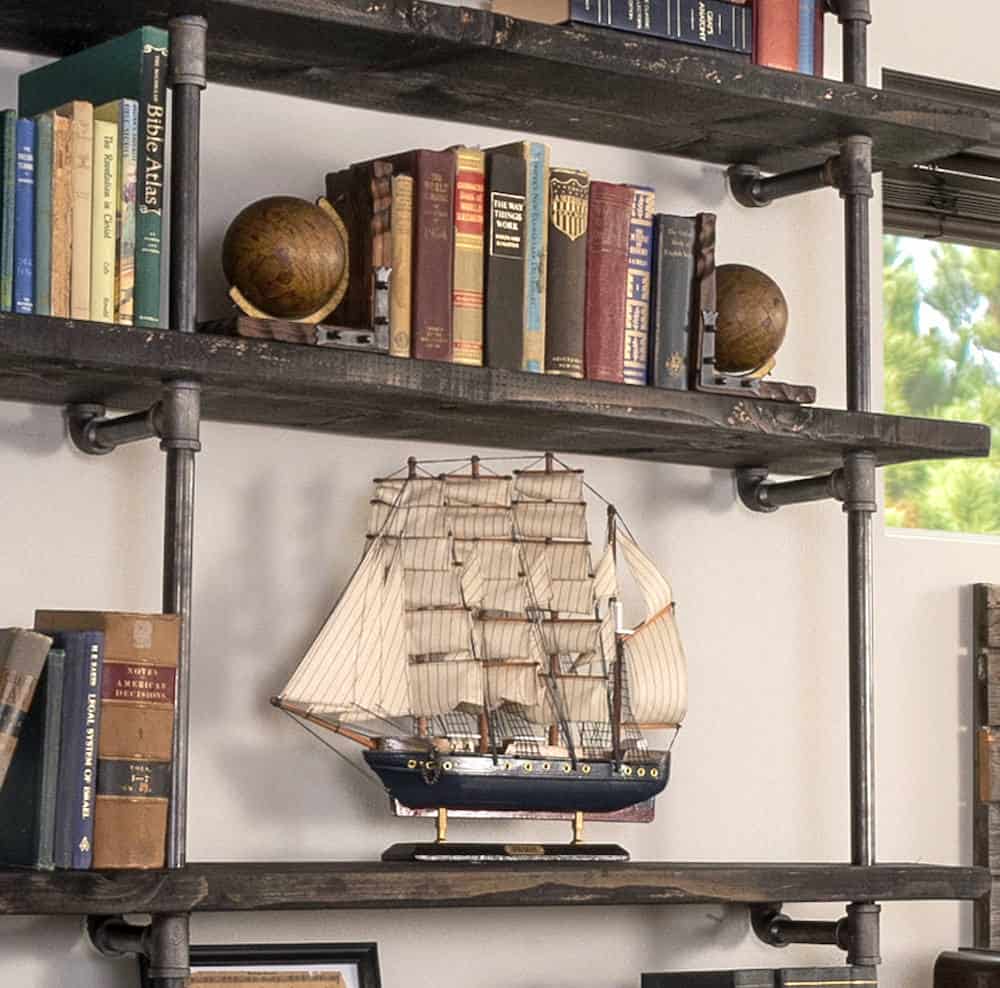
Credit: diycandy.com
Materials And Tools Needed
Building an industrial pipe bookshelf needs the right materials and tools. Choosing good parts helps the shelf last long and look great. This section explains what pipes, wood, and tools you need for your project.
Choosing The Right Pipes
Steel pipes work best for industrial bookshelves. They are strong and hold weight well. Black iron pipes give a classic industrial look. Make sure pipes are the same size for easy fitting. Get enough pipes for the number of shelves you want.
Selecting Wood For Shelves
Wood must be sturdy and smooth. Pine and oak are popular choices for shelves. Pine is light and easy to work with. Oak is harder and lasts longer. Cut wood planks to fit your shelf size. Sand the wood to avoid rough edges.
Essential Tools For Assembly
You need basic tools to build the shelf. A pipe wrench helps tighten pipe connections. A drill makes holes for screws. Screwdrivers are needed for fixing screws. A tape measure ensures correct wood and pipe length. Sandpaper smooths the wood surface.
Planning Your Bookshelf Design
Planning your industrial pipe bookshelf design is the first step to a successful build. Careful planning saves time and materials. It helps create a sturdy and stylish piece that fits your space perfectly.
Start by understanding the space where the bookshelf will go. Then, sketch your ideas on paper. Finally, decide the size of each shelf based on what you want to store.
Measuring Your Space
Measure the wall or corner where the bookshelf will stand. Note the height, width, and depth available. Check for obstacles like power outlets or vents. Write down all measurements clearly. Accurate measurements prevent mistakes later.
Sketching The Layout
Draw a simple sketch of your bookshelf design. Include the number of shelves and pipe placement. Use graph paper or a drawing app for precision. Visualizing the layout helps adjust the design easily. Think about balance and style as you sketch.
Determining Shelf Dimensions
Decide the width and depth of each shelf. Consider the size of your books or items. Shelves too narrow may not hold large books. Shelves too deep can waste space. Plan for pipe sizes and fittings too. Keep shelves strong and functional.
Preparing The Materials
Preparing the materials is the first step in building your industrial pipe bookshelf. This stage ensures all parts fit well and the final product is sturdy. Take your time to measure and prepare each piece carefully. Proper preparation saves effort during assembly and creates a better-looking shelf.
Cutting Pipes To Size
Measure each pipe according to your design plan. Use a pipe cutter or hacksaw for straight cuts. Mark the pipes clearly before cutting. Smooth the cut edges with a file to avoid sharp ends. Accurate cutting ensures the pipes fit perfectly in the structure.
Sanding And Finishing Wood
Choose wood planks that match your shelf size. Sand the wood to remove rough spots and splinters. Start with coarse sandpaper, then use fine grit for a smooth finish. Apply a wood finish or stain if desired. This step protects the wood and improves its look.
Pre-drilling Holes
Mark where the pipes will attach to the wood. Use a drill to make pilot holes for screws. Pre-drilling prevents wood from splitting during assembly. Match hole size to the screws you will use. This step makes the building process easier and stronger.
Assembling The Frame
Assembling the frame is the first step to building your industrial pipe bookshelf. This part shapes the entire structure. It needs careful work to ensure the shelf is strong and looks good. Follow each step closely for the best results.
Connecting Pipes And Fittings
Start by gathering all pipes and fittings. Check each piece for any damage or dirt. Clean if needed. Attach the pipes to the fittings by screwing them in tightly. Use a pipe wrench to secure the connections. Avoid over-tightening, which can cause damage. Work slowly and confirm each joint fits snugly. Repeat this process until the frame shape is complete.
Ensuring Stability And Alignment
Place the frame on a flat surface. Check if it stands evenly without wobbling. Use a level tool to verify that all parts are straight. Adjust the pipes slightly to fix any lean or tilt. Tighten all joints again after alignment. Stability is key for a safe shelf. Take your time with this step to avoid future issues.
Installing The Shelves
Installing the shelves on your industrial pipe bookshelf is a key step. It gives the structure strength and style. This part needs care to keep shelves steady and safe. Follow clear steps to fix wood boards onto the pipe frame perfectly.
Securing Wood To Pipe Frame
Start by placing the wood boards on the pipe frame. Make sure they fit well. Use screws to attach the wood to the pipes. Drill holes carefully through the wood and into the pipe fittings. Tighten screws firmly but avoid cracking the wood. This holds the shelves in place and stops wobbling.
Leveling And Adjusting Shelves
Check each shelf with a level tool. Adjust screws or pipes to make shelves flat. Uneven shelves can cause items to slide off. Small changes in height improve the look and function. Keep checking until all shelves line up straight and steady.
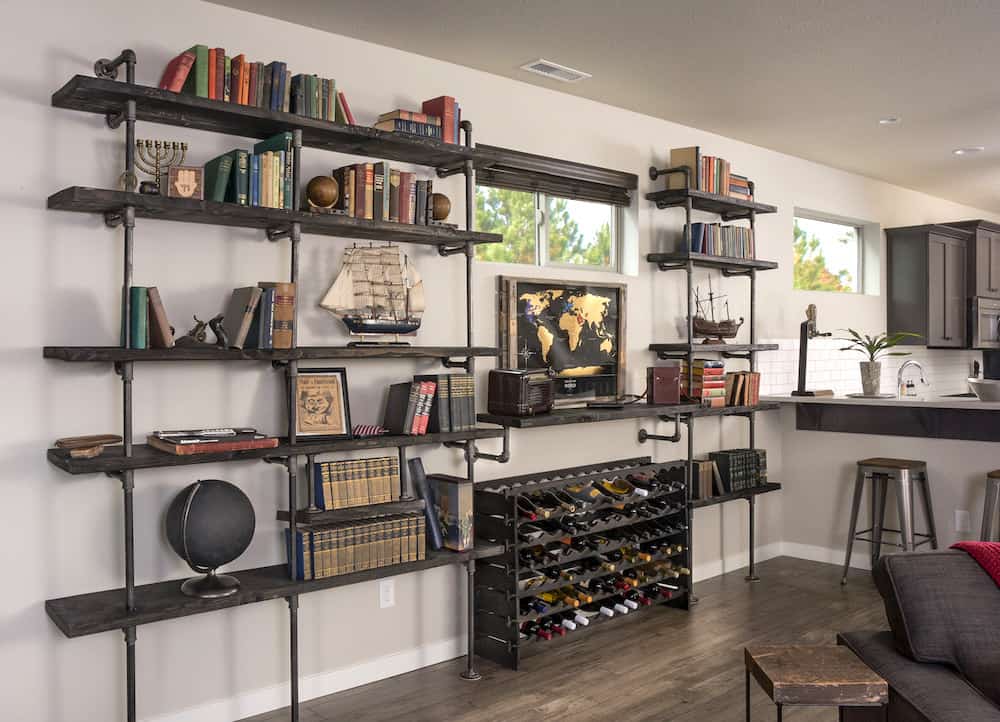
Credit: diycandy.com
Finishing Touches
Finishing touches make your industrial pipe bookshelf look complete and last longer. These steps protect the materials and add style. Small details can make a big difference in the final look.
Applying Protective Coatings
Start by applying a protective coating to the wood shelves. Use clear varnish or polyurethane for a smooth finish. This coating stops water damage and scratches. Apply thin layers and let each dry fully. For the pipes, use a rust-resistant spray paint. This keeps the metal shiny and stops rust. Always work in a well-ventilated area when using sprays or varnishes.
Adding Decorative Elements
Add decorative elements to enhance the bookshelf’s look. Attach metal brackets or corner braces for an industrial feel. Use leather straps or rope to wrap pipe joints for texture. Place small plants or vintage items on the shelves. These extras bring character and warmth to the design. Keep decorations simple to maintain the industrial style.
Maintenance Tips
Maintaining your industrial pipe bookshelf keeps it sturdy and looking good. Regular care helps avoid damage and extends its life. Follow these simple tips to keep your bookshelf in top shape.
Cleaning The Bookshelf
Dust the pipes and shelves often with a soft cloth. Use a damp cloth for sticky spots but dry immediately. Avoid harsh chemicals that can damage the finish. Clean shelves gently to protect the wood or metal.
Checking For Loose Fittings
Check all joints and fittings regularly for looseness. Tighten screws and bolts with the right tools to prevent wobbling. Loose parts can cause instability and risk damage. Routine checks keep the bookshelf safe and strong.
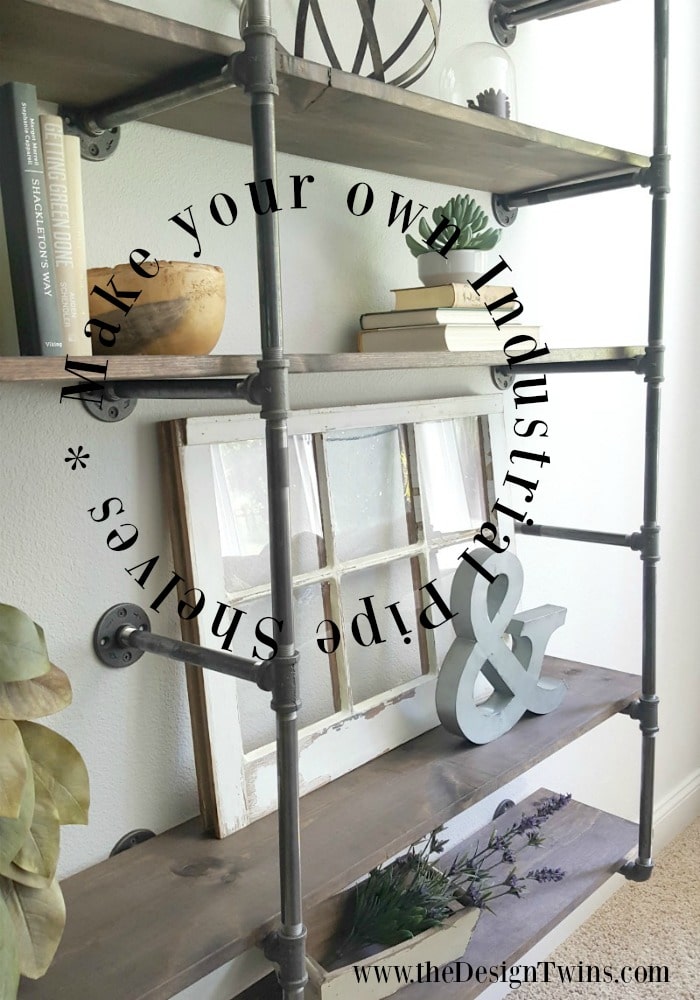
Credit: thedesigntwins.com
Frequently Asked Questions
What Materials Are Needed For An Industrial Pipe Bookshelf?
You need metal pipes, wooden planks, pipe fittings, screws, and wall anchors. Choose sturdy, durable materials for safety and longevity. Quality pipes and treated wood ensure a strong, stylish bookshelf that lasts.
How Do You Assemble An Industrial Pipe Bookshelf?
First, measure and cut wood and pipes to size. Attach pipes to wooden shelves with fittings. Secure the structure to the wall for stability. Follow a step-by-step guide for best results.
Can I Customize The Size Of The Bookshelf?
Yes, industrial pipe bookshelves are highly customizable. Adjust pipe lengths and shelf sizes to fit your space. This flexibility allows you to create a unique, functional design.
Is It Difficult To Install An Industrial Pipe Bookshelf?
Installation is straightforward with basic tools. Follow clear instructions for cutting, assembling, and securing. Beginners can complete the project with patience and careful measurement.
Conclusion
Building an industrial pipe bookshelf adds style and function to any room. The process is simple with basic tools and materials. You can customize the size and design to fit your space. This project saves money compared to buying new furniture.
It also gives a unique, handmade touch to your home. Try it step-by-step, and enjoy creating something useful. Small effort, great reward. A perfect mix of creativity and practicality.