Imagine stepping out to your backyard and sinking into a comfortable wooden chair that you built yourself. How satisfying would it be to relax on patio furniture made with your own hands, crafted just the way you like it?
If you’ve ever thought about creating your own outdoor furniture but didn’t know where to start, this guide is for you. You’ll discover simple, step-by-step instructions to build beautiful, sturdy wooden pieces that will transform your patio. Ready to impress your friends and enjoy your outdoor space like never before?
Let’s get started!

Credit: www.etsy.com
Choosing The Right Wood
Choosing the right wood is the first step in building outdoor patio furniture that lasts. Wood affects the look, strength, and durability of your furniture. Picking a wood type suited for outdoor use protects your project from weather damage. This choice also impacts how much care your furniture will need over time.
Types Of Wood For Outdoor Use
Some woods handle rain, sun, and cold better than others. Cedar and redwood resist rot and insects naturally. Teak and ipe are very dense and strong woods. Pine is cheaper but needs treatment to last outside. Choose wood that fits your budget and style.
Wood Durability And Maintenance
Durable wood saves money and effort in the long run. Hardwoods like teak need less sealing and staining. Softwoods may require yearly treatments to stay strong. Regular cleaning and applying sealant keeps wood looking good. Think about how much time you want to spend on care.
Sourcing Sustainable Materials
Choose wood from forests that are well managed. Look for certifications like FSC or PEFC. These ensure trees are cut responsibly and new ones planted. Using sustainable wood helps protect the environment. It also supports ethical forestry workers and communities.
Essential Tools And Materials
Building wooden outdoor patio furniture needs the right tools and materials. These essentials make your work easier and safer. Good tools help you cut, join, and finish wood with precision. Quality materials ensure your furniture lasts outdoors.
Choosing the right tools and materials is the first step to success. It saves time and avoids frustration. Below are the must-have items to start your project.
Basic Carpentry Tools
Start with a good saw to cut wood accurately. A circular saw or handsaw works well. Use a tape measure to get exact lengths. A carpenter’s square helps keep corners straight.
Drill and drill bits are needed to make holes and drive screws. Sandpaper or an electric sander smooths rough edges. Clamps hold pieces steady while you work. A hammer and screwdriver are essential for assembly.
Safety Equipment
Protect yourself with safety glasses to guard your eyes. Wear gloves to avoid splinters and cuts. A dust mask keeps you safe from wood dust. Hearing protection is important when using loud power tools.
Choose sturdy shoes to protect your feet from falling objects. Keep a first aid kit nearby for minor injuries. Safety comes first in every step of your project.
Hardware And Finishes
Use outdoor screws and bolts to hold your furniture firmly. These resist rust and last longer. Wood glue adds extra strength to joints. Pick hinges or brackets if your design needs moving parts.
Choose a wood stain or paint made for outdoor use. These protect wood from moisture and sun damage. Finish with a clear sealant to increase durability. Good finishes keep your furniture looking nice for years.
Planning Your Patio Furniture
Planning your wooden outdoor patio furniture is the first step to a successful build. Careful thought saves time and money later. It helps you create pieces that fit your space and style perfectly.
Start by imagining what you want your patio to look like. Think about comfort, size, and how many people will use it. Planning well makes the building process smoother and more enjoyable.
Design Ideas And Inspiration
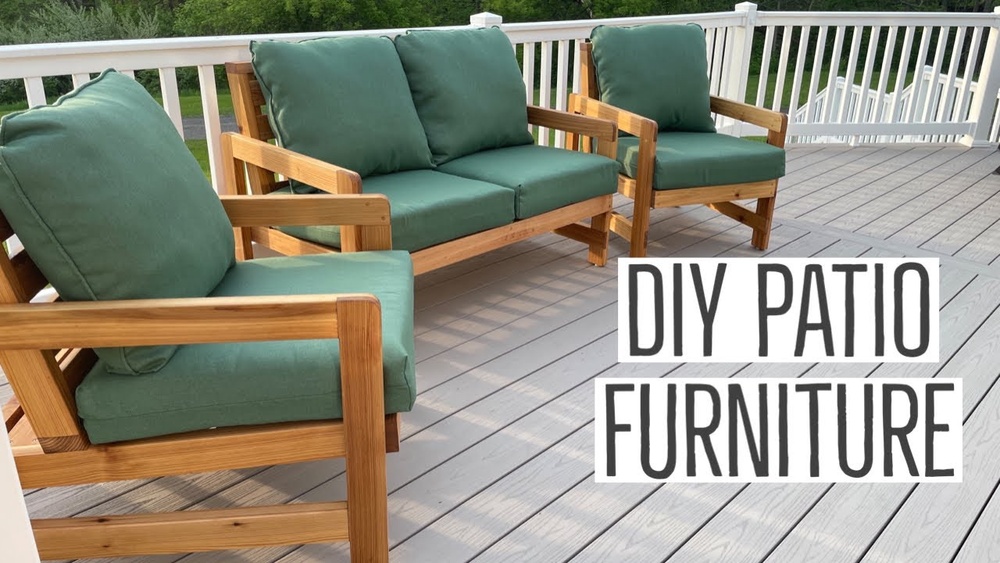
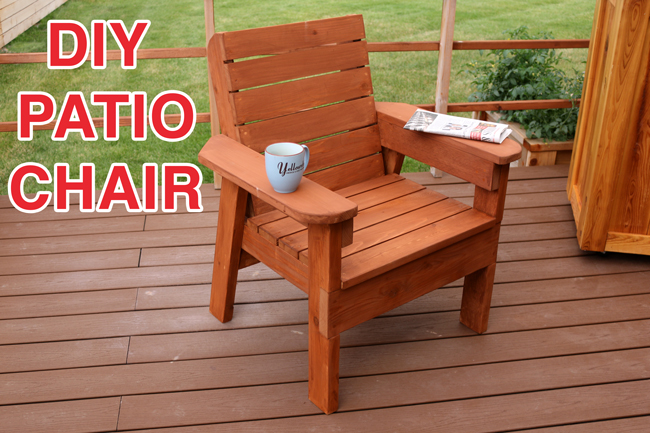
Explore simple and classic designs that suit outdoor use. Look at photos of wooden patio furniture for ideas. Think about benches, tables, and chairs that match your garden.
Choose designs with clean lines and sturdy shapes. These last longer and are easier to build. Use nature as inspiration—wood blends well with plants and stone.
Measuring And Sketching
Measure your patio area carefully. Note the length and width to know how much space you have. Draw rough sketches of your furniture pieces to scale.
Mark dimensions for each part of the furniture. This helps avoid mistakes when cutting wood. Keep your sketches simple but clear for easy reference.
Budgeting For Your Project
Set a budget before buying materials. Wood, screws, and paint all cost money. Decide how much you want to spend overall.
Look for affordable but good-quality wood. Avoid cheap materials that may not last outside. Plan extra funds for tools or unexpected expenses.
Credit: www.diypete.com
Cutting And Preparing Wood
Cutting and preparing wood is a key step in building wooden outdoor patio furniture. This process shapes the wood pieces to fit your design perfectly. Proper cutting and preparation ensure your furniture is strong and looks great. Take time to measure carefully and handle tools safely. Smooth edges help avoid splinters and improve the finish.
Measuring And Marking
Use a tape measure to get exact wood lengths. Mark the cut lines clearly with a pencil. Double-check measurements before cutting. Mark all pieces at once to keep consistency. Straight, clear marks guide your saw and prevent mistakes.
Safe Cutting Techniques
Wear safety goggles and gloves for protection. Use a sharp saw to cut wood cleanly. Keep your hands away from the blade. Cut slowly and steadily for better control. Clamp the wood to stop it from moving. Follow the marked lines closely to get accurate cuts.
Sanding And Smoothing
Sand the cut edges with fine-grit sandpaper. Remove any rough spots and splinters. Smooth wood feels nicer and is safer to touch. Sand along the grain for a polished look. Clean dust off the wood before assembly or painting.
Assembling The Furniture
Assembling wooden outdoor patio furniture brings your project to life. It is the step where all parts come together. Careful assembly ensures your furniture is strong and lasts long. Follow simple methods to make the process smooth and effective.
Joining Methods
Choose the right joining method for your furniture type. Common methods include dowels, biscuits, and mortise-and-tenon joints. Dowels fit into drilled holes to connect pieces tightly. Biscuits are small, flat pieces that fit into slots. Mortise-and-tenon joints lock wood parts securely without extra hardware. Pick a method that suits your tools and skills.
Using Screws And Nails
Screws and nails are popular for quick assembly. Use screws for stronger, long-lasting joints. Pre-drill holes to avoid wood splitting. Nails work well for temporary or light connections. Countersink screws and nails to keep surfaces smooth. Choose corrosion-resistant screws for outdoor durability.
Ensuring Stability And Balance
Check each joint for tightness and fit. Make sure legs stand evenly on the ground. Use a level tool to confirm flat surfaces. Tighten loose screws or add braces if needed. Stability prevents wobbling and improves safety. Balance keeps your furniture comfortable and sturdy.
:max_bytes(150000):strip_icc()/patio-furniture-plans-4769226-hero-2ba4479863d84c908bb86a06830f023d.jpg)
Credit: www.thespruce.com
Finishing Touches
Finishing touches make your wooden patio furniture look great and last longer. These final steps protect the wood and add comfort. A well-finished piece invites you to relax outdoors. Focus on three key areas to complete your project.
Applying Stain Or Paint
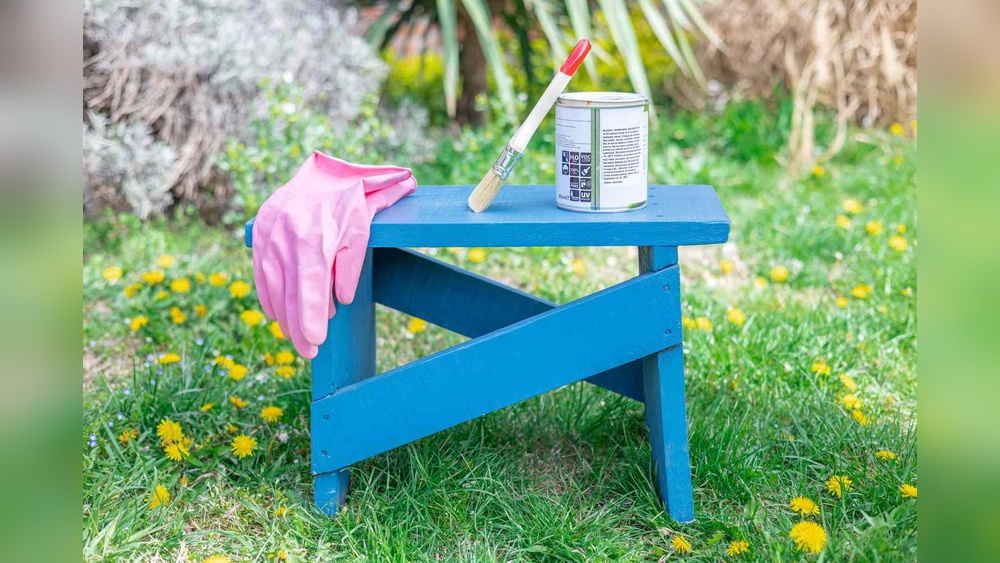
Choose a stain or paint that suits your style. Stain shows the wood grain and adds color. Paint gives a solid, colorful finish. Use a brush or sprayer for even coverage. Apply thin, smooth coats to avoid drips. Let each coat dry fully before adding the next. This step enhances beauty and helps protect the wood.
Sealing For Weather Protection
Seal your furniture to guard against rain and sun. Use a clear outdoor sealant or varnish. Apply it evenly with a clean brush. Seal all surfaces, including corners and edges. This prevents water damage and fading. Reapply the sealant every year for best results. Proper sealing keeps your furniture strong through all seasons.
Adding Cushions And Accessories
Choose cushions that fit your furniture well. Pick fabrics made for outdoor use. They resist water, stains, and fading. Add pillows for extra comfort and style. Consider small tables or umbrellas to complete the setup. Accessories make your patio inviting and cozy. They turn simple furniture into a relaxing space.
Maintenance Tips
Wooden outdoor patio furniture adds charm to any garden or deck. Keeping it in good shape requires regular care. Small efforts help maintain its beauty and extend its life.
Cleaning And Upkeep
Clean wooden furniture often to remove dirt and dust. Use a soft brush or cloth with mild soap and water. Avoid harsh chemicals that can damage the wood. Rinse well and let it dry completely. Apply a wood protector or sealant yearly to guard against moisture and sun damage.
Repairing Minor Damages
Check for small cracks, loose screws, or splinters regularly. Sand rough areas gently to smooth the surface. Use wood glue or filler for minor cracks. Tighten screws or replace damaged hardware. Fixing these issues early prevents bigger problems later.
Seasonal Storage Advice
Store furniture in a dry, covered place during harsh weather. Use furniture covers to shield from rain and snow. If possible, move pieces indoors in winter. Proper storage prevents warping, mold, and fading. Prepare furniture by cleaning and drying before storage.
Frequently Asked Questions
What Wood Is Best For Outdoor Patio Furniture?
Teak, cedar, and redwood are ideal for outdoor furniture. They resist moisture, decay, and insects. These woods last longer and require less maintenance.
How Do I Protect Wooden Patio Furniture?
Apply a weatherproof sealant or outdoor varnish. Reapply annually to prevent water damage and UV fading. Cover furniture when not in use for extra protection.
What Tools Are Needed To Build Patio Furniture?
Basic tools include a saw, drill, measuring tape, and screwdriver. Sandpaper, clamps, and wood glue also help for smooth finishes and strong joints.
How Long Does It Take To Build Wooden Patio Furniture?
Simple projects take a weekend or two. Complex designs may require several days. Time depends on skill level, design complexity, and drying times for finishes.
Conclusion
Building wooden outdoor patio furniture can be simple and fun. Choose the right wood and tools to start. Follow clear steps and take your time. Enjoy creating pieces that last and look great. Handmade furniture adds charm to any outdoor space.
Small efforts bring big rewards. Now, you can make your patio cozy and unique. Give your outdoor area a personal touch today.