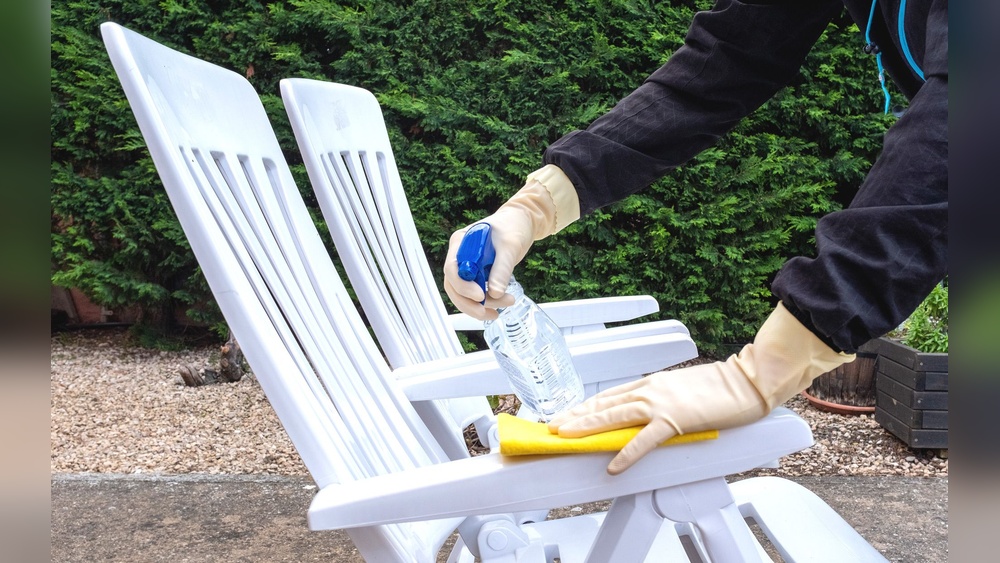
Is your outdoor wooden furniture starting to look dull and spotted with mold? You’re not alone.
Mold can sneak up quickly, ruining the natural beauty of your favorite pieces. But don’t worry—cleaning mold off your wooden furniture is easier than you think. You’ll discover simple, effective steps to restore your furniture’s charm and keep it mold-free.
Keep reading, and you’ll soon enjoy fresh, clean outdoor furniture that invites you to relax and unwind.
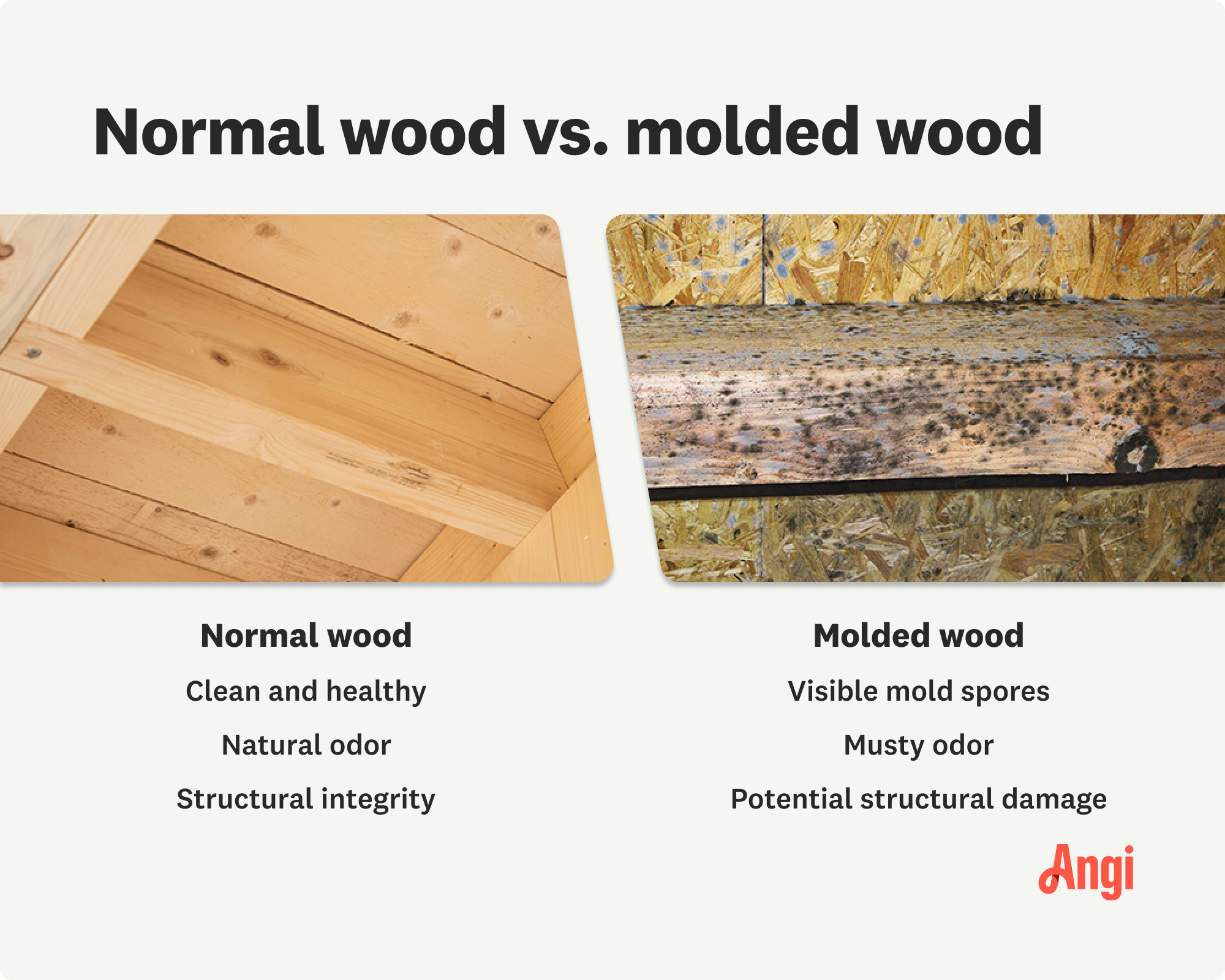
Credit: www.angi.com
Causes Of Mold On Wooden Furniture
Mold can appear on outdoor wooden furniture for several reasons. Understanding these causes helps prevent and remove mold effectively. Mold grows in places that provide moisture and food. Wooden furniture outside often meets these conditions.
Humidity And Moisture
High humidity creates a perfect environment for mold growth. Wood absorbs moisture from rain and dew. Wet wood stays damp for a long time. This moisture allows mold spores to settle and grow. Poor ventilation makes the problem worse.
Lack Of Sunlight
Sunlight helps dry out wood and stops mold growth. Shady areas keep wood damp. Mold thrives in dark, moist places. Outdoor furniture under trees or covered areas often lacks direct sunlight. This encourages mold to develop quickly.
Organic Material And Dirt
Dirt and debris provide food for mold. Leaves, pollen, and dust settle on furniture. These organic materials hold moisture and feed mold spores. Regular cleaning removes these materials and reduces mold risk. Dirty wood is more likely to get moldy.
Credit: teakanddeck.com
Tools And Materials Needed
Cleaning mold off outdoor wooden furniture needs the right tools and materials. Using proper supplies makes the job easier and safer. It helps protect your wood from damage during cleaning. Prepare everything before starting to save time and effort.
Cleaning Solutions
Choose a cleaning solution that kills mold and is safe for wood. A mix of water and mild soap works well. You can also use a vinegar and water solution for natural cleaning. Avoid harsh chemicals that can harm the wood surface. Test the solution on a small area first.
Protective Gear
Wear gloves to protect your hands from mold and cleaning agents. A mask helps prevent inhaling mold spores. Safety glasses protect your eyes from splashes. Dress in old clothes or wear a protective apron to keep clean.
Brushes And Cloths
Use a soft-bristle brush to scrub mold without scratching the wood. Avoid hard brushes that can damage the surface. Have clean cloths or sponges to wipe away dirt and moisture. Use dry cloths to help the furniture dry faster after cleaning.
Preparation Before Cleaning
Preparing your outdoor wooden furniture before cleaning mold is essential. It makes the cleaning process safer and more effective. Taking a few simple steps helps protect the wood and ensures better results.
Move Furniture To A Well-ventilated Area
Place your furniture where air flows freely. Good ventilation helps dry the wood faster. It also reduces the chance of mold spreading indoors. Avoid cleaning in direct sunlight to prevent wood damage.
Remove Loose Debris
Brush off leaves, dirt, and dust from the furniture. Use a soft brush or cloth. Clearing loose debris allows the cleaning solution to work better. It also prevents scratching the wood surface.
Test Cleaning Solution On A Small Area
Apply your chosen cleaner on a hidden spot first. Wait a few minutes to see any damage or discoloration. Testing avoids ruining the wood finish. Choose a cleaner safe for outdoor wood.
Step-by-step Cleaning Process
Cleaning mold off outdoor wooden furniture requires a clear and simple process. Follow these steps carefully to remove mold safely and restore your furniture’s natural look. Each step is important for effective cleaning and protection.
Apply Cleaning Solution
Start by mixing a mild cleaning solution. Use water with a small amount of dish soap or white vinegar. Apply the solution generously to all moldy spots on the wood. Let it sit for 10 to 15 minutes. This loosens the mold and makes scrubbing easier.
Scrub Moldy Areas
Use a soft brush or sponge to scrub the moldy areas gently. Avoid using hard brushes that can damage the wood. Work in small sections. Scrub until you see the mold lifting off. Be thorough but careful to protect the wood surface.
Rinse Thoroughly
Rinse the furniture with clean water. Use a hose or bucket to wash away all soap and mold residue. Make sure no cleaning solution remains on the wood. Leftover soap can attract dirt or cause damage over time.
Dry Completely
Allow the furniture to dry fully in the sun. Good air flow helps speed drying and prevents new mold growth. Avoid covering or using the furniture before it is dry. Proper drying keeps your wood safe and mold-free.
Natural Cleaning Alternatives
Natural cleaning alternatives offer safe and effective ways to remove mold. These options use common household items. They avoid harsh chemicals that can harm wood or the environment. Natural cleaners are gentle but work well to clean outdoor wooden furniture. Using these methods keeps your furniture healthy and looking great.
Vinegar And Baking Soda
White vinegar kills mold and stops its return. Spray vinegar directly on the moldy wood. Let it sit for about an hour. Then, make a paste with baking soda and water. Apply the paste and scrub gently with a brush. Rinse with water and let the wood dry in the sun.
Tea Tree Oil Mixture
Tea tree oil is a natural mold killer. Mix one teaspoon of tea tree oil with one cup of water. Pour the mixture into a spray bottle. Spray the moldy areas and leave it to dry. No need to rinse. Repeat every few days until the mold disappears.
Hydrogen Peroxide
Hydrogen peroxide cleans and disinfects moldy surfaces. Use a 3% hydrogen peroxide solution. Spray it on the affected wood and wait for 10 minutes. Scrub the area lightly with a brush. Wipe clean with a damp cloth. Let the furniture dry outside in fresh air.
Preventing Mold Growth
Mold grows easily on outdoor wooden furniture. Moisture and dirt create a perfect home for mold spores. Stopping mold before it starts saves time and effort. Keep your furniture dry and clean to prevent mold growth. Follow simple steps to protect your wood and keep it looking fresh.
Regular Cleaning Schedule
Clean your furniture often. Use a soft brush or cloth to remove dirt. Dirt traps moisture, which helps mold grow. Wash the furniture with mild soap and water every few weeks. Let it dry completely before using or covering it. Regular cleaning breaks the mold’s cycle early.
Proper Furniture Placement
Place furniture where air flows well. Avoid spots that stay wet or shaded. Sunlight helps dry wood and kills mold spores. Keep furniture away from plants or grass that hold moisture. Elevate furniture slightly off the ground to prevent water damage. Proper placement reduces moisture and stops mold.
Use Of Sealants And Protectants
Apply a sealant to protect wood from moisture. Choose a product made for outdoor wood. Sealants block water and slow mold growth. Reapply sealant every year or as needed. Use protectants that also shield from UV rays. This care keeps wood strong and mold-free longer.
When To Seek Professional Help
Knowing when to call a professional to clean mold off outdoor wooden furniture can save time and prevent damage. Some mold problems need expert care to fully remove and protect your furniture.
Extensive Mold Damage
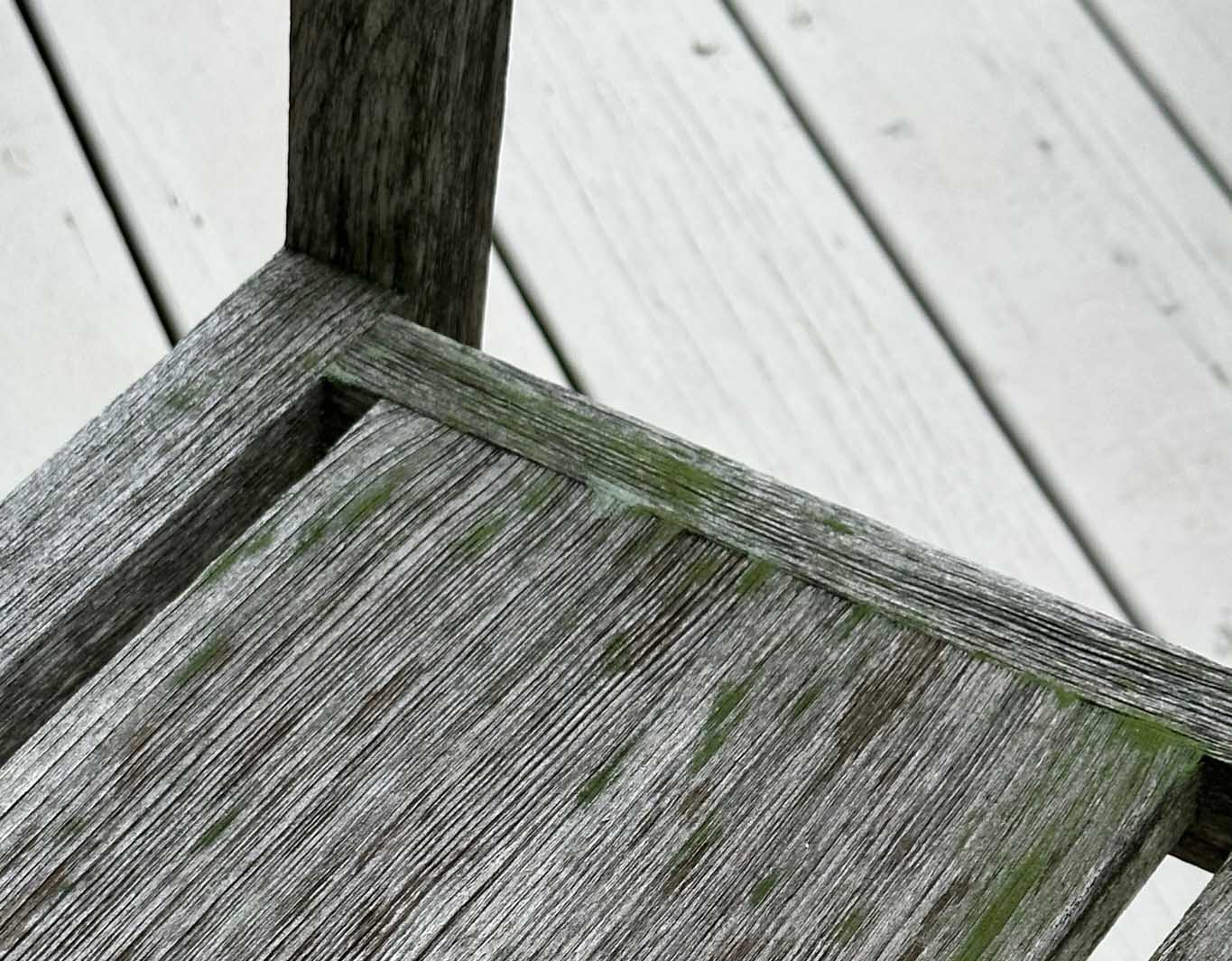
If mold covers large parts of your furniture, cleaning it yourself may not work. Deep mold growth can weaken the wood and cause lasting harm. Professionals have tools and treatments that reach mold deep inside the wood.
Health Concerns
Mold can cause allergic reactions and breathing problems. People with asthma or allergies should avoid mold contact. Professionals use safe methods that reduce health risks during mold removal.
Furniture Restoration Services
Some wooden furniture needs more than mold removal. Restorers can fix wood stains, cracks, and damage caused by mold. Their services bring back the furniture’s original look and strength.
Credit: www.atlantateak.com
Frequently Asked Questions
How Do I Remove Mold From Wooden Furniture Safely?
Use a mixture of mild detergent and water to scrub mold gently. Avoid harsh chemicals that damage wood. Wear gloves and mask for safety. Rinse with clean water and dry thoroughly in sunlight to prevent mold regrowth.
Can Vinegar Effectively Clean Mold On Outdoor Wood?
Yes, white vinegar kills mold and mildew effectively on wood. Spray vinegar directly on the moldy area and let it sit for an hour. Wipe with a damp cloth, then dry the furniture completely under the sun.
What Household Items Remove Mold From Wooden Furniture?
Common items include white vinegar, baking soda, and mild detergent. Mix vinegar with water or sprinkle baking soda on the mold. Scrub gently and rinse. These natural solutions are safe and eco-friendly for outdoor wood cleaning.
How Often Should I Clean Mold Off Outdoor Wooden Furniture?
Clean mold every 3 to 6 months, especially in humid climates. Regular cleaning prevents mold buildup and maintains wood quality. Inspect furniture after rainy seasons to catch mold early and protect your investment.
Conclusion
Cleaning mold from outdoor wooden furniture takes care and patience. Use gentle cleaners and soft brushes to protect the wood. Always dry the furniture well to stop mold from coming back. Regular checks help keep your furniture safe and looking good.
A little effort goes a long way in keeping your outdoor space fresh. Now, enjoy your clean and mold-free wooden furniture every day.

