
Is your outdoor furniture looking dull and spotted with mould? You’re not alone.
Mould can quickly take over your favorite chairs and tables, making them unsafe and uninviting. But don’t worry—you can bring your outdoor space back to life. In this guide, you’ll discover simple, effective ways to get mould off your furniture fast.
Imagine sitting outside on a clean, fresh set that feels like new again. Keep reading, and you’ll learn easy steps that save your furniture and give your outdoor area the makeover it deserves.
:strip_icc()/Clean-Outdoor-Furniture-34bc286d99604bce93f968cc0e060c68.jpg)
Credit: www.bhg.com
Identifying Mould On Outdoor Furniture
Mould on outdoor furniture can damage your pieces and cause health problems. Early identification helps you clean mould before it spreads. Knowing what mould looks like and which furniture gets affected saves time and effort. Here is how to spot mould easily.
Common Signs Of Mould
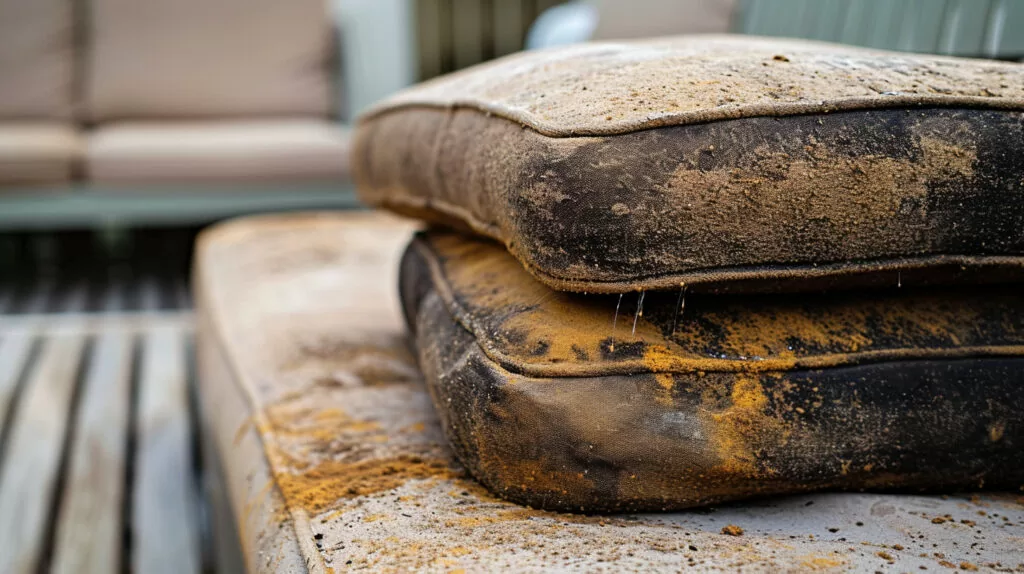
Mould often appears as fuzzy or slimy spots on furniture. It can be white, green, black, or grey. Musty or damp smells often come with mould growth. Watch for patches that grow bigger over time. Surfaces may feel damp or sticky where mould grows. Leaves or dirt stuck to furniture can hide mould spots.
Types Of Outdoor Furniture Affected
Wooden furniture is very prone to mould. Moisture seeps into wood and helps mould grow. Fabric cushions and covers also attract mould easily. Plastic furniture can get mould in cracks and crevices. Metal furniture may get mould if paint chips or rust forms. Check all types regularly to keep mould away.
Credit: www.patioproductions.com
Preparing Furniture For Cleaning
Preparing outdoor furniture for mould cleaning is an important first step. Proper preparation makes cleaning easier and more effective. It also helps protect the furniture and the person cleaning.
Gathering Cleaning Supplies
Start by collecting all needed supplies. You will need a soft brush or cloth, a bucket, and mild detergent. A spray bottle with white vinegar or a commercial mould remover works well. Have clean water ready for rinsing. Prepare gloves and a mask to protect yourself.
Safety Precautions
Wear gloves to protect your skin from mould and cleaning agents. Use a mask to avoid breathing in mould spores. Work in a well-ventilated area, preferably outdoors. Avoid touching your face during and after cleaning. Dispose of used cloths and gloves carefully to prevent spreading mould.
Cleaning Methods For Different Materials
Cleaning mould from outdoor furniture needs different methods for each material type. Using the right method keeps furniture safe and looking good. Some materials need gentle cleaning. Others require stronger solutions to remove mould effectively.
Knowing the best way to clean each material helps avoid damage. It also makes the cleaning process faster and easier. Below are simple steps for common outdoor furniture materials.
Wooden Furniture
Use a soft brush or cloth to remove loose mould. Mix mild soap with water for cleaning. Avoid harsh chemicals that can harm wood. Gently scrub the surface, then rinse with clean water. Dry wood completely to stop mould from returning.
Plastic And Resin Furniture
Plastic and resin handle stronger cleaners well. Use a mix of water and white vinegar or bleach solution. Scrub with a soft brush to remove mould spots. Rinse thoroughly with water to remove all cleaner. Let furniture dry in the sun for best results.
Metal Furniture
Metal furniture needs rust prevention during cleaning. Use warm soapy water and a soft brush first. For tough mould, apply a diluted bleach solution carefully. Avoid leaving bleach too long to protect metal finish. Rinse well and dry with a cloth to prevent rust.
Fabric Cushions And Covers
Remove cushions and covers from furniture before cleaning. Brush off loose mould outdoors to avoid spores inside. Wash covers in a washing machine with hot water and detergent. Add a cup of white vinegar for extra mould removal. Air dry cushions fully in sunlight before use.
Natural Remedies To Remove Mould
Mould on outdoor furniture can ruin its look and cause damage. Natural remedies offer safe and effective ways to clean mould without harsh chemicals. These solutions are easy to make and gentle on surfaces. They also help keep your outdoor space fresh and healthy. Below are some common natural methods you can try today.
Using Vinegar
White vinegar is a powerful natural cleaner. It kills mould spores and stops regrowth. Pour undiluted vinegar into a spray bottle. Spray the affected areas and let it sit for an hour. Then scrub the furniture gently with a brush. Rinse with water and let it dry in the sun. Vinegar’s acidity breaks down mould and removes stains well.
Baking Soda Solutions
Baking soda is a mild abrasive and deodorizer. Mix two tablespoons of baking soda with water to form a paste. Apply the paste to mouldy spots and scrub with a soft brush. For larger areas, dissolve baking soda in water and spray it on. Let the furniture dry in sunlight. Baking soda helps lift mould and neutralizes odors naturally.
Lemon Juice Applications
Lemon juice has natural antifungal properties. Squeeze fresh lemon juice onto mould patches. Let it sit for 10-15 minutes to break down mould. Use a cloth or brush to clean the surface. Rinse with water and dry thoroughly. The acidity of lemon juice brightens the furniture and removes mould stains.
Commercial Cleaners And Products
Commercial cleaners and products offer a strong solution to remove mould from outdoor furniture. These products are designed to kill mould spores and clean surfaces deeply. They work faster than homemade solutions and can reach tough spots easily.
Choosing the right cleaner is important. Some cleaners are made for specific materials like wood, metal, or plastic. Using the wrong product can damage your furniture or leave stains. Always read the label before buying.
Choosing The Right Cleaner
Pick a cleaner made for outdoor use. Check if it is safe for your furniture type. Some products are gentle on wood but tough on mould. Others work well on plastic or metal surfaces.
Look for mould and mildew removers. These usually contain ingredients like bleach or hydrogen peroxide. They kill mould effectively and prevent new growth. Choose a product that does not harm plants around your furniture.
Application Tips
Wear gloves and protective eyewear before applying cleaners. Spray or apply the product evenly on the mouldy areas. Let it sit for the time mentioned on the label. This allows the cleaner to break down mould spores.
Use a soft brush or cloth to scrub gently. Avoid hard scrubbing that can damage surfaces. Rinse the furniture well with water after cleaning. Dry the furniture completely to stop mould from returning.
Preventing Mould Growth Outdoors
Mould can quickly ruin outdoor furniture. It grows in damp and shady places. Preventing mould is easier than cleaning it later. Small steps help keep your furniture clean and fresh. Follow simple tips to stop mould before it starts.
Proper Furniture Storage
Store furniture in a dry place when not in use. Avoid leaving it outside during wet weather. Use a shed or garage if possible. Keep furniture off the ground to stop moisture. Proper storage reduces mould growth and damage.
Regular Cleaning Routines
Clean furniture often to remove dirt and moisture. Use mild soap and water for cleaning. Wipe down surfaces and dry them well. Regular cleaning prevents mould spores from settling. This keeps furniture looking new longer.
Using Protective Covers
Cover furniture with waterproof covers when not in use. Choose breathable materials to avoid trapping moisture. Remove covers regularly to air out furniture. Covers protect against rain, dust, and mould. They extend the life of your outdoor furniture.
Dealing With Stubborn Mould Stains
Stubborn mould stains on outdoor furniture can be tough to remove. They often stick deep into the material. Simple cleaning might not clear these marks. Special care and effort are needed to restore your furniture’s look. This section shows effective ways to deal with hard mould stains.
Scrubbing Techniques
Start with a soft brush to avoid damage. Use circular motions to lift the mould gently. For tougher spots, use a stiff brush but be careful. Apply a cleaning solution made of water and mild detergent. Let it sit for a few minutes before scrubbing. Rinse with clean water to remove residue. Repeat the process if stains remain. Avoid harsh chemicals that can harm the furniture or the environment.
When To Seek Professional Help
Some mould stains are too deep or widespread. If cleaning does not work after several tries, consider experts. Professionals have tools and chemicals to remove tough mould safely. They can also check for hidden damage. This option saves time and protects your furniture’s life. Call a professional if mould returns quickly or covers large areas.
Credit: www.furnituremaxi.com
Frequently Asked Questions
How Do I Remove Mould From Outdoor Furniture Safely?
Use a mixture of water and mild detergent or vinegar. Scrub gently with a soft brush. Rinse thoroughly and dry completely under the sun to prevent mould growth.
What Household Items Kill Mould On Patio Furniture?
White vinegar and baking soda effectively kill mould. Apply vinegar directly, let it sit, then scrub. Baking soda paste can also remove stubborn mould spots safely.
Can Bleach Be Used On Outdoor Furniture Mould?
Yes, but use diluted bleach carefully. Mix one part bleach with ten parts water. Apply, scrub gently, rinse well, and dry fully to avoid damage and health risks.
How Often Should Outdoor Furniture Be Cleaned To Prevent Mould?
Clean your outdoor furniture monthly during damp seasons. Regular cleaning removes dirt and moisture, which mould needs to grow. This keeps your furniture mould-free and looking fresh.
Conclusion
Keeping outdoor furniture clean stops mould from coming back. Regular cleaning with simple solutions works well. Dry furniture quickly after washing to avoid moisture. Store furniture in dry places during wet seasons. Small steps protect your furniture and make it last longer.
Enjoy your outdoor space without worrying about mould. Clean furniture looks nice and feels fresh. A little care goes a long way.


