Is your metal outdoor furniture looking worn out with rust, chipped paint, or a dull patina? You don’t have to replace it or settle for its tired appearance.
Restoring your furniture can bring back its original charm and even add a fresh, stylish touch to your outdoor space. In this guide, you’ll discover simple, effective steps to remove rust, refresh paint, and revive that beautiful patina—all without needing professional help.
Keep reading, and you’ll learn how to make your metal furniture look like new again, saving money and boosting your curb appeal at the same time.
Assessing Rust Damage
Assessing rust damage is the first step to restoring metal outdoor furniture. It helps you understand the extent of the problem. This knowledge guides you in choosing the right repair method. Careful inspection prevents surprises during restoration.
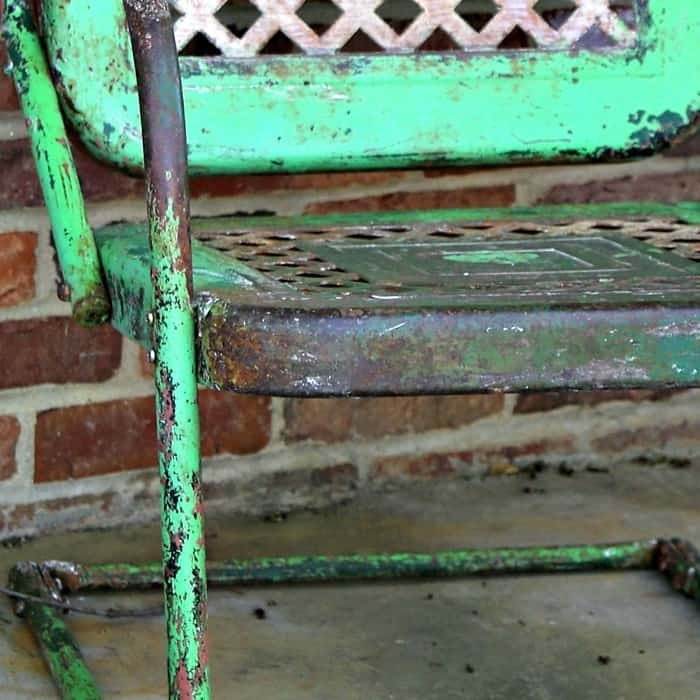
Start by closely examining all parts of the furniture. Look for color changes, rough spots, or flakes. These signs show where rust has formed. Knowing the type and size of rust helps plan the cleaning and painting process.
Types Of Rust On Metal Furniture
Surface rust is the mildest type. It appears as orange or brown spots on the paint. It does not damage the metal deeply. This rust can be removed with light sanding.
Pitting rust is more severe. It creates small holes or pits in the metal. This damage weakens the furniture structure. Removing pitting rust may require special tools and fillers.
Scale rust forms in thick layers. It causes the metal to flake and crack. This type often needs professional repair or replacement of parts.
Tools For Inspection
Use a bright flashlight to see rust clearly. It helps find hidden spots in corners and joints. A magnifying glass shows fine rust details on the surface.
A wire brush lets you test how loose the rust is. If the rust flakes off easily, sanding will work well. A small scraper helps remove stubborn rust patches gently.
Feel the metal surface with your fingers. Rough or uneven texture means deeper rust. Smooth areas might only have surface rust.
Gathering Materials
Gathering the right materials makes restoring metal outdoor furniture easier and safer. Proper supplies help remove rust, protect the surface, and restore the paint and patina. Preparing everything ahead saves time and avoids interruptions during the project.
Focus on quality tools and protective gear. This ensures the job goes smoothly and keeps you safe. Organize your workspace and materials before starting.
Rust Removal Supplies
Rust removal is the first step in restoration. You need wire brushes or steel wool to scrub loose rust. Sandpaper with different grits helps smooth rough spots and old paint. Rust remover chemicals break down tough rust stains fast. Clean rags and water help wipe the surface clean after rust removal. A scraper removes peeling paint and stubborn rust patches. These items prepare the metal for repainting and sealing.
Safety Gear Essentials
Safety comes first during restoration. Wear gloves to protect your hands from sharp edges and chemicals. Safety goggles shield your eyes from dust and debris. A mask or respirator blocks harmful dust and fumes. Long sleeves and pants protect your skin from irritants. Good ventilation is important if you use chemical rust removers or paint indoors. Proper safety gear keeps your body safe throughout the project.
Preparing The Furniture
Preparing your metal outdoor furniture is the first step to restoring its beauty. This stage sets the foundation for removing rust, paint, and patina effectively. Taking time to prepare ensures better results and a longer-lasting finish.
Cleaning Dirt And Debris
Start by removing loose dirt and debris from the furniture. Use a soft brush or cloth to clear dust and leaves. For stubborn grime, wash with mild soap and water. Rinse thoroughly and let it dry completely. Clean surfaces help the restoration products work better.
Protecting Surrounding Areas
Protect areas around your furniture before you begin work. Cover nearby plants, floors, and walls with drop cloths or plastic sheets. This prevents stains and damage from chemicals or paint. Preparing the workspace keeps the cleanup easy and safe.
Credit: petticoatjunktion.com
Removing Rust
Removing rust is the first step to restoring metal outdoor furniture. Rust weakens metal and damages its look. Removing rust ensures a smooth surface for paint or new patina. There are several methods to remove rust, each suited for different levels of rust and tools available.
Using Chemical Rust Removers
Chemical rust removers dissolve rust quickly and easily. Apply the remover with a brush or spray on the rusty areas. Let the product sit for the time stated on the label. Use a scrub brush or steel wool to wipe off the loosened rust. Rinse the furniture well with water and dry it completely. Chemical removers work well for light to moderate rust.
Manual Rust Removal Techniques
Manual rust removal uses simple tools and elbow grease. Use sandpaper, wire brushes, or scrapers to rub rust off the metal. This method works best for small or thin rust spots. It takes more time but offers good control over the cleaning. Keep sanding until the bare metal shows. Wipe dust away before moving to painting or sealing.
Power Tools For Rust Removal
Power tools speed up the rust removal process. Use angle grinders, rotary tools, or sanders with wire or sanding attachments. These tools remove rust fast and reach deep layers. Wear safety gear to protect from sparks and dust. Power tools suit large or heavily rusted furniture. Clean the surface well after using power tools to prepare for finishing.
Sanding And Smoothing
Sanding and smoothing are key steps in restoring metal outdoor furniture. These steps help remove rust and old paint. They prepare the surface for a fresh coat of paint or protective finish. Proper sanding makes the furniture look smooth and new. It also helps the new paint stick better and last longer.
Careful sanding avoids damage to the metal. It also keeps the original shape and details of the furniture. Using the right tools and techniques makes the process easier and effective.
Choosing The Right Sandpaper Grit
Selecting the correct sandpaper grit is important for good results. Coarse grit, like 60 or 80, removes heavy rust and old paint fast. Use it carefully to avoid scratching the metal deeply.
Medium grit, such as 120 or 150, smooths rough areas after coarse sanding. It helps remove small rust spots and paint flakes.
Fine grit, like 220 or higher, finishes the surface. It prepares the metal for painting by creating a smooth texture. Fine grit also removes any remaining dust or rust particles.
Sanding Techniques For Metal
Start sanding with coarse grit to remove rust patches and peeling paint. Use even pressure and move in straight lines. Avoid circular motions that can cause uneven spots.
Switch to medium grit to smooth out rough areas. Sand gently to blend the surface and remove scratches from coarse grit.
Finish with fine grit sanding. Lightly go over the whole surface to create an even texture. Wipe off dust with a clean cloth before painting.
Hand sanding works well for small areas and details. For large, flat surfaces, use a sanding block or power sander for faster work.
Applying Rust Converter
Applying rust converter is a key step in restoring metal outdoor furniture. It stops rust and prepares the surface for painting. Rust converter changes rust into a stable, black coating. This layer protects the metal and helps paint stick better.
Benefits Of Rust Converters
Rust converters save time and effort. They stop rust without needing to remove it all. This product seals the metal against moisture and air. It creates a strong base for new paint. Using rust converter helps furniture last longer. It also prevents rust from spreading further.
How To Apply Evenly
Start with clean, dry metal. Remove loose rust and dirt with a brush. Use a paintbrush or spray to apply rust converter. Cover all rusty areas completely. Apply thin, even coats to avoid drips. Let the first coat dry before adding another. Follow the product instructions for drying time. Avoid thick layers to ensure proper curing.
Restoring Paint And Patina
Restoring paint and patina on metal outdoor furniture brings back its charm. Rust and old paint can hide its beauty. Careful restoration protects the metal and keeps it looking great for years.
Work step by step. Choose the right paint. Use a good primer. Then add the paint in smooth layers. To keep the vintage look, recreate the patina with simple techniques.
Selecting Rust-resistant Paint
Pick paint made for metal surfaces. Rust-resistant paints stop new rust from forming. Look for outdoor paints that handle sun and rain well. Oil-based or enamel paints work best. They last longer and protect better than regular paint.
Choose colors that match the original or suit your style. Matte finishes hide flaws better. Glossy paints show scratches more easily.
Applying Primer And Paint
Start with a clean, dry surface. Remove all loose rust and paint first. Use a wire brush or sandpaper. Then apply a rust-inhibiting primer. Primer helps paint stick and lasts longer.
Apply thin, even coats of paint. Let each coat dry fully before adding the next. Use a brush or spray for smooth coverage. Avoid thick layers that can drip or peel.
Recreating Patina Effects
Patina adds character and age to metal. Use light sanding to expose some metal beneath paint. Apply tinted wax or glaze for color variation. Dab with a sponge or cloth to create spots or streaks.
Try layering different shades of paint. Blend edges softly for a natural look. Finish with a clear sealant to protect the patina without hiding it.
Sealing And Protecting
Sealing and protecting metal outdoor furniture keeps it safe from rust and damage. It also preserves the paint and patina you worked hard to restore. A good sealant acts as a shield against moisture, dirt, and sun. This step helps your furniture last longer and look great.
Choosing The Right Sealant
Select a sealant made for metal and outdoor use. Clear acrylic sealants work well for painted surfaces. They add a protective layer without changing the color. Polyurethane sealants offer strong protection but may slightly darken the finish. Avoid oil-based sealants on rusty or patina finishes. Water-based sealants dry faster and have less odor. Check product labels to match your furniture’s needs.
Application Tips For Longevity
Clean the furniture thoroughly before sealing. Remove dust, dirt, and grease with a mild soap solution. Let it dry completely to avoid trapping moisture. Apply the sealant in thin, even coats. Use a brush or spray for smooth coverage. Allow each coat to dry fully before adding another. Two to three coats usually provide good protection. Avoid sealing in direct sunlight or high humidity. Let the furniture cure for at least 24 hours before use.
Maintenance Tips
Maintaining metal outdoor furniture helps keep it looking good and lasting longer. Rust, paint damage, and worn patina can appear over time. Regular care stops these problems. Follow simple steps to protect your furniture and enjoy it for years.
Regular Cleaning Routine
Clean metal furniture often to remove dirt and dust. Use a soft brush or cloth with mild soap and water. Avoid harsh chemicals that can damage paint. Rinse well and dry completely to stop rust from forming. Clean at least once a month during use seasons. This keeps the surface fresh and prevents build-up that harms metal.
Preventing Future Rust
Rust appears when metal meets water and air. Protect your furniture by applying a rust-resistant spray or paint. Touch up small scratches quickly to block rust. Store furniture indoors or cover it during rain or snow. Elevate it off wet ground to improve air flow. These steps stop rust early and keep your furniture strong.

Credit: thehoneycombhome.com

Credit: www.whitelilacfarmhouse.com
Frequently Asked Questions
How Do I Remove Rust From Metal Outdoor Furniture?
Use a wire brush or sandpaper to scrub off rust. Apply a rust remover solution if needed. Rinse and dry the furniture thoroughly before repainting or sealing.
What Paint Is Best For Restoring Metal Furniture?
Use rust-inhibiting spray paint or enamel paint designed for metal. These paints protect against corrosion and last longer outdoors. Always apply primer before painting for better adhesion.
Can I Restore Patina Without Removing Rust?
Yes, you can preserve patina by cleaning gently and sealing with a clear coat. Avoid harsh scrubbing that removes the natural aged look. This maintains character while protecting the metal.
How Often Should I Maintain Metal Outdoor Furniture?
Inspect and clean furniture every 6 months. Remove dirt and rust spots promptly. Reapply protective coatings annually to keep metal in good condition and extend its lifespan.
Conclusion
Restoring metal outdoor furniture keeps it strong and beautiful. Removing rust and old paint protects the metal from damage. Applying fresh paint or patina brings new life to old pieces. Regular care extends your furniture’s use and charm. Simple steps can save money and effort over time.
Enjoy your outdoor space with furniture that looks great again. Maintenance is easy and worth the small effort. Keep your metal furniture ready for many seasons ahead.