Are you staring at your bookshelf wondering how to make it look more inviting and organized? Displaying your books isn’t just about stacking them; it’s about creating a space that reflects your personality and sparks joy every time you glance at it.
Whether you have a few favorite reads or a growing collection, the way you arrange your books can transform your room and even inspire you to pick up a book more often. Keep reading, and you’ll discover simple, clever tips to turn your bookshelf into a beautiful, eye-catching feature you’ll love showing off.
Choose The Right Bookshelf
Choosing the right bookshelf is key to showing off your books well. It shapes the look of your room and keeps your books safe. The right shelf fits your space and style perfectly.
Consider Size And Shape
Think about where you want to place the bookshelf. Measure the wall space carefully. Choose a size that fits without crowding the room. Tall shelves save floor space but need strong walls. Short shelves are easier to reach and move. Shapes vary from simple rectangles to unique curves. Pick one that matches your room’s vibe.
Pick Materials And Colors
Wood shelves offer warmth and classic style. Metal shelves are strong and modern-looking. Plastic or glass shelves can feel light and trendy. Choose a material that suits your taste and budget. Color matters too. Light colors brighten a room. Dark colors add depth and drama. Match the shelf color with your room’s decor for harmony.
Assess Shelf Depth And Height
Books come in many sizes. Check the depth of the shelves to fit your books. Too shallow means books might stick out. Too deep wastes space. Shelf height is important too. Adjustable shelves are great for different book sizes. Make sure the shelves hold heavy books without bending. Proper depth and height keep books tidy and easy to grab.
Sort Books By Categories
Sorting books by categories makes your bookshelf look neat and easy to use. It helps you find books quickly. You can choose from many ways to group your books. Each method changes how your shelf feels and looks.
Sorting also protects your books. It stops them from getting damaged by mixing different sizes or types. A well-organized shelf invites you to read more often.
Organize By Genre
Put books with the same type or topic together. Group novels, biographies, history, and science books in separate sections. This way, you know exactly where to find each kind of book. It saves time and keeps the shelf tidy.
Arrange By Color
Sort books by the color of their spine. This creates a bright and attractive look. Your shelf becomes a piece of art. Color arrangement makes finding books fun and simple.
Group By Size And Height
Place books of similar size and height next to each other. This keeps the shelf balanced and neat. Tall books stand together, and small books stay in one place. This method protects books and makes the shelf look good.
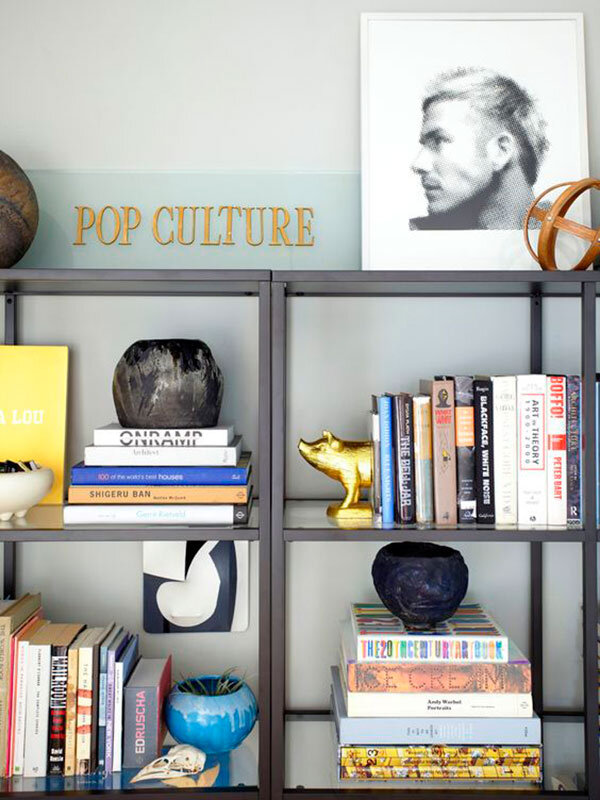
Mix Vertical And Horizontal Stacks
Mixing vertical and horizontal stacks on your bookshelf creates a fresh look. It breaks the monotony of rows filled only with standing books. This style adds texture and shape to the shelf. It makes your collection more inviting and easier to explore.
Changing the way books sit on the shelf helps highlight special titles. It also uses space better, especially on smaller shelves. Mixing stacks brings a casual yet organized feel to any room.
Create Visual Interest
Place some books standing upright and others lying flat. This contrast draws the eye and adds depth to the shelf. Use horizontal stacks to show off unique covers or colorful spines. The mix breaks up long lines and keeps the display lively. Try stacking a few books on top of each other to vary height and shape. This method makes your shelf feel more dynamic and less crowded.
Use Horizontal Stacks As Bookends
Horizontal stacks can act as bookends to support vertical books. This keeps books upright without extra tools. Use heavier books for stability and stack them neatly. Place these stacks at shelf edges to frame your vertical rows. This technique adds balance and prevents books from tipping over. It also creates small pockets for decorative items or plants.
Incorporate Decorative Elements
Incorporating decorative elements can transform a simple bookshelf into a lively, inviting space. These elements break the monotony of rows of books and add personality to your shelf. They also create visual interest and make your bookshelf a focal point in any room.
Add Plants And Greenery
Plants bring life and color to your bookshelf. Small potted plants or succulents fit well in tight spaces. Greenery softens the look of hard book edges. They also improve air quality and add a fresh feel.
Use Art And Sculptures
Art pieces add character and style to the shelf. Small sculptures or framed pictures work perfectly. These items create a balance between books and decoration. They also show your taste and make the shelf unique.
Include Personal Mementos
Personal items make your bookshelf truly yours. Photos, souvenirs, or gifts tell your story. These mementos add warmth and a personal touch. They also invite curiosity and make the shelf more interesting to guests.
Play With Book Orientation
Playing with book orientation on your bookshelf adds style and interest. It breaks the monotony of rows of spines and creates a dynamic look. Changing how books face can highlight favorite titles and make your shelf more inviting. Simple shifts in placement bring life to any room.
Display Some Covers Forward
Showcasing book covers forward draws attention to their artwork. Covers often have bright colors and bold designs. Place a few of your best-looking books facing out. This approach turns your shelf into a mini-gallery. It also helps guests find popular or special books quickly.
Mix covers with spine-out books to keep balance. Avoid displaying all covers forward. This keeps the shelf neat and easy to browse. Use this style for new books or those with eye-catching covers.
Alternate Spine Directions
Turn some books with spines facing left and others right. This pattern adds visual rhythm and texture. It makes the shelf look organized yet playful. You can arrange books by size or color while alternating directions.
Use this method to break up large blocks of books. It creates small pauses that make the shelf easier to scan. This subtle change refreshes your display without extra effort.
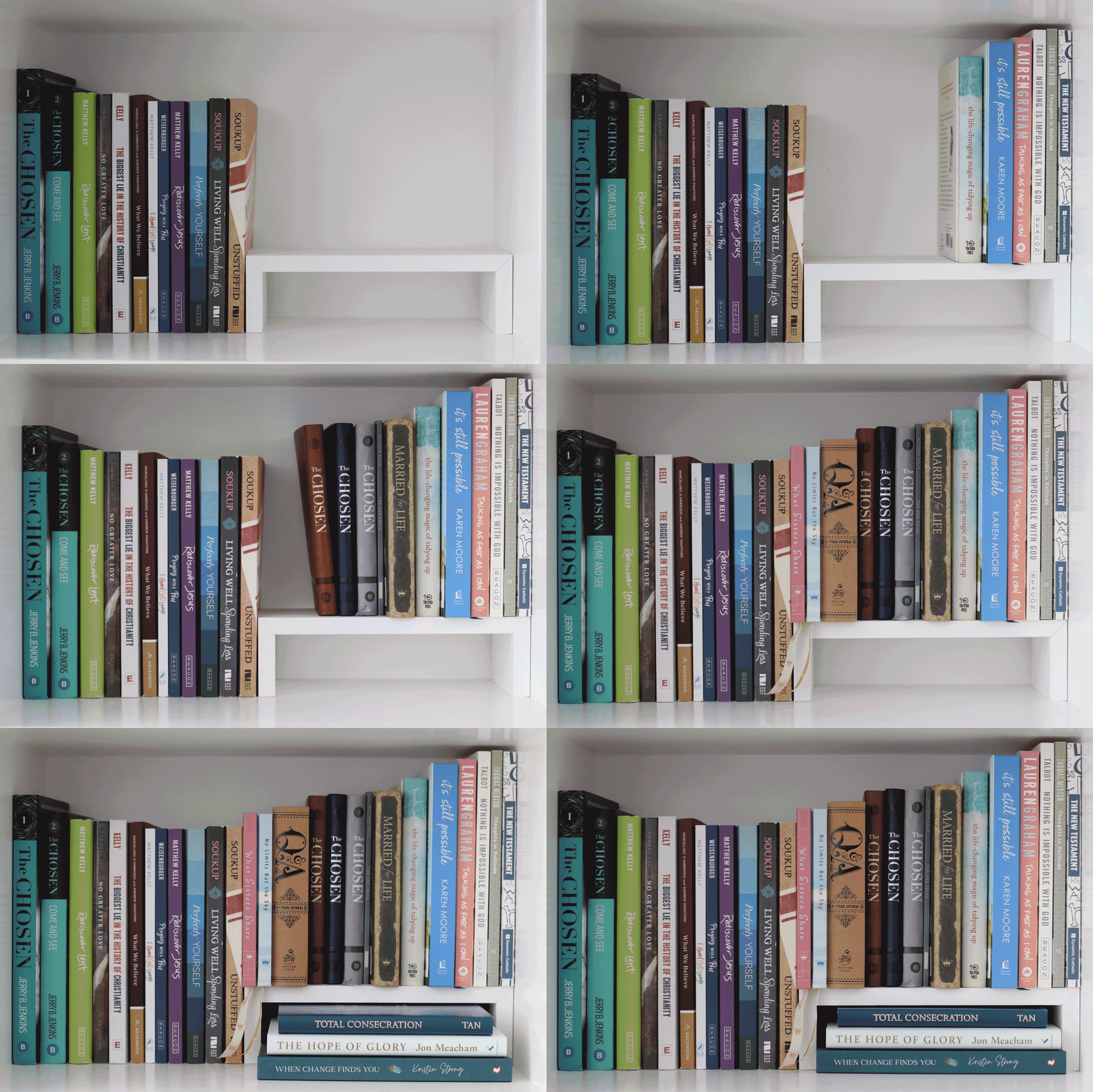
Credit: www.neathousesweethome.com
Utilize Lighting
Lighting can change how your bookshelf looks and feels. It makes your books stand out and creates a cozy space. Good lighting helps you find books easily and shows off your favorite covers. It also adds a warm and inviting glow to your room.
Install Led Strips
LED strips are thin and easy to place on shelves. They shine light evenly across your books. Choose warm white LEDs for a soft, welcoming feel. Attach the strips under each shelf for smooth lighting. LED strips use little energy and last a long time. They help highlight your collection without harsh shadows.
Place Spotlights Strategically
Spotlights focus light on special books or decorations. Aim them at key areas to draw attention. Use adjustable spotlights for more control over light direction. Position spotlights to avoid glare or reflections on book covers. These lights add depth and interest to your shelf display. They create a gallery-like effect that looks neat and tidy.
Maintain Balance And Symmetry
Maintaining balance and symmetry on your bookshelf creates a neat and pleasing look. It helps your books stand out and keeps the shelf stable. A well-arranged shelf feels organized and inviting. Simple steps can make a big difference in how your books display.
Distribute Weight Evenly
Place heavier books on lower shelves to avoid tipping. Spread large books across the shelf for even support. Avoid stacking all heavy items on one side. This keeps the shelf steady and safe. Light books can fill gaps without adding too much weight.
Create Symmetrical Arrangements
Arrange books in pairs or groups that mirror each other. Match book heights or colors to form balanced clusters. Symmetry brings order and calm to the display. Use bookends or decorative items to enhance symmetry. This draws the eye and makes the shelf look tidy.

Credit: www.thebookfamilyrogerson.com
Rotate And Refresh Displays
Rotating and refreshing your bookshelf display keeps your collection lively and interesting. Changing the arrangement often invites you to rediscover old favorites and showcase new finds. This simple habit prevents your shelf from looking cluttered or boring.
Try to update your display every few weeks. It makes your space feel fresh and reflects your current interests. Plus, it helps organize books by themes or moods, making selection easier.
Seasonal Book Themes
Create displays based on seasons or holidays. For example, show cozy winter reads during cold months. In spring, feature books about growth or nature. This approach adds mood and relevance to your shelf.
Seasonal themes also encourage variety. Swap books out to match the season’s feel. It makes your shelf a small celebration of time and place.
Feature New Or Favorite Titles
Highlight new arrivals or beloved books in prime spots. Place them front-facing or on top shelves. This draws attention and invites others to explore these picks.
Changing featured books keeps your shelf dynamic. It also reminds you of stories that matter most. Rotating favorites and new finds gives each book its moment to shine.
Credit: www.sarah-montgomery.com
Frequently Asked Questions
How To Organize Books On A Bookshelf Effectively?
Organize books by genre, author, or color for easy access. Use vertical and horizontal stacking to save space. Keep frequently read books within reach. Add labels or dividers for better categorization. This method enhances both aesthetics and functionality.
What Are Creative Ways To Display Books On Shelves?
Mix books with decorative items like plants or frames. Arrange books by size or color for visual appeal. Use bookends to keep books upright and stylish. Rotate displays seasonally to refresh your bookshelf’s look. Creativity adds personality to your space.
How To Prevent Bookshelf Clutter With Many Books?
Limit the number of books per shelf to avoid overcrowding. Use baskets or bins for small items. Regularly declutter by donating unread books. Prioritize displaying favorites and essentials. Proper spacing improves both organization and appearance.
Can I Display Books Without Dusting Often?
Use glass-front cabinets or display cases to reduce dust. Position shelves away from open windows or vents. Regularly dust with microfiber cloths to keep books clean. Proper placement and cleaning habits minimize dust buildup.
Conclusion
Displaying books on a bookshelf can be simple and fun. Choose a style that fits your space and taste. Mix colors, sizes, and shapes for a lively look. Keep your favorite books easy to reach. Add small decorations to create interest.
Regularly tidy your shelf to keep it neat. A well-arranged bookshelf makes your room feel warm. Enjoy your books and the space they create.

