If you have a bookshelf that feels a bit wobbly or you worry it might tip over, you’re not alone. Securing your bookshelf to the wall is one of the easiest and smartest ways to keep your space safe and organized.
In this guide, you’ll discover simple steps to fasten your bookshelf firmly, even if you’re not a DIY expert. By the time you finish reading, you’ll have the confidence to protect your books, your valuables, and most importantly, yourself and your loved ones.
Ready to make your bookshelf rock solid? Let’s get started!
Credit: www.youtube.com
Choosing The Right Tools
Choosing the right tools is the first step to safely and securely fasten a bookshelf to a wall. Using proper tools makes the task easier and ensures the bookshelf stays in place. This guide helps you pick tools that fit the job and keep you safe.
Essential Tools List
You need a drill to make holes in the wall. A screwdriver helps tighten screws firmly. A stud finder locates strong wall spots to hold the shelf weight. A level keeps the shelf straight and balanced. A tape measure measures the correct height and distance. Anchors and screws must match the wall type and shelf size.
Safety Gear To Use
Wear safety glasses to protect your eyes from dust and debris. Use gloves to keep your hands safe from sharp edges and tools. A dust mask stops you from breathing in wall dust. Ear protection reduces noise from drilling. Always check your tools are in good shape before starting.

Credit: space-plug.com
Selecting The Proper Wall Anchors
Selecting the proper wall anchors is key to securing your bookshelf safely. The right anchors support the weight and keep the shelf steady. Using wrong anchors can cause the shelf to fall. This section explains types of wall anchors and how to match them to your wall.
Types Of Wall Anchors
Plastic expansion anchors work well for lightweight shelves. They expand inside the wall as you tighten the screw. Toggle bolts are strong and fit hollow walls. These anchors spread the load over a larger area. Molly bolts are metal anchors that open inside the wall. They provide good support for medium-weight shelves. Self-drilling anchors screw directly into drywall. They are quick to install and hold moderate weight.
Matching Anchors To Wall Material
Drywall needs anchors like toggle bolts or molly bolts. These hold tight in hollow spaces behind drywall. Concrete or brick walls require masonry anchors. These anchors have special designs to grip hard surfaces. Plaster walls are fragile; use anchors that expand gently. Wood studs provide the best support. Screwing directly into studs means no extra anchors needed.
Preparing The Bookshelf And Wall
Preparing the bookshelf and wall is an important step before fastening them together. It ensures safety and stability for your furniture. Taking time to prepare will make the process easier and more secure.
Start by understanding the wall structure and the points where the bookshelf will attach. Proper preparation prevents damage to the wall and the bookshelf. It also helps the bookshelf stay in place for a long time.
Locating Studs
Studs are the wooden beams behind drywall that support the wall. Fastening the bookshelf into studs gives it strong support. Use a stud finder tool to locate these beams quickly and accurately.
Move the stud finder slowly across the wall. Mark the edges where the stud starts and ends. This will help you find the center of the stud. Drill or screw only into the center for best hold.
Marking Attachment Points
Mark the points on the bookshelf where it will attach to the wall. Align these points with the stud marks on the wall. Use a pencil to make clear marks on both surfaces.
Check the height and level of the bookshelf marks. Make sure the bookshelf will stand straight and balanced. Accurate marking helps avoid mistakes during installation.
Mounting The Brackets
Mounting the brackets is a key step in securing your bookshelf to the wall. Properly installed brackets keep the shelf steady and prevent accidents. This process needs care and precision. Follow the steps carefully to ensure safety and stability.
Positioning Brackets On The Wall
Start by finding the right spot on the wall for the brackets. Use a stud finder to locate wall studs. Brackets must be attached to studs for strong support. Mark the positions with a pencil. Measure the height carefully to keep the shelf level. Use a spirit level to check the marks. Place the brackets at equal distances from the floor. This helps balance the shelf weight evenly.
Securing Brackets To The Bookshelf
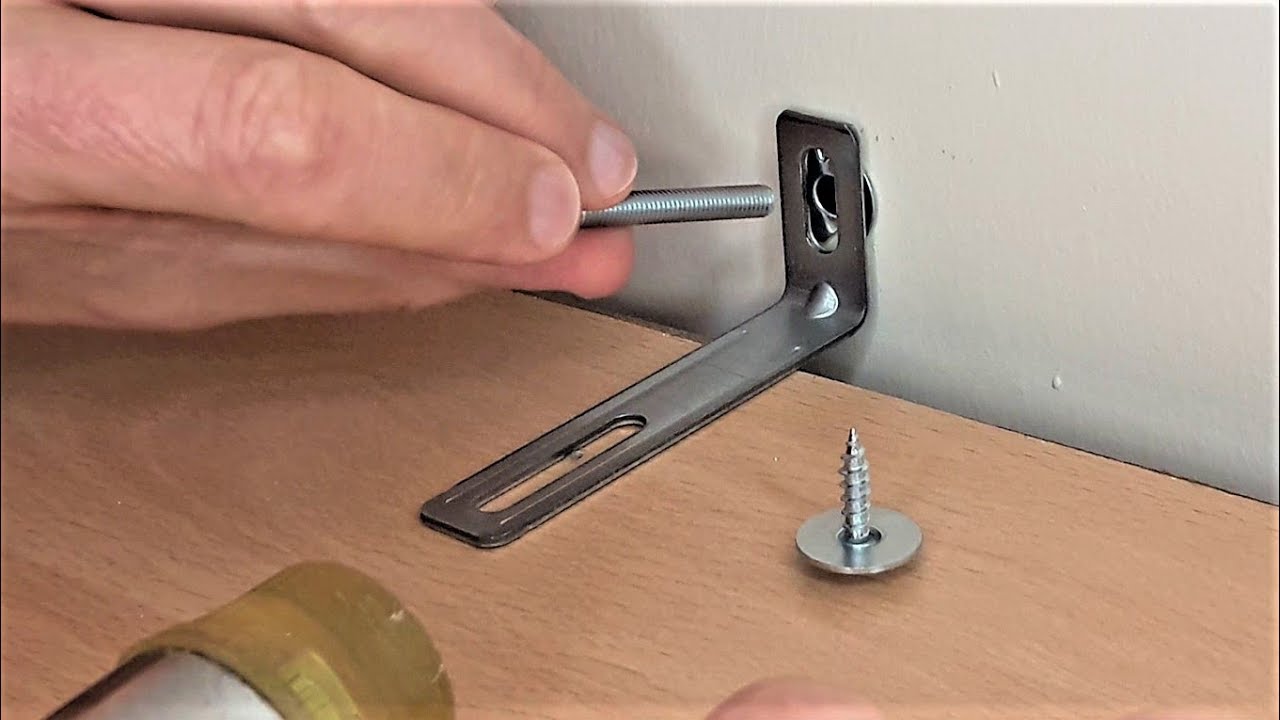
Next, attach the brackets to the bookshelf. Align the bracket holes with the shelf edges. Use screws that fit well with your bracket and shelf material. Tighten screws firmly but avoid over-tightening. Over-tightening can damage the wood. Double-check that the brackets are flush against the shelf. This makes the whole setup stronger and safer.
Attaching The Bookshelf To The Wall
Attaching the bookshelf to the wall is a key step for safety and stability. It stops the shelf from tipping over. This is especially important in homes with children or pets. A secured bookshelf holds your books and items safely.
Aligning The Bookshelf
Start by placing the bookshelf against the wall. Use a level to make sure it stands straight. Check that the top and sides are even. Mark the wall through the mounting holes on the bookshelf. These marks guide where to drill.
Fastening With Screws
Use screws that fit your wall type. For drywall, use anchors to hold the screws firmly. Drill holes at the marked spots. Insert anchors if needed. Then, screw the bookshelf brackets or straps tightly into the wall. Double-check the shelf is stable and secure.
Testing Stability And Safety
After fastening your bookshelf to the wall, checking its stability is very important. This step ensures the shelf stays safe and secure. A stable bookshelf prevents accidents and protects your belongings.
Testing stability involves gently pushing and pulling the bookshelf. Watch for any signs of movement or wobbling. If the shelf moves, it needs adjustment to stay firmly in place.
Checking For Movement
Stand in front of the bookshelf and push it lightly from different sides. Try to feel any shaking or shifting. Look closely at the points where the shelf meets the wall. Any gaps or looseness means the bookshelf is not fully stable.
Also, check if the screws or brackets feel tight. Loose screws can cause the shelf to move. Tighten them slightly if needed and test again. Repeat until the bookshelf does not move at all.
Adjusting If Necessary
Adjust the brackets or screws if you detect any movement. Use a screwdriver to tighten all fasteners securely. Make sure the shelf is flush against the wall without gaps.
If the shelf still moves, consider adding extra brackets. More support points help keep the shelf steady. Check the wall anchors as well; replace weak ones with stronger anchors for better grip.
Once adjustments are complete, test the shelf again for stability. A firm shelf keeps your books safe and your space secure.
Tips For Long-term Maintenance
Keeping your bookshelf secure over time is important for safety and durability. Proper maintenance helps prevent accidents and damage. Simple care steps can extend the life of your bookshelf and keep it stable against the wall.
Regular Inspections
Check the wall brackets and screws every few months. Look for any signs of loosening or rust. Tighten screws if they feel loose. Inspect the wall itself for cracks or damage near the fasteners. Early detection stops bigger problems later.
Handling Heavy Loads Safely
Do not overload your bookshelf beyond its limit. Spread books and items evenly across the shelves. Place heavier items on lower shelves to reduce stress. Avoid pushing or pulling the bookshelf from the top. Proper loading helps keep the bookshelf firmly attached and balanced.

Credit: www.reddit.com
Frequently Asked Questions
How Do I Find Studs To Fasten A Bookshelf?
Use a stud finder to locate wooden studs behind drywall. Mark the stud positions with a pencil. Studs provide secure anchoring points for heavy bookshelves. Avoid fastening only to drywall, as it may not support weight properly.
What Tools Are Needed To Fasten A Bookshelf?
You need a drill, screws, wall anchors, a stud finder, and a level. These tools ensure the bookshelf is securely and evenly fastened to the wall. Proper tools prevent damage and increase stability.
Can I Fasten A Bookshelf Without Studs?
Yes, by using heavy-duty wall anchors designed for drywall. However, this is less secure than fastening to studs. For safety, especially with heavy bookshelves, always prefer stud mounting.
What Screw Length Is Best For Wall Fastening?
Use screws at least 2. 5 to 3 inches long for a strong hold. The screw should penetrate the stud by at least 1. 5 inches. This length ensures the bookshelf is firmly attached.
Conclusion
Securing your bookshelf to the wall keeps it safe and steady. Use the right tools and follow each step carefully. Check that the anchors fit your wall type well. Tighten screws firmly but gently to avoid damage. A fastened bookshelf helps prevent accidents at home.
Take your time and be patient during the process. This simple task improves both safety and room organization. Now, enjoy your stable shelf with confidence and peace of mind.