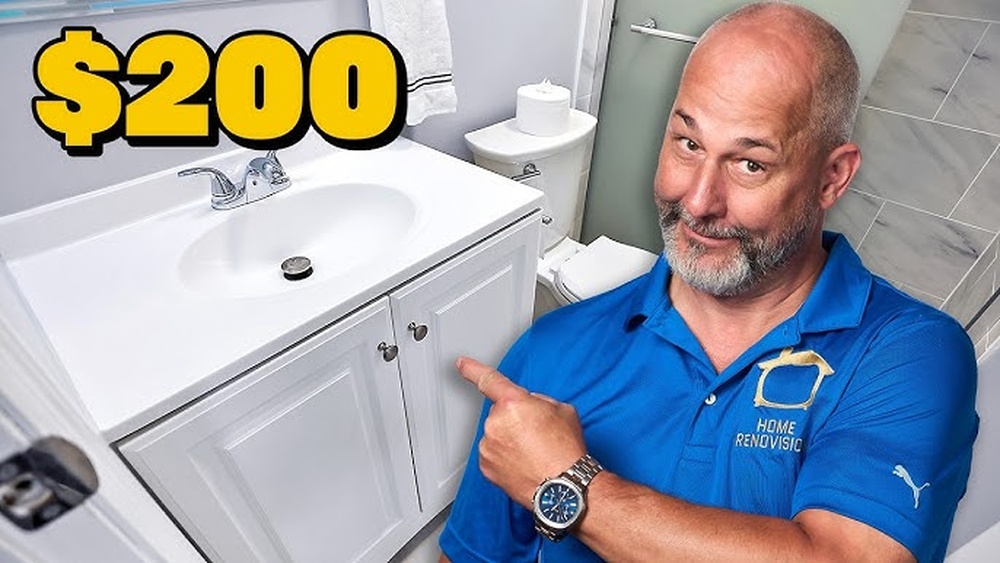
Are you ready to upgrade your bathroom without spending a fortune? Installing a bathroom vanity cabinet yourself can save you money and give your space a fresh, new look.
But where do you start? This step-by-step video guide will walk you through the entire process, making it simple and stress-free. By the end, you’ll have the confidence to transform your bathroom with ease. Keep reading and watch the video to discover how you can take control of your home improvement project right now.

Credit: www.youtube.com
Choosing The Right Vanity
Choosing the right bathroom vanity cabinet is key to a great bathroom update. The vanity sets the style and supports your daily routine. Picking the best one means thinking about size, style, and storage. These points help you find a vanity that fits your space and needs perfectly.
Measuring Your Space
Start by measuring your bathroom space carefully. Measure the width, height, and depth where the vanity will go. Check for any pipes or outlets that might affect the fit. Write down all measurements. This step ensures the vanity fits well and leaves enough room to move.
Selecting Materials And Style
Choose materials that last in humid bathroom conditions. Solid wood, plywood, or MDF with water-resistant finish work well. Pick a style that matches your bathroom’s look. Modern, classic, or rustic styles each bring a different feel. Think about colors and shapes that suit your taste.
Considering Storage Needs
Think about what you store in your bathroom. Drawers and shelves keep items organized and easy to find. Larger families may need more storage space. Small bathrooms benefit from compact vanities with smart storage solutions. Good storage keeps your bathroom neat and tidy.
Gathering Tools And Materials
Before starting the installation of a bathroom vanity cabinet, gather all necessary tools and materials. This step saves time and avoids interruptions. Having everything ready makes the process smooth and safer. Here is a guide to help you prepare.
Essential Tools List
- Measuring tape for accurate dimensions
- Level to ensure the cabinet is straight
- Electric drill for screws and anchors
- Screwdriver set for different screw types
- Adjustable wrench for plumbing connections
- Stud finder to locate wall studs
- Caulk gun for sealing edges
- Utility knife for trimming materials
- Safety glasses to protect your eyes
- Work gloves for hand protection
Vanity Components Checklist
- Vanity cabinet with doors and shelves
- Sink basin that fits the cabinet top
- Faucet set including handles and spout
- Drain assembly and plumbing pipes
- Mounting hardware such as brackets and screws
- Countertop, if not included with cabinet
- Water supply lines for hot and cold water
- Silicone sealant for waterproofing edges
Preparing The Area
Preparing the area is the first step to install a bathroom vanity cabinet. A clean and ready space makes the installation easier and safer. It helps avoid problems later in the project. Follow these simple steps to prepare your bathroom properly.
Removing Old Vanity
Start by turning off the water supply. Disconnect the plumbing pipes carefully. Use a wrench to loosen the nuts. Remove the old vanity by unscrewing it from the wall. Take out any debris or old caulk. This clears the space for the new cabinet.
Cleaning And Repairing Walls
Clean the wall surface thoroughly. Remove dust, dirt, and old paint chips. Check for any damage like holes or cracks. Fill holes with spackle or wall filler. Sand the area smooth once dry. A smooth wall helps the new vanity sit firmly.
Checking Plumbing And Electrical
Inspect plumbing pipes for leaks or damage. Make sure pipes are secure and in good condition. Check electrical outlets near the vanity area. Ensure they work and meet safety codes. Fix any issues before starting the installation.

Credit: www.wikihow.com
Assembling The Vanity
Assembling the vanity is a key step in installing your bathroom cabinet. This process involves putting together various parts into one sturdy unit. Taking time to assemble correctly ensures a strong and durable vanity. Follow clear steps for best results.
Following Manufacturer Instructions
Start by reading the instructions from the manufacturer carefully. Each vanity model has specific details and parts. Use the list of tools and parts provided. Lay out all the pieces on a clean surface. Follow steps in order without skipping. Check for any missing or damaged parts before starting. This helps avoid mistakes and delays.
Attaching Cabinet Doors And Drawers
Next, attach the cabinet doors and drawers to the frame. Align hinges properly with the pre-drilled holes. Use a screwdriver to secure screws tightly but avoid overtightening. Test each door and drawer to open and close smoothly. Adjust hinges if doors do not fit well. Add handles or knobs last to complete the look.
Installing The Vanity Cabinet
Installing the vanity cabinet is a key step in your bathroom makeover. This part sets the base for your sink and countertop. Proper installation keeps the cabinet sturdy and looks great. Follow each step carefully for the best results.
Positioning And Leveling
Start by placing the cabinet in its spot. Check that it fits well against the wall. Use a level tool to make sure the cabinet is straight. Adjust the feet or add shims if the floor is uneven. A level cabinet prevents problems later with the sink and countertop.
Securing To Wall Studs
Find the wall studs behind the cabinet location. Use a stud finder for accuracy. Screw the cabinet into the studs to keep it secure. Use long screws that go deep into the wood. This step stops the cabinet from moving or tipping over.
Sealing And Caulking Edges
Apply a bead of caulk around the edges where the cabinet meets the wall. This seals out water and dust. Smooth the caulk with your finger or a tool for a clean finish. Sealing protects the cabinet and keeps your bathroom tidy.

Credit: atanahaeventcenter.com
Connecting Plumbing Fixtures
Connecting plumbing fixtures is a key step in installing your bathroom vanity cabinet. This process makes sure water flows properly to your sink and drains away. Proper connections help avoid leaks and water damage. Pay close attention to each part as you connect them.
Installing Faucet And Sink
Place the faucet on the sink holes. Secure it with nuts under the sink. Use plumber’s putty or silicone to seal around the faucet base. This stops water from leaking under the sink. Attach the sink to the vanity top. Tighten the clips or screws to hold it firmly.
Attaching Water Supply Lines
Connect the hot and cold water supply lines to the faucet. Use a wrench to tighten the fittings but do not over-tighten. Attach the other end to the wall valves. Make sure each line matches the correct valve: hot to hot, cold to cold. Check the connections for a snug fit.
Checking For Leaks
Turn on the water supply valves slowly. Watch all connections closely for drips or leaks. Tighten any loose fittings carefully. Run water through the faucet and sink drain. Confirm no water escapes from any joint. Fix any leaks before finishing your vanity installation.
Final Touches
The final touches complete your bathroom vanity cabinet installation. These small steps make your new vanity look perfect and work smoothly. Take time to adjust doors and drawers for easy use. Clean the surface well to show off its beauty. Add simple decorative elements to match your bathroom style. These steps bring the whole project together.
Adjusting Doors And Drawers
Check all doors and drawers for smooth opening and closing. Tighten or loosen screws on the hinges if needed. Align doors so they sit evenly without gaps. Make sure drawers slide in and out without sticking. Proper adjustment keeps your vanity functional and neat.
Cleaning The Vanity Surface
Wipe down the entire vanity surface with a soft cloth. Use mild soap and water to remove dust and grime. Avoid harsh chemicals that can damage the finish. Dry the surface completely to prevent water spots. A clean vanity surface highlights your hard work.
Adding Decorative Elements
Choose simple accessories to enhance the vanity’s look. Place a small vase or candle on the countertop. Add a stylish soap dispenser or matching towels nearby. Keep decorations minimal to avoid clutter. These touches add warmth and personality to your bathroom.
Troubleshooting Common Issues
Troubleshooting common problems helps your bathroom vanity cabinet last longer. Small issues can stop big problems. Fixing them early saves time and money. Below are simple solutions to frequent issues during installation.
Fixing Uneven Cabinets
Uneven cabinets look bad and cause doors to stick. Check the floor first. Use a level tool to find high or low spots. Add shims under the cabinet base to balance it. Tighten screws slowly while watching the level. Keep adjusting shims until the cabinet sits flat and steady.
Handling Plumbing Leaks
Leaks waste water and damage wood. Turn off water before working on pipes. Check all pipe connections under the sink. Tighten loose joints with a wrench. Use plumber’s tape around threads to stop leaks. If leaks continue, replace old or cracked pipes. Test by running water and watching for drips.
Dealing With Loose Fixtures
Loose handles or faucets can cause accidents. Tighten screws or nuts holding fixtures in place. Use a screwdriver or wrench depending on the fixture. If screws don’t hold, try a bigger size or a wall anchor. Make sure fixtures sit flush against the cabinet or wall. Check stability by gently pulling on each fixture.
Frequently Asked Questions
What Tools Are Needed To Install A Bathroom Vanity Cabinet?
You need a drill, screwdriver, level, tape measure, stud finder, and adjustable wrench. These tools help secure the cabinet, align it properly, and connect plumbing efficiently.
How Do I Prepare The Wall For A Vanity Cabinet?
Remove old fixtures and clean the wall surface. Locate and mark studs for mounting. Ensure plumbing connections are accessible and in good condition before installation.
How Do I Level A Bathroom Vanity Cabinet Correctly?
Use a spirit level on the cabinet’s top surface. Adjust the cabinet feet or shim the base until it is perfectly level to prevent water pooling and ensure proper door alignment.
How Long Does It Take To Install A Bathroom Vanity Cabinet?
Installation usually takes 2 to 4 hours depending on experience. Time varies with cabinet size, plumbing complexity, and wall preparation required.
Conclusion
Installing a bathroom vanity cabinet can be simple and quick. Follow the steps carefully and take your time. Measure twice, cut once, and check all connections. Use the right tools for a safe fit. A well-installed vanity adds style and storage to your bathroom.
You can enjoy a neat, fresh space every day. Keep practicing to improve your skills. Soon, this task will feel easy and rewarding. Start your project with confidence and enjoy the results.