Choosing the right screws for your vanity medicine cabinet might seem like a small detail, but it can make all the difference in keeping your cabinet secure and safe. If you’ve ever struggled with loose doors or worried about your cabinet falling off the wall, you’re not alone.
Using the wrong screws can cause damage to your walls or make your cabinet unstable. You’ll learn exactly which types of screws work best for different wall materials and cabinet styles. By the time you finish reading, you’ll feel confident that your vanity medicine cabinet is installed perfectly and will stay that way for years to come.
Keep reading to discover the simple fix that protects your investment and your peace of mind.
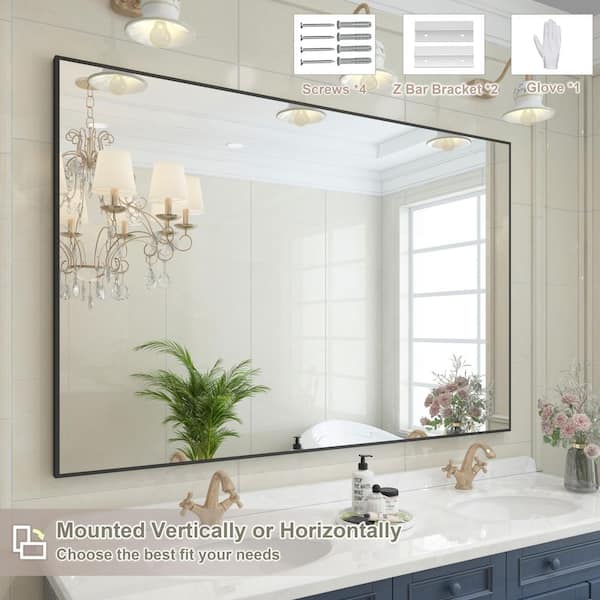
Credit: www.homedepot.com
Choosing Screws For Vanity Cabinets
Choosing the right screws for vanity cabinets is important for a strong, safe installation. Screws hold the cabinet securely on the wall. Using wrong screws can cause the cabinet to fall or get damaged. Knowing about screw materials, sizes, and thread types helps pick the best fit for your project.
Each screw feature affects how well it works with your cabinet. This guide explains key points to consider for a safe and sturdy vanity cabinet installation.
Material Options
Screws come in many materials like steel, brass, and stainless steel. Steel screws are strong and affordable. Brass screws resist rust but are softer. Stainless steel screws resist rust and last long. In bathrooms, avoid screws that rust easily. Stainless steel is best for damp areas.
Screw Length And Thickness
Length matters for strong attachment. Screws must go deep into wall studs. Too short screws hold weakly. Too long screws may damage pipes or wires. Thickness or gauge affects strength. Thicker screws hold better but need bigger holes. Choose length and thickness based on cabinet weight and wall type.
Thread Types
Threads grip into wood or drywall. Coarse threads work well with soft wood and drywall. Fine threads fit better in hard wood. Some screws have self-drilling tips for easier use. Choose threads based on wall material and cabinet frame. Proper threads prevent loosening over time.

Credit: www.amazon.com
Factors Affecting Screw Selection
Choosing the right screws for your vanity medicine cabinet is important for safety and durability. Several factors affect which screws will work best. Understanding these factors helps pick screws that hold well and last long. The three key points to consider are wall material, weight support, and moisture resistance.
Wall Material Compatibility
The type of wall changes the screw choice. Drywall needs different screws than wood or concrete. For drywall, use anchors with screws for a strong hold. Wood walls work well with wood screws. Concrete or brick walls require masonry screws or anchors. Matching screws to the wall material prevents damage and keeps the cabinet secure.
Weight Support Requirements
The cabinet’s weight affects screw size and type. Heavy cabinets need stronger, thicker screws. Small screws may bend or pull out under weight. Use screws with proper length to reach studs or anchors. Check the cabinet’s weight before choosing screws. This avoids accidents and keeps your cabinet steady.
Moisture Resistance
Bathrooms are humid, so moisture matters. Screws can rust and weaken over time. Stainless steel or coated screws resist rust well. Avoid plain steel screws as they corrode quickly. Moisture-resistant screws keep your cabinet safe and looking good. Choose screws that handle damp bathroom air easily.
Common Screw Types For Medicine Cabinets
Screws play a key role in securing a vanity medicine cabinet safely to your wall. Choosing the right type of screw ensures stability and prevents damage. Different walls and cabinet materials require different screws. Understanding common screw types helps you select the best one for your project.
Wood Screws
Wood screws are ideal for cabinets mounted on wooden studs. They have sharp threads that grip wood firmly. These screws come in various lengths and thicknesses. Use wood screws to attach the cabinet frame directly to wood studs. This creates a strong and lasting hold.
Sheet Metal Screws
Sheet metal screws work well for metal studs or thin metal surfaces. They have pointed tips and fine threads. These screws cut into metal easily without needing a pilot hole. Choose sheet metal screws for cabinets mounted on metal framing or thin metal panels.
Masonry Screws
Masonry screws are best for mounting on brick, concrete, or stone walls. They have special threads that bite into hard masonry surfaces. Masonry screws often require a drilled hole before insertion. Use these screws with anchors for a secure hold on masonry walls.
Installation Tips For Secure Mounting
Mounting a vanity medicine cabinet securely is essential for safety and durability. Choosing the right screws is just one part of the process. Proper installation techniques ensure the cabinet stays firmly on the wall. Follow these tips to install your cabinet with confidence and precision.
Using Anchors
Anchors provide extra support for screws in drywall or plaster. They prevent screws from pulling out over time. Use plastic or metal anchors rated for the cabinet’s weight. Insert anchors before driving screws to avoid wall damage. Anchors help keep your cabinet stable and safe.
Pre-drilling Holes
Pre-drilling holes makes screw insertion easier and prevents wood splitting. Use a drill bit slightly smaller than the screw diameter. Drill straight holes through the cabinet and into the wall studs or anchors. Pre-drilling saves effort and protects your materials during installation.
Ensuring Level Placement
Level placement avoids crooked cabinets that look unprofessional. Use a spirit level to check the cabinet’s alignment before securing screws. Adjust the cabinet position until it is perfectly horizontal. Tighten screws evenly to maintain the level position. A level cabinet improves both function and appearance.
Avoiding Common Mistakes
Installing a vanity medicine cabinet needs care and the right screws. Mistakes can cause damage or make the cabinet unsafe. Knowing what to avoid helps you do the job right the first time.
Over-tightening Screws
Turning screws too hard can crack the cabinet or wall. It can also strip the screw holes. Tighten screws just enough to hold the cabinet firmly. Stop when you feel strong resistance.
Ignoring Wall Studs
Wall studs give strong support for heavy cabinets. Screwing only into drywall is weak and risky. Always find studs before drilling. Use a stud finder or tap the wall to locate them.
Choosing Incorrect Screw Size
Screws too short won’t hold the cabinet well. Screws too long might damage pipes or wires inside the wall. Pick screws that match the cabinet thickness and wall type. Check the package for size and material info.
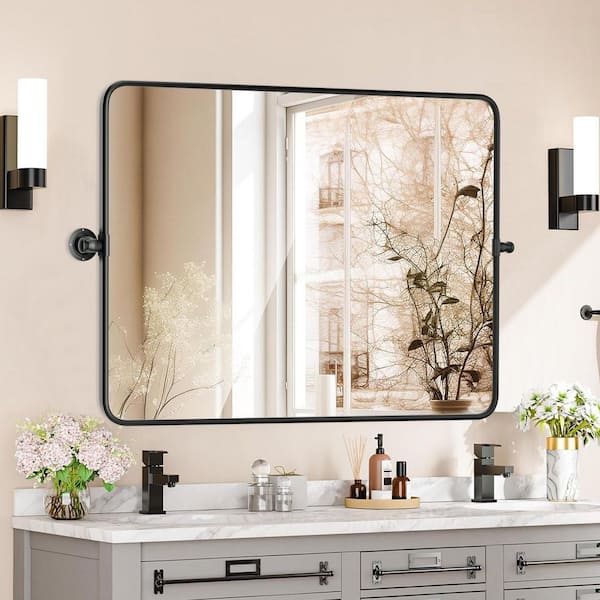
Credit: www.homedepot.com
Frequently Asked Questions
What Screws Are Best For Vanity Medicine Cabinets?
Use corrosion-resistant screws like stainless steel or brass. These prevent rust in humid bathroom environments. Choose screws matching cabinet weight and wall type for secure installation.
How Long Should Screws Be For Medicine Cabinets?
Screws should be at least 1. 5 to 2 inches long. This length ensures they anchor firmly into wall studs or drywall anchors. Proper length prevents the cabinet from loosening over time.
Can Drywall Screws Support A Vanity Medicine Cabinet?
Drywall screws alone are not strong enough. Use them with wall anchors or attach screws directly into wall studs. This provides the necessary support to hold the cabinet safely.
Should I Use Wood Screws Or Metal Screws For Installation?
Wood screws are ideal when mounting into wooden studs. Metal screws suit metal studs or brackets. Choose screws designed for the material behind the wall for a sturdy fit.
Conclusion
Choosing the right screws keeps your medicine cabinet safe and steady. Use screws that fit the wall type and cabinet weight. Wood screws work well for wooden studs. For drywall, use anchors with screws to hold the weight. Always pick rust-resistant screws to avoid damage over time.
Proper screws make installation easier and keep your cabinet secure. This small step protects your bathroom investment. Simple but important.