Is your bunk bed feeling wobbly or unsafe because of broken lats? You’re not alone, and the good news is, fixing them doesn’t have to be complicated or expensive.
Imagine restoring your bunk bed’s strength quickly, so it’s safe for your kids to sleep soundly again. In this guide, you’ll discover simple, step-by-step solutions to repair those broken lats and bring your bunk bed back to life. Keep reading—your bed’s stability and your peace of mind are just a few easy fixes away.

Credit: www.amazon.com
Identify The Damage
Identifying the damage is the first step to fixing broken lats of a bunk bed. You must carefully check the bed to find all problems. This helps you know what needs repair or replacement. A clear view of the damage saves time and effort later.
Check For Visible Cracks
Look closely at each lat for cracks or splits. Use good light to see small cracks. Cracks weaken the wood and can cause accidents. Mark any cracked parts so you can fix or change them.
Assess Loose Or Missing Hardware
Check screws, bolts, and brackets on the lats. Tighten any loose pieces to make the bed stronger. Missing hardware parts must be replaced to keep the bed safe. Keep a list of what you need before starting repairs.
Gently shake the bed to see if it feels wobbly. A stable bed does not move much. If it moves, find which part causes the problem. Unstable parts need fixing to avoid future breaks or falls.
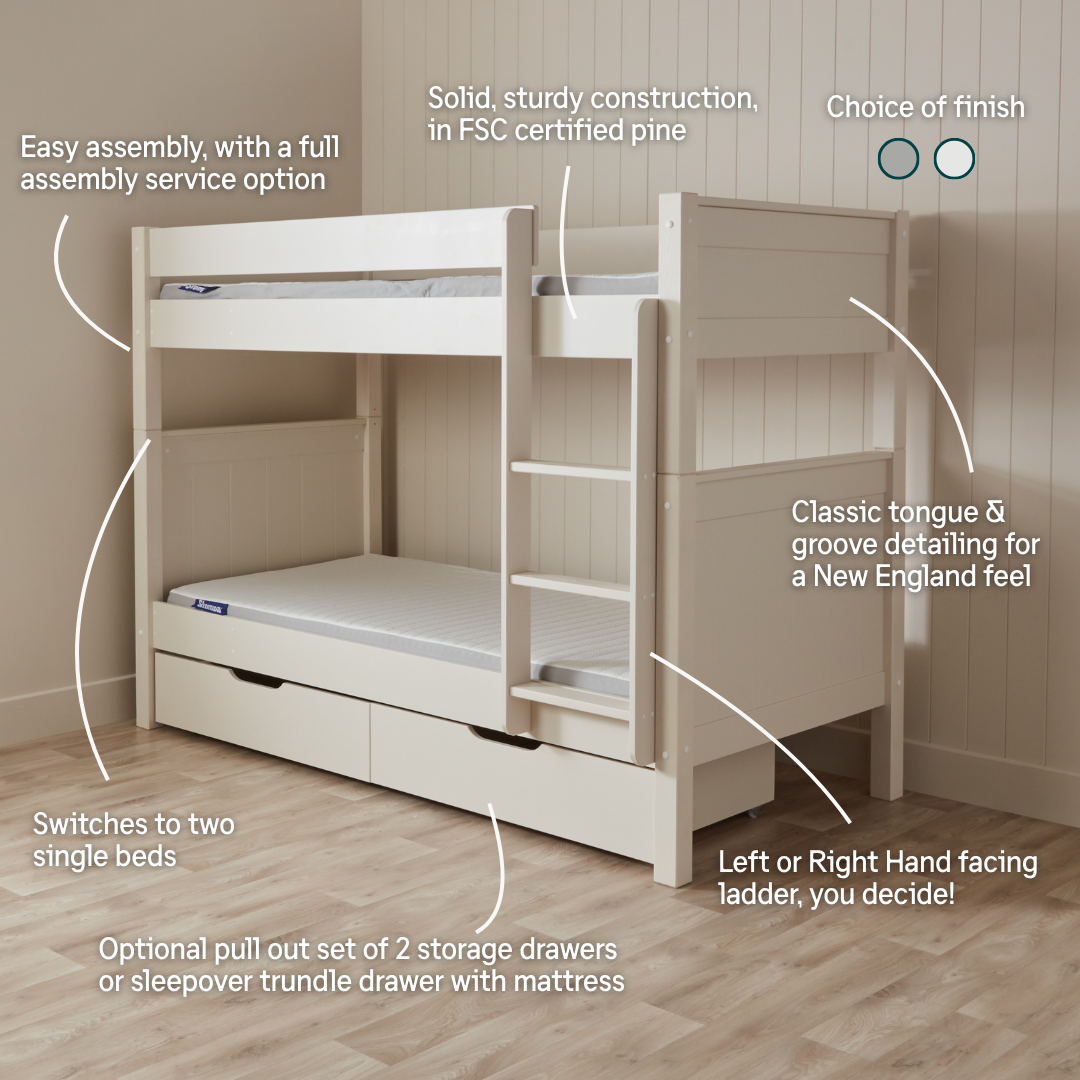
Credit: www.roomix.com
Gather Necessary Tools
Fixing broken lats of a bunk bed starts with gathering the right tools. Having proper tools makes the job easier and faster. It also ensures the repair is strong and safe. Preparing before repair saves time and avoids frustration.
Below is a list of tools needed and advice on choosing replacement parts for the repair.
List Of Repair Tools
Prepare these tools for fixing the bunk bed lats:
- Screwdriver set (flathead and Phillips)
- Hammer
- Wood glue
- Clamps
- Measuring tape
- Replacement screws or nails
- Sandpaper
- Drill (optional but helpful)
These tools cover most common repairs. Keep them nearby for easy access.
Choosing Replacement Parts
Select parts that match the original bunk bed materials. Use wood similar in type and thickness. Check for strong and durable quality wood. Avoid soft or weak pieces that may break again.
Buy screws or nails that fit the bed frame holes exactly. Using the right size keeps the lats secure. If unsure, take an old part to the store for comparison.
Replace broken or cracked lats only. Saving good parts keeps costs low. This approach improves the bed’s stability after repair.
Remove Damaged Lats
Preparing replacement lats for your bunk bed is an important step. The right preparation makes the repair strong and safe. You need to take precise steps to create lats that fit well. This part covers how to measure, cut, sand, and finish the wood. Follow these steps carefully to get good results.
Measure And Cut Wood
Start by measuring the broken lat carefully. Use a tape measure for exact length and width. Write down the measurements to avoid mistakes. Choose wood that matches the old lat in size and type. Mark the wood with a pencil according to your measurements. Use a saw to cut the wood along the marks. Cut slowly and steadily for a clean edge. Double-check the size after cutting to ensure accuracy.
Sand And Finish Edges
Sand the edges of the cut wood with sandpaper. Smooth edges prevent splinters and improve safety. Use medium-grit sandpaper first, then fine-grit for a polished finish. Wipe the wood surface to remove dust after sanding. Optionally, apply a wood finish or paint to protect the lat. Let the finish dry fully before installation. Well-prepared replacement lats will last longer and hold better.
Prepare Replacement Lats
Installing new lats is a key step in fixing broken lats on a bunk bed. It restores the bed’s support and safety. Choosing the right wood and cutting it to size is important. New lats should fit well and be strong enough for daily use.
Proper installation also helps prevent future damage. Follow simple steps to align and secure the lats. Adding reinforcements can make the bed even stronger. This ensures the bunk bed lasts longer and stays safe for kids.
Align And Secure Lats Properly
Start by placing the new lats in the correct position. Make sure they line up evenly along the bed frame. Use a measuring tape to check spacing between each lat. Even spacing supports the mattress better and feels stable.
Secure each lat with screws or nails. Drive fasteners straight and deep into the wood. Avoid loose or wobbly lats by tightening screws firmly. Use a drill to save time and get a tight fit.
Use Reinforcements For Extra Strength
Add wooden blocks or metal brackets under the lats for extra support. Attach these reinforcements at key points where pressure is highest. This helps the lats hold weight without bending or breaking.
Check that reinforcements do not block mattress space. Use strong materials that resist wear over time. Reinforced lats make the bunk bed safer and more durable for regular use.
Install New Lats
Testing bed stability is a key step after fixing broken lats on a bunk bed. It ensures the repairs hold strong. This step helps avoid accidents and gives peace of mind. Take time to check carefully and thoroughly.
Apply Weight Gradually
Start by pressing down gently on the bed frame. Add small amounts of weight slowly. This lets you see how the frame reacts. Avoid putting full weight right away. Gradual pressure helps find weak spots early.
Inspect For Movement Or Noise
Watch for any shaking or wobbling in the bed. Listen for creaks, cracks, or other noises. These signs mean the bed is not fully stable. Check all joints and repaired areas closely. Fix any issues before using the bed fully.
Tighten And Secure Hardware
Keeping the lats of your bunk bed in good shape helps the bed last longer. Strong lats support the mattress and prevent accidents. Regular care avoids costly repairs or replacements. A little effort now saves big trouble later.
Simple steps can keep the lats sturdy and safe. Check them often and treat small problems quickly. This keeps your bunk bed reliable for years.
Regular Inspections
Look closely at the lats every few weeks. Check for cracks, splits, or bending. Feel the wood for soft spots or weakness. Tighten any loose screws or bolts you find. Make sure the lats fit well in their slots. Catching issues early stops bigger damage.
Tips To Prevent Future Damage
Don’t overload the bunk bed beyond its weight limit. Avoid jumping or rough play on the bed. Keep the bed dry to stop wood from warping or rotting. Use mattress supports that match the bed size. Replace old or damaged lats right away. These steps keep lats strong and safe.

Credit: islandparkidaho.com
Frequently Asked Questions
How Do I Identify A Broken Lat On A Bunk Bed?
Look for visible cracks, bends, or loose screws on the lat. Test stability by applying gentle pressure. A broken lat may cause bed wobbling or uneven support.
What Tools Are Needed To Fix A Broken Bunk Bed Lat?
You will need a screwdriver, wood glue, clamps, replacement lats or wooden planks, sandpaper, and screws. These tools help secure and reinforce the broken part efficiently.
Can I Repair A Broken Lat Without Replacement Parts?
Yes, minor cracks can be fixed with wood glue and clamps. For larger damage, using replacement parts ensures safety and durability. Avoid temporary fixes if the lat is severely damaged.
How Long Does It Take To Fix A Broken Bunk Bed Lat?
Typically, repairs take 30 minutes to 1 hour depending on damage severity. Drying time for glue may add extra hours before use. Quick fixes improve safety promptly.
Conclusion
Fixing broken lats on a bunk bed is easier than it seems. Use the right tools and follow safe steps. Check for any loose screws or cracks before starting. Tighten or replace parts to make the bed strong again. A sturdy bunk bed keeps everyone safe and comfortable.
Regularly inspect your bed to avoid future damage. Taking care of small problems early saves time and money. Your bunk bed can last longer with simple repairs. Stay safe and enjoy a stable sleeping space every night.