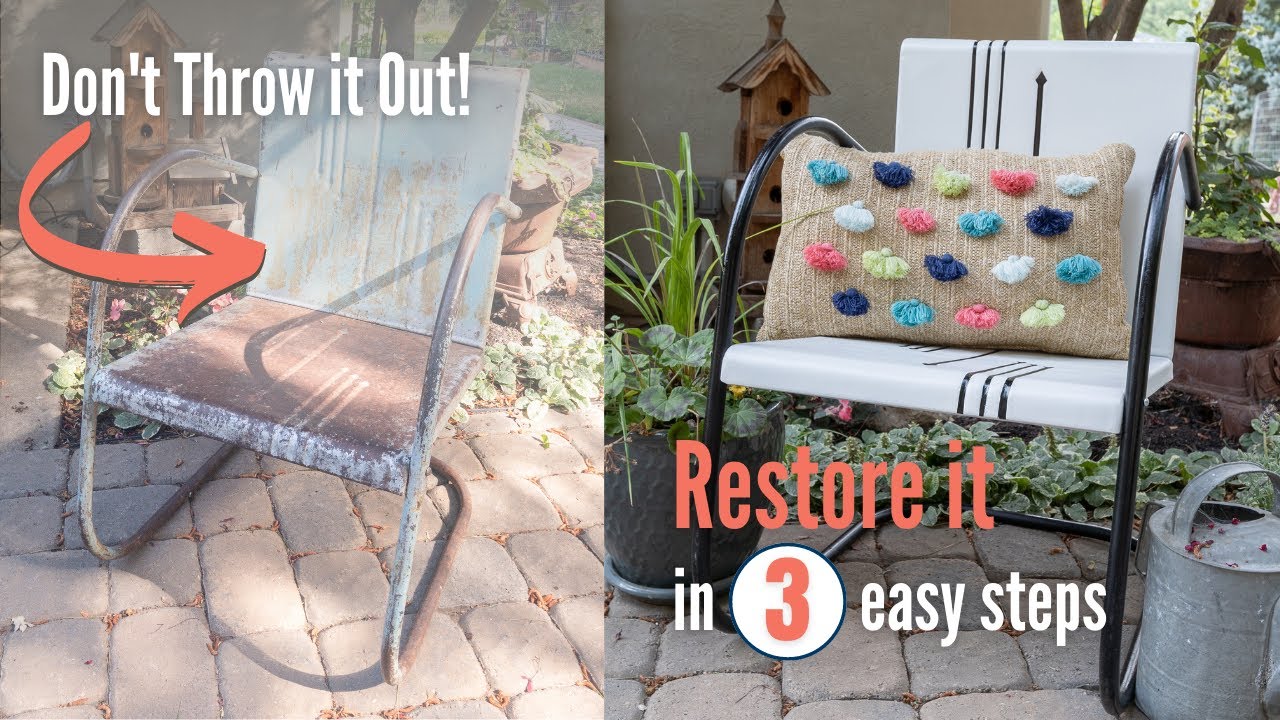
Is your outdoor furniture looking rusty and worn out? You might feel like tossing it out, but hold on!
Rust doesn’t have to be the end of the road for your favorite chairs and tables. Imagine bringing back that fresh, clean look without spending a fortune. You’ll discover simple, effective ways to fix rusty outdoor furniture yourself. By the end, you’ll have the confidence to restore your pieces and enjoy your outdoor space again.
Ready to get started? Let’s dive in!
Identify Rust Types
Identifying the type of rust on your outdoor furniture is the first step to effective repair. Rust can vary in depth and damage. Knowing the difference helps choose the right cleaning and restoration method. This saves time and prevents further damage.
Surface Rust Vs Deep Rust
Surface rust looks like a thin, flaky layer on metal. It usually forms from brief exposure to moisture. This rust is easier to remove and often does not harm the metal underneath.
Deep rust, also called scale rust, goes beyond the surface. It causes pitting and weakens the metal’s structure. Repairing deep rust needs more effort and sometimes replacement of parts.
Tools For Inspection
Use a wire brush to scrape the rust gently. It reveals how thick the rust layer is. A screwdriver or small metal pick can test if metal underneath is soft or crumbly.
A flashlight helps see rust in small corners and hidden spots. Magnifying glass can show fine rust details. These simple tools help decide the best fixing approach.
Gather Essential Tools
Fixing rusty outdoor furniture starts with gathering the right tools. These tools make the job easier and safer. Preparing well helps you clean and restore the furniture quickly. Below are the essential items you need for this task.
Cleaning Supplies
Start with basic cleaning supplies. A stiff brush removes loose dirt and rust flakes. Use soap and water to wash the surface. A sponge or cloth helps wipe off grime. A bucket holds water and cleaning solution. These supplies prepare the furniture for rust removal.
Rust Removal Products
Select rust removal products made for outdoor metal. Chemical rust removers dissolve rust fast. Use rust converters to stop rust from spreading. Sandpaper or wire brushes remove tough rust spots. Choose products that fit your furniture’s material. Proper rust removal protects the metal underneath.
Protective Gear
Wear protective gear to stay safe. Gloves protect your hands from chemicals and sharp edges. Safety glasses shield your eyes from dust and splashes. A mask prevents inhaling dust or fumes. Dress in old clothes to avoid stains. Safety is key when handling rust and chemicals.
Clean The Furniture
Cleaning your rusty outdoor furniture is the first step to restore its look. Dirt and rust can hide under grime. Removing them makes fixing rust easier. It also helps paint or sealant stick better. Follow simple steps to clean well and prepare for rust removal.
Remove Dirt And Debris
Start by brushing off loose dirt and leaves. Use a soft broom or brush. Pay attention to corners and joints. They collect the most debris. Removing this dirt prevents scratches during scrubbing. It also exposes rust spots clearly. A clean surface means better rust treatment.
Soak And Scrub
Fill a bucket with warm water and mild soap. Use a sponge or cloth to soak the furniture. Let the water soften tough stains and rust. After soaking, scrub gently with a brush. Focus on rusty or stained areas. Rinse with clean water to remove soap. Dry the furniture with a cloth to avoid new rust.
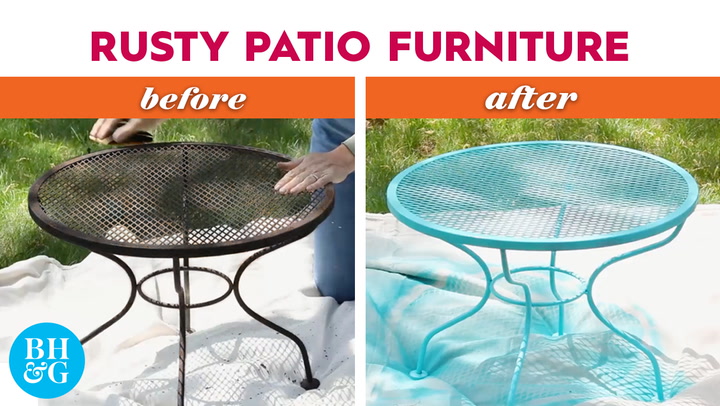
Credit: www.bhg.com
Remove Rust Effectively
Removing rust from outdoor furniture is important to keep it strong and good-looking. Rust can cause damage if left untreated. The right method makes the job easier and more effective.
Choose a method based on how much rust you see and what tools you have. Each way has its own benefits and works well in different situations.
Using Sandpaper And Wire Brushes
Sandpaper and wire brushes work well for small rust spots. They help scrape off rust from metal surfaces. Start with coarse sandpaper to remove heavy rust. Then use finer sandpaper to smooth the surface.
Wire brushes reach tight corners and rough edges. Use them gently to avoid scratching the metal too much. This method requires some effort but gives good control over rust removal.
Applying Chemical Rust Removers
Chemical rust removers dissolve rust quickly. They contain special acids that break down rust particles. Apply the remover with a brush or cloth on the rusty area. Let it sit for the time suggested on the label.
Afterward, wipe off the rust and clean the surface with water. Wear gloves and work in a ventilated area. Chemicals work fast and are good for tough rust patches.
Natural Rust Removal Methods
Natural methods use items like vinegar, lemon juice, or baking soda. These household products help loosen rust without harsh chemicals. Soak a cloth in vinegar or lemon juice and place it on rust.
Let it sit for about an hour before scrubbing with a brush. Baking soda paste also works by scrubbing gently on rust spots. These methods are safe and eco-friendly but may take longer.
Repair Surface Damage
Repairing surface damage is key to restoring rusty outdoor furniture. It helps protect the metal from more rust. Filling scratches and holes creates a smooth base. Sanding finishes the surface for a clean look. These steps prepare your furniture for painting or sealing.
Filling Scratches And Holes
First, clean the damaged area well. Remove any loose rust or dirt. Use a metal filler or epoxy putty to fill scratches and holes. Press the filler firmly into the damaged spots. Smooth the surface with a putty knife. Let it dry completely before moving on.
Sanding For Smooth Finish
After the filler dries, start sanding the surface. Use medium-grit sandpaper to level the filler. Sand in gentle, even strokes. Switch to fine-grit sandpaper for a smooth finish. Wipe away dust with a clean cloth. The surface should feel even and ready for paint.
Apply Protective Coating
Applying a protective coating is key to stopping rust from coming back on outdoor furniture. It creates a strong barrier against moisture and air. This barrier keeps metal safe and looking good for a long time.
Choosing the right products and using the correct methods helps the coating last longer. Proper preparation and careful application make a big difference in protection.
Choosing The Right Primer
Select a primer made for metal and rust prevention. This primer sticks well to rusty areas and stops rust from spreading. Look for a rust-inhibiting or rust-converting primer.
Apply the primer evenly. Let it dry fully before moving on. A good primer helps paint bond better and keeps rust away.
Painting Techniques
Use paint made for outdoor metal surfaces. Apply thin, even coats for the best results. Thick layers can peel or crack.
Use a brush or spray for smooth coverage. Allow each coat to dry before adding another. Two or three coats work best for strong protection.
Using Rust-resistant Sealants
Sealants add extra defense against water and air. Choose a sealant designed for metal and outdoor use. Clear sealants keep the original color visible.
Apply sealant after the paint fully dries. This step helps keep the paint in place and stops rust from returning. Reapply sealant every year for ongoing protection.
Maintain Outdoor Furniture
Maintaining outdoor furniture is key to keeping it strong and looking good. Rust can damage metal parts and spoil the look. Regular care helps stop rust from coming back. It also extends the life of your furniture. Simple steps like cleaning and protecting your furniture make a big difference. Follow these tips to keep your outdoor pieces in top shape.
Regular Cleaning Tips
Clean your outdoor furniture often to remove dirt and moisture. Use a soft brush or cloth to wipe surfaces. Mild soap mixed with water works well for cleaning. Avoid harsh chemicals that can damage the finish. Rinse with clean water and dry fully to stop rust. Pay special attention to corners and joints where rust starts.
Preventing Future Rust
Apply a rust-resistant spray or paint to metal parts. Cover furniture with waterproof covers when not in use. Store pieces indoors during heavy rain or snow. Check for scratches or chips in the paint and fix them quickly. Use furniture pads to reduce scratches from moving items. These steps help keep metal safe from moisture and rust.
Seasonal Care Advice
Inspect your furniture at the start of each season. Clean and dry all parts before storing or covering. Tighten loose screws and bolts to keep pieces stable. Apply a fresh coat of protective paint if needed. During winter, keep furniture in a dry, sheltered spot. Proper seasonal care prevents damage from weather changes.
Credit: www.youtube.com
Credit: www.furnituremaxi.com
Frequently Asked Questions
How Do I Remove Rust From Outdoor Furniture?
To remove rust, use a wire brush or sandpaper to scrub the rusted areas. Then, apply a rust remover or white vinegar. Rinse and dry thoroughly before repainting or sealing to prevent further rust.
What Materials Are Best For Rust-resistant Outdoor Furniture?
Aluminum, stainless steel, and treated wood are best for rust resistance. These materials withstand moisture and outdoor elements better, reducing rust and corrosion risks over time.
Can I Use Household Items To Fix Rusty Furniture?
Yes, common items like white vinegar, baking soda, and lemon juice can remove rust. They are natural, affordable, and effective for light rust on outdoor furniture surfaces.
How Often Should I Maintain Outdoor Furniture To Prevent Rust?
Inspect and clean your furniture every few months. Apply protective coatings or paint annually to prevent rust and prolong your furniture’s lifespan.
Conclusion
Rusty outdoor furniture can look old and worn quickly. Fixing it takes only a few simple steps. Clean the rust, sand the surface, and apply a protective coat. These actions help your furniture last longer. Enjoy your outdoor space with furniture that looks fresh again.
Regular care keeps rust away and saves money. Start fixing your rusty furniture today and see the difference.