Winter is coming, and you might be wondering what to do with your outdoor furniture. Should you cover it or leave it as is?
This simple choice can save you a lot of money and frustration down the road. If you want your furniture to stay looking great and last longer, you need to know the right steps to protect it from cold, moisture, and snow.
Keep reading, and you’ll discover easy tips that can make a big difference for your outdoor space. Don’t let winter ruin your favorite furniture—find out what you should really do!
Credit: www.koolbreezeinc.com
Benefits Of Covering Outdoor Furniture
Covering outdoor furniture in winter offers many benefits. It keeps your furniture safe and clean. Covers act as a shield against harsh weather. This simple step helps save money on repairs. It also keeps your outdoor space looking nice.
Protection From Weather Damage
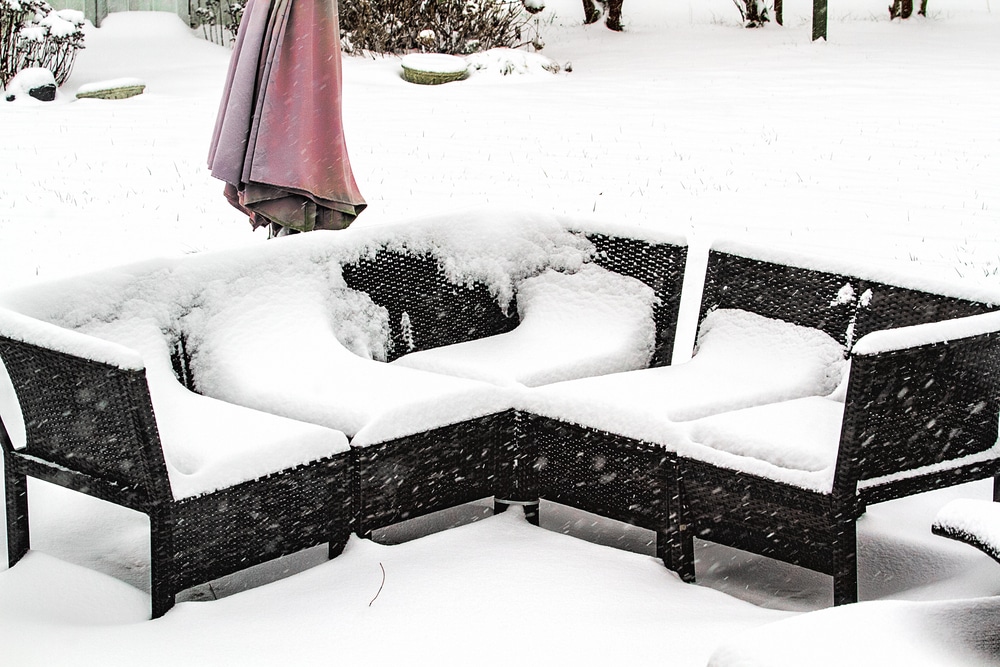
Winter weather can harm outdoor furniture. Snow, ice, and rain cause rust, cracks, and fading. Covers block these elements from reaching your furniture. This prevents damage and keeps furniture strong. It reduces the need for costly fixes.
Preventing Mold And Mildew
Moisture builds up easily in winter. Damp furniture becomes a perfect home for mold and mildew. Covers keep moisture away and allow air to flow. This stops mold from growing and ruining fabric or wood. It keeps your furniture fresh and healthy.
Extending Furniture Lifespan
Using covers helps furniture last longer. It prevents wear and tear caused by cold and wet conditions. Covered furniture stays in good shape season after season. This means you spend less on replacements. Covers protect your investment for many years.
Choosing The Right Cover
Choosing the right cover for your outdoor furniture is important for winter protection. A good cover keeps your furniture safe from snow, rain, and cold winds. It also helps prevent damage and extends the life of your furniture.
Selecting the right material and features can make a big difference. Some covers last longer and protect better than others. Understanding the key points will help you pick the best cover for your needs.
Material Types And Durability
Outdoor furniture covers come in many materials. Common types include polyester, vinyl, and canvas. Polyester is light and dries quickly. Vinyl is strong and blocks water well. Canvas is thick and durable but heavier.
Durability depends on how strong the fabric is and how it holds up to weather. Look for covers with reinforced seams and tough stitching. These last longer and protect better through winter storms.
Waterproof Vs. Water-resistant Covers
Waterproof covers stop all water from passing through. They keep your furniture dry even in heavy rain or snow. Water-resistant covers block some water but may let moisture in over time.
Waterproof covers are best for harsh winter weather. Water-resistant covers work for mild conditions or short storage times. Choose based on your local climate and how long you store your furniture.
Breathability Features
Breathable covers allow air to flow while keeping water out. This prevents mold and mildew growth on your furniture. Covers with vents or special fabrics help moisture escape.
Breathability is important to keep furniture fresh and dry under the cover. Look for covers with mesh vents or breathable fabric layers. This feature extends the life of your furniture by reducing trapped moisture.
Preparing Furniture For Winter
Preparing outdoor furniture for winter helps protect it from cold, moisture, and dirt. Proper care extends the life of your furniture. Taking simple steps now saves money later. Follow these easy tips to get your furniture ready for the cold months.
Cleaning And Drying
Start by cleaning all furniture surfaces. Use mild soap and water to remove dirt and grime. Rinse well to avoid soap residue. Dry each piece thoroughly with a soft cloth. Moisture left on furniture can cause damage during winter.
Disassembling Or Storing Cushions
Remove cushions from chairs and sofas. Store cushions in a dry, cool place. Use airtight bags or plastic bins to keep them safe. This prevents mold and mildew from forming. If cushions cannot be stored indoors, cover them with waterproof covers.
Applying Protective Coatings
Apply a protective coating to wood and metal surfaces. Use sealants or outdoor furniture wax for wood. Spray metal protectant to prevent rust. These coatings shield furniture from moisture and frost. Reapply coatings each year before winter starts.

Credit: www.lazysusanfurniture.co.uk
Covering Techniques And Tips
Covering outdoor furniture properly protects it from winter damage. Using the right techniques helps keep your furniture dry and safe. Follow these tips to cover furniture the right way.
Proper Fit And Secure Fastening
Choose covers that fit your furniture snugly. Loose covers can blow away in strong winds. Tight covers keep dirt and water out. Use straps or bungee cords to fasten covers securely. This prevents them from slipping or tearing.
Avoiding Trapped Moisture
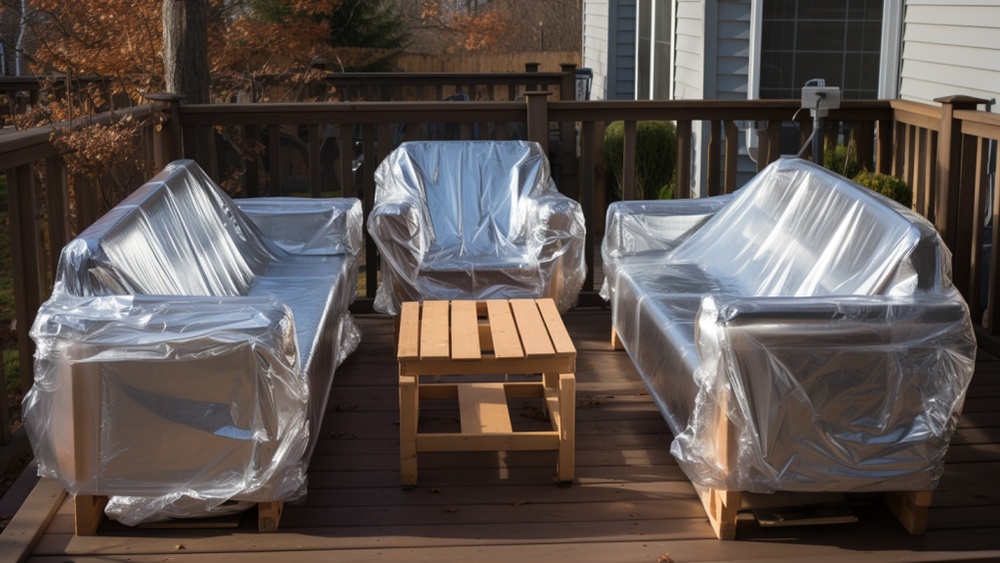
Trapped moisture causes mold and wood damage. Use breathable covers to allow air flow. Avoid plastic sheets that trap water inside. Lift covers occasionally to let moisture escape. This keeps furniture dry and fresh.
Using Support Structures
Support structures prevent covers from touching furniture. Use a frame or poles to hold up the cover. This stops water from pooling on top. It also protects delicate surfaces from scratches. Proper support extends furniture life during winter.
Alternative Storage Options
Storing outdoor furniture in winter protects it from rain, snow, and cold. Covering is one option, but there are other ways to keep furniture safe. Alternative storage options can help your furniture last longer. These choices also keep your space neat and tidy. Consider these ideas to find the best fit for your needs.
Indoor Storage Solutions
Indoor storage keeps furniture safe from harsh weather. Basements, spare rooms, or closets can work well. Move cushions and smaller items inside to avoid moisture damage. Clean furniture before storing to prevent dirt buildup. This method protects wood, metal, and fabric materials effectively.
Using Sheds And Garages
Sheds and garages offer sheltered storage without taking indoor space. They shield furniture from wind, rain, and snow. Ensure the space is dry and well-ventilated to avoid mold. Use pallets or racks to keep furniture off the ground. This simple step helps prevent water damage and rust.
Temporary Shelter Ideas
Temporary shelters work well for short-term storage. Pop-up tents or portable canopies provide quick cover. Use waterproof tarps secured tightly over furniture groups. Make sure air circulates to stop moisture buildup. These options protect your furniture during sudden weather changes.
Common Mistakes To Avoid
Protecting outdoor furniture during winter takes some care. Avoiding common mistakes helps keep your furniture safe and lasting longer. Simple errors can cause damage, so understanding these pitfalls is key.
Covering Wet Furniture
Never cover furniture that is still wet. Moisture trapped inside can cause mold and mildew. Always dry furniture thoroughly before covering it. This stops moisture build-up and keeps the material healthy.
Ignoring Ventilation
Good airflow under covers is very important. Without ventilation, condensation forms and damages furniture. Choose covers that allow air to pass through. This prevents dampness and keeps furniture dry.
Using Inadequate Covers
Thin or poor-quality covers do not protect well. Cheap covers may tear or let water in. Use thick, weatherproof covers made for outdoor furniture. This gives better protection against snow, rain, and wind.

Credit: www.alexander-francis.co.uk
Frequently Asked Questions
Should I Cover Outdoor Furniture During Winter?
Yes, covering outdoor furniture in winter protects it from snow, ice, and moisture damage. Covers prevent rust, fading, and wear caused by harsh weather. This extends the furniture’s lifespan and keeps it looking new for longer.
What Materials Are Best For Winter Furniture Covers?
Choose waterproof, breathable, and UV-resistant covers made from polyester or vinyl. These materials protect against moisture while preventing mold and mildew buildup. Ensure the cover fits snugly to avoid wind damage and allows air circulation.
Can I Leave Outdoor Furniture Uncovered In Winter?
Leaving furniture uncovered can cause damage from moisture, frost, and UV rays. Wood may crack, metal can rust, and cushions may mildew. Covering or storing furniture indoors is best to maintain its condition during winter.
How To Prepare Outdoor Furniture Before Covering?
Clean furniture thoroughly to remove dirt and debris. Allow it to dry completely to prevent mold growth. Check for any damage and make repairs. Use protective treatments like sealants or oil on wood before covering.
Conclusion
Covering outdoor furniture in winter protects it from rain, snow, and dirt. It helps prevent rust, fading, and damage. Some materials need more care than others. Covers keep furniture clean and ready to use in spring. Choose breathable covers to avoid moisture build-up.
Remember to check and dry furniture before covering. Proper care extends the life of your outdoor pieces. A little effort now saves money and effort later. So, covering furniture is a smart step for winter protection.