Looking to add style and storage to your space without taking up floor room? Hanging an L bookshelf on your wall is a smart and trendy way to do just that.
But you might be wondering, how do you make sure it’s secure, straight, and looks great? Don’t worry—you’re about to learn the simple steps that will make your wall shelf a standout feature in your home. Keep reading, because the right technique will save you time, protect your walls, and turn your books and decor into eye-catching displays.
Choosing The Right L Bookshelf
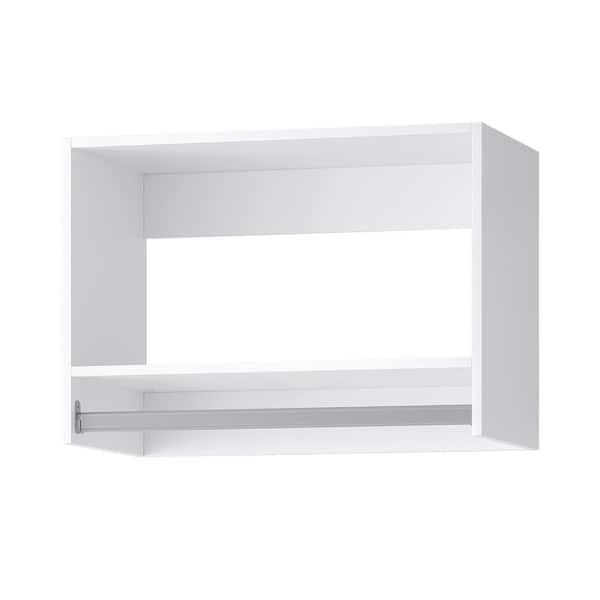
Choosing the right L bookshelf is key to a safe and stylish wall display. It affects how well the shelf holds your items and fits your space. Picking the perfect one means thinking about materials, design, size, and weight.
This guide helps you find an L bookshelf that looks good and works well on your wall.
Materials And Design
Wood and metal are common materials for L bookshelves. Wood offers warmth and classic looks. Metal gives a modern, sleek feel. Choose a material that matches your room’s style.
Design matters for both function and appearance. Some shelves have open sides, others have closed backs. Open shelves feel lighter, while closed backs protect walls better. Pick a design that fits your needs.
Size And Weight Considerations
Measure your wall space before buying. The shelf should not be too big or too small. Check the weight limit of the shelf. It must hold your books and items safely.
Heavy shelves need strong wall anchors. Light shelves are easier to hang but hold less. Match the shelf size and weight to your wall type for best results.
Credit: www.homedepot.com
Gathering Tools And Supplies
Before you hang your L bookshelf, gather the right tools and supplies. This step saves time and makes the job easier. Having everything ready helps you work safely and neatly. Knowing what you need also stops you from making mistakes.
Essential Tools
Start with a drill to make holes in the wall. A screwdriver will help tighten screws. Use a level to keep the shelf straight. A tape measure ensures you place the shelf at the right height. A pencil is useful for marking spots on the wall.
Wall Anchors And Screws
Choose wall anchors that match your wall type. Drywall anchors are common for most homes. Use heavy-duty anchors for brick or concrete walls. Pick screws that fit the anchors tightly. Proper anchors and screws keep the shelf safe and stable.
Preparing The Wall
Preparing the wall is the first step to hang your L bookshelf safely. It ensures the shelf stays secure and holds weight properly. Taking time now prevents damage later. Follow clear steps to get the wall ready for installation.
Start by finding the best spots to fix the shelf. Then mark exact drill points to guide your tools. Careful preparation makes the process smooth and the results strong.
Finding Studs
Studs are wooden beams behind your wall. They hold heavy items better than drywall alone. Use a stud finder tool to locate them easily. Move the tool slowly across the wall. It will beep or light up over studs. Mark these spots lightly with a pencil. Avoid hanging the shelf only on drywall. It may fall or damage the wall.
Marking Drill Points
Once you find the studs, mark where to drill. Hold the shelf against the wall. Use a level to keep it straight. Mark holes through the shelf’s mounting brackets. Double-check all marks before drilling. Precise marks help drill in the right spot. This prevents unnecessary holes and keeps the shelf stable.
Mounting The Brackets
Mounting the brackets is a key step to hang your L bookshelf securely. The brackets hold the shelf and keep it steady on the wall. Proper placement and strong attachment are essential. This part ensures the shelf will support your books safely. Follow each step carefully to avoid problems later.
Positioning Brackets
Start by measuring where you want the shelf. Mark the spots on the wall using a pencil. Use a level to make sure the marks are straight. The brackets should sit evenly apart to balance the shelf weight. Aim for studs in the wall for the strongest hold. If no studs are available, use wall anchors.
Securing Brackets To Wall
Drill pilot holes at your marked points. This makes screwing easier and avoids wall damage. Use screws that fit your wall type and bracket holes. Tighten screws firmly but do not over-tighten. Check the brackets are flush with the wall and do not wiggle. Properly secured brackets keep your shelf safe and stable.
Attaching The L Bookshelf
Attaching the L bookshelf to the wall is the final step to secure it. This part needs care to keep the shelf steady and safe. Follow the steps carefully to attach the shelf properly.
Start by making sure the shelf is in the right place. Then, fasten it tightly to the brackets. This keeps the shelf from moving or falling.
Aligning The Shelf
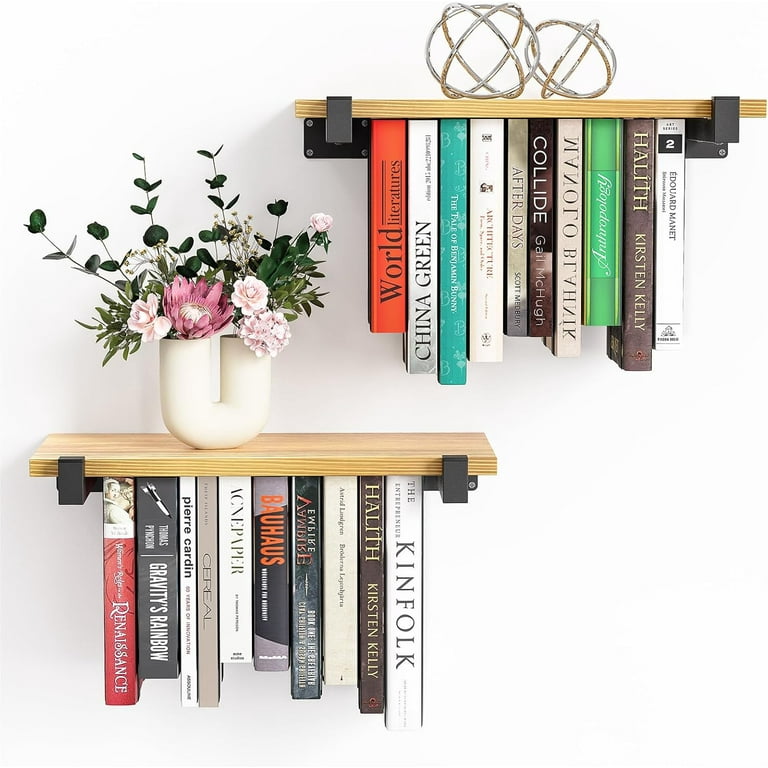
Place the L bookshelf close to the wall brackets. Check that the edges match the bracket arms. Use a level tool to confirm the shelf is straight. Adjust the shelf until it sits evenly. This step is key for balance and safety.
Fastening Shelf To Brackets
Use screws that fit the bracket holes. Hold the shelf firmly against the brackets. Drive the screws through the holes into the shelf. Tighten each screw evenly. Avoid over-tightening to prevent damage. Double-check all screws are secure before use.
Credit: www.walmart.com
Ensuring Stability And Safety
Ensuring stability and safety is key when hanging an L bookshelf on your wall. A stable shelf prevents accidents and protects your items. It also keeps the shelf looking neat and tidy. Taking the time to secure the shelf properly helps you avoid damage to your walls and belongings.
Leveling The Shelf
Start by using a level tool to check the shelf’s position. Place the shelf against the wall and adjust it until it is perfectly horizontal. Mark the spots where the screws will go. Use a drill to make holes for the screws. Tighten the screws firmly to hold the shelf steady. A level shelf looks better and holds items safely.
Weight Distribution Tips
Place heavier items near the wall or on the bottom part of the L shelf. This helps keep the shelf balanced and stable. Avoid putting too much weight on one side. Spread items evenly to reduce the risk of tipping. Use wall anchors if the shelf holds heavy objects. Proper weight distribution keeps the shelf secure and safe.
Troubleshooting Common Issues
Hanging an L bookshelf on the wall can sometimes bring small problems. These issues can stop the shelf from fitting or staying safe. Knowing how to fix these common troubles makes the job easier. This section helps solve two usual problems: uneven walls and loose brackets.
Dealing With Uneven Walls
Uneven walls can make your L bookshelf tilt or not sit flat. First, check the wall surface with a level tool. Mark spots where the wall sticks out or sinks in. Use shims, thin pieces of wood or plastic, behind the shelf brackets. Shims fill gaps and keep the shelf steady. Tighten screws carefully after placing shims. This helps the shelf stay straight on a bumpy wall.
Fixing Loose Brackets
Loose brackets cause the shelf to wobble or fall. Start by tightening all screws with a screwdriver. If screws don’t hold, try longer or thicker screws. Use wall anchors if screws slip out of drywall. Anchors give extra grip inside the wall. Check brackets for damage and replace if bent or cracked. Secure brackets well to keep your shelf safe and steady.

Credit: www.amazon.com
Frequently Asked Questions
How Do I Securely Hang An L Bookshelf On Drywall?
Use wall anchors or toggle bolts rated for the shelf’s weight. Locate studs with a stud finder for extra support. Pre-drill holes and attach brackets firmly. This ensures your L bookshelf stays stable and safe on drywall.
What Tools Are Needed To Hang An L Bookshelf?
You’ll need a drill, screwdriver, level, stud finder, measuring tape, and wall anchors. These tools help you measure accurately, find studs, and secure the shelf firmly to the wall.
Can I Hang An L Bookshelf Without Studs?
Yes, but use heavy-duty wall anchors or toggle bolts. These provide strong support in drywall alone. Avoid overloading the shelf to prevent damage or accidents.
How High Should I Mount An L Bookshelf?
Mount the bookshelf at eye level or slightly above for easy reach and visibility. Ensure it’s not too high to prevent accidents and maintain aesthetics.
Conclusion
Hanging an L bookshelf on your wall is simple and practical. Follow the steps carefully for a safe hold. Use the right tools and anchors for your wall type. Take your time to measure and level the shelf. This project adds style and storage to any room.
Enjoy your new shelf, sturdy and neat. Keep your space organized and tidy with ease. Small efforts bring big changes to your home. Try it yourself and see the difference.
