Is your bathroom stool always damp and uncomfortable to sit on? You’re not alone.
When a bathroom stool starts sweating, it can make your space feel sticky and unpleasant. But don’t worry—there are simple and effective ways to stop this from happening. By understanding why your stool sweats and how to prevent it, you can keep your bathroom fresh and comfortable every day.
Keep reading to discover easy tips that will make a big difference for you and your home.
Why Bathroom Stools Sweat
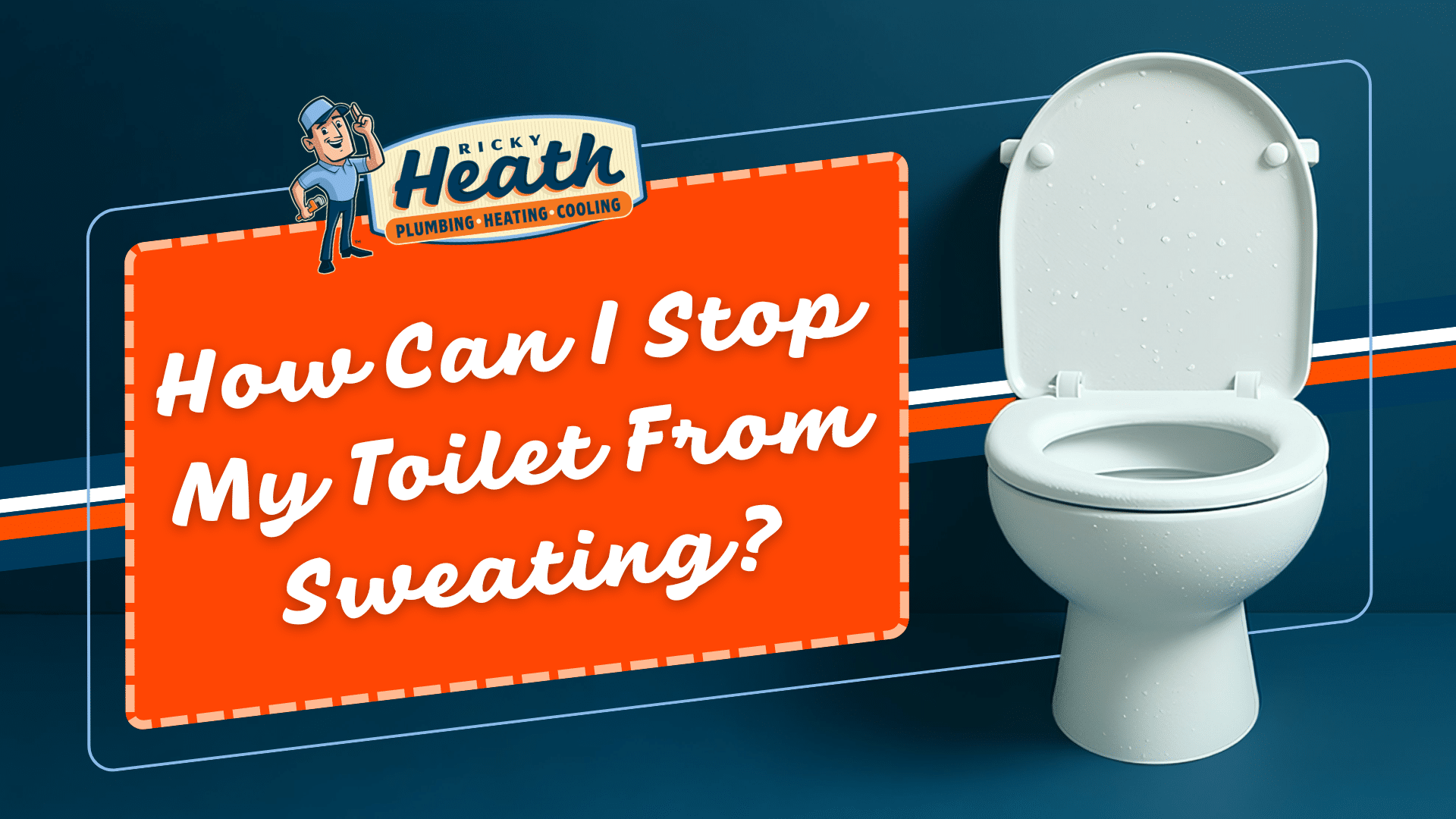
Bathroom stools often sweat, causing wet spots and discomfort. Understanding why this happens helps prevent it. The main reason is moisture buildup on the stool surface. This moisture forms when warm, humid air touches a cooler surface, like the stool.
Bathroom environments are prone to this because of water use, steam, and temperature changes. Knowing the causes and problem areas can help keep your stool dry and comfortable.
Causes Of Moisture Buildup
Moisture forms when air holds more water than the surface can handle. Warm, moist air meets the cool stool surface. Water vapor turns into liquid droplets on the stool. This process is called condensation. Poor ventilation and frequent water splashes add to moisture buildup.
Impact Of Humidity And Temperature
High humidity means more water in the air. Bathrooms often have high humidity after showers or baths. Temperature differences between air and stool cause sweating. A cold stool surface attracts moisture from warm air. The bigger the difference, the more sweat forms.
Common Problem Areas
Bathroom stools near showers or sinks sweat more. Areas with little air circulation trap moisture. Corners and small spaces hold high humidity. Stools made of metal or plastic feel colder and sweat faster. Identifying these spots helps reduce moisture buildup.

Credit: www.youtube.com
Choose The Right Material
Choosing the right material for your bathroom stool helps stop sweat buildup. Some materials handle moisture better than others. Picking the best one can keep your stool dry and comfy.
Best Materials For Moisture Resistance
Plastic stools resist water and do not sweat easily. They stay dry and are easy to clean.
Wooden stools with a sealed finish block moisture well. They avoid dampness and look good long-term.
Metal stools with powder coating or rust-proof paint fight moisture. They stay strong without sweating.
These materials reduce sweat by stopping water from sitting on the surface.
Avoiding Sweat-prone Surfaces
Soft fabrics soak up moisture and cause sweating. Avoid cloth or foam cushions in bathrooms.
Unsealed wood absorbs water and traps sweat. It can warp or smell over time.
Glossy or slick surfaces can trap condensation under the stool. Choose textured finishes instead.
Picking the wrong surface leads to wet spots and discomfort.
Improve Bathroom Ventilation
Bathroom stool sweating happens when moisture builds up around it. One key way to stop this is by improving bathroom ventilation. Good airflow lowers humidity and stops condensation. This makes the bathroom more comfortable and keeps your stool dry.
Using Exhaust Fans Effectively
Exhaust fans remove moist air from bathrooms. Turn on the fan during and after showers. Run it for at least 15 minutes to clear humidity. Clean the fan regularly to keep it working well. Choose a fan with the right power for your bathroom size.
Natural Ventilation Tips
Open windows to let fresh air in and moist air out. Keep windows open during showers if possible. Use vents or small openings to improve airflow. Place a small fan near the window to push air outside. This helps reduce moisture and stops stool sweating.
Credit: www.rickyheathplumbing.com
Apply Protective Coatings
Applying protective coatings is a smart way to stop your bathroom stool from sweating. It creates a barrier that keeps moisture away. This helps the stool stay dry and last longer. Protective coatings also make cleaning easier and keep the wood safe from damage.
Water-repellent Sprays
Water-repellent sprays form a thin layer on the stool’s surface. This layer pushes water and moisture away. The spray dries quickly and does not change the stool’s look. It works well on both wood and metal stools. Apply the spray evenly and let it dry completely. This simple step can greatly reduce sweating.
Sealants And Varnishes
Sealants and varnishes create a stronger, more durable coat. They soak into the wood and protect it from water. These coatings also add a nice shine to the stool. Use a brush to apply sealants or varnishes carefully. Let each coat dry before adding another. This method is best for wooden stools that sweat often.
Use Absorbent Accessories
Bathroom stools often sweat due to moisture and temperature changes. Using absorbent accessories helps control this problem. These tools soak up excess water and keep the area dry. They also protect the stool and floor from damage. Simple items like towels and pads can make a big difference.
Towels And Mats Placement
Place towels near the stool to catch drips and moisture. Soft cotton towels work best for absorbing water fast. Lay mats under or around the stool to stop water from reaching the floor. Choose mats made from absorbent materials like microfiber or terry cloth. Change and wash these regularly to keep them effective and fresh.
Absorbent Pads For Stools
Absorbent pads fit directly on the stool seat or base. They soak up sweat before it pools or drips. Look for pads with high absorbency and quick drying features. Some pads have a non-slip backing to keep them in place. These pads are easy to remove and wash, making maintenance simple. Using absorbent pads reduces moisture and improves bathroom comfort.
Credit: plumbernw.com
Maintain Regular Cleaning
Keeping your bathroom stool dry and sweat-free needs regular cleaning. Dirt and moisture build-up cause sweating and damage. A clean stool stays fresh and lasts longer. Simple cleaning steps stop sweat and keep your bathroom healthy.
Preventing Mold And Mildew
Mold and mildew grow in damp places. They make your bathroom stool wet and smelly. Clean the stool often with a cloth and warm water. Wipe the seat and base to remove moisture. Dry the stool well after cleaning. Good air flow helps stop mold growth. Use a fan or open windows to keep air moving.
Cleaning Products That Help
Use mild cleaners safe for bathroom surfaces. Vinegar mixed with water cleans and kills germs. Avoid harsh chemicals that damage stool materials. Baking soda removes stains and odors gently. Spray cleaner on the stool and scrub lightly. Rinse with clean water and dry with a cloth. Regular use of these products keeps your stool dry and neat.
Control Bathroom Temperature
Controlling the temperature in your bathroom plays a big role in stopping your bathroom stool from sweating. Warm air holds moisture, which can cause condensation on cold surfaces like a bathroom stool. Keeping the air dry and cool reduces this moisture build-up. This section explains easy ways to manage your bathroom’s temperature for a dry, comfortable space.
Using Dehumidifiers
Dehumidifiers remove excess moisture from the air. Place one in your bathroom to keep humidity low. Lower humidity means less water vapor to settle on your stool. Small, portable dehumidifiers work well for bathrooms. Run it during and after showers for best results. This simple device helps stop sweat from forming on your bathroom stool.
Temperature Regulation Tips
Keep your bathroom temperature steady and cool. Use a thermostat or a small fan to control airflow. Avoid letting the room get too warm or too cold. Open windows or vents to let fresh air in. Warm, moist air causes more condensation. Cooler air with good circulation keeps the stool dry. Small changes in temperature can make a big difference.
Diy Solutions To Reduce Sweating
DIY solutions can help reduce bathroom stool sweating effectively. These methods use simple items found at home. They offer quick and easy fixes without extra cost. Let’s explore some practical ways to keep your bathroom stool dry and comfortable.
Home Remedies And Hacks
Use baking soda to absorb moisture. Sprinkle it under the stool or on the floor. It keeps the area dry and fresh. Another tip is placing silica gel packets nearby. These packets soak up excess humidity.
Try rubbing a thin layer of baby powder on the stool surface. It prevents sweating by reducing moisture build-up. Also, use a small fan or vent to improve air circulation. This helps water evaporate faster.
Cost-effective Methods
Place a cheap rubber mat under the stool. It acts as a barrier between the cold floor and stool. This stops condensation from forming. Another option is wrapping the stool legs with foam tape. It insulates and reduces sweat.
Use old towels or cloths to absorb moisture. Change them regularly to keep the area dry. These affordable methods save money and work well for controlling sweat.
Frequently Asked Questions
Why Does My Bathroom Stool Sweat?
Bathroom stools sweat due to condensation. Warm, moist air meets the cooler stool surface. This causes water droplets to form, creating a sweaty appearance.
How Can I Prevent Bathroom Stool Condensation?
To prevent condensation, increase bathroom ventilation. Use exhaust fans or open windows to reduce humidity. Applying anti-sweat pads or coatings also helps minimize moisture buildup.
Does Insulation Stop Bathroom Stool From Sweating?
Yes, insulating the stool surface helps. It keeps the stool temperature closer to room temperature. This reduces the chance of condensation forming on the stool.
What Materials Prevent Bathroom Stool Sweating Best?
Materials like wood or insulated plastic reduce sweating. These materials don’t conduct cold well, minimizing condensation. Avoid metal or uninsulated surfaces in humid bathrooms.
Conclusion
Keeping your bathroom stool dry is easier than you think. Use a fan or open a window to reduce moisture. Place absorbent mats or towels under the stool to catch water. Clean the stool regularly to stop mold and stains.
Small steps can make a big difference in comfort and hygiene. Enjoy a fresh, dry bathroom every day. Simple habits help you avoid sweating problems. Stay consistent, and your bathroom will feel much better.