Your outdoor furniture is meant to be a place where you relax and enjoy fresh air. But when dirt, mold, and grime start building up, it can quickly turn your favorite spot into something unpleasant.
You don’t want to spend hours cleaning or even worse, replacing your furniture. What if you could keep it looking fresh and inviting all year round with simple, smart steps? You’ll discover easy ways to protect your outdoor furniture and stop it from getting gross.
Keep reading to find out how to make your outdoor space always feel clean and comfortable.

Credit: www.patioproductions.com
Common Outdoor Furniture Issues
Outdoor furniture faces many problems that make it look bad and wear out fast. These problems happen because furniture stays outside all day. Dirt, moisture, and sun can damage your chairs and tables. Knowing these common issues helps you keep furniture clean and strong longer.
Dirt And Dust Accumulation
Dirt and dust settle on outdoor furniture easily. Wind carries dust particles that stick to surfaces. This makes furniture look dull and dirty. Dust can also scratch surfaces if not cleaned regularly. Wiping furniture often stops buildup and keeps it fresh.
Mold And Mildew Growth
Moist and shaded areas cause mold and mildew to grow. These fungi appear as black or green spots on furniture. Mold damages materials and smells bad. It also causes health problems. Cleaning with mold removers prevents spread and keeps furniture safe.
Stains From Food And Drinks
Eating and drinking outside often causes stains. Spilled juices, sauces, or grease leave marks on cushions and tables. Stains attract dirt and bugs. Cleaning spills quickly stops stains from setting in. Use gentle cleaners to protect furniture surfaces.
Weather Damage Effects
Sun, rain, and wind harm outdoor furniture over time. Sun fades colors and weakens materials. Rain causes rust on metal and swelling in wood. Wind can blow dirt and debris onto furniture. Covering furniture or moving it inside helps reduce weather damage.
Materials And Cleaning Needs
Outdoor furniture faces dirt, dust, rain, and sun every day. Each material needs special care to stay clean and last longer. Knowing how to clean and protect your furniture helps keep it looking good. Follow simple steps for each material type to avoid grime and damage.
Wood Furniture Care
Wood furniture needs gentle cleaning to avoid scratches. Use a soft cloth with mild soap and water. Avoid harsh chemicals that can strip the wood’s finish. Dry the furniture completely after washing. Apply a wood sealant or oil once a year. This protects wood from moisture and sun damage. Store wood furniture under cover during heavy rain or winter.
Metal Furniture Maintenance
Metal furniture can rust if left wet. Clean it with a mixture of water and mild detergent. Use a soft brush to remove dirt from corners. Rinse with clean water and dry thoroughly. Check for rust spots regularly and sand them lightly. Apply a rust-resistant paint or coating to prevent corrosion. Cover metal furniture when not in use to keep it dry.
Plastic And Resin Cleaning Tips
Plastic and resin furniture is easy to clean. Use warm water and dish soap to wipe down surfaces. For tough stains, mix water with baking soda and scrub gently. Avoid abrasive tools that can scratch the surface. Rinse well and dry with a soft cloth. Store plastic furniture indoors or under a cover during bad weather to avoid fading.
Fabric And Cushion Protection
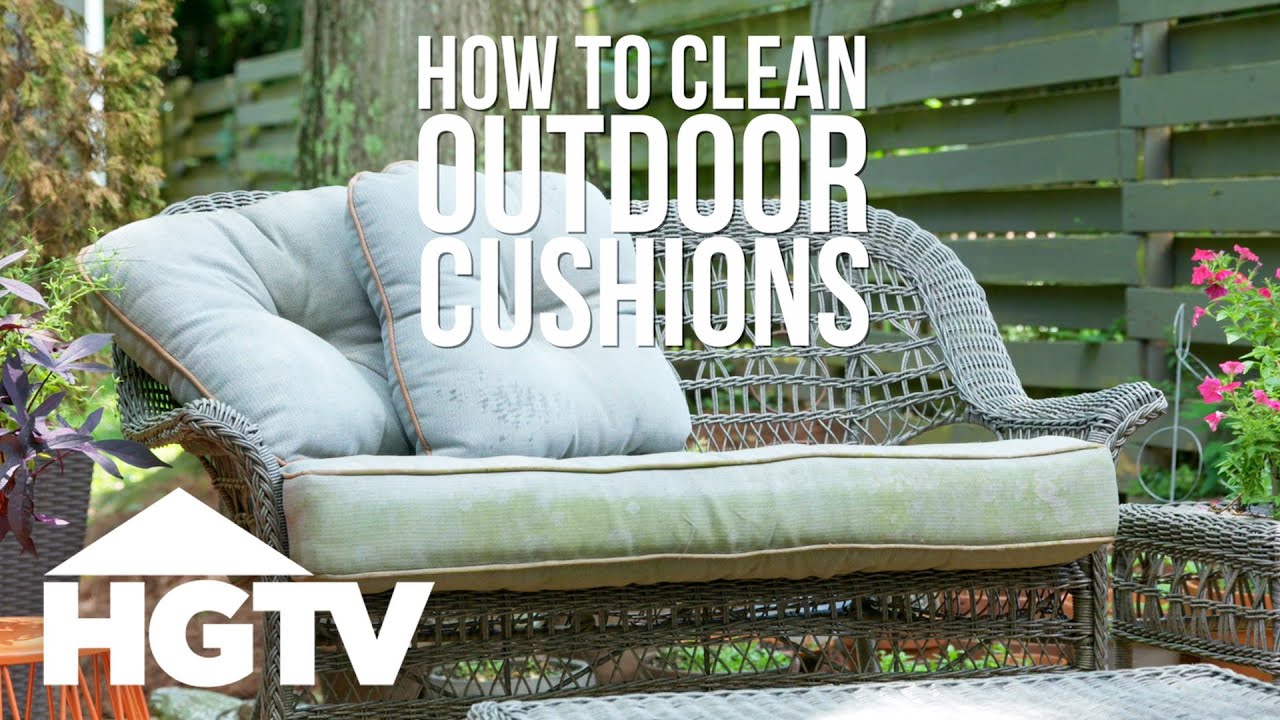
Outdoor cushions and fabric attract dirt and mildew. Brush off loose dirt regularly. Spot clean stains with mild soap and water. Let cushions dry fully before putting them away. Use fabric protectors to repel water and stains. Store cushions in a dry place when not in use. Consider waterproof covers to keep cushions fresh and clean.
Daily Cleaning Habits
Keeping outdoor furniture clean every day helps avoid dirt build-up. Small daily efforts keep your furniture fresh and inviting. It also extends the life of your pieces. Spending just a few minutes daily prevents big cleaning jobs later. Simple habits make a big difference over time.
Quick Wipe Downs
Use a soft cloth or sponge to wipe surfaces fast. This removes dust, pollen, and light dirt easily. A quick wipe takes only a minute or two. Focus on seats, armrests, and table tops. Regular wipe downs keep grime from settling in.
Removing Loose Debris
Brush off leaves, twigs, and dirt every day. Use a hand broom or your hand to clear loose debris. This stops buildup that causes stains and mold. Clean around furniture legs and under cushions too. Removing debris daily keeps the area neat and clean.
Spot Cleaning Techniques
Handle small stains immediately with mild soap and water. Use a soft cloth to gently scrub the spot. Avoid harsh chemicals that can damage finishes. Treating spots quickly prevents them from spreading. Spot cleaning keeps furniture looking its best all season.

Credit: gubi.com
Deep Cleaning Methods
Outdoor furniture faces dirt, dust, and stains every day. Deep cleaning helps keep it fresh and inviting. Regular deep cleaning removes grime that simple wiping cannot. This section shows easy and effective ways to deep clean your outdoor pieces. Follow these methods to protect your furniture and extend its life.
Homemade Cleaning Solutions
Homemade cleaners save money and avoid harsh chemicals. Mix warm water with mild dish soap for general cleaning. Use a sponge or soft cloth to scrub surfaces gently. For mold or mildew, add white vinegar to the mix. Baking soda works well on stubborn dirt. Apply the paste, let it sit, then scrub lightly. Rinse thoroughly with water after cleaning. These solutions are safe for most materials.
Using Pressure Washers Safely
Pressure washers can clean large furniture quickly. Keep the pressure setting low to avoid damage. Hold the nozzle at least a foot away from surfaces. Test on a small hidden area first. Avoid direct spray on cushions or delicate parts. Use wide, sweeping motions to remove dirt evenly. After washing, let furniture dry completely before use. This method saves time and cleans deeply.
Dealing With Tough Stains
Tough stains need special care and attention. Use a soft brush to scrub stains gently. Apply a mix of water and baking soda or vinegar. Let the solution sit on the stain for 10 minutes. For oil stains, sprinkle baking soda to absorb grease. Blot with a damp cloth to lift the stain. Repeat if necessary, but avoid harsh scrubbing. Prompt treatment prevents stains from setting permanently.
Preventative Measures
Preventing outdoor furniture from getting dirty or damaged starts with simple steps. Taking care of your furniture regularly can keep it looking fresh and new. These steps help avoid stains, rust, and wear caused by weather and dirt.
Small actions make a big difference in the life of your outdoor furniture. Protecting it early saves time and money later. Follow these easy tips to keep your furniture clean and strong.
Applying Protective Coatings
Use sealants or varnishes to protect wooden furniture. These coatings block moisture and dirt. For metal furniture, apply rust-resistant paint or spray. Protective coatings form a barrier against sun and rain. Reapply coatings every year to maintain protection.
Using Furniture Covers
Cover furniture when not in use. Choose covers that fit well and are waterproof. Covers stop dust, bird droppings, and leaves from piling up. They also protect from harsh sunlight and rain. Remove covers occasionally to air out the furniture.
Proper Storage Tips
Store furniture indoors during harsh weather seasons. A garage or shed works best. If indoor storage is not possible, move furniture to a shaded area. Keep furniture off damp ground by using pallets or blocks. Proper storage prevents mold, rust, and fading.
Seasonal Maintenance Tips
Seasonal maintenance keeps outdoor furniture clean and lasting longer. Each season has special care needs. Following simple steps protects your furniture from dirt, weather, and damage. Regular upkeep saves money and effort. Here are key tips for every season.
Preparing Furniture For Winter
Clean furniture thoroughly before cold weather arrives. Remove dirt, leaves, and debris to avoid stains. Use gentle soap and water for cleaning. Dry furniture completely to stop mold growth. Cover pieces with waterproof covers or store them inside. Protect cushions by storing them in a dry place. Avoid leaving furniture in direct contact with snow or ice.
Spring Cleaning Routines
Spring refreshes your outdoor space and furniture. Start by removing covers and cushions. Wash all furniture with mild soap and water. Check for damage like cracks or loose parts. Tighten screws and fix small issues early. Clean cushions and pillows or replace them if needed. Let everything dry well before use. This routine prepares furniture for warm months ahead.
Handling Summer Wear And Tear
Summer heat and sun can fade and weaken furniture. Use UV protectant sprays on plastic and wood surfaces. Store cushions when not in use to avoid mildew. Wipe spills and dirt quickly to prevent stains. Move furniture to shaded areas when possible. Regularly check for rust on metal frames. Clean and dry furniture often to maintain freshness during summer.
Eco-friendly Cleaning Hacks
Keeping outdoor furniture clean can be simple and safe for the planet. Using eco-friendly cleaning hacks protects your furniture and nature. These easy tips help you avoid harsh chemicals and keep your space fresh. Let’s explore natural ways to clean and care for your outdoor pieces.
Natural Cleaning Ingredients
Baking soda works well to remove stains and odors. Mix it with water to create a gentle scrubbing paste. White vinegar acts as a natural disinfectant and breaks down dirt. Lemon juice helps brighten surfaces and leaves a fresh scent. Castile soap is a mild cleaner safe for most materials. Use these ingredients alone or combined for effective cleaning.
Reducing Chemical Use
Choose cleaning methods that avoid strong chemicals. Harsh products can damage furniture finishes and harm the environment. Use water and natural ingredients for most cleaning jobs. Spot clean with a soft cloth to reduce waste. Air dry furniture instead of using chemical sprays. This keeps your outdoor area safe for kids and pets.
Recycling And Upcycling Ideas
Turn old cloths into cleaning rags instead of throwing them away. Use leftover coffee grounds as a gentle scrub for tough dirt. Empty spray bottles can be reused for homemade cleaners. Upcycle old furniture with a fresh coat of eco-friendly paint. These ideas lower waste and give new life to your items.
Credit: www.youtube.com
Frequently Asked Questions
How Do I Prevent Mold On Outdoor Furniture?
Keep furniture dry and clean regularly to prevent mold growth. Use covers during wet weather and store cushions indoors. Ensure good ventilation around furniture to reduce moisture buildup. Clean surfaces with a mild soap solution and rinse well. Promptly remove any mold spots with a vinegar solution.
What Is The Best Way To Clean Outdoor Furniture?
Use a soft brush and mild soap to clean furniture. Avoid harsh chemicals that can damage finishes. Rinse with water and dry thoroughly to prevent mildew. For stubborn stains, use a vinegar and water mix. Regular cleaning extends furniture life and keeps it looking fresh.
How Often Should I Clean Outdoor Furniture?
Clean outdoor furniture at least once a month during use. More frequent cleaning is necessary after heavy rain or storms. Seasonal deep cleaning before winter storage helps prevent damage. Regular maintenance removes dirt, pollen, and grime that cause deterioration. Consistent care keeps furniture attractive and durable.
Can Furniture Covers Protect Against Dirt And Grime?
Yes, furniture covers protect against dirt, dust, and grime effectively. Choose waterproof and breathable covers for best protection. Covers prevent exposure to rain, sun, and debris. Always clean furniture before covering to avoid trapping moisture. Proper covers extend outdoor furniture’s lifespan.
Conclusion
Keeping outdoor furniture clean takes regular care and simple steps. Wipe surfaces often to stop dirt and grime buildup. Use covers to protect from rain and sun damage. Store cushions inside when not in use to avoid mold. Clean spills quickly to prevent stains.
These small actions keep furniture looking fresh and last longer. Enjoy your outdoor space without worry. Clean furniture means more comfort and less hassle. A little effort goes a long way.