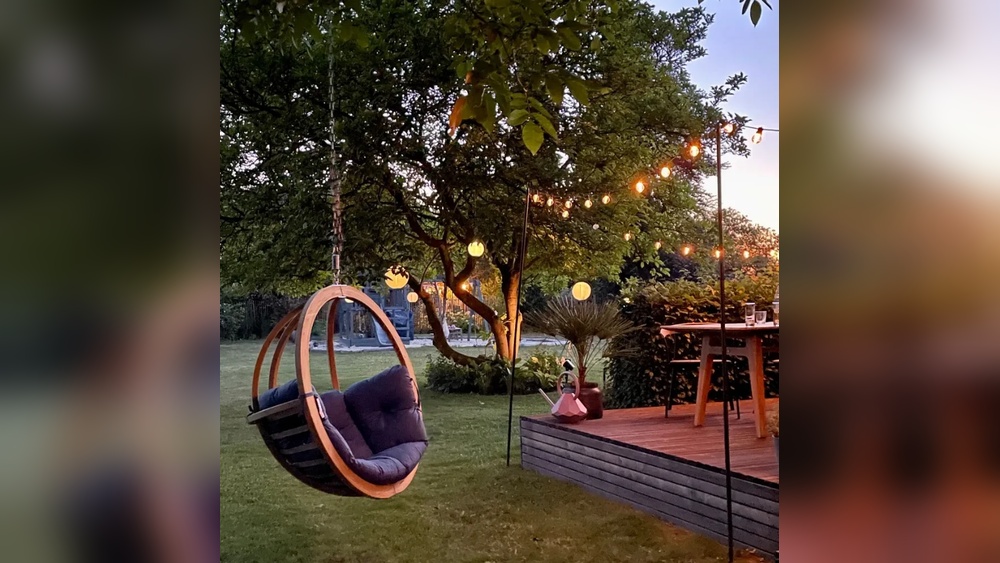
Your outdoor furniture is more than just a place to sit—it’s where you relax, entertain, and create memories. But exposure to sun, rain, and dust can quickly wear it down.
How do you keep your furniture looking fresh and lasting longer without spending a fortune? In this guide, you’ll discover simple, effective tips to protect and maintain your outdoor pieces. Keep reading, and you’ll learn how to save money, avoid common mistakes, and enjoy your outdoor space all year round.
Choosing The Right Furniture
Choosing the right outdoor furniture is key to keeping your garden or patio inviting. The right pieces last longer and need less care. This saves time and money. Select furniture that fits your space and style. Think about the weather your furniture must endure. This helps you pick materials and designs that hold up well.
Materials For Durability
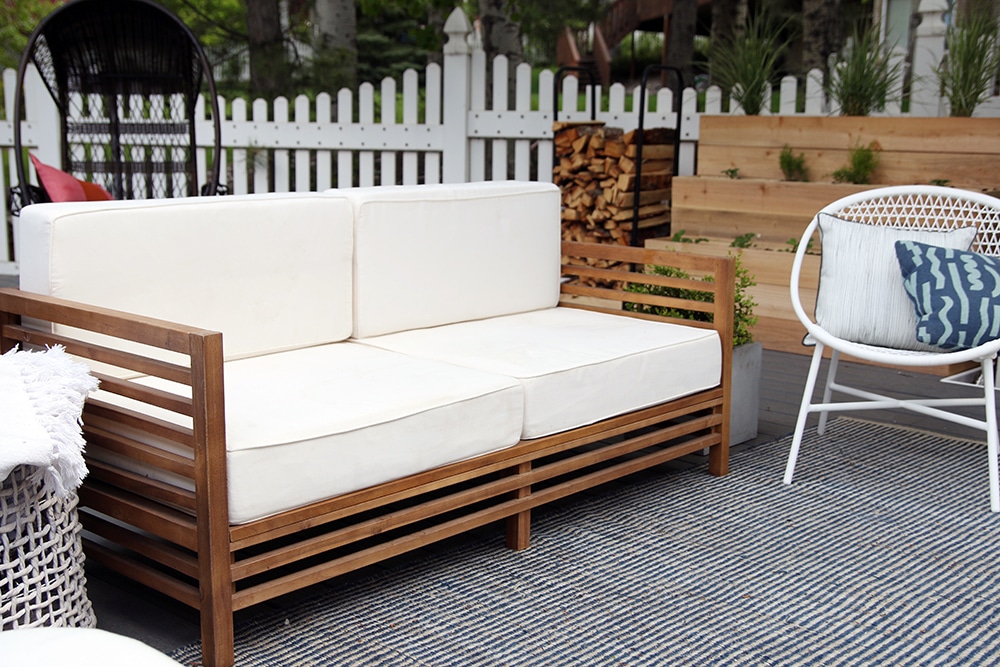
Durable materials resist damage from sun, rain, and wind. Teak wood is strong and ages beautifully. Aluminum is light and rust-resistant. Plastic and resin are easy to clean and weatherproof. Wrought iron looks classic and lasts for years if painted. Choose materials that match your climate for best results.
Styles That Withstand Weather
Simple, sturdy designs handle outdoor conditions better. Furniture with fewer joints and tight fittings stays stable. Pieces with slats or gaps dry quickly after rain. Avoid delicate details that can break or trap water. Rounded edges reduce damage and injury risk. Pick styles that combine comfort with toughness.
Credit: chrislovesjulia.com
Regular Cleaning Routine
Keeping outdoor furniture clean helps it last longer and look fresh. Dirt, dust, and pollen build up fast outside. A regular cleaning routine stops stains and damage. It also keeps furniture safe from mold and mildew. Spend a little time each week to clean your pieces. This simple habit protects your investment and keeps your space inviting.
Safe Cleaning Solutions
Use mild soap and warm water for most furniture. Harsh chemicals can damage surfaces and fade colors. Mix a few drops of dish soap in a bucket of water. Test the solution on a small area first. Avoid bleach or strong cleaners on wood or fabric. Gentle cleaners remove dirt without causing harm.
Tools For Effective Cleaning
Soft cloths and sponges work well to wipe surfaces. Use a soft-bristle brush for tough spots or crevices. Avoid wire brushes that scratch furniture. A garden hose helps rinse off soap and dirt. Dry furniture with a clean towel to stop water marks. Good tools make cleaning easier and better.
Protecting Against Weather
Outdoor furniture faces many weather challenges. Rain, sun, wind, and snow can damage it. Protecting your furniture from these elements keeps it strong and looking good. Simple steps can extend the life of your outdoor pieces.
Using Covers And Tarps
Covers and tarps shield furniture from rain and dirt. Choose waterproof covers that fit well. Secure covers tightly to stop wind from blowing them off. Clean and dry furniture before covering. This prevents mold and mildew growth. Remove covers on dry days to let furniture breathe.
Storing Furniture In Winter
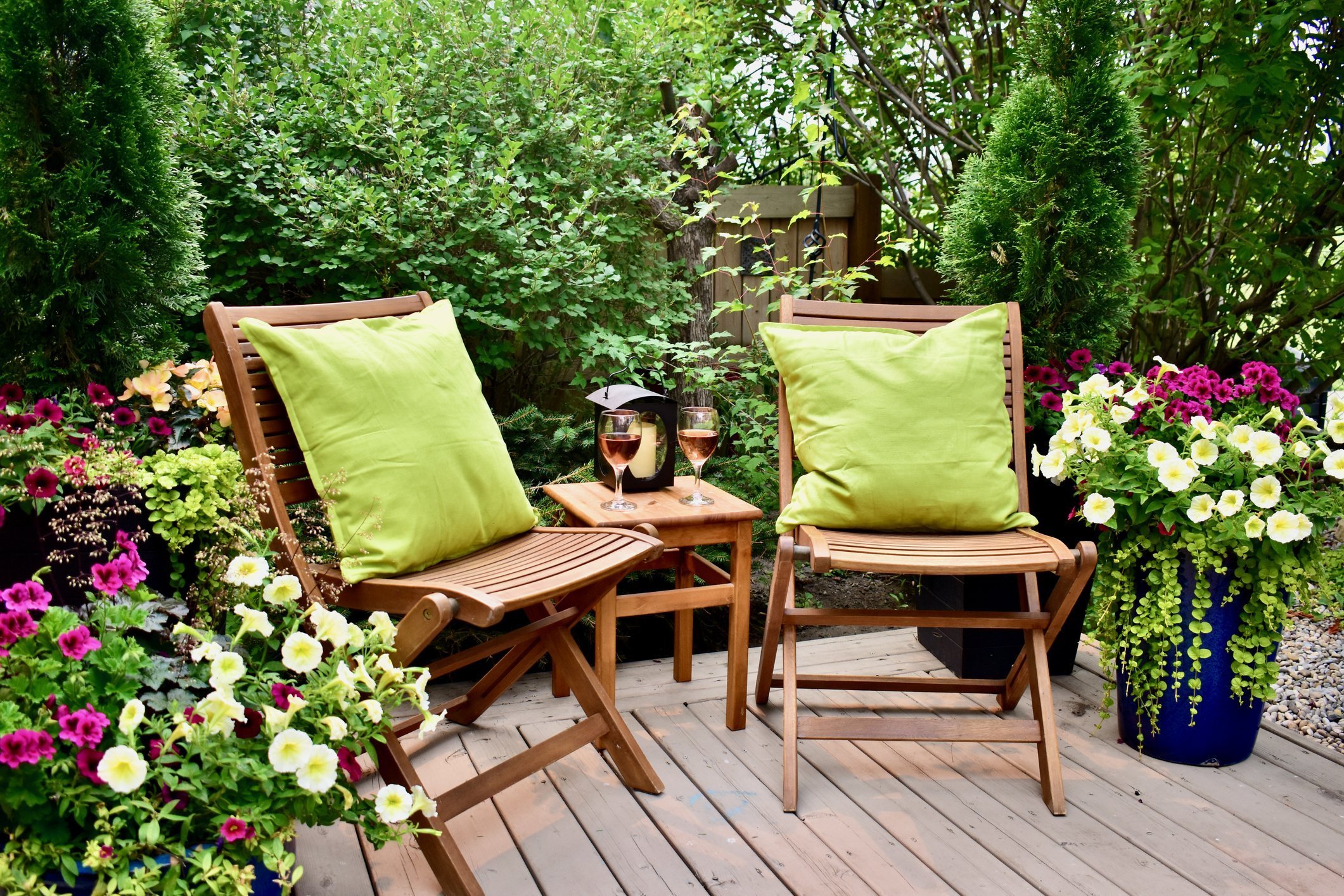
Winter weather can be harsh on outdoor furniture. Store pieces indoors if space allows. Use a dry garage or shed to keep them safe. If indoor storage is not possible, cover furniture with thick tarps. Elevate items off the ground to avoid moisture damage. Proper storage reduces rust, cracking, and fading.
Credit: www.treatex.co.uk
Repair And Maintenance Tips
Outdoor furniture faces rough weather and daily use. Repair and maintenance keep it strong and good-looking. Small fixes stop big problems later. Spend a little time to save money and effort. Here are simple tips to care for your outdoor furniture.
Fixing Scratches And Chips
Scratches and chips spoil the look of your furniture. Sand the damaged area gently with fine sandpaper. Use a matching paint or stain to cover the spot. Apply thin layers and let each dry well. For wooden furniture, use wood filler for deep chips. Clean the surface before starting any repair.
Tightening And Replacing Parts
Loose screws and bolts make furniture unstable. Check all joints regularly and tighten any loose parts. Replace worn-out screws with new ones of the same size. For broken parts, order replacements from the manufacturer. Use simple tools like screwdrivers and wrenches. This helps keep your furniture safe and sturdy.
Preventing Mold And Mildew
Mold and mildew can damage outdoor furniture quickly. They grow in damp, dark places. Preventing them keeps your furniture looking fresh and lasting longer.
Regular care helps stop mold and mildew from forming. Focus on keeping furniture dry and clean. This section covers easy ways to prevent these issues.
Proper Ventilation
Good airflow stops moisture buildup on furniture. Place chairs and tables where air moves freely. Avoid tight corners or covered spots without air.
Store cushions and fabrics in open areas. Let them dry after rain or cleaning. Air circulation prevents dampness that causes mold growth.
Cleaning Mold Safely
Use mild soap and water to clean mold. Avoid strong chemicals that may harm surfaces. A soft brush helps remove mold without scratching.
Wear gloves and a mask to protect yourself. Rinse furniture well and dry it completely. Cleaning regularly stops mold from coming back.
Applying Protective Finishes
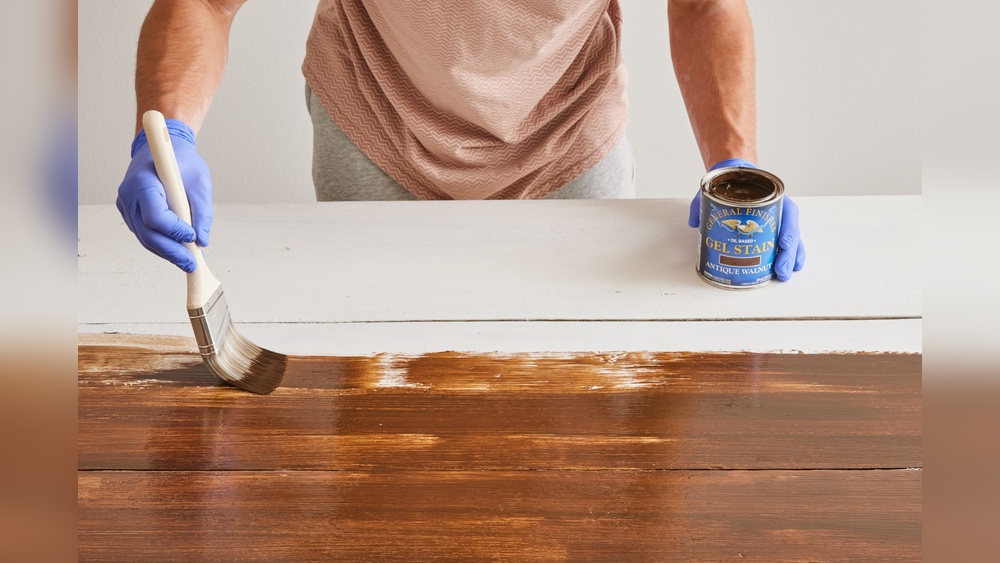
Applying protective finishes is key to keeping outdoor furniture safe from the elements. These finishes create a barrier that stops water, dirt, and sun damage. They help furniture last longer and look better. Proper application of these finishes prevents cracking, fading, and warping.
Sealers And Varnishes
Sealers soak into wood and block moisture. They keep wood from swelling and rotting. Varnishes form a hard, shiny coat on the surface. This coat protects against scratches and UV rays. Choose a finish that suits your furniture material. Oil-based varnishes work well for hardwoods. Water-based sealers are better for softer woods. Apply with a brush or cloth in thin, even layers. Let each coat dry fully before adding the next.
Frequency Of Reapplication
Protective finishes wear down over time. Exposure to rain and sun speeds this up. Check your furniture every six months. Look for dullness, peeling, or water absorption. Reapply sealers or varnishes as soon as you notice wear. Usually, once a year is enough. More often if furniture stays outside all year. Regular maintenance keeps your furniture strong and beautiful.
Seasonal Care Guide
Outdoor furniture needs care throughout the year. Each season brings different challenges for your furniture. A good seasonal care routine keeps furniture safe and looking fresh. Follow this guide to protect your investment and enjoy your outdoor space.
Preparing For Summer
Clean your furniture before summer begins. Use mild soap and water for all surfaces. Rinse well and let dry in the sun. Apply a protective sealant on wooden pieces. Check cushions and fabrics for damage. Store cushions indoors when not in use. Place furniture in shaded areas to avoid sun damage. Use covers to protect from dust and dirt. Tighten loose screws and bolts to keep furniture sturdy.
Winterizing Your Furniture
Clean furniture thoroughly before winter arrives. Remove all cushions and store them indoors. Use waterproof covers to shield furniture from rain and snow. Store delicate pieces in a dry, sheltered place. Wooden furniture benefits from extra oil or sealant. Avoid leaving furniture on wet ground. Raise furniture slightly to prevent water damage. Check covers regularly for tears or loose areas. Proper winter care prevents cracks and fading.
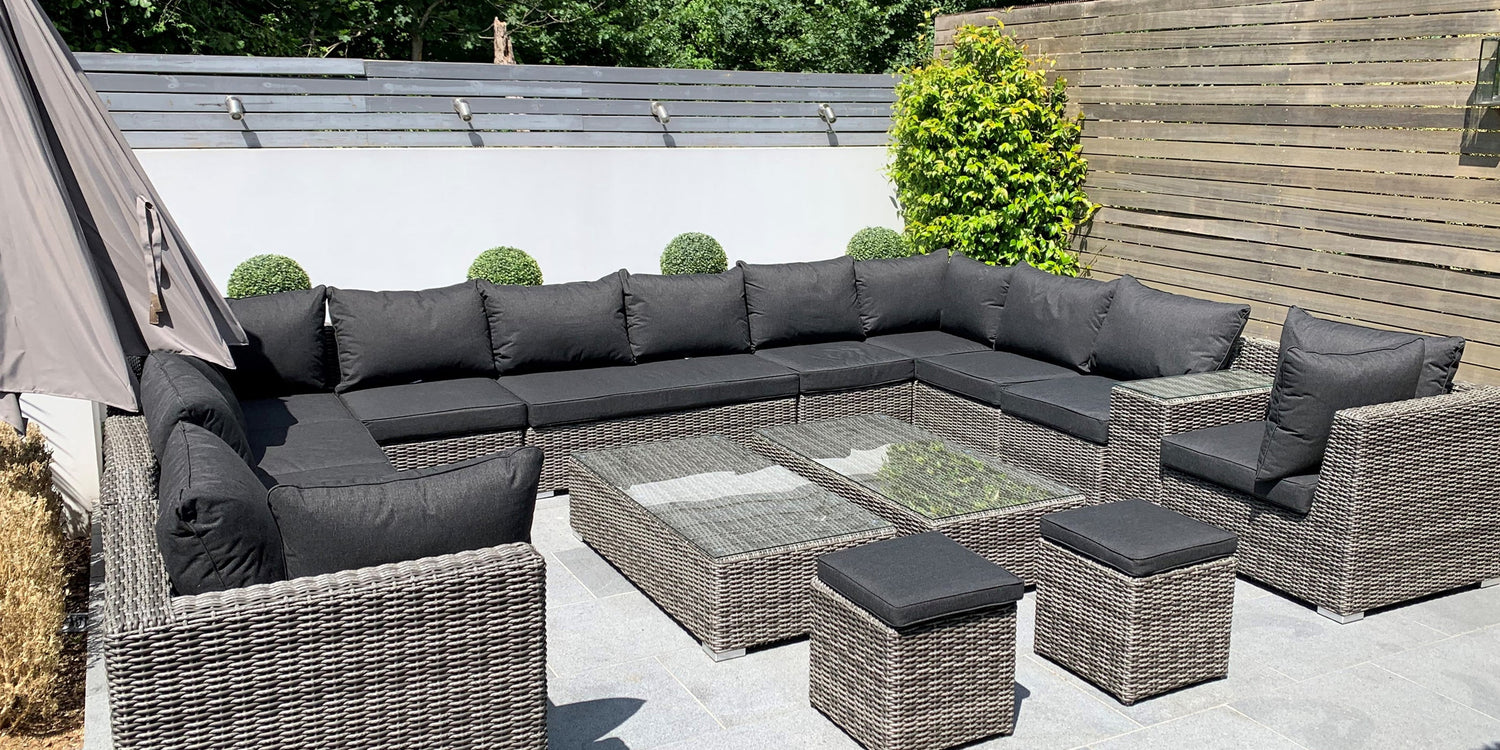
Credit: www.alexander-francis.co.uk
Frequently Asked Questions
How Often Should I Clean Outdoor Furniture?
Clean outdoor furniture every few weeks to prevent dirt buildup. Use mild soap and water, then rinse thoroughly. Regular cleaning preserves appearance and extends lifespan.
What Is The Best Way To Protect Outdoor Furniture?
Apply a suitable sealant or protective coating annually. Cover furniture during harsh weather. Proper protection prevents damage from sun, rain, and moisture.
How Can I Prevent Rust On Metal Outdoor Furniture?
Keep metal furniture dry and clean. Use rust-resistant paint or spray. Store indoors or cover when not in use to avoid rust formation.
Should I Cover Outdoor Furniture In Winter?
Yes, covering furniture protects it from snow and ice. Use waterproof, breathable covers to avoid moisture buildup. This reduces wear and tear during cold months.
Conclusion
Taking care of outdoor furniture keeps it strong and nice. Clean it often to stop dirt build-up. Cover or store it during bad weather. Use simple tools like soft cloths and mild soap. Check for damage and fix small problems early.
This helps your furniture last many years. Enjoy your outdoor space with well-kept furniture. Small efforts bring big results in comfort and style. Keep these tips in mind to protect your outdoor pieces. Your outdoor furniture will look fresh and inviting always.