Looking for a fun and cozy way to transform your bunk bed? Making a bunk bed tent is easier than you think, and it can turn your sleeping space into a magical hideaway.
Imagine having your own little fortress where you can read, play, or just relax. In this guide, you’ll discover simple steps and creative ideas to build a bunk bed tent that suits your style and needs. Ready to make your bunk bed the coolest spot in the house?
Let’s dive in!
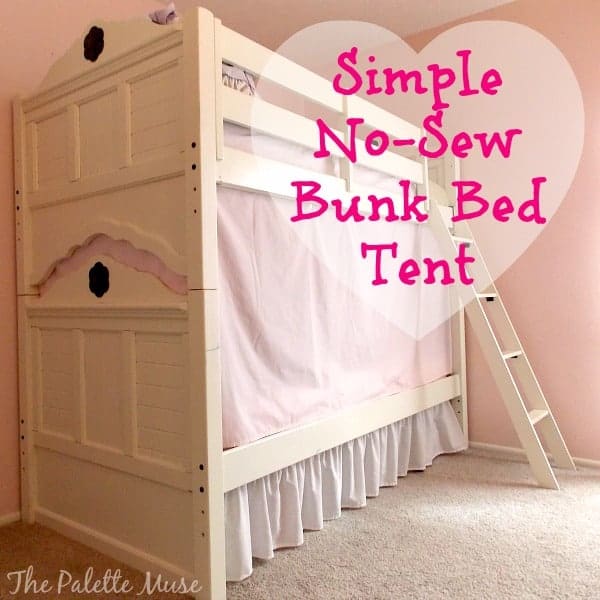
Credit: thepalettemuse.com
Choosing The Right Materials
Choosing the right materials is key to making a sturdy and cozy bunk bed tent. Good materials ensure safety and comfort. They also help the tent last longer and look nice. Picking the right items makes the building process easier and more fun. Focus on fabrics and basic supplies that fit your needs.
Selecting Fabric Types
Pick fabric that is strong but soft. Cotton and polyester blends work well. They are easy to clean and durable. Avoid heavy fabrics that make the tent hard to move. Light colors brighten the space inside the tent. Darker fabrics block light better for naps or bedtime. Consider if the fabric is breathable. This keeps the tent cool and fresh.
Gathering Basic Supplies
Start with a measuring tape to size the fabric. Scissors and fabric glue help cut and attach pieces. Strong clips or hooks hold the tent in place. Use lightweight rods or PVC pipes for the frame. These materials are easy to handle and safe. Gather some string or elastic bands for extra support. Keep all supplies within reach before starting the project.
Measuring Your Bunk Bed
Measuring your bunk bed is the first step to making a perfect bunk bed tent. Accurate measurements ensure the tent fits well and stays secure. This step helps avoid guesswork and saves time later. A well-measured tent looks neat and feels cozy for kids.
Taking Accurate Dimensions
Use a tape measure to get exact numbers. Measure the length, width, and height of the bed frame. Note the size of the mattress to cover it properly. Write down each measurement clearly. Double-check to avoid mistakes. Measure any rails or guardrails too, as these affect the tent shape.
Planning Tent Coverage
Decide how much of the bed you want to cover. Some prefer full coverage for a private space. Others like partial coverage to allow light inside. Add a few extra inches to each dimension. This helps the fabric wrap around edges and fasten well. Think about doors or windows you want on the tent. Mark these spots on your measurements for cutting fabric later.
Cutting And Preparing Fabric
Cutting and preparing fabric is a key step in making a bunk bed tent. It shapes the tent and ensures it fits well. Taking time here helps avoid mistakes later.
Use fabric that feels soft and strong. Measure carefully to get the right size. Prepare a clean space for cutting to keep fabric smooth and neat.
Marking Measurements
Start by measuring the bunk bed’s sides and top. Use a tape measure for exact numbers. Write down each measurement on paper.
Lay the fabric flat on a table or floor. Use a fabric chalk or pencil to mark the measurements. Draw straight lines for cutting guides.
Double-check all marks before cutting. Accurate marks help you cut the fabric perfectly.
Cutting With Precision
Use sharp fabric scissors for clean cuts. Cut slowly along the marked lines. Avoid jagged or uneven edges.
Keep the fabric flat while cutting. This prevents mistakes and wasted fabric. Cut one piece at a time for focus.
Trim any loose threads after cutting. This keeps the tent looking tidy and lasts longer.
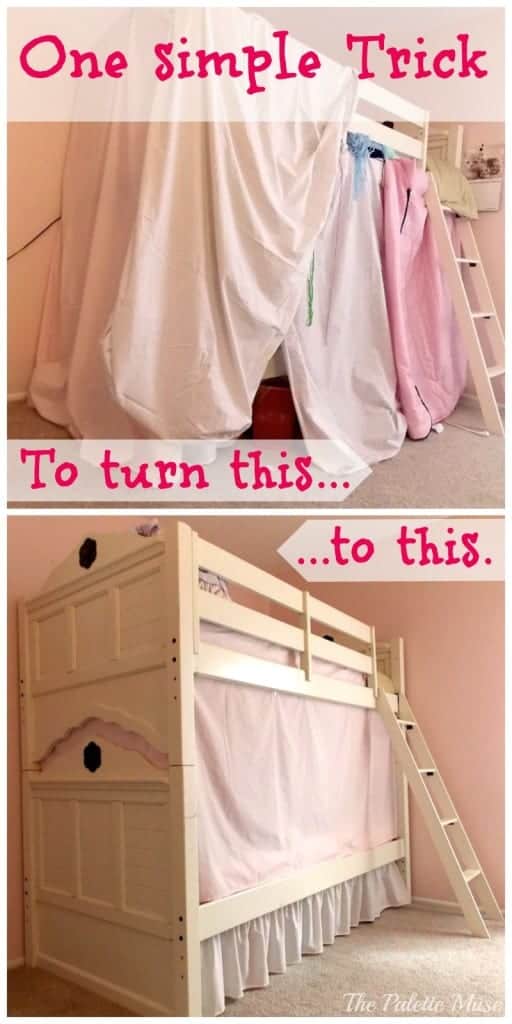
Credit: thepalettemuse.com
Assembling The Tent Panels
Assembling the tent panels is a key step in creating a cozy bunk bed tent. It involves joining fabric pieces to cover the bed frame fully. This step helps make the tent sturdy and easy to use. The panels should fit well and attach smoothly to the bed.
Choosing the right method to connect the fabric affects the tent’s look and durability. Two common ways are sewing or using fabric tape and adding Velcro or fasteners. Each method has its benefits. Let’s explore how to do both.
Sewing Or Using Fabric Tape
Sewing the panels creates strong, lasting seams. Use a simple straight stitch along the edges. This method works best for heavy fabrics like canvas or denim.
Fabric tape is a no-sew alternative. It sticks two fabric pieces together with heat or pressure. Fabric tape is quick and neat. It suits lighter fabrics and temporary tents.
Both sewing and fabric tape help keep panels aligned. Make sure edges meet evenly before joining. Press seams flat for a clean look.
Adding Velcro Or Fasteners
Velcro strips make panels easy to open and close. Sew or stick Velcro along the edges where panels meet. This lets kids enter or exit the tent easily.
Fasteners like snaps or buttons also work well. They add a secure hold and a fun detail. Choose fasteners that match your fabric weight.
Velcro and fasteners allow quick panel removal. This helps with cleaning or changing the tent design. Place them evenly to avoid gaps.
Attaching The Tent To The Bed
Attaching the tent to the bunk bed is a key step. It keeps the tent in place during play or sleep. This step makes the tent safe and fun. The right attachment method prevents slipping or falling. Choose tools that are easy to use and gentle on the bed frame.
Securing With Clips Or Ties
Clips and ties are simple ways to attach the tent. Use plastic clips to hold the fabric edges. They grip tightly without damaging the bed. Velcro ties work well around bedposts or rails. Wrap the ties and fasten them securely. Avoid tight knots that may tear the fabric. Make sure clips or ties are evenly spaced for balance.
Ensuring Stability And Safety
Check the tent for movement after attaching. Gently shake the tent to test its hold. Add extra clips or ties if it feels loose. Avoid heavy or sharp objects near the tent. Ensure no parts block the child’s breathing or vision. Keep the tent fabric away from heat sources. Stability and safety help the child enjoy the tent without worry.
Adding Cozy Touches
Adding cozy touches to a bunk bed tent makes it warm and inviting. Small details create a space that feels like a special hideout. Comfort and style work together to make the tent perfect for reading, playing, or resting.
Including Pillows And Blankets
Start with soft pillows to add comfort and color. Choose different sizes and shapes for variety. Use blankets to keep the space warm and snug. Pick blankets with fun patterns or soft textures. These items make the tent feel like a cozy nest.
Incorporating Lights And Decorations
Soft lights add a magical glow inside the tent. Use string lights or battery-operated fairy lights for safety. Small decorations like stuffed animals or wall decals add personality. Keep decorations simple to avoid clutter. These touches make the space feel special and inviting.
Tips For Maintenance And Cleaning
Keeping your bunk bed tent clean and well-maintained makes it last longer. It also keeps the space fresh and safe for kids to play in. Regular care prevents dust, stains, and odors from building up. Follow these simple tips to keep the fabric bright and the tent in good shape.
Removing And Washing Fabric
Start by carefully detaching the fabric from the frame. Check for any small tears or loose threads before washing. Use a gentle detergent and cold water to protect the fabric. Hand washing is best, but a delicate cycle in the washing machine works too. Avoid bleach or harsh chemicals that can damage the material. Air dry the fabric fully before putting it back. Never use a dryer, as heat can shrink or weaken the cloth.
Storing The Tent Properly
After cleaning, fold the fabric neatly to avoid wrinkles or creases. Store it in a cool, dry place away from sunlight. Use a breathable bag or container to keep dust off. Avoid plastic bags that trap moisture and cause mildew. Take the tent down carefully to prevent bending or breaking the frame. Keep all parts together to make reassembly easy. Proper storage keeps the tent ready for fun whenever you want.

Credit: tillyandtheboys.wordpress.com
Frequently Asked Questions
How Do I Start Making A Bunk Bed Tent?
Begin by measuring the bunk bed frame. Choose lightweight fabric or sheets. Use clips or ties to secure the fabric around the bed. Ensure easy access and ventilation for safety and comfort.
What Materials Are Best For Bunk Bed Tents?
Choose breathable, durable fabrics like cotton or polyester. Use lightweight sheets for easy handling. Avoid heavy materials that block airflow. Clips, string lights, and cushions enhance comfort and decoration.
How Can I Secure The Tent Fabric Safely?
Use strong clips, Velcro straps, or ties to fasten fabric. Avoid nails or sharp objects that damage the bed. Check stability regularly to prevent slipping or falling. Safety is key for a secure tent.
Can I Add Lighting Inside The Bunk Bed Tent?
Yes, use battery-operated LED string lights or small lamps. Avoid candles or heat sources to prevent fire hazards. Soft lighting creates a cozy and fun atmosphere inside the tent.
Conclusion
Creating a bunk bed tent adds fun to any bedroom. It brings a cozy, private space for kids to enjoy. Use simple materials and follow easy steps for best results. Let your child’s imagination run wild inside their new hideout.
This project offers both comfort and creativity. Try making one and watch smiles grow. A small effort creates big joy. Time to start building your own bunk bed tent today!