Are you looking for a unique, budget-friendly way to create a cozy home for your ferret? Transforming an ordinary bookshelf into a ferret cage might be the perfect solution.
Not only can you save money, but you’ll also give your furry friend a custom space that fits your style and their needs. In this guide, you’ll discover simple steps and clever tips to make a safe, comfortable, and fun cage using something you probably already have at home.
Ready to give your ferret a new favorite hangout? Keep reading to learn how!
Choosing The Right Bookshelf
Choosing the right bookshelf is the first step in making a safe and comfortable ferret cage. The bookshelf needs to fit your space and meet your ferret’s needs. Picking the right size, material, and sturdiness will make a big difference in your project’s success.
Size And Dimensions
Pick a bookshelf that offers enough space for your ferret to move and play. The height should allow room for shelves or platforms inside. Depth and width must fit your room and give the ferret enough space to explore. Avoid very narrow or small bookshelves that limit movement.
Material Considerations
Wood and metal bookshelves work best for ferret cages. Wood is easy to modify but must be sealed to resist chewing and moisture. Metal is strong and safe but can be cold. Avoid particleboard or flimsy materials that can break or absorb odors. Choose materials safe and non-toxic for your pet.
Sturdiness And Stability
Your bookshelf should hold up well under your ferret’s activity. Check for strong joints and solid shelves. The cage must not wobble or tip over easily. Add extra supports if needed for stability. A stable cage keeps your ferret safe and comfortable.

Credit: ikeahackers.net
Gathering Tools And Materials
Before building a ferret cage from a bookshelf, gather all tools and materials. This step saves time and helps the work go smoothly. Having everything ready means you avoid pauses to find supplies. It also ensures the cage will be safe and sturdy for your ferret.
Essential Tools
Start with basic tools for cutting and assembling. A saw works well to modify the bookshelf parts. Use a drill for making holes and fixing screws. Screwdrivers are needed to tighten screws securely. A measuring tape helps check sizes accurately. Sandpaper smooths rough edges to protect your ferret. Pliers assist in bending wires or removing nails.
Additional Supplies
Besides tools, collect materials for the cage structure. Wire mesh creates the cage sides and door. Hinges allow the door to open and close easily. Screws and nails hold parts together firmly. Wood glue adds extra strength between pieces. Paint or sealant protects the wood from wear and moisture. Latches keep the cage securely closed.
Safety Gear
Protect yourself during the project with proper safety gear. Wear gloves to avoid cuts from sharp edges. Safety glasses shield your eyes from dust and flying debris. A dust mask helps keep dust out of your lungs. Use ear protection when using loud power tools. Dress in clothes that cover your skin well.
Preparing The Bookshelf
Preparing the bookshelf is a key step before turning it into a ferret cage. It needs to be safe and sturdy for your pet. This part of the project focuses on cleaning, removing parts you don’t need, and making the structure stronger. Taking time here helps avoid problems later and keeps your ferret happy and secure.
Cleaning And Sanding
Start by cleaning the bookshelf thoroughly. Remove dust, dirt, and any sticky spots. Use a damp cloth and mild soap for best results. Let it dry completely before moving on.
Next, sand all surfaces to smooth out rough edges. Focus on sharp corners and splinters. Sanding prevents injuries and helps paint or sealant stick better.
Removing Unnecessary Parts
Look at the bookshelf and decide which parts to remove. Take out shelves or panels that will block ventilation or limit space. Use a screwdriver or saw carefully to detach these parts.
Removing these pieces creates more room for your ferret to move. It also improves airflow inside the cage, keeping it fresh and safe.
Strengthening The Structure
Check the bookshelf for weak spots. Tighten loose screws and nails. Add brackets or wooden braces to corners for extra support.
Strengthening the frame makes the cage more durable. It stops wobbling and keeps your ferret safe inside. A solid structure lasts longer and holds up to daily use.
Creating Ventilation And Access
Creating ventilation and access in a ferret cage made from a bookshelf is very important. Ferrets need fresh air to stay healthy and doors to move in and out easily. Proper airflow keeps the cage clean and comfortable. Easy access helps with feeding and cleaning. This section explains how to add wire mesh panels, install doors and latches, and ensure good airflow.
Adding Wire Mesh Panels
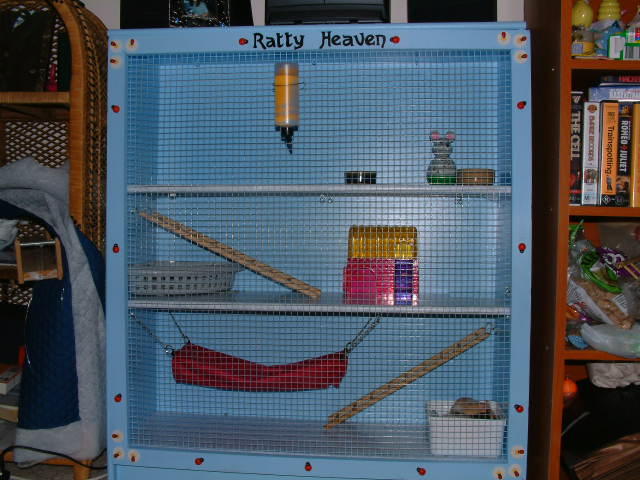
Wire mesh panels allow air to flow freely inside the cage. Choose a strong mesh with small openings to keep ferrets safe. Cut the mesh to fit the bookshelf sides or back. Attach it with staples or small nails. Make sure the mesh is tight and secure. This stops ferrets from escaping and lets fresh air inside.
Installing Doors And Latches
Doors give you easy access to your ferret’s cage. Use parts of the bookshelf or add new frames for the doors. Attach hinges for smooth opening and closing. Add secure latches to keep doors closed. Choose latches ferrets cannot open. This ensures safety and helps you feed and clean quickly.
Ensuring Proper Airflow
Good airflow reduces bad smells and stops dampness. Leave gaps or add vents in the cage design. Place wire mesh panels on opposite sides to create airflow paths. Avoid blocking vents with bedding or toys. Check airflow regularly to keep the cage fresh. This helps your ferret stay healthy and happy.
Adding Comfort Features
Adding comfort features to your ferret cage is key to keeping your pet happy and healthy. A cozy space helps reduce stress and encourages natural play. Simple upgrades transform a basic bookshelf cage into a lively home. Focus on creating areas for climbing, resting, and hiding. Each feature should be safe and easy to clean.
Installing Shelves And Ramps
Shelves create extra space for your ferret to explore. Use sturdy wood or plastic shelves that fit inside the bookshelf. Attach ramps between shelves for easy climbing. Cover ramps with non-slip material to prevent falls. Make sure shelves are spaced properly to avoid injury. These additions increase vertical play areas and keep your ferret active.
Adding Bedding And Hiding Spots
Soft bedding makes a perfect resting area. Use washable materials like fleece or cotton. Place bedding in corners or on shelves for comfort. Hiding spots help your ferret feel safe. Small boxes or fabric tents work well. Position hiding places in quiet parts of the cage. These cozy areas reduce anxiety and improve sleep quality.
Incorporating Toys And Accessories
Toys keep your ferret entertained and mentally sharp. Choose chew toys, tunnels, and hanging items. Attach toys securely to the cage to avoid choking hazards. Rotate toys often to maintain interest. Add water bottles and food bowls in easy spots. These accessories support your ferret’s daily needs and play habits.

Credit: www.librosdealdaran.com
Final Safety Checks
Final safety checks are essential before letting your ferret into its new cage. These checks protect your pet from injury and escape risks. Take your time and carefully inspect every part of the cage. Small issues can turn into big problems later.
Securing Loose Parts
Loose parts can harm your ferret or allow it to escape. Tighten all screws and bolts firmly. Check shelves, doors, and panels for any wiggle. Use extra brackets or clips if needed. Ensure nothing moves when you push or pull.
Checking For Sharp Edges
Sharp edges can cut your ferret’s skin. Run your hand along all corners and surfaces. Sand down rough spots or cover them with tape. Look inside corners and joints carefully. Smooth surfaces keep your pet safe and comfortable.
Testing Door Functionality
Doors must open easily but stay secure when closed. Open and close all doors several times. Check that locks or latches work well. Make sure your ferret cannot push doors open. A well-functioning door keeps your pet safe inside.
Maintenance Tips
Keeping your ferret cage made from a bookshelf in good shape is important. Regular care helps your pet stay safe and happy. It also makes the cage last longer. Small efforts every day make a big difference. Here are some simple tips to maintain your ferret’s home.
Regular Cleaning
Clean the cage at least twice a week. Remove old bedding and waste. Wipe down shelves with mild soap and water. Rinse well to avoid harmful chemicals. Dry the cage completely before adding fresh bedding. This keeps your ferret healthy and the cage fresh.
Monitoring Wear And Tear
Check the cage often for damage. Look for loose screws or splinters. Fix any broken parts quickly. Broken areas can hurt your ferret or let it escape. Tighten shelves and secure doors every week. A strong cage protects your pet well.
Adjusting For Seasonal Changes
Change the bedding type with the seasons. Use thicker bedding in cold months for warmth. Switch to lighter bedding in summer to keep it cool. Watch the cage for drafts or too much heat. Adjust placement or add covers to keep your ferret comfy.
Credit: www.geocities.ws
Frequently Asked Questions
What Materials Are Needed To Make A Ferret Cage From A Bookshelf?
You need a sturdy bookshelf, wire mesh, zip ties, hinges, and a latch. Ensure all materials are safe and ferret-proof to prevent escapes or injuries.
How Do I Ensure Proper Ventilation In A Bookshelf Ferret Cage?
Install wire mesh panels on the bookshelf’s sides and back. This allows airflow while keeping your ferret safely inside the cage.
Can I Customize The Size Of The Ferret Cage Using A Bookshelf?
Yes, choose a bookshelf size that suits your ferret’s needs. Add or remove shelves to create multiple levels for play and rest.
How Do I Secure The Cage Doors On A Bookshelf Ferret Cage?
Use strong hinges and a secure latch or lock. This prevents your ferret from opening the cage and escaping.
Conclusion
Building a ferret cage from a bookshelf saves money and space. It gives your pet a cozy, fun home to explore. Using simple tools and materials makes the project easy. Remember to make the cage safe and comfortable for your ferret.
Personalize it with ramps and toys for more fun. This DIY cage shows care and creativity in pet care. Enjoy watching your ferret play in its new home every day.