
Are you ready to create a cozy and sturdy bunk bed that brings a rustic charm to your space? Making a log bunk bed might sound challenging, but with the right steps, you can build a beautiful piece that lasts for years.
Imagine your kids climbing up and down a bed you crafted yourself—safe, solid, and full of character. This guide will walk you through every detail, making the process simple and enjoyable. Keep reading to discover how you can turn raw logs into a stunning bunk bed that fits perfectly in your home.

Credit: www.youtube.com
Choosing The Right Logs
Choosing the right logs is the first step in building a sturdy log bunk bed. The wood you pick affects the bed’s strength and look. Good logs make your project safer and last longer.
Think about the type of tree and the quality of the logs. These factors decide how well the bed holds up over time.
Selecting Tree Types
Choose tree types that are strong and easy to work with. Pine, cedar, and oak are popular choices. Pine is soft and light, making it easy to carve. Cedar resists bugs and rot, good for long use. Oak is very strong but harder to cut. Pick wood that fits your tools and skills.
Sizing And Quality Tips
Look for logs that are straight and free of cracks. Avoid logs with many knots; they weaken the wood. The logs should be thick enough to support weight. Usually, 4 to 6 inches in diameter works well. Check the wood for dryness. Dry logs shrink less and hold nails better. Proper size and quality help your bunk bed stay safe and stable.
Gathering Tools And Materials
Starting a log bunk bed project needs careful planning. Gathering the right tools and materials saves time and effort. It ensures the bed is strong and safe. Prepare everything before you begin cutting or assembling. This step is key to a smooth build.
Essential Tools List
- Measuring tape for accurate dimensions
- Hand saw or chainsaw for cutting logs
- Power drill with drill bits
- Hammer and nails
- Wood clamps to hold pieces steady
- Level to check evenness
- Safety goggles and gloves
- Sandpaper or power sander
Additional Supplies
- Wood screws for strong joints
- Wood glue for extra hold
- Wood stain or sealant for protection
- Wood filler for gaps or holes
- Paintbrushes or rags for applying finish
- Drop cloth to protect floors
- Extra logs or planks for support
Preparing The Logs
Preparing the logs is the first step in making a sturdy log bunk bed. This step ensures the wood is clean, dry, and the right size for building. Proper preparation helps the bed last longer and stay strong.
Start by cleaning the logs and removing the bark. Then, dry the logs to avoid warping. Finally, cut the logs to the sizes needed for your bed design.
Debarking And Drying
Remove the bark from each log using a drawknife or a chisel. Bark holds moisture and pests, so it must come off. After debarking, dry the logs in a covered area with good air flow.
Drying can take weeks or months, depending on the wood type. Dry logs reduce the chance of cracking and shrinking after construction. Check the logs regularly during drying for any signs of mold or damage.
Cutting To Size
Measure the logs carefully before cutting. Use a saw to cut the logs into the lengths needed for the bed frame and supports. Make clean, straight cuts to ensure a good fit.
Label each piece after cutting to keep track of its place in the bed. This step saves time during assembly and prevents confusion.
Designing The Bed Frame
Designing the bed frame is the first step in making a log bunk bed. This step shapes the whole project. A strong frame keeps the bed safe and sturdy.
Careful planning helps avoid problems later. Think about size, style, and wood type. The design should fit the room and the users’ needs.
Basic Frame Layout
The frame starts with four main posts. These posts hold the bed’s weight. Use thick logs for strength. Connect posts with horizontal logs for support.
Create two levels for the bunk bed. The top bunk needs strong side rails. Make sure the space between bunks is enough to sit up.
Measure carefully to fit standard mattresses. Keep the frame simple for easier building. A clear layout guides each step.
Incorporating Safety Features
Safety is very important for bunk beds. Add guardrails on the top bunk to prevent falls. Use smooth logs to avoid splinters.
Check all joints to be tight and secure. Sand all edges and corners to make them round. Make a sturdy ladder with wide steps and attach it firmly.
Leave enough space between ladder steps for easy climbing. Test the bed’s strength before use. Safety keeps everyone happy and injury-free.
Assembling The Bed Frame
Assembling the bed frame is a key step in building a log bunk bed. This part gives the structure its strength and shape. Careful work here means a safe and sturdy bed. Take your time to fit all parts well.
Joining Techniques
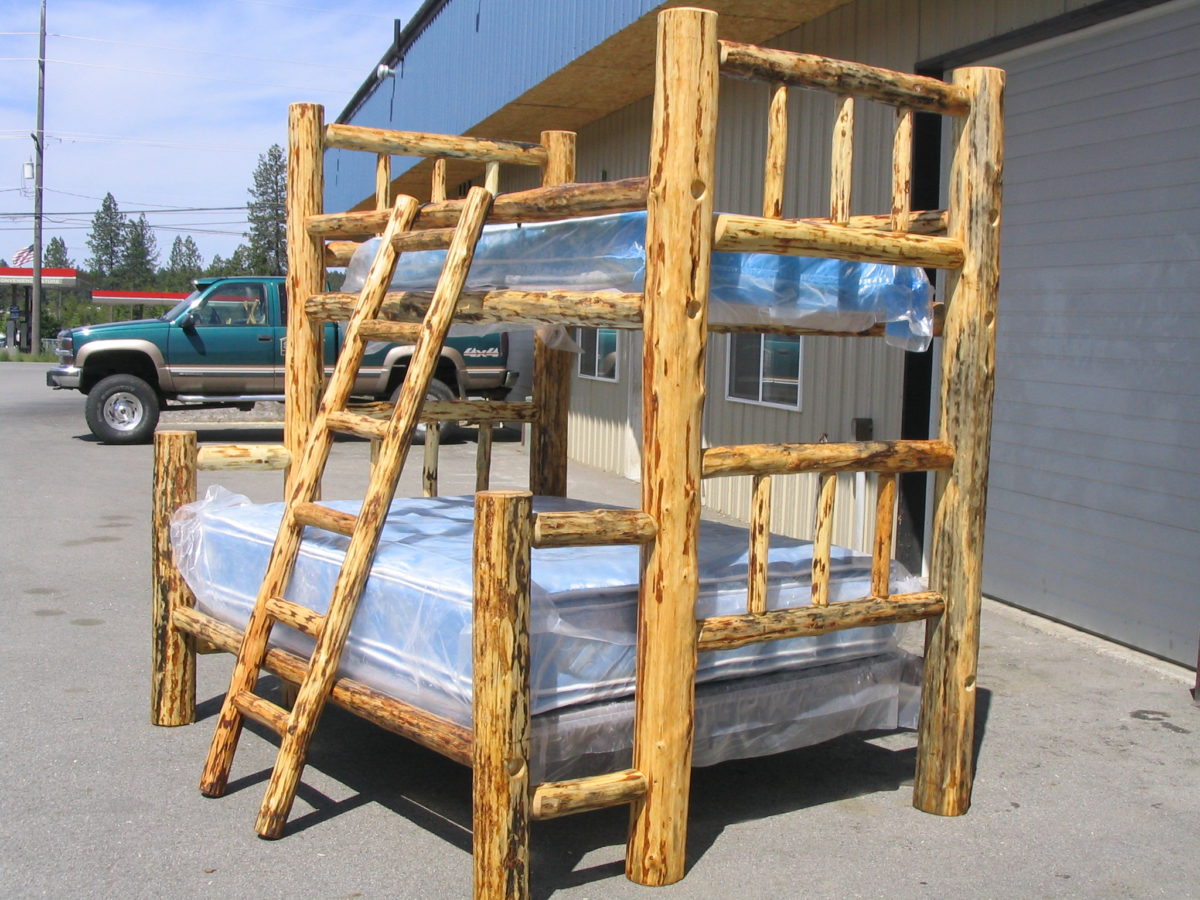
Start by choosing the right way to join the logs. Common methods include notches and dowels. Notches fit logs together like puzzle pieces. Dowels are wooden pins that hold logs tight. These techniques keep the frame strong without nails.
Cut the logs carefully to match the chosen join. Check each piece fits snugly. Tight joints make the bed more stable. Use a mallet to tap logs into place gently.
Securing Joints
After joining, secure the connections firmly. Use wood glue for extra hold. Clamp the joints until the glue dries. This step stops the logs from moving over time.
Add screws or bolts for more strength. Drill holes first to avoid splitting the wood. Tighten bolts evenly on all corners. Secure joints keep the frame solid for years.
Credit: nilogfurn.com
Adding Support And Slats
Adding support and slats is a key step in building a log bunk bed. The support holds the mattress and keeps the bed strong. The slats spread the weight evenly. This makes the bed safe and comfortable. Proper support stops the bed from sagging or breaking over time.
Positioning Slats
Place the slats evenly across the bed frame. Space them about 2 to 3 inches apart. This allows air to flow under the mattress. Make sure the slats rest securely on the side rails. Slats should not be too far apart. Close spacing gives better mattress support. Check that all slats are flat and level.
Reinforcement Methods
Use screws or nails to fix the slats firmly. Add extra support beams under the middle if the bed is wide. Attach corner braces to strengthen the frame joints. Check all connections for tightness. Reinforcement prevents wobbling and improves safety. Use wood glue along with screws for a stronger bond. Reinforce the bed before placing the mattress.
Finishing Touches
The finishing touches on your log bunk bed bring out its best look and feel. These final steps protect the wood and make the bed safe and comfortable. Pay close attention to these details for a smooth, polished result.
Sanding And Smoothing
Start by sanding all surfaces of the bunk bed. Use medium-grit sandpaper to remove rough spots and splinters. Then switch to fine-grit sandpaper for a smooth finish. Sand along the wood grain to avoid scratches.
Check corners and edges carefully. Rounded edges prevent injuries and add a soft look. Wipe away dust with a damp cloth before moving to the next step.
Applying Protective Coatings
Choose a protective coating that suits your wood type and room use. Options include clear varnish, wood oil, or a non-toxic sealant. These coatings guard against moisture, stains, and wear.
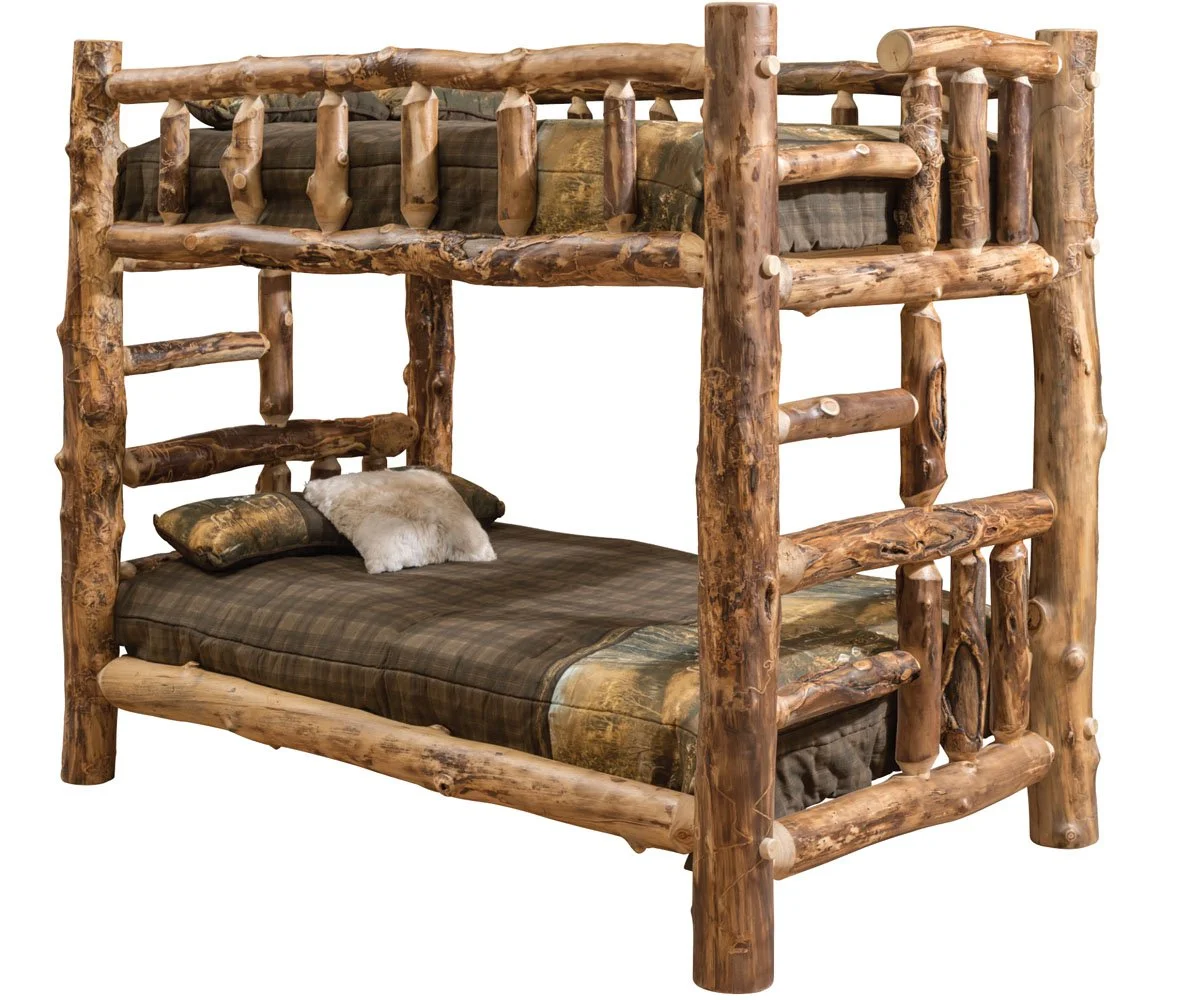
Apply the coating evenly with a brush or cloth. Let each layer dry fully before applying another. Two to three coats usually work well. This finish keeps your bunk bed looking great for years.
Credit: www.maandpas.com
Maintaining Your Log Bunk Bed
Maintaining your log bunk bed keeps it safe and strong for years. Wood can change with weather and use. Regular care stops small problems from growing. It also keeps the bed looking great and comfortable for sleeping.
Regular Inspections
Check your log bunk bed often. Look for cracks or splits in the wood. Tighten loose screws or bolts. Watch for any wobbling or shaking. Inspect the ladder and guardrails carefully. Catching issues early helps avoid big repairs.
Repair Tips
Fix small cracks with wood glue or filler. Sand rough spots to prevent splinters. Replace broken parts quickly for safety. Use the same type of wood for repairs. Apply wood sealant to protect from moisture. Clean the bed with a soft cloth and mild soap. Avoid harsh chemicals that can damage the wood.
Frequently Asked Questions
What Materials Are Needed To Build A Log Bunk Bed?
You need sturdy logs, wood screws, a saw, drill, measuring tape, sandpaper, and wood finish. Choose durable wood for safety and stability. Proper tools ensure precise cuts and secure assembly for a strong bunk bed.
How Do You Ensure Safety In A Log Bunk Bed?
Use thick logs for strong support and secure all joints tightly. Add guardrails on the top bunk and a sturdy ladder. Sand edges smooth to prevent splinters and regularly check for loose parts.
What Is The Best Wood Type For Log Bunk Beds?
Cedar, pine, or oak are ideal due to strength and durability. Cedar resists insects and decay, pine is affordable, and oak offers excellent sturdiness. Choose wood that fits your budget and style preferences.
How Long Does It Take To Make A Log Bunk Bed?
Building a log bunk bed usually takes 2 to 4 days. Time varies by skill level and tools available. Planning and measuring carefully can reduce construction time and ensure accuracy.
Conclusion
Building a log bunk bed can be fun and rewarding. Follow each step with care and patience. Use the right tools and strong materials. Take your time to measure and cut correctly. Safety matters, so check all connections twice. A sturdy bunk bed lasts for many years.
Enjoy the natural look and cozy feel it brings. Now, you have a unique piece made by your hands. Keep practicing to improve your woodworking skills. Your effort shows in every detail and finish.