Are you looking to display data clearly in your Java console programs? Learning how to make a table in the Java console can transform your output from messy lines of text into neat, easy-to-read information.
Whether you’re a beginner or want to sharpen your coding skills, this guide will show you simple steps to create clean tables right in your console. By the end, you’ll be able to present your data like a pro, making your programs more impressive and easier to understand.
Ready to take your Java skills up a notch? Let’s dive in!
Setup Java Console Environment
Setting up a Java console environment is the first step to writing and running Java programs. This setup lets you write code, compile it, and see the output in a console window. A good setup makes coding easier and helps avoid errors.
The setup process includes installing the Java Development Kit, choosing a code editor, and running a simple Java program. Each step is easy to follow and does not take much time.
Install Java Development Kit
The Java Development Kit (JDK) is the software needed to write and run Java programs. Download the latest JDK from the official Oracle website or an open-source provider. Choose the version that matches your computer’s operating system. Follow the installation instructions carefully. After installation, check if Java is installed by opening the command prompt and typing java -version. This confirms the JDK is ready to use.
Choose An Ide Or Text Editor
An Integrated Development Environment (IDE) or text editor helps you write Java code easily. Popular IDEs include Eclipse, IntelliJ IDEA, and NetBeans. These tools provide features like code suggestions and error checking. If you prefer a simple tool, use Notepad or VS Code. Choose one that feels comfortable and fits your needs. The right editor improves productivity and reduces mistakes.
Run A Simple Java Program
Start by writing a simple Java program. Open your chosen editor and type a basic “Hello, World!” program. Save the file with a .java extension. Use the command prompt or terminal to compile the file with javac filename.java. Then run the program using java filename. You will see the program’s output in the console. This step confirms your environment works correctly.
Basic Console Output Techniques
Basic console output techniques are essential for displaying information in Java programs. They help you show text and data clearly on the screen. Understanding these techniques makes it easier to create tables and formatted output in the console.
Simple commands print text. Formatting adds style and structure. Combining text with variables shows dynamic data.
Using System.out.print And Println
System.out.print displays text without moving to a new line. Use it to keep output on the same line. System.out.println prints text and moves to the next line. It is useful for starting new lines in the output. Both are basic but powerful for console printing.
Formatting With Escape Characters
Escape characters add special formatting in text. Use \n for a new line and \t for a tab space. These characters help align text in columns, making tables easier to read. Escape sequences control the layout inside the console window.
Combining Text And Variables
Combine text and variables using the + operator. This shows variable values with descriptive text. For example, print a label and a number together. This method creates clear and informative output for users. Variables update data while text explains it.
Creating Simple Tables
Creating simple tables in a Java console can make your output clear and organized. Tables help show data in rows and columns. This makes it easier to read and understand information quickly. You can create tables with basic tools in Java. No need for complex libraries or graphics.
Start with plain text and arrange it in a neat way. Use spaces or tabs to align the columns. Print headers to label each column. Then print rows with your data. This way, your table looks clean and professional.
Aligning Columns With Tabs
Tabs are a quick way to separate columns in Java console. Each tab moves the cursor to the next tab stop. This helps line up text in columns. Use \t to add tabs between data items.
Example:
System.out.println("Name\tAge\tCity"); System.out.println("Anna\t23\tParis"); System.out.println("John\t30\tLondon");This code prints columns that line up nicely. Tabs keep the spacing consistent across rows.
Using Spaces For Consistency
Spaces give more control over column width. You can add extra spaces to make columns the same size. This is useful if your data length varies a lot.
Use string methods to pad data with spaces. For example, String.format() can set fixed widths.
System.out.println(String.format("%-10s %-5s %-10s", "Name", "Age", "City")); System.out.println(String.format("%-10s %-5d %-10s", "Anna", 23, "Paris")); System.out.println(String.format("%-10s %-5d %-10s", "John", 30, "London"));This prints a table with columns aligned by spaces. Each column has a fixed width.
Printing Headers And Rows
Start your table with a header row. Headers explain what each column means. Print the header first using tabs or spaces.
Next, print each row of data underneath. Keep the same column alignment for all rows. This keeps the table readable and neat.
Example:
System.out.println("Name\tAge\tCity"); System.out.println("-------------------------"); System.out.println("Anna\t23\tParis"); System.out.println("John\t30\tLondon");The line below headers separates them from data. This adds clarity to your table output.
Advanced Table Formatting
Advanced table formatting in a Java console helps display data clearly. It improves readability and gives a neat look to your output. Using simple techniques, you can align text, adjust columns, and handle different data sizes.
These methods make your console tables look professional and easy to read. Let’s explore some useful ways to format tables in Java.
String.format For Alignment
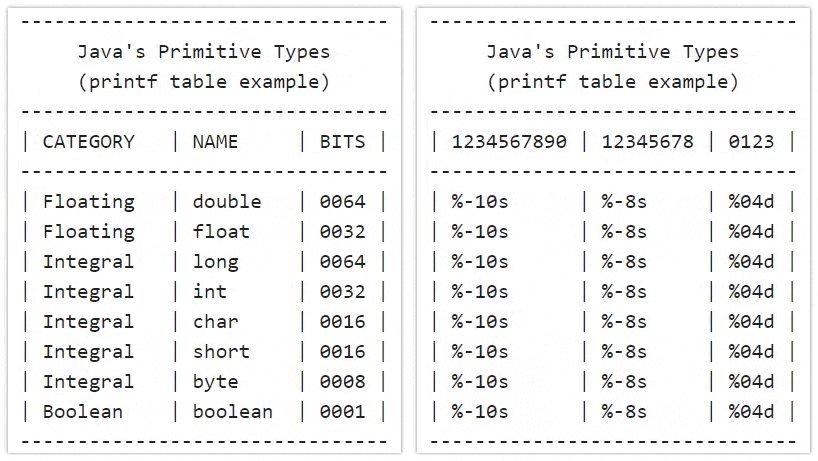
String.format is a simple way to format text. It allows you to align strings and numbers within a fixed width. Use format specifiers like %s for strings and %d for integers.
You can set minimum width and alignment using symbols. For example, %-10s left-aligns a string in a 10-character space. Right-align with %10s. This keeps columns tidy and consistent.
Using Formatter Class
The Formatter class offers more control for formatting output. It works like String.format but can write directly to output streams.
Create a Formatter object and use its format() method. You can define formats for each column. This method suits complex tables with many rows and columns.
Formatter also supports locale settings, helping format numbers and dates properly.
Handling Variable Column Widths
Tables often have columns with different content lengths. To handle this, calculate the maximum width of each column first. Loop through your data and find the longest string or number.
Use this width to set the column size in String.format or Formatter. This way, columns adjust dynamically and stay aligned. It avoids cutting off data or leaving too much space.
This approach makes your table flexible and easy to read regardless of data size.
Building Dynamic Tables
Building dynamic tables in a Java console helps display data clearly. It allows easy updates when data changes. This method works well for arrays and lists. Dynamic tables save time and make the output neat. Let’s explore key steps to create them.
Reading Data From Arrays
Start by storing your data in arrays. Arrays hold information like names, numbers, or dates. Use simple loops to access each array element. This way, the table shows all data without missing parts. Arrays make managing data easier and faster.
Looping Through Table Rows
Use loops to go through each row of the table. Each loop cycle prints one row with all columns. This keeps the process automated and avoids manual work. You can add or remove rows by changing the array size. Loops keep your table flexible and tidy.
Adjusting Column Width Dynamically
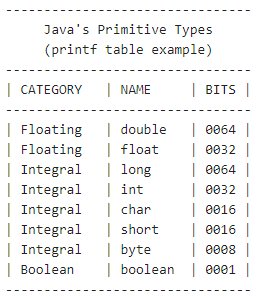
Set column width based on the longest text in each column. Check each cell’s length during the loop. Update the column width if you find longer text. This keeps the table aligned and easy to read. Dynamic width stops text from overlapping or cutting off.
Credit: www.theserverside.com
Enhancing Table Output
Enhancing table output in a Java console makes data easier to read and understand. Simple tables can look plain and confusing. Adding visual elements improves clarity. These tips help your tables look neat and professional.
Adding Borders And Separators
Borders frame the table and separate rows clearly. Use characters like |, -, and + to create lines around cells. This helps users see where one column ends and another begins. Simple borders make large tables easier to scan quickly.
For example, use plus signs (+) at corners and dashes (-) for horizontal lines. Vertical bars (|) separate columns. This structure guides the eye across rows and down columns.
Highlighting Headers
Headers show what each column means. Make them stand out by using uppercase letters or extra spacing. Adding a line of dashes below headers separates them from data. This helps readers identify categories fast.
Another way is to add symbols or change the header’s style. Clear headers reduce confusion and make the table user-friendly.
Improving Readability With Colors
Colors catch attention and improve focus. Use ANSI escape codes to add color in the Java console. Color headers differently from data cells to separate sections visually. Use soft colors to avoid strain on the eyes.
Color coding can also highlight important data or warnings. It guides readers through the table without extra words. This small touch boosts the table’s overall impact.
Common Issues And Fixes
Creating tables in a Java console can sometimes be tricky. Common problems may occur during the process. Knowing these issues helps in fixing them quickly. This section covers frequent problems and easy solutions.
Dealing With Misaligned Columns
Columns may not line up correctly in console tables. This happens when text lengths vary. Use fixed-width fonts to improve alignment. Set a specific width for each column. Pad shorter text with spaces to match the width. This method keeps columns neat and tidy.
Handling Long Text Entries
Long text can break the table layout. It may push other columns out of place. Limit the length of each entry. Cut extra characters and add “…” at the end. Another option is to wrap long text to a new line. Both methods keep the table readable.
Ensuring Cross-platform Consistency
Console output may differ between operating systems. Windows and Linux handle spaces and fonts differently. Test your table on multiple platforms. Use simple characters like pipes (|) and dashes (-). Avoid special characters that may render incorrectly. This ensures the table looks the same everywhere.

Credit: stackoverflow.com
Credit: www.theserverside.com
Frequently Asked Questions
How Do I Create A Simple Table In Java Console?
To create a table, use loops to print rows and columns. Format data with spaces or tabs for alignment. Use System. out. printf for structured output. This method ensures your table is clear and readable in the console.
What Java Methods Help Format Tables In Console Output?
System. out. printf and String. format are key for table formatting. They let you set column width, alignment, and data type. Using these methods makes your console table organized and visually appealing.
Can I Display Dynamic Data In A Java Console Table?
Yes, you can use arrays or lists to store data. Loop through these structures to print each row dynamically. This approach adapts the table size to your data, ensuring flexibility in display.
How Do I Align Columns Properly In Java Console Tables?
Use format specifiers in printf like % -10s for left alignment. Consistent column width ensures neat alignment. This technique helps maintain the table’s readability and professional appearance.
Conclusion
Making a table in Java console is simple and useful. You can show data clearly and neatly. Use loops and print statements to build your table step by step. Practice these methods to improve your coding skills. Keep your code clean and organized for better results.
Try different formats to fit your needs. Coding tables helps you understand Java better. Keep experimenting and have fun with it.

