Are you ready to build your own bookshelf speaker boxes and take your audio experience to the next level? Making your own speaker boxes lets you customize the sound, size, and style exactly how you want.
Plus, it’s easier than you might think. In this guide, you’ll discover simple steps and insider tips that will help you create sturdy, great-sounding speaker boxes, even if you have little experience. Keep reading, and soon you’ll have speaker boxes that not only look great but deliver clear, powerful sound every time you play your favorite music.
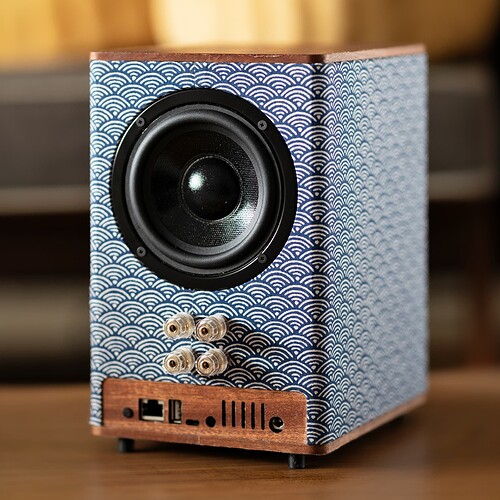
Credit: www.arylic.com
Choosing The Right Materials
Choosing the right materials is key to building strong bookshelf speaker boxes. The materials affect sound quality and durability. Picking good wood and tools makes the building process easier and the final product better.
Strong, dense wood helps reduce vibrations and unwanted noise. The right tools help you cut and join pieces cleanly. This section covers the best wood types and essential supplies for your speaker boxes.
Types Of Wood For Speaker Boxes
Medium-density fiberboard (MDF) is a top choice for speaker boxes. It is dense and smooth, which helps create clear sound. MDF is easy to cut and glue. It also costs less than solid wood.
Plywood is another good option. It is lighter than MDF and has good strength. Choose high-quality plywood with many layers for better sound quality. Avoid soft plywood, which can vibrate too much.
Solid wood looks nice but can cause sound problems. Wood can absorb moisture and warp. Use solid wood only if you seal it well.
Essential Tools And Supplies
Start with a good saw. A table saw or circular saw works well for straight cuts. A jigsaw helps with curves or small cuts. Sandpaper smooths rough edges and improves finish.
Wood glue and clamps are must-haves for strong joints. Use screws for extra support. A drill makes pilot holes for screws. Measuring tools like a tape measure and square keep your cuts accurate.
Sealants or paint protect wood and improve looks. Use a brush or spray for an even coat. Good tools and supplies help you build neat, durable speaker boxes.
Designing Your Speaker Box
Designing your bookshelf speaker box is the first step to great sound. The design affects how your speakers perform. It shapes the sound quality and the look of your speakers. Careful planning helps you build a box that fits your needs and space. Start by thinking about size, volume, shape, and style.
Determining The Size And Volume
Size matters a lot in speaker boxes. The volume inside the box controls the bass and overall sound. Too small a box can choke the speaker’s sound. Too big a box may cause weak bass. Measure your speaker’s specifications first. Use these numbers to find the right box volume. Aim for a snug fit that lets the sound flow well. Use simple tools or online calculators to help. Remember, the right volume makes your speakers sound clear and full.
Selecting The Shape And Style
Shape changes how sound moves inside the box. Rectangular boxes are easy to build and common. They work well for most speakers. Rounded edges reduce vibrations and improve sound. You can choose angled or curved designs for style. Style also depends on your room and furniture. Pick a shape that fits your space and looks good. Simple designs are easier to build and maintain. Make sure the style does not block the speaker’s sound or ports.
Cutting And Preparing Components
Cutting and preparing components is a key step in making bookshelf speaker boxes. Precise cuts ensure the parts fit well and the box sounds great. Taking time here saves problems later.
Start by handling your wood panels carefully. Use the right tools and work on a clean surface. Accurate measuring and careful cutting shape the success of the project.
Measuring And Marking Wood Panels
Measure twice to cut once. Use a tape measure and pencil to mark wood panels. Mark each piece clearly for all sides and edges.
Draw straight lines using a ruler or square. This helps keep cuts exact and edges neat. Check measurements twice to avoid mistakes.
Cutting Techniques For Accuracy
Choose a saw suitable for wood panels. A circular saw or jigsaw works well for straight and curved cuts. Cut slowly to follow your lines closely.
Clamp the wood to your work surface. This stops the wood from moving and keeps cuts clean. Always wear safety goggles and keep hands clear of the blade.
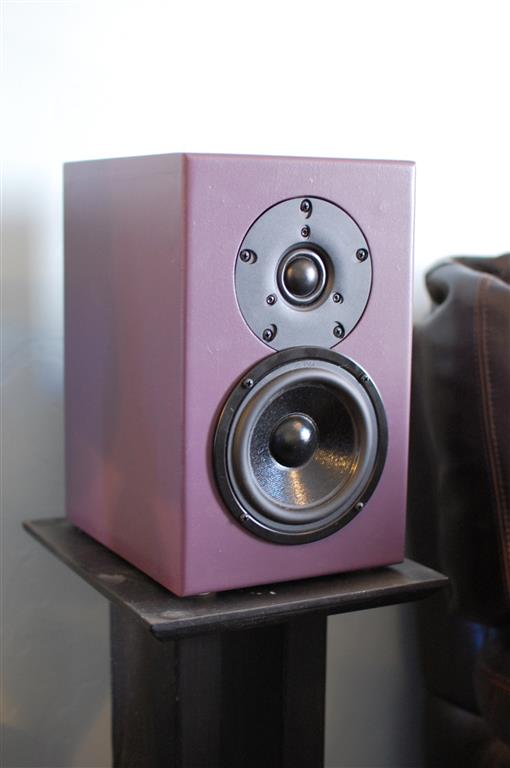
Credit: projectgallery.parts-express.com
Assembling The Box
Assembling the bookshelf speaker box is a key step in building your own speakers. This stage brings all the cut panels together to form the actual box. Doing this carefully ensures the box is strong and airtight. A solid box improves sound quality by reducing vibrations and air leaks.
Start by arranging the panels on a flat surface. Check that all edges fit well before joining. This helps avoid gaps and uneven joints later. Take your time to line up each piece correctly.
Joining Panels Securely
Use wood glue along the edges to join the panels. Spread the glue evenly for a strong hold. Press the pieces tightly together after applying glue. Use clamps to keep the panels in place while drying. Clamps help prevent movement and keep corners straight.
For extra strength, add screws or nails at the joints. Drill small pilot holes first to avoid splitting the wood. Drive screws slowly and evenly. Countersink screws so they sit flush with the surface. This creates a smooth finish ready for sanding.
Sealing And Reinforcing Edges
After joining, seal the inside edges with wood filler or caulk. This stops air leaks and improves sound quality. Smooth the filler with a putty knife and let it dry completely. Sand the edges gently for a clean look.
Reinforce corners by adding small wooden blocks inside the box. Glue and screw these blocks at each joint. They make the box sturdier and reduce vibrations. Check all edges and corners to confirm a tight, sealed box.
Finishing Touches
Finishing touches give your bookshelf speaker boxes a polished, professional look. They protect the wood and improve sound quality. Taking time on these details makes your project stand out. Small steps in finishing can change how your speakers look and last.
Sanding And Smoothing Surfaces
Start by sanding all wooden surfaces with medium-grit sandpaper. This removes rough spots and splinters. Then switch to fine-grit sandpaper for a smooth finish. Sand in the direction of the wood grain to avoid scratches. Wipe dust away with a dry cloth before moving on. Smooth surfaces help paint or stain stick better and look cleaner.
Painting And Staining Options
Choose paint or stain based on the style you want. Paint offers many colors and hides wood grain. Use several thin coats for even coverage. Let each coat dry before adding the next. Stain enhances natural wood beauty and texture. Apply stain with a cloth and wipe off extra. Finish with a clear sealant to protect your work. Both paint and stain can improve durability and appearance.
Installing Speaker Drivers
Installing speaker drivers is a key step in building bookshelf speaker boxes. Proper installation ensures clear sound and lasting performance. This step involves carefully placing the drivers into the box and connecting them properly. Small mistakes can cause poor sound or damage. Follow the instructions to get the best results.
Mounting Speakers Correctly
Start by aligning the speaker driver with the cutout hole in the box. Make sure the driver fits snugly without forcing it. Use screws to fix the driver in place. Tighten screws evenly to avoid warping the frame. Avoid over-tightening, which can damage the driver or box. Check that the speaker sits flush with the box surface. A proper seal helps improve sound quality.
Wiring And Connecting Components
Use quality speaker wire for clear sound signals. Strip the wire ends carefully to avoid damage. Connect the positive wire to the red terminal and the negative wire to the black terminal. Secure the wires tightly to prevent loose connections. Test the wiring with a multimeter if possible. Ensure no wires touch each other inside the box. Proper wiring reduces noise and improves sound clarity.
Optimizing Sound Quality
Optimizing sound quality is key to making bookshelf speaker boxes that sound great. Proper design and materials improve the listening experience. Small changes inside the box can make a big difference in sound clarity and bass response.
Focus on reducing unwanted vibrations and balancing the audio output. This creates clear, rich sound that fills the room without distortion. Two important steps are adding internal damping material and tuning the speaker box carefully.
Adding Internal Damping Material
Use soft materials like foam or polyester fiber inside the box. These materials absorb sound waves that bounce inside the speaker enclosure. This reduces echo and standing waves that cause muddy sound.
Place the damping material on the walls of the box, but avoid blocking the speaker driver. This helps to smooth the sound and improve clarity. Proper damping also prevents vibrations that can color the sound.
Tuning For Balanced Audio
Adjust the speaker box size and port placement to balance bass and treble. The right tuning allows the speaker to produce deep bass without overpowering the mids and highs.
Test the speaker with different music types and listen carefully. Small changes in port size or placement can improve sound quality. Aim for clear vocals, rich instruments, and tight bass.

Credit: everestkitchennc.com
Frequently Asked Questions
What Materials Are Best For Bookshelf Speaker Boxes?
Plywood and MDF are ideal for bookshelf speaker boxes. They provide strength, durability, and excellent acoustic properties. Choose 3/4-inch thickness for optimal sound quality and sturdiness. Avoid particleboard as it lacks durability and affects sound performance negatively.
How Do I Calculate The Box Size For Speakers?
Measure your speaker driver dimensions and check manufacturer volume recommendations. Use online calculators or formulas to determine internal box volume. Ensure enough space for proper airflow and sound resonance. Accurate sizing enhances sound clarity and bass response.
What Tools Do I Need To Build Speaker Boxes?
Basic tools include a saw, drill, screwdriver, clamps, and measuring tape. Sandpaper, wood glue, and screws are also essential. For better precision, use a router and a jigsaw. Proper tools ensure clean cuts and sturdy assembly.
How Can I Improve Sound Quality Of Diy Speaker Boxes?
Seal all joints tightly with wood glue and silicone to avoid air leaks. Add internal acoustic foam or fiberglass for sound absorption. Ensure proper driver placement and use quality crossover components. These steps enhance clarity and reduce distortions.
Conclusion
Building bookshelf speaker boxes can be simple and fun. You just need basic tools and some wood. Follow the steps carefully and measure twice to cut once. Good speaker boxes improve sound quality a lot. Enjoy your custom speakers at home or share with friends.
Keep practicing to make better and stronger boxes. Crafting your own speaker boxes saves money and adds a personal touch. Try different designs and find what works best for you. Happy building!