Do you want a unique bookshelf that shows off your creativity and helps the planet? Making a bookshelf with recycled materials is easier than you think.
Not only will you save money, but you’ll also create something truly special for your home. Imagine turning old wood, crates, or even pallets into a stylish and sturdy shelf that holds your favorite books. Keep reading, and you’ll discover simple steps and clever tips to build your own eco-friendly bookshelf today.
Your space—and the Earth—will thank you!
Choosing Recycled Materials
Choosing the right recycled materials is key to building a strong and attractive bookshelf. Using recycled items saves money and helps the environment. It also gives your project a unique look. Select materials that are safe, sturdy, and easy to work with. This section explores common recycled wood types, other useful components, and places to find these materials.
Types Of Recycled Wood
Old pallets provide sturdy wood planks perfect for shelves. They often need sanding and cleaning before use. Salvaged hardwood from old furniture offers durability and a nice finish. Softwood from construction scraps is easier to cut and shape. Look for wood without rot or insect damage. Reclaimed wood has character with knots and grain patterns. It adds charm and a rustic feel to your bookshelf.
Other Recyclable Components
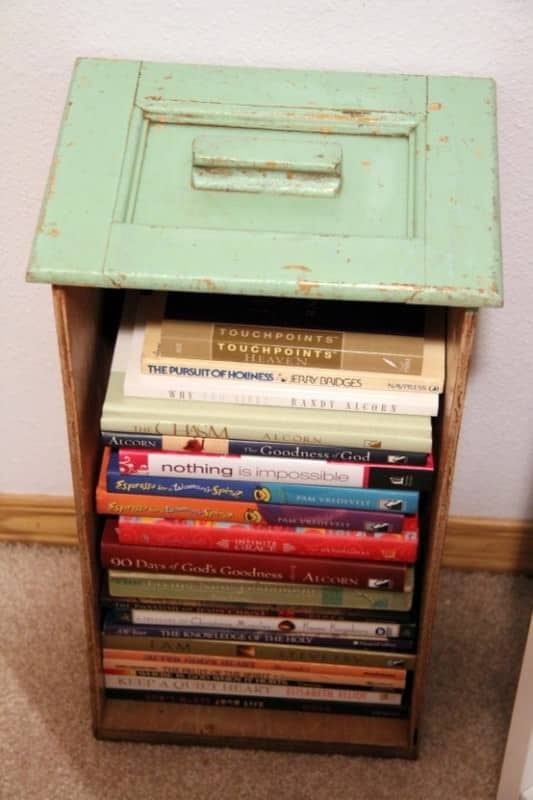
Metal brackets and screws from discarded furniture can support your shelves. Glass or plastic panels may serve as shelf surfaces or doors. Old doors or drawers can become shelves or storage compartments. Even fabric scraps work for lining or decoration. Be sure all parts fit well and are safe to use. Mixing materials creates a unique, personalized look.
Where To Find Materials
Check local recycling centers for free or low-cost wood and parts. Construction sites often discard wood scraps and offcuts. Ask friends or neighbors if they have old furniture to give away. Thrift stores and flea markets offer many reused materials. Online marketplaces list used building supplies nearby. Always inspect materials carefully for quality and safety before using.
Credit: www.recyclart.org
Tools And Supplies Needed
Building a bookshelf with recycled materials is a smart and eco-friendly project. Before starting, gather the right tools and supplies. This step makes your work easier and safer. The list includes basic tools, safety gear, and some optional items that help improve your final product.
Basic Tools Checklist
- Measuring tape for accurate dimensions
- Saw to cut wood or recycled boards
- Hammer for nails and assembly
- Screwdriver or drill for screws
- Sandpaper or sander to smooth edges
- Level to keep shelves straight
Safety Gear
- Safety goggles to protect your eyes
- Work gloves to avoid splinters and cuts
- Dust mask to prevent inhaling sawdust
- Ear protection if using loud power tools
Optional Accessories
- Wood glue for extra strength in joints
- Clamps to hold pieces while drying
- Paint or wood finish for a polished look
- Brushes or rollers for applying paint
- Corner braces for added shelf support
Planning Your Bookshelf
Planning your bookshelf is the first step toward a successful project. It saves time and materials. Good planning helps you use recycled materials wisely. It ensures your bookshelf is strong and fits your space. Start by thinking about what style fits your room. Consider how many books or items you want to store. A clear plan guides your building process smoothly.
Design Ideas
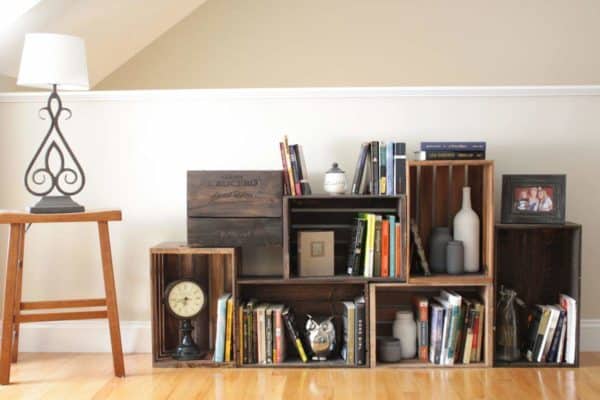
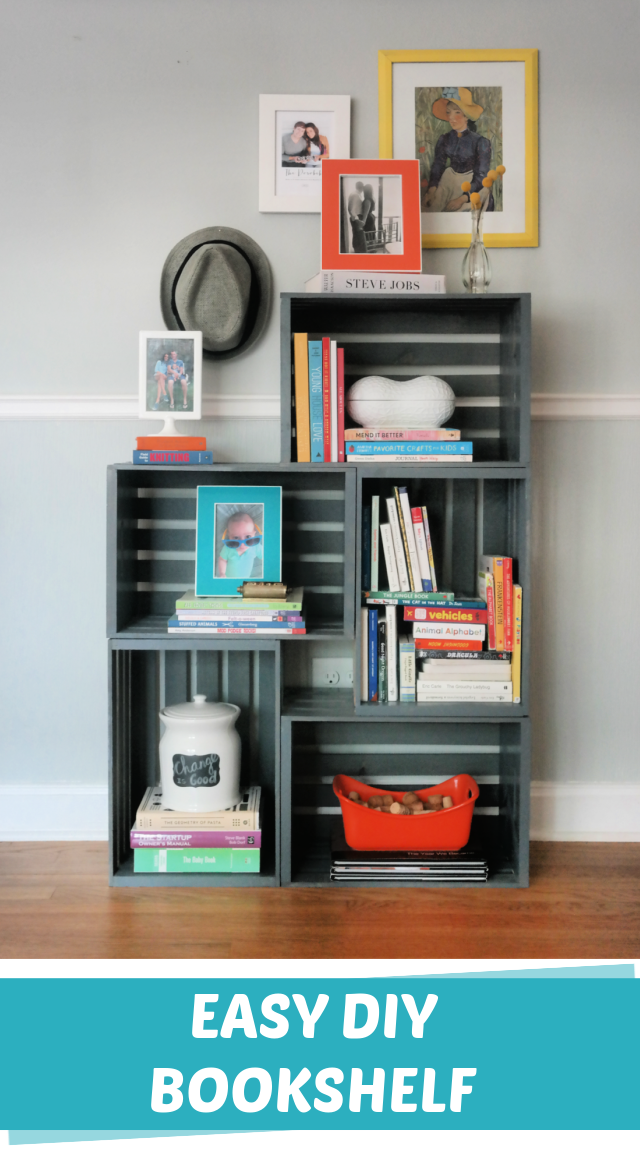
Choose a design that matches your room’s style. Simple box shelves work well for beginners. You can also try a ladder shelf for a modern look. Use old wooden crates for a rustic feel. Think about open shelves or closed compartments. Sketch different designs to see what fits best.
Measuring And Sketching
Measure the space where the bookshelf will go. Write down height, width, and depth in inches or centimeters. Draw a rough sketch of your bookshelf on paper. Include all parts like shelves and supports. Label each part with its size. This helps avoid mistakes during cutting and assembly.
Determining Shelf Size
Decide how deep and tall each shelf should be. Standard shelf depth is 10 to 12 inches. Taller shelves hold big books or boxes. Shorter shelves fit small books or decorations. Make sure shelves can hold the weight of your items. Adjust sizes based on what you plan to store.
Preparing Materials
Preparing materials is the first step in building a bookshelf from recycled wood. This stage sets the foundation for a strong and durable shelf. Proper preparation makes the assembly easier and ensures a neat finish. It involves cleaning, cutting, and treating the wood. Each step matters for the final look and safety of the bookshelf.
Cleaning And Sanding Wood
Start by cleaning the wood to remove dirt and old paint. Use a brush or cloth for this task. Sand the wood to smooth rough surfaces and edges. Sanding helps the wood absorb paint or sealant better. Use medium-grit sandpaper first, then fine-grit for a smooth finish. This step prevents splinters and improves the wood’s appearance.
Cutting To Size
Measure the wood pieces carefully before cutting. Mark the desired lengths with a pencil and a ruler. Use a saw suitable for the wood type you have. Cut slowly and steadily to keep straight lines. Cut all pieces to the exact sizes needed for the bookshelf design. Proper cutting ensures the parts fit well during assembly.
Treating And Sealing
Apply a wood treatment to protect against insects and rot. Choose a non-toxic product for indoor use. Let the treatment dry completely before moving to the next step. Seal the wood with a clear varnish or paint. Sealing protects the wood from moisture and wear. This step extends the life of your recycled bookshelf.
Assembling The Bookshelf
Assembling the bookshelf is the step where your recycled materials take shape. It is important to join the pieces carefully to create a sturdy frame. Proper assembly ensures the bookshelf will hold your books safely for years.
Take your time and follow each step with care. Use the right tools and materials for joining and securing. This helps make a strong and stable bookshelf.
Joining Techniques
Start by choosing the best joining method. Nails, screws, or wood glue work well with recycled wood. Screws offer strong support and can be tightened if needed. Nails are quicker but less secure. Wood glue adds extra hold but needs clamps to dry.
Align the pieces properly before joining. Drill pilot holes to avoid splitting the wood. Use clamps to keep parts steady during gluing or screwing. This keeps your bookshelf straight and solid.
Securing Shelves
Attach the shelves firmly to the frame. Use screws or brackets for extra strength. Make sure shelves are level before fixing them. Measure twice, screw once. This prevents wobbling and keeps books safe.
Consider adding small wooden strips under shelves. These strips support heavy books and reduce sagging. Secure the strips well to the shelf and frame.
Ensuring Stability
Check the whole bookshelf for balance. Place it on a flat surface to test stability. Add corner braces or L-brackets inside corners for extra strength. This stops the shelf from shaking or tipping.
Secure the bookshelf to the wall if possible. Use wall anchors or brackets for safety. This prevents accidents and protects your books and family.
Credit: www.creatingreallyawesomefunthings.com
Finishing Touches
Finishing touches bring your recycled bookshelf to life. They enhance its look and protect it for years. These final steps make your project unique and durable. Focus on painting, decoration, and protection to complete your bookshelf.
Painting And Staining
Choose paint or stain to match your room’s style. Paint adds color and hides imperfections well. Stain shows the wood’s natural grain. Use light coats for an even finish. Let each layer dry before adding another. This step makes your bookshelf look polished.
Adding Decorative Elements
Decorate with simple items like knobs or decals. Use recycled materials for creative decoration. Rope, fabric, or old tiles work great. Keep decorations subtle to avoid clutter. These touches add personality and charm. They make your bookshelf stand out.
Protective Coating
Apply a clear coat to shield your bookshelf. Polyurethane or varnish works well for protection. It guards against scratches and moisture. Use a brush to apply thin, even layers. Allow drying time between coats. This step keeps your bookshelf strong and lasting.
Maintenance Tips
Maintaining a bookshelf made from recycled materials keeps it strong and looking nice. Proper care helps your shelf last longer and stay useful. Small efforts in cleaning and repair make a big difference over time.
Cleaning Methods
Dust the bookshelf regularly with a soft cloth. Use a damp cloth for sticky spots, but avoid soaking the wood. Mild soap mixed with water works well for cleaning. Dry the surface quickly to prevent moisture damage.
Repairing Damage
Check for cracks or loose joints often. Use wood glue to fix small breaks and clamps to hold pieces tight. Sand rough or splintered areas gently before applying a finish. Replace broken parts made from recycled wood if needed.
Extending Shelf Life
Keep the bookshelf away from direct sunlight and moisture. Use a wood sealant to protect against water and stains. Avoid placing very heavy items on the shelves. Rotate items to prevent uneven wear and tear.
Credit: www.recyclart.org
Frequently Asked Questions
What Recycled Materials Work Best For Making A Bookshelf?
Wood pallets, old crates, and reclaimed wood are ideal. They are sturdy, easy to work with, and eco-friendly. These materials add character and reduce waste. Choose dry and clean materials for best results.
How Do I Ensure The Bookshelf Is Sturdy?
Use strong joints like screws or brackets for stability. Sand surfaces to ensure smoothness and fit. Reinforce shelves with additional supports if needed. Test the shelf’s strength before use to avoid accidents.
What Tools Are Needed To Build A Recycled Bookshelf?
Basic tools include a saw, drill, screwdriver, measuring tape, and sandpaper. Optional tools are clamps and a level for precision. These tools help create a safe and professional-looking bookshelf.
How Can I Customize My Recycled Bookshelf Design?
Paint or stain the wood for a unique look. Add decorative knobs or wallpaper the back panel. Adjust shelf heights to fit your books. Personal touches make your bookshelf both functional and stylish.
Conclusion
Creating a bookshelf with recycled materials saves money and helps the planet. It also gives you a chance to be creative and personal. Simple tools and items you already have can build something useful and beautiful. This project suits beginners and experts alike.
Start small, take your time, and enjoy the process. A handmade bookshelf adds charm and character to any room. Try it today and see how easy and fun recycling can be.