Are you tired of feeling cramped under your bunk bed? Want to create more space and make your room feel bigger?
Making your bunk bed taller can give you extra headroom and open up new possibilities for storage or play. In this guide, you’ll discover simple, practical ways to raise your bunk bed safely and effectively. Keep reading, and you’ll learn how to transform your space without breaking the bank or risking your safety.
Your perfect, taller bunk bed is just a few steps away!
Reasons To Raise Your Bunk Bed
Raising a bunk bed can change the way your room feels and works. It can make your space look bigger and more open. You get new places to keep things or do other activities. The bed becomes easier to use in some ways. These reasons make raising a bunk bed a smart choice for many people.
Maximizing Room Space
Higher bunk beds free up more floor space. This empty space lets you add a desk, chair, or play area. It makes small rooms feel less crowded. A taller bunk bed helps you use every inch of your room well.
Creating Additional Storage
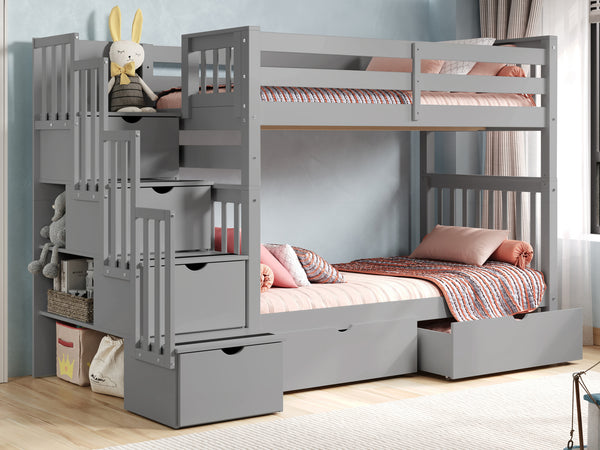
Raising your bunk bed creates room underneath. You can add shelves, drawers, or boxes there. This extra storage keeps your things neat and easy to find. It helps keep your room clean and organized.
Improving Accessibility
A taller bunk bed can be easier to climb with a sturdy ladder. It also gives more headroom for the person sleeping on top. This makes sleeping and moving safer and more comfortable. Good access means better use of the bed.
Safety Considerations Before Modification
Making your bunk bed taller can create extra space underneath. Safety is the top priority before starting any changes. Proper checks help avoid accidents and keep the bed strong.
Take time to review the bed’s condition and structure. Ensure the frame can handle new height without risk. Follow key safety steps for a secure and stable bed.
Checking Bed Frame Stability
Inspect the frame for cracks or loose joints. Press and shake the bed to test firmness. A wobbly frame is unsafe for raising height. Fix or replace weak parts before modifying.
Weight Limit And Support
Know the bed’s maximum weight capacity. Adding height may affect how much weight it holds. Use extra supports if needed to keep the bed steady. Never exceed the recommended weight limit.
Secure Fastening Tips
Use strong bolts and screws for all connections. Tighten every fastener to prevent movement. Check fasteners regularly after modifications. Avoid nails or weak fasteners that can fail easily.
Simple Diy Methods To Elevate Your Bunk Bed
Raising your bunk bed can create extra space underneath. This space is great for storage or a study area. Simple DIY methods let you elevate your bed safely and quickly. You do not need special skills or tools for these projects. Choose a method that fits your budget and style.
Using Bed Risers
Bed risers are an easy way to lift your bunk bed. They come in plastic or wood and fit under each leg. Place one riser under each post for stability. These risers add height without changing the bed’s structure. They are affordable and easy to install. Make sure the risers support the bed’s weight safely.
Adding Wooden Blocks
Wooden blocks offer a sturdy option to raise your bed. Cut blocks to the right height for your needs. Attach the blocks securely under each bed leg using screws. This method increases height and keeps the bed steady. Sand the blocks to avoid splinters and paint if desired. Wooden blocks blend well with most room styles.
Installing Metal Pipes
Metal pipes give a modern and strong lift to your bunk bed. Use pipes that fit well with the bed legs. Secure them firmly with brackets or clamps for safety. This method allows adjustable height if you use different pipe lengths. Metal pipes add a unique look and are very durable. Check all connections to keep the bed stable and safe.
Credit: www.bunkbedking.com
Building Custom Legs For Extra Height
Building custom legs for extra height is a practical way to make your bunk bed taller. This method gives you control over the bed’s height and stability. You can choose the exact leg length that fits your room.
Custom legs can be made from wood, a strong and easy-to-work material. Proper measuring and cutting are essential for safety. Secure attachment ensures the bed stays stable and safe for use.
Materials Needed
- Wood planks or sturdy wooden blocks
- Measuring tape
- Saw (hand saw or power saw)
- Drill and screws
- Sandpaper
- Wood glue (optional)
- Paint or wood finish (optional)
Measuring And Cutting Wood
Measure the current height of your bunk bed. Decide how much taller you want it to be. Mark the wood pieces at the chosen length. Use a saw to cut the wood carefully along the marks. Sand the edges to avoid splinters. Keep the legs equal in length for balance.
Attaching Legs Securely
Position the new legs under each bed corner. Drill pilot holes to prevent wood from splitting. Screw the legs firmly into place using wood screws. Add wood glue for extra strength if desired. Check the stability by gently rocking the bed. Tighten screws if needed for a secure fit.
Enhancing Bed Height With Platform Extensions
Enhancing the height of your bunk bed can create extra space underneath. Platform extensions raise the bed safely and add a modern touch. This method involves building a sturdy base to lift the bed frame. It is a practical way to increase bed height without buying a new bed.
Designing A Stable Platform
Start by measuring the bed’s current height and the desired increase. Plan a platform that fits well under the bed legs. Use strong wood like plywood or hardwood for support. The platform must hold the bed’s weight and stay steady. Include cross beams for extra strength. Keep the platform low enough to avoid bed tipping. Stability is key for safety and comfort.
Tools And Supplies
Gather these tools before starting: saw, drill, screws, measuring tape, and sandpaper. Choose wood pieces cut to your platform design. Use screws that are long and strong. Sand all wood edges to avoid splinters. A level tool helps check the platform’s evenness. Having all supplies ready makes the process smooth.
Assembly Steps
Cut the wood pieces to the planned sizes. Assemble the frame by attaching cross beams first. Screw the pieces tightly to avoid movement. Check the platform with a level for flatness. Place the platform under the bed legs carefully. Lift the bed onto the platform slowly. Test the bed for firmness and balance before use.

Credit: www.youtube.com
Finishing Touches For Stability And Style
Finishing touches make your taller bunk bed safe and attractive. These small steps improve both the look and strength of the bed. They help the bed last longer and keep users secure. Focus on smooth edges, safety features, and firm support.
Sanding And Painting
Sanding removes rough spots and splinters. Use fine-grit sandpaper for a smooth surface. This step prevents scratches and injuries. After sanding, apply paint or wood finish. Choose colors that match the room’s style. Paint also protects wood from damage and wear.
Adding Safety Rails
Safety rails stop falls and give peace of mind. Attach rails to the top bunk’s sides. Use strong screws and brackets for firm fixing. Rails should be high enough to block rolling out. Rounded edges on rails prevent bumps and bruises.
Non-slip Pads And Supports
Non-slip pads stop the bed from sliding on floors. Place them under each leg of the bed frame. These pads protect floors and add grip. Additional supports under the bed frame increase stability. Use sturdy blocks or metal braces for strong support.
Common Mistakes To Avoid
Making your bunk bed taller can be a smart way to add space or change the look of your room. Yet, there are common mistakes many people make during this process. Avoiding these errors helps keep the bed strong and safe. It also makes sure your effort lasts a long time.
Ignoring Weight Limits
Every bunk bed has a weight limit. This limit includes the mattress and the person using the bed. Ignoring these limits can cause the bed to break or bend. Always check the weight limit before making the bed taller. Use parts that can support the extra height and weight safely.
Using Weak Materials
Cheap or weak materials can cause serious problems. Soft wood or thin metal may not hold the bed’s new height. This can make the bed shaky and unsafe. Choose strong materials like solid wood or thick metal. They provide better support and last longer.
Overlooking Safety Checks
Safety checks are very important. Skipping them can lead to accidents. Check all screws, bolts, and joints after raising the bed. Make sure the bed does not wobble or feel loose. Use guardrails and ladders properly. Regularly inspect the bed to keep it safe.
Alternative Solutions To Increase Room Height
Increasing the height of your bunk bed can make your room feel bigger and more open. Some simple changes can help you use your space better without major work. Here are alternative ideas to increase room height and improve comfort.
Choosing Loft Beds
Loft beds raise the mattress higher than regular bunk beds. This creates more space below for desks or seating. These beds work well in small rooms. They give you extra room to move and store things.
Loft beds come in many sizes and styles. Pick one that fits your room and needs. A higher bed frees up floor space. Use it for play, study, or storage.
Rearranging Furniture
Moving furniture can open up room height visually. Place tall pieces against walls with less natural light. Keep the center of the room clear. This makes the ceiling seem higher.
Try placing your bunk bed near a window. Natural light brightens the space and reduces crowding. Avoid bulky furniture near the bed to keep the area airy.
Using Under-bed Storage
Use the space under your bunk bed for storage. Drawers, bins, or rolling boxes fit well. This cuts down on clutter around the room.
Keeping items under the bed saves floor space. It helps the room feel less crowded. Organized storage makes your room look taller and cleaner.

Credit: www.youtube.com
Frequently Asked Questions
How Can I Safely Raise My Bunk Bed Height?
To safely raise your bunk bed, use sturdy bed risers or longer bedposts. Ensure all parts are secure and stable. Avoid unstable materials to prevent accidents. Always check the bed’s weight capacity after modifications.
What Materials Are Best For Making Bunk Beds Taller?
Solid wood or metal extensions are best for raising bunk beds. They provide strong support and durability. Avoid weak plastics or thin materials that can break easily. Quality materials ensure safety and longevity.
Can I Add Bed Risers To Increase Bunk Bed Height?
Yes, bed risers can effectively increase bunk bed height. Choose risers designed for heavy furniture to ensure stability. Measure the riser height carefully to maintain safety and comfort. Secure the bed properly after installation.
Are There Safety Tips When Modifying Bunk Bed Height?
Always check for stability and weight limits after raising the bed. Use quality materials and secure all joints tightly. Avoid making the bed too tall to prevent falls. Regularly inspect the bed for any signs of wear or loosening.
Conclusion
Making your bunk bed taller can add extra space and comfort. Choose strong materials and secure all parts tightly. Measure carefully before starting any changes to ensure safety. Small adjustments can create big differences in room layout. Always check the bed’s stability after modifications.
Enjoy your taller bunk bed and the extra room it provides. Keep safety first and take your time with each step. This way, your bunk bed will serve you well for years.