Your outdoor wood furniture adds charm and comfort to your space. But mildew can quickly turn it from beautiful to bothersome.
If you’ve ever noticed those stubborn dark spots or felt a musty smell, you know how frustrating mildew can be. The good news? You don’t have to let mildew take over your favorite pieces. You’ll discover simple, effective ways to stop mildew before it starts.
Keep reading to protect your wood furniture and keep it looking fresh all year round.

Credit: belleze.com
Causes Of Mildew On Wood Furniture
Mildew grows on wood furniture mostly because of certain conditions. Understanding these causes helps in keeping outdoor wood furniture clean and safe. Mildew is a type of fungus that thrives in wet and dark places. Wood absorbs moisture easily, making it a perfect home for mildew.
Role Of Moisture And Humidity
Moisture is the main cause of mildew on wood furniture. Wood soaks up water from rain, dew, or wet air. High humidity means more moisture stays on the surface. This wetness allows mildew spores to grow quickly. Without drying, mildew can spread fast and damage the wood.
Impact Of Poor Ventilation
Air flow affects mildew growth. Poor ventilation traps moisture around the furniture. This creates a damp environment that mildew loves. Good air circulation helps dry the wood faster. It stops mildew from settling and growing on surfaces.
Effect Of Dirt And Debris
Dirt and debris hold moisture against the wood. Leaves, dust, and grime provide food for mildew. These particles keep the wood surface wet for longer. Cleaning furniture regularly removes this mildew fuel. It lowers the risk of mildew growth significantly.
Choosing The Right Wood For Outdoor Furniture
Choosing the right wood for outdoor furniture is key to preventing mildew. Some woods resist moisture and fungus better than others. This helps keep your furniture looking good longer. Good wood choice reduces the need for constant cleaning and repair. Select wood that naturally fights mildew and lasts outdoors.
Best Wood Types Resistant To Mildew
Teak is one of the best woods for outdoor use. It contains natural oils that stop mildew growth. Cedar also resists moisture and has a pleasant smell. Redwood is strong and resists decay and mildew well. Cypress has a natural chemical called cypressene that keeps fungus away. These woods need less maintenance and stay clean longer.
Wood Treatments And Sealants
Applying treatments and sealants adds extra protection against mildew. Clear wood sealers block water from soaking into the wood. Mildew-resistant stains add color and fight fungus. Use products made for outdoor wood to keep furniture dry. Reapply treatments every year or as instructions say. This keeps wood strong and mildew-free for years.
Cleaning Techniques To Remove Mildew
Cleaning mildew from outdoor wood furniture helps keep it looking fresh. Mildew can damage wood and cause stains. Using the right cleaning methods removes mildew safely and effectively. This section explains simple steps and safe solutions for cleaning mildew from wood furniture.
Safe Cleaning Solutions
Use mild cleaners to protect your wood. Mix one cup of white vinegar with one gallon of water. Vinegar kills mildew without harsh chemicals. Another option is a mixture of baking soda and water. These solutions clean gently and do not harm wood.
Step-by-step Cleaning Process
Start by brushing off loose dirt and mildew with a soft brush. Apply the cleaning solution with a sponge or cloth. Let it sit on the surface for 10 minutes. Gently scrub the area with a soft brush. Rinse the furniture with clean water. Dry the wood thoroughly with a towel or let it air dry in the sun.
Preventing Damage During Cleaning
Avoid using hard brushes or steel wool. They can scratch the wood surface. Do not use bleach or strong chemicals that can weaken wood fibers. Test any cleaner on a small hidden area first. Always clean wood in the shade to prevent rapid drying and stains. Handle the furniture gently to keep it intact.
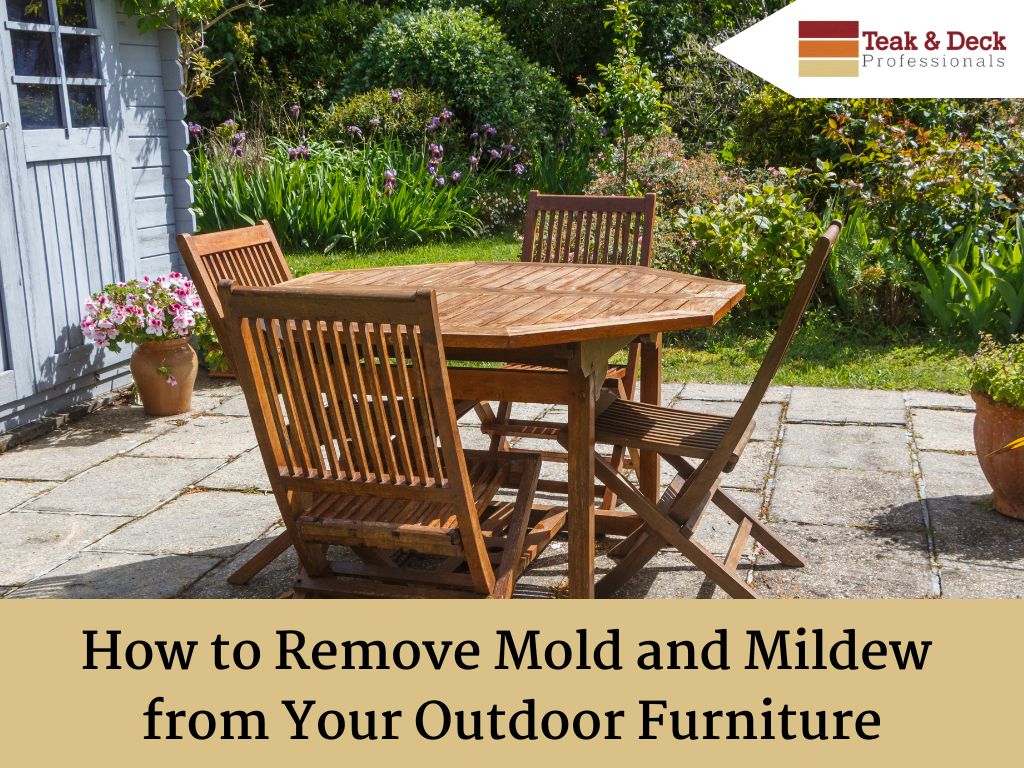
Credit: teakanddeck.com
Effective Protective Measures
Protecting outdoor wood furniture from mildew is essential. Mildew thrives in damp and shaded areas. Taking effective protective measures keeps your furniture clean and long-lasting. These steps reduce moisture exposure and block mildew growth.
Applying Waterproof Sealants
Waterproof sealants form a barrier on wood surfaces. They stop water from soaking into the wood. Apply sealants regularly, especially before rainy seasons. Use a brush to cover every corner well. Sealants also protect wood from sun damage. Choose products made for outdoor wood furniture.
Using Covers And Shelter
Covers shield furniture from rain and dew. Use breathable covers to prevent trapped moisture. Remove covers occasionally to let furniture dry. Shelters like pergolas or awnings provide shade and keep rain off. Even simple tarps can help during bad weather. Proper shelter lowers mildew risk.
Proper Furniture Placement
Place furniture in sunny spots to keep it dry. Avoid areas where water pools after rain. Keep furniture away from dense plants that hold moisture. Elevate furniture slightly to improve air circulation. Good placement helps wood dry faster and reduces mildew growth.
Routine Maintenance Tips
Routine maintenance keeps outdoor wood furniture safe from mildew. It helps wood last longer and look fresh. Checking and caring for furniture often stops mildew growth early. Simple steps make a big difference.
Regular Inspections For Mildew
Look over your wood furniture every few weeks. Focus on corners and shaded parts where moisture stays. Check for white or green spots. These are signs of mildew. Clean spots immediately to stop spreading. Use a soft brush and mild soap for cleaning.
Seasonal Care Guidelines
Each season needs special care for wood furniture. In spring and summer, wipe furniture weekly. Remove dirt and moisture quickly. In fall, clean furniture and check for damage. Apply a fresh coat of wood sealant. This protects wood during cold, wet months. Avoid letting water sit on wood surfaces.
Storing Furniture During Off-season
Store wood furniture in a dry place during winter. A garage or shed works well. If storage inside is not possible, cover furniture with a breathable cloth. Avoid plastic covers that trap moisture. Lift furniture off the ground to keep it dry. Proper storage stops mildew and wood damage.
:strip_icc()/Clean-Outdoor-Furniture-34bc286d99604bce93f968cc0e060c68.jpg)
Credit: www.bhg.com
Frequently Asked Questions
How Do I Stop Mildew On Outdoor Wood Furniture?
Clean furniture regularly with mild soap and water. Ensure it dries completely. Apply a protective sealant to prevent moisture absorption and mildew growth.
What Causes Mildew On Outdoor Wood Furniture?
Mildew grows due to moisture, shade, and poor ventilation. Wood left damp and dirty encourages mildew spores to develop and spread.
Can I Use Bleach To Remove Mildew Safely?
Yes, dilute bleach with water to clean mildew. Apply carefully, rinse well, and avoid prolonged exposure to protect wood integrity.
How Often Should I Treat Wood Furniture For Mildew?
Treat wood furniture seasonally or after heavy rain. Regular cleaning and sealing every 6-12 months helps prevent mildew buildup effectively.
Conclusion
Preventing mildew on outdoor wood furniture keeps it looking fresh and lasts longer. Clean the furniture regularly and dry it well after rain. Use covers or move pieces to shaded areas to avoid moisture build-up. Treat the wood with protective sealants to stop mildew growth.
Small efforts make a big difference in maintaining your furniture’s beauty. Stay consistent with care to enjoy your outdoor space all year. Mildew won’t stand a chance with simple, regular maintenance. Keep your wood furniture safe and inviting for many seasons.