Winter can be tough on your outdoor furniture. Harsh winds, freezing temperatures, and heavy snow can cause damage that is hard to fix.
But you don’t have to watch your favorite chairs and tables wear down year after year. By taking a few simple steps, you can protect your outdoor furniture and keep it looking great for many seasons to come. Ready to learn how to shield your investment from winter’s worst?
Keep reading, and you’ll discover easy, effective ways to safeguard your outdoor space.
Credit: furniturefair.net
Choose Weather-resistant Furniture
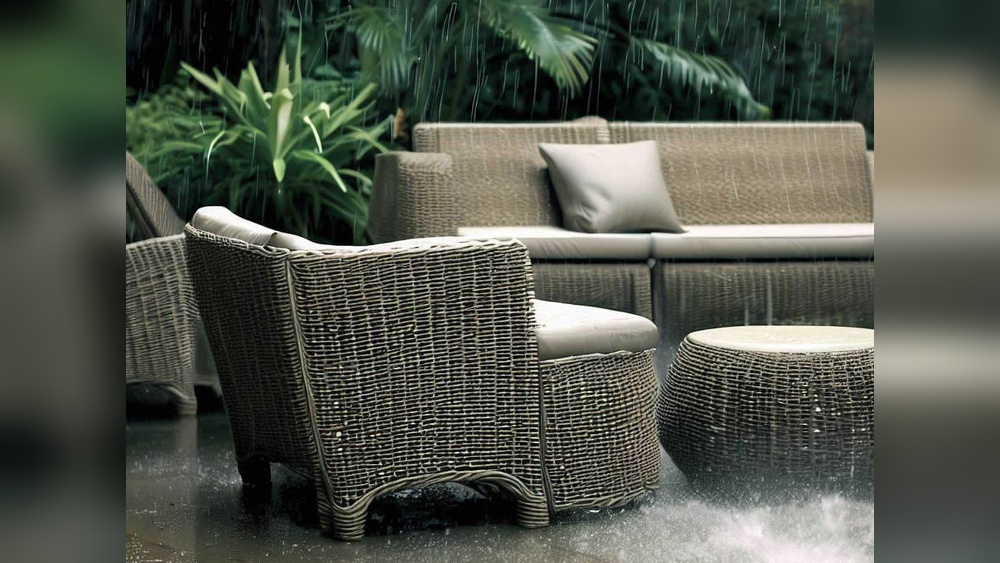
Choosing weather-resistant furniture is key to protecting outdoor pieces during winter. This type of furniture withstands cold, moisture, and wind better than regular options. It saves you time and money on repairs and replacements.
Weather-resistant furniture often uses special materials and coatings. These keep the furniture strong and looking good throughout harsh seasons. Picking the right furniture reduces winter damage and keeps your outdoor space inviting year-round.
Materials That Resist Water And Cold
Look for furniture made with materials like teak, aluminum, or synthetic wicker. These do not absorb water or get damaged by frost. They dry quickly after rain or snow, preventing mold and rot.
Protective Finishes And Coatings
Many weather-resistant pieces have special paint or sealants. These coatings block moisture and stop rust or fading. Choose finishes that match your climate for better protection.
Easy Maintenance For Winter Care
Weather-resistant furniture is easy to clean and maintain. Simple washing and occasional sealing keep it strong. This means less work during winter and longer-lasting furniture.

Credit: fj-outdoors.com
Clean Furniture Before Storage
Cleaning your outdoor furniture before storing it for winter is very important. Dirt and moisture can damage the material over time. Proper cleaning keeps your furniture in good shape and ready for use next season. This step also helps stop mold and stains from forming. Take your time to clean every part of your furniture carefully.
Remove Dirt And Debris
Start by removing loose dirt and debris from your furniture. Use a soft brush or cloth to wipe away dust, leaves, and spider webs. Check corners and crevices where dirt can hide. Clearing off this debris prevents scratches and decay. Doing this first makes the next cleaning steps easier and more effective.
Use Appropriate Cleaning Solutions
Choose cleaning solutions that fit your furniture’s material. For wood, use a mild soap and water mix. Metal furniture may need a gentle cleaner to avoid rust. Avoid harsh chemicals that can damage surfaces. Test any cleaner on a small spot first. Gently scrub with a soft cloth or sponge. Rinse well and let the furniture dry completely before storing.
Apply Protective Coatings
Applying protective coatings is a smart way to keep outdoor furniture safe during winter. These coatings create a barrier that stops water, snow, and cold air from damaging the materials. The right coating helps furniture last longer and stay beautiful despite harsh weather. Focus on the main materials like wood and metal. Each needs a special type of protection. Simple steps can make a big difference.
Seal Wood Surfaces
Wood furniture needs a sealant to block moisture. Water can cause wood to swell, crack, or rot. Use a waterproof sealant made for outdoor wood. Apply it evenly with a brush. Make sure to cover all sides, including legs and undersides. Let the sealant dry completely before the first frost. Repeat sealing every year for best protection. A good seal keeps wood strong and looking fresh.
Use Rust-resistant Sprays On Metal
Metal furniture can rust fast in winter. Rust weakens metal and ruins its appearance. Use a rust-resistant spray to shield metal surfaces. Clean the metal first to remove dirt and old rust. Spray in a well-ventilated area. Cover every metal part with a thin, even coat. Let the spray dry fully before placing furniture outside. This spray stops rust and helps metal last through cold months.
Cover Furniture Properly
Covering outdoor furniture properly is key to keeping it safe during winter. Good covers protect against snow, rain, and frost. They also stop dirt and dust from building up. Choosing the right cover and fitting it well helps your furniture last longer. Proper ventilation prevents moisture from getting trapped and causing damage.
Select Durable Covers
Pick covers made from strong, weather-resistant materials. Look for fabrics that repel water and resist tearing. Heavy-duty polyester or vinyl covers work well. These materials block moisture and hold up in cold winds. Avoid thin plastic covers that can crack or break easily.
Ensure Proper Fit And Ventilation
Choose covers that fit your furniture snugly. Loose covers can blow away or let in snow. Tight covers keep moisture and pests out. Make sure covers have vents or breathable fabric areas. Good airflow stops mold and mildew from growing. Secure covers with ties or straps to keep them in place.
Store Furniture Indoors
Storing outdoor furniture indoors is the best way to protect it from winter damage. Cold temperatures, snow, and moisture can ruin wood, metal, and fabric. Keeping furniture inside stops these problems. It also extends the life of your pieces and keeps them looking good for years.
Choose A Dry Storage Space
Select a place in your home that stays dry and well-ventilated. A garage, basement, or shed can work well. Avoid damp areas that might cause mold or rust. Use shelves or pallets to keep furniture off the floor. This helps air flow and prevents moisture buildup. Good air circulation reduces the chance of damage.
Disassemble Large Pieces
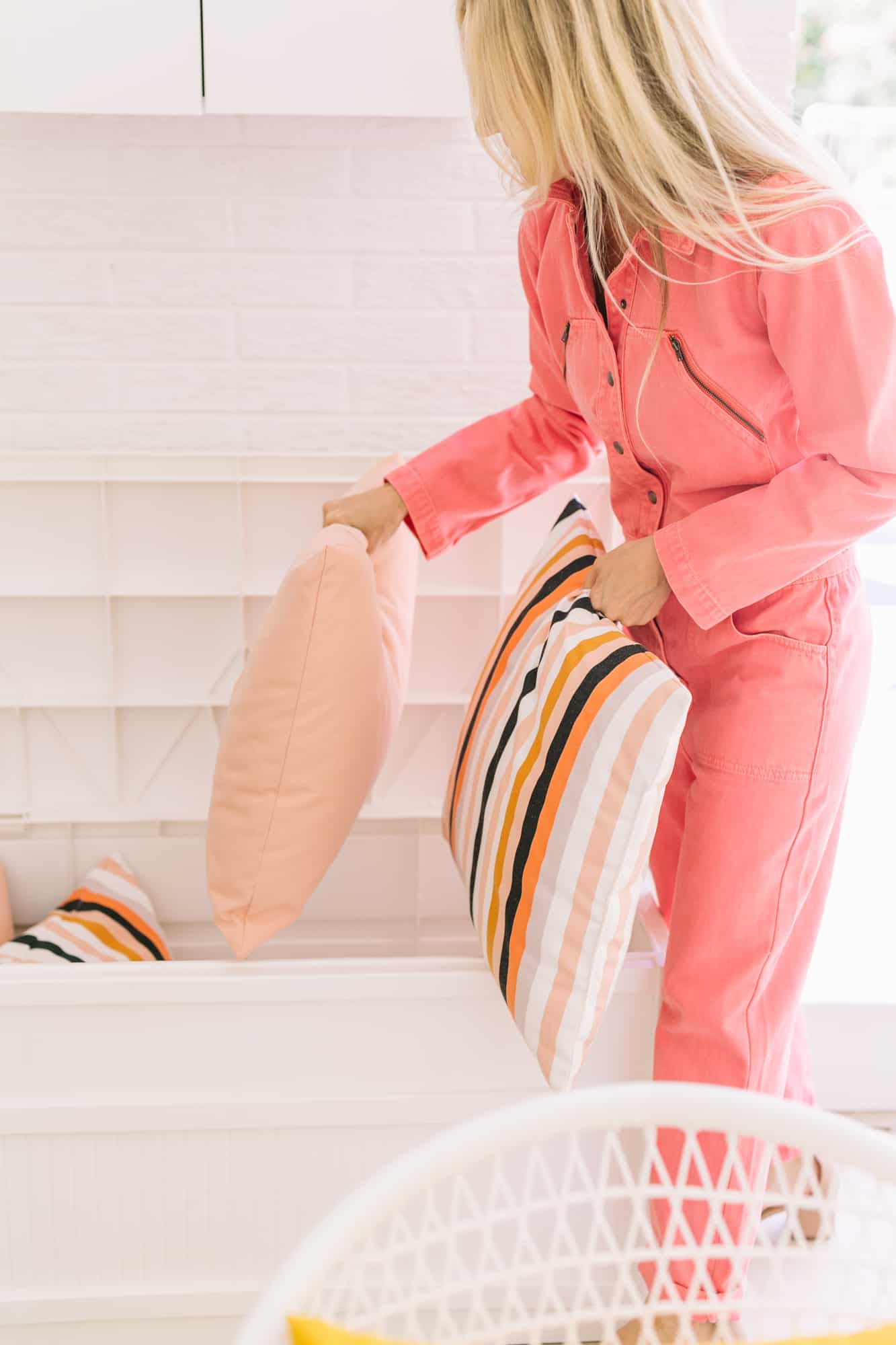
Take apart big furniture like tables and chairs. Remove cushions, legs, and other loose parts. This makes the items easier to move and store. It also prevents breakage during storage. Keep all screws and small parts in a labeled bag. Wrap delicate pieces with blankets or bubble wrap. This extra care protects your furniture during the cold months.
Use Furniture Pads And Elevation
Using furniture pads and elevating outdoor furniture helps protect it during winter. These simple steps reduce damage from wet and cold conditions. They keep furniture dry and extend its life. Small efforts can save money on repairs or replacements.
Prevent Moisture Damage
Furniture pads act as a barrier between the furniture and moisture. They stop water from soaking into the wood or metal. This prevents rust, rot, and mold growth. Pads also help furniture dry faster after rain or snow. Using thick, waterproof pads gives the best protection.
Avoid Ground Contact
Elevating furniture keeps it off the cold, wet ground. This stops dampness from seeping into the legs or base. You can use blocks, bricks, or special risers to lift furniture. Elevation improves air circulation under the furniture. This reduces the chance of mold and decay during winter.
Inspect And Maintain Regularly
Regular inspection and maintenance keep outdoor furniture safe through winter. Cold, moisture, and wind cause wear and tear. Checking your furniture often helps spot problems early. Small issues can turn into big damage. Taking care of repairs quickly saves money and effort.
Check For Damage
Look closely at all furniture parts. Check wood for cracks or splinters. Metal pieces may show rust or loose screws. Cushions might have tears or mold spots. Pay attention to joints and seams. Catching damage early prevents it from getting worse.
Perform Necessary Repairs
Fix small cracks with wood filler or glue. Tighten loose screws and bolts firmly. Sand rusty spots and add rust-proof paint. Clean or replace damaged cushion covers. Use waterproof sealant on wood surfaces. Repairing quickly protects your furniture all winter long.
Credit: abeautifulmess.com
Frequently Asked Questions
How Can I Protect Outdoor Furniture From Winter Damage?
Cover furniture with waterproof, breathable covers to prevent moisture buildup. Store cushions indoors to avoid mold. Clean and dry furniture before covering to ensure longevity.
What Materials Are Best For Winter Outdoor Furniture Covers?
Choose covers made from durable, water-resistant, and breathable fabrics like polyester or canvas. Avoid plastic covers that trap moisture and cause rust or mold.
Should I Move Outdoor Furniture Indoors During Winter?
If space allows, moving furniture indoors protects it from harsh weather. This prevents damage from moisture, freezing temperatures, and UV exposure, extending furniture life.
How Do I Prepare Wooden Furniture For Winter?
Clean wooden furniture thoroughly, then apply a protective sealant or outdoor wood oil. This prevents cracking, warping, and moisture damage during cold months.
Conclusion
Protecting outdoor furniture during winter keeps it safe and lasting longer. Cover your pieces with waterproof materials to block snow and rain. Store cushions inside to avoid mold and dampness. Clean furniture before winter to remove dirt and grime. Regular care saves money on repairs and replacements.
Enjoy your outdoor space again when warm weather returns. Simple steps make a big difference for your furniture’s life. Take action now for a worry-free winter season. Your furniture will thank you later.