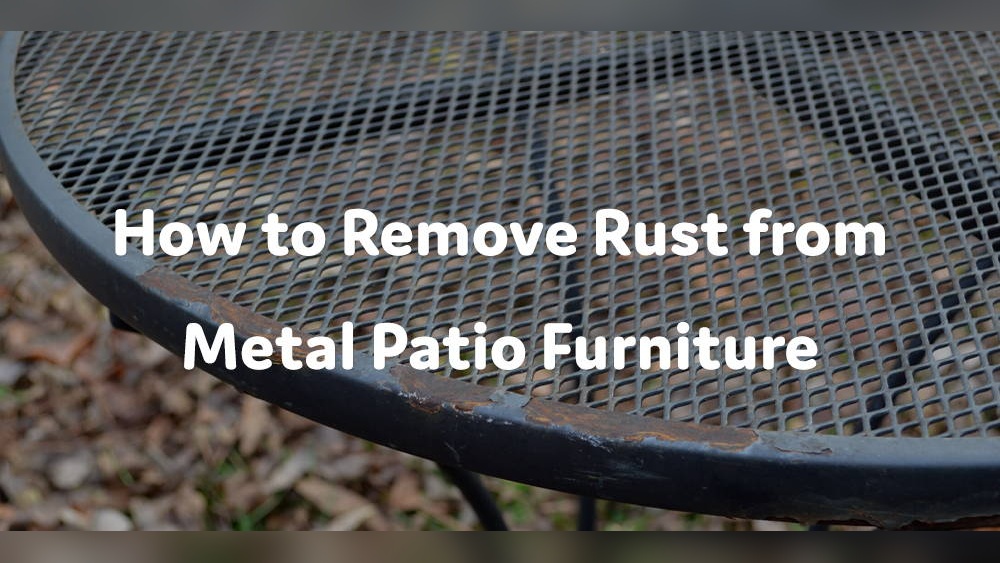
Rust on your outdoor furniture can be frustrating to deal with. It not only makes your favorite pieces look old and worn but can also weaken their structure over time.
But don’t worry—you don’t have to replace your furniture just yet. With the right steps, you can easily treat rust and bring back that fresh, clean look. You’ll discover simple, effective ways to stop rust in its tracks and protect your outdoor furniture for many seasons to come.
Ready to save your furniture and enjoy your outdoor space again? Let’s get started.
Causes Of Rust On Outdoor Furniture
Rust forms on outdoor furniture due to several common causes. Understanding these causes helps prevent damage and extend furniture life. Rust appears when metal reacts with certain elements in the environment. This reaction weakens the metal and spoils the furniture’s look. Below are the main reasons rust develops on outdoor pieces.
Exposure To Moisture
Moisture is the top cause of rust on outdoor furniture. Rain, dew, or even humidity can leave metal wet. Water reacts with iron in the metal, starting rust formation. Leaving furniture wet for long periods speeds up rusting. Proper drying and storage reduce moisture exposure and rust risk.
Environmental Factors
Outdoor furniture faces many environmental elements. Salt from ocean air accelerates rust on metal. Dust and dirt hold moisture against surfaces, causing rust spots. Sunlight can break down protective coatings, exposing metal. Wind carries debris that scratches and damages finishes.
Material Types And Vulnerabilities
Not all metals rust equally. Iron and steel are most prone to rusting. Aluminum and stainless steel resist rust but can corrode under certain conditions. Cheap or untreated metals rust faster. Coatings or paint help protect metal surfaces from rust damage.
Credit: www.youtube.com
Tools And Materials Needed
Fixing rust on outdoor furniture needs the right tools. Having these tools ready makes the job easier. It helps you clean and remove rust safely. Use tools that fit the type of rust and furniture.
Gather all materials before starting. This saves time and avoids interruptions. Prepare your workspace to keep things organized and clean.
Cleaning Supplies
Start with basic cleaning supplies. Use a stiff brush to scrub dirt and loose rust. A bucket with soapy water helps remove grease and grime. Clean cloths or rags dry the furniture after washing. Sandpaper can smooth rough spots before treating rust.
Rust Removal Products
Choose rust removers designed for outdoor furniture. These may include rust converters, gels, or sprays. Use products that are safe for metal and outdoor use. Follow the instructions on the label for best results. Some natural options like vinegar or baking soda also work well.
Protective Gear
Wear gloves to protect your hands from chemicals and rust. Safety goggles keep your eyes safe from dust and splashes. Use a mask to avoid breathing in dust or fumes. Dress in old clothes to avoid stains or damage.
Step-by-step Rust Removal
Removing rust from outdoor furniture restores its look and extends its life. This step-by-step guide helps you clean rust safely and effectively. Follow each step carefully for the best results.
Cleaning The Surface
Start by wiping the furniture with a damp cloth. Remove dirt, dust, and loose rust flakes. Use mild soap mixed with water for better cleaning. Dry the surface completely before moving to the next step.
Applying Rust Remover
Choose a rust remover that suits your furniture type. Apply it evenly over the rusty spots. Let it sit as the product instructions say. This helps break down rust for easier removal.
Scrubbing And Sanding
Use a wire brush or scrubbing pad to scrub the rusted areas. Scrub gently to avoid damage. For stubborn rust, use fine sandpaper. Sand the surface until rust disappears or fades.
Rinsing And Drying
Rinse the furniture with clean water to remove residue. Check if all rust and rust remover are gone. Dry the furniture thoroughly to prevent new rust. Use a soft cloth or let it air dry.
Preventing Future Rust
Preventing rust on outdoor furniture keeps it looking good and lasting longer. Rust forms when metal meets water and air. Stopping this process early saves time and money. Simple steps help protect your furniture from future rust damage.
Applying Protective Coatings
Use rust-resistant paint or spray on metal surfaces. These coatings block moisture and air from touching the metal. Apply a primer first for better stickiness. Reapply coatings every year or as needed. Clear sealants work well to keep the metal shiny and safe.
Regular Maintenance Tips
Check your furniture often for scratches or chips. Rust starts at these weak spots. Clean dirt and dust regularly with a soft cloth. Avoid using harsh chemicals that can remove protective layers. Dry furniture quickly after rain or cleaning to stop moisture buildup.
Proper Storage Solutions
Store furniture in a dry, covered place during bad weather. Use waterproof covers if you keep furniture outside. Avoid placing furniture directly on grass or soil. Elevate it with wooden blocks or mats to reduce contact with wet ground. Proper storage cuts down on rust risks significantly.
Natural And Diy Rust Remedies
Rust on outdoor furniture can ruin its look and shorten its life. Natural and DIY rust remedies use simple household items. These methods are safe, affordable, and easy to try at home. They help remove rust without harsh chemicals. Here are some effective ways to clean rust using natural ingredients.
Using Vinegar And Baking Soda
White vinegar contains acetic acid, which breaks down rust. Soak a cloth in vinegar and apply it to rusty areas. Let it sit for 30 minutes. After soaking, sprinkle baking soda on the rust. The baking soda reacts with vinegar, creating a gentle scrubbing effect. Use a brush to scrub the rust off. Rinse with water and dry the furniture well.
Lemon Juice And Salt Method
Lemon juice is acidic and helps dissolve rust. Sprinkle salt over the rusty spots first. Then, squeeze fresh lemon juice on top. Let the mixture sit for two hours. The salt scrapes off rust while lemon juice breaks it down. Scrub the area with a soft brush. Wipe clean and dry the furniture to prevent new rust.
Homemade Rust Removal Paste
Create a paste using equal parts of baking soda and water. Apply this thick paste over the rusted spots. Allow it to sit for 1 hour. The baking soda gently loosens the rust particles. Use a toothbrush or cloth to scrub the paste. Rinse off with water and dry the surface completely to stop rust from returning.

Credit: www.youtube.com
When To Replace Rusted Furniture
Deciding when to replace rusted outdoor furniture can save time and money. Rust can weaken the structure and ruin the look. Some damage is fixable, but other times replacement is best. Knowing the signs helps you make the right choice.
Assessing Damage Severity
Check how deep the rust goes. Surface rust is easy to clean and repaint. Heavy rust that flakes and eats through metal is serious. Look for holes or weak spots in the furniture. Test stability by gently pressing or shaking it. If it feels fragile or breaks, replacement is safer.
Cost Vs. Repair Considerations
Compare the cost of repair to buying new furniture. Small repairs like sanding and painting are cheap. Large repairs needing metal parts or welding cost more. Factor in your time and effort as well. Sometimes buying new is cheaper and less work.
Choosing Rust-resistant Alternatives
Pick materials that resist rust for the future. Aluminum and synthetic wicker do not rust. Powder-coated steel has a protective layer. Teak and other hardwoods resist weather damage. These choices last longer and need less care outdoors.

Credit: www.sky-linedesign.co.uk
Frequently Asked Questions
What Causes Rust On Outdoor Furniture?
Rust forms when metal furniture reacts with moisture and oxygen. Outdoor exposure accelerates this process. Humidity and rain increase rust risk. Regular maintenance can prevent rust development.
How Do I Remove Rust From Metal Furniture?
Use a wire brush or sandpaper to scrub rust off. Apply a rust remover or vinegar solution for tough spots. Rinse and dry thoroughly before repainting or sealing the surface.
Can I Repaint Rusty Outdoor Furniture?
Yes, repainting is effective after removing rust completely. Use a rust-inhibiting primer first. Choose outdoor metal paint for durability. This protects the furniture and improves appearance.
How Often Should I Treat Rust On Outdoor Furniture?
Inspect furniture every few months for early rust signs. Clean and treat rust spots immediately. Regular maintenance extends furniture life and maintains its look.
Conclusion
Rust on outdoor furniture can damage its look and strength. Act quickly to stop rust from spreading. Use simple tools and safe products to clean and protect your furniture. Regular care keeps your outdoor space neat and inviting. Enjoy your furniture longer with these easy steps.
Keep rust away and relax outdoors without worry. Small efforts make a big difference. Stay consistent, and your furniture will look great season after season.