Your wood outdoor furniture adds charm and comfort to your space. But have you noticed how sun, rain, and changing seasons can wear it down?
Protecting your wooden pieces is easier than you think, and doing it right will keep them looking great for years. You’ll discover simple, effective ways to shield your furniture from damage and keep it strong and beautiful. Ready to make your outdoor wood last longer and shine brighter?
Let’s dive in!
Choosing The Right Wood
Choosing the right wood is key to protecting outdoor furniture. Wood must handle weather changes and resist damage. Some woods last longer and need less care. Picking strong, weather-resistant wood saves time and money.
Durable Wood Types
Teak is a top choice for outdoor furniture. It holds up well in sun and rain. Cedar has natural oils that fight rot and insects. Redwood resists decay and keeps its color. Acacia is tough and affordable but needs more care. These woods make furniture last longer outdoors.
Wood Treatment Options
Wood treatments add a strong layer of protection. Sealants keep moisture out and prevent cracking. Oils soak into wood and keep it healthy. Stains add color and block UV rays. Treatments slow down wear and keep wood looking good. Regular care helps furniture stay strong for years.
Preparing Wood For Protection
Preparing wood for protection is the first step to keep your outdoor furniture strong and beautiful. Clean and smooth wood holds finishes better. It also lasts longer against weather damage. Taking time to prepare the wood well saves effort in the long run.
Cleaning Techniques
Remove dirt, dust, and old stains from the wood surface. Use a soft brush or cloth to sweep off loose debris. Mix mild soap with water for gentle cleaning. Scrub the wood gently to avoid damage. Rinse with clean water and let it dry completely. Avoid using harsh chemicals that can harm the wood fibers.
Sanding Tips
Sanding smooths the wood and removes rough spots. Use fine-grit sandpaper for a soft finish. Sand in the direction of the wood grain. This helps prevent scratches and uneven surfaces. Wipe off dust after sanding with a damp cloth. Proper sanding improves the wood’s ability to absorb protective coatings.
Applying Protective Finishes
Applying protective finishes is key to keeping wood outdoor furniture safe and looking good. These finishes create a barrier against sun, rain, and dirt. They help prevent cracking, fading, and rotting caused by weather. Choosing the right finish depends on the wood type and exposure level. Proper application also extends the furniture’s life and beauty.
Oils And Sealers
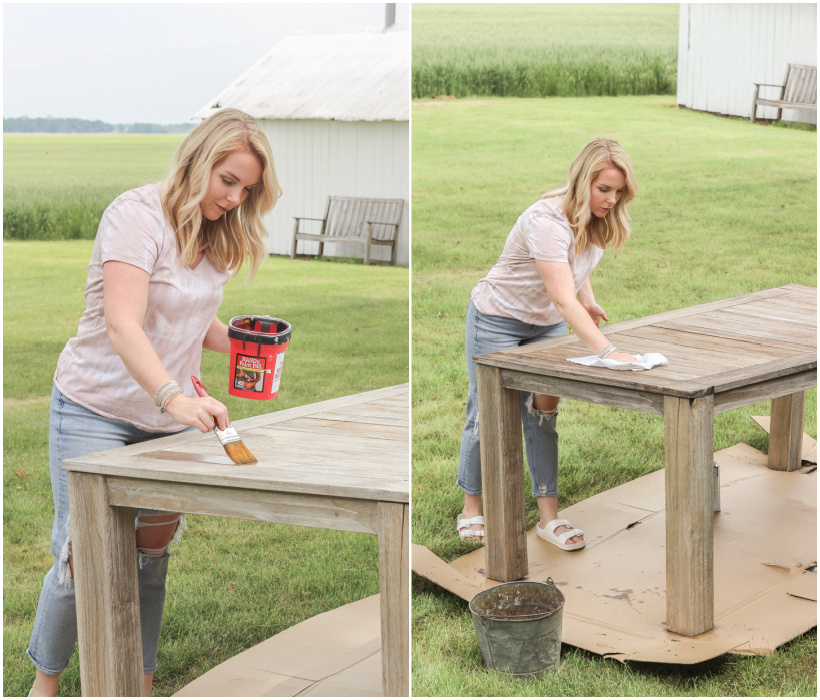
Oils soak into the wood to nourish and protect it. They keep the wood from drying out and cracking. Common oils include teak oil and linseed oil. Sealers form a thin layer on top that blocks moisture. Oils and sealers need regular reapplication, usually once or twice a year. They give a natural look and feel to wood furniture.
Varnishes And Paints
Varnishes add a hard, glossy finish that shields wood from water and sun. They come in satin, semi-gloss, and high gloss. Paints cover the wood completely and offer strong protection. They also allow color choice to match your style. Both varnish and paint must be applied on clean, dry surfaces. They last longer than oils but may crack over time.
Waterproof Coatings
Waterproof coatings create a tough, water-resistant shell on wood. They prevent water from soaking in and causing damage. These coatings often contain resin or silicone. They are clear and keep the natural wood grain visible. Waterproof coatings are great for areas with heavy rain or humidity. They usually require less frequent maintenance than oils or varnishes.
Credit: lovegrowswild.com
Maintaining Wood Furniture
Maintaining wood furniture keeps it strong and beautiful for years. Regular care stops damage and wear. Wood exposed to sun, rain, and dirt needs attention. Simple steps protect your investment and save money on repairs.
Regular Cleaning
Clean wood furniture often to remove dirt and dust. Use a soft cloth or brush. Mild soap with water works well. Avoid harsh chemicals that can damage the finish. Dry the furniture completely after cleaning. This prevents moisture from soaking into the wood.
Touch-up Methods
Small scratches and marks can be fixed easily. Use wood markers or crayons that match the furniture color. Light sanding smooths rough spots. Apply a thin layer of wood oil or wax to restore shine. Do this gently to keep the wood surface even.
Seasonal Care
Adjust care with the seasons to protect wood better. In dry months, use wood oil to stop cracking. During rainy seasons, cover furniture or move it indoors. Check for loose screws or joints and tighten them. Store cushions and fabric parts in a dry place.
Preventing Damage
Preventing damage is the key to keeping wood outdoor furniture beautiful and strong. Wood faces many threats outside. Sun, rain, and insects can wear it down fast. Taking steps to protect your furniture helps it last longer. It keeps the wood looking fresh and sturdy through all seasons.
Shielding From Sunlight
Sunlight causes wood to dry out and crack. It also fades the color, making the furniture look old. Use a UV-resistant finish to protect the surface. Place furniture in shaded areas when possible. Cover pieces with breathable fabric covers during the hottest hours. These actions reduce sun damage and keep wood smooth.
Avoiding Moisture Exposure
Moisture can cause wood to swell, warp, or rot. Rain and dew are common risks for outdoor furniture. Store furniture under a roof or in a dry place during rain. Wipe off water quickly after it rains. Apply waterproof sealants yearly to keep moisture out. Proper drainage beneath furniture also helps prevent water damage.
Protecting Against Pests
Insects like termites and beetles can eat wood from inside. Check furniture regularly for holes or sawdust. Use insect-repellent treatments safe for wood. Keep plants and soil away from wooden legs to reduce pests. Early detection and treatment stop pests from causing serious harm.

Credit: osmouk.com
Storage Solutions
Storing wood outdoor furniture properly protects it from damage and extends its life. Good storage stops moisture, dirt, and sun from wearing down the wood. It also prevents cracks and fading. Choosing the right storage method keeps your furniture looking fresh year after year.
Indoor Storage Tips
Indoor storage offers the best protection for wood furniture. Place items in a dry, cool room away from direct sunlight. Avoid damp basements or garages, as moisture can cause wood to warp or rot. Use furniture pads or blankets to cover surfaces and prevent scratches. Keep pieces off the ground to avoid contact with cold or wet floors. Proper indoor storage reduces the risk of insect damage and mold growth.
Using Covers Effectively
Covers shield wood furniture from dust, rain, and sun exposure. Choose breathable covers to allow air circulation and prevent moisture buildup. Avoid plastic covers that trap humidity and cause mold. Ensure covers fit snugly but do not squeeze the furniture tightly. Secure covers with straps or ties to stop them from blowing away. Remove covers occasionally to air out the furniture and check for any damage.

Credit: www.andersonlumbercompany.com
Frequently Asked Questions
How Often Should I Seal Outdoor Wood Furniture?
Sealing outdoor wood furniture should be done annually. This protects the wood from moisture and sun damage. Use a high-quality sealant suitable for your wood type. Regular sealing prevents cracks, warping, and fading, extending your furniture’s life and maintaining its appearance.
What Is The Best Wood For Outdoor Furniture?
Teak, cedar, and redwood are excellent for outdoor furniture. These woods resist moisture, insects, and decay naturally. They require less maintenance and last longer outdoors. Choosing durable wood reduces the need for frequent repairs and preserves your furniture’s beauty.
How Can I Clean Wood Outdoor Furniture Safely?
Use mild soap and water to clean wood furniture. Avoid harsh chemicals that can damage the wood surface. Gently scrub with a soft brush and rinse thoroughly. Regular cleaning removes dirt and prevents mold growth, keeping your furniture fresh and durable.
Should I Cover Outdoor Wood Furniture In Bad Weather?
Yes, cover wood furniture during rain or snow. Use breathable, waterproof covers to avoid moisture buildup. Covers protect wood from water damage and UV rays. Proper covering helps maintain wood integrity and reduces weather-related wear.
Conclusion
Protecting wood outdoor furniture takes simple, regular care. Clean the wood gently to remove dirt and dust. Apply a good sealant to block moisture and sun damage. Cover furniture when not in use to keep it safe. Store pieces indoors during harsh weather for longer life.
These steps keep your furniture looking fresh and strong. Enjoy your outdoor space with well-maintained wood furniture every season. Small efforts create big results. Your furniture will thank you.