Are your wooden outdoor furniture feet starting to show signs of wear or damage? If you want to keep your furniture looking great and lasting longer, sealing the feet is a simple step you can’t afford to skip.
By protecting the bottom of your wooden chairs and tables, you prevent moisture, dirt, and insects from causing costly damage. In this guide, you’ll discover easy, effective ways to seal your furniture feet so they stay strong and beautiful season after season.
Ready to give your outdoor pieces the care they deserve? Let’s dive in!
Credit: www.homedepot.com
Choosing The Right Sealant
Choosing the right sealant for the feet of wooden outdoor furniture is key to protecting your investment. The sealant acts as a shield against moisture, dirt, and wear. It helps to keep the wood strong and looking good for a long time. Selecting a sealant that suits your wood type and outdoor conditions is important.
Types Of Sealants
There are several types of sealants for wood. Oil-based sealants soak into the wood and provide deep protection. They enhance the natural grain and color. Water-based sealants dry faster and have less odor. They create a clear, protective layer on the surface. Polyurethane sealants form a hard, durable coat. They are great for high-traffic areas. Choose a sealant based on how much protection and look you want.
Waterproof Vs. Water-resistant
Waterproof sealants block water completely. They prevent any moisture from entering the wood. This is best for areas with heavy rain or standing water. Water-resistant sealants slow down water absorption but do not stop it fully. They work well in mild weather or areas with less water exposure. Consider the climate and how wet the furniture will get before picking between waterproof or water-resistant.
Eco-friendly Options
Eco-friendly sealants are made from natural or low-toxicity materials. They release fewer harmful chemicals into the air. These sealants are safer for the environment and your health. Some use plant oils, beeswax, or water as a base. They still offer good protection but are gentler on nature. Choosing eco-friendly options supports a cleaner, greener outdoor space.
Preparing Wooden Furniture Feet
Preparing wooden furniture feet is an important step before sealing them. This process helps protect the wood from water, dirt, and damage. Proper preparation ensures the sealant sticks well and lasts longer. It also keeps your outdoor furniture looking good and strong.
Cleaning And Drying
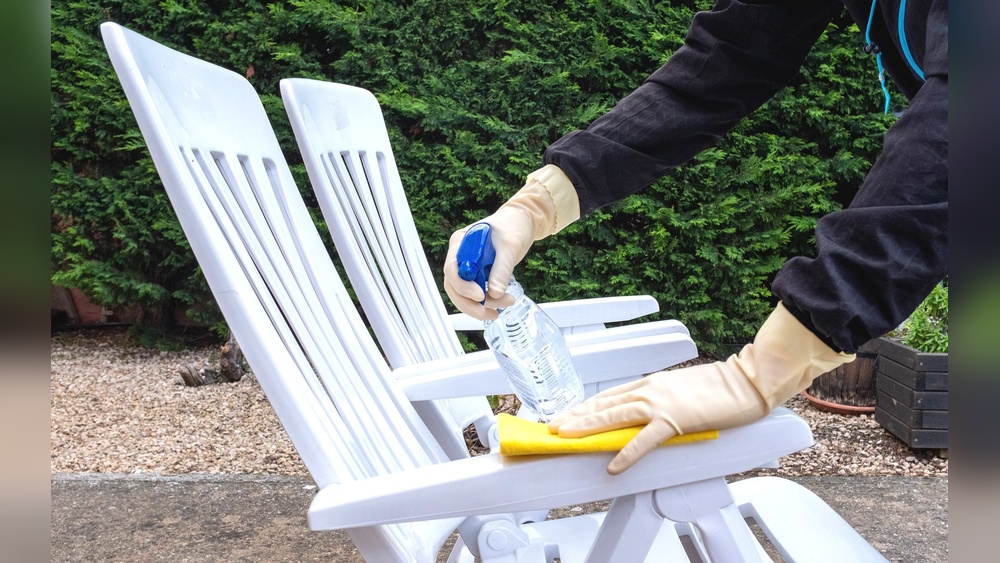
Start by removing dirt and dust from the wooden feet. Use a soft brush or cloth to clean the surface gently. Avoid soaking the wood with too much water. After cleaning, let the wood dry completely. Dry wood absorbs sealant better and prevents mold growth.
Sanding For Smoothness
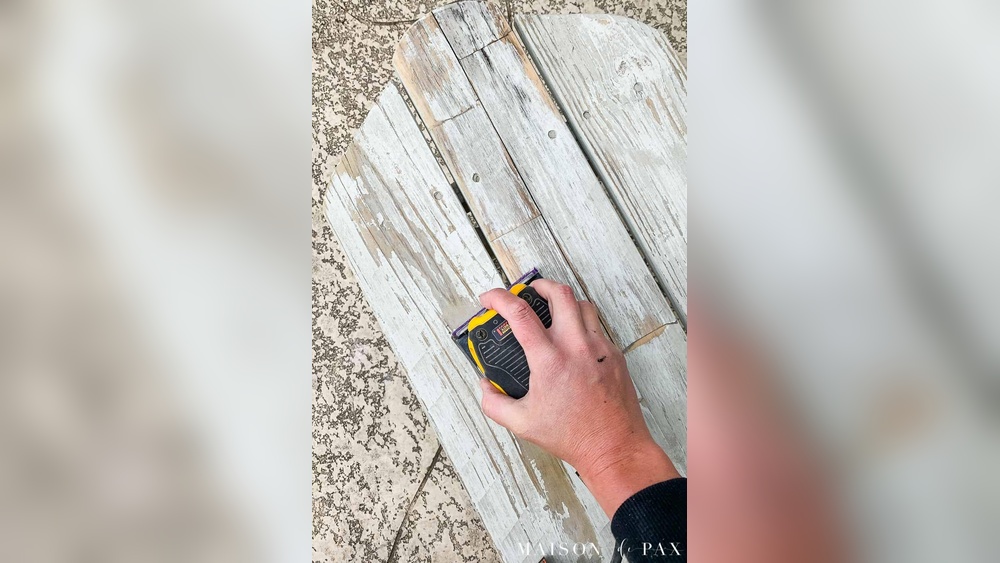
Lightly sand the wooden feet to create a smooth surface. Use fine-grit sandpaper for best results. Sanding removes rough spots and old finish remnants. It opens the wood pores to help the sealant stick. Always sand in the direction of the wood grain.
Removing Old Finish
Check if the wooden feet have old paint or varnish. Use a chemical stripper or sandpaper to remove it carefully. Removing old finish ensures the sealant can penetrate the wood. Work in a well-ventilated area and wear gloves for safety. Clean the wood again after this step to remove dust.
Application Techniques
Start by cleaning the wooden feet to remove dirt and dust. Apply a waterproof sealant evenly using a brush or cloth. Let the sealant dry fully before placing the furniture outside.
Tools Needed
Prepare the right tools before starting the sealing process. You will need a paintbrush or foam brush for smooth application. Use sandpaper to clean and roughen the wood surface. A clean cloth helps remove dust and dirt. Have a container ready for the sealant. Gloves protect your hands from chemicals. A drop cloth or newspaper prevents mess on the floor.
Step-by-step Sealing Process
Start by sanding the feet of the furniture gently. Remove all dust with a clean cloth. Stir the sealant well but avoid shaking it. Dip the brush into the sealant and apply it evenly on the wood feet. Cover all surfaces, including edges and corners. Wipe off any drips quickly to avoid marks. Let the first coat dry fully before touching the furniture.
Multiple Coats And Drying Times
Apply at least two coats for better protection. Wait for each coat to dry completely. Drying time depends on the sealant type and weather, usually 4 to 6 hours. Lightly sand between coats to ensure smoothness. Avoid rushing the process; patience improves the finish. More coats increase water resistance and durability.
Credit: www.homedepot.com
Additional Protection Methods
Protecting the feet of wooden outdoor furniture extends its life. Sealing is important, but extra steps help even more. These methods reduce damage from water and rough surfaces. They keep your furniture stable and looking good longer. Explore simple ways to add extra care and protection.
Using Furniture Pads Or Caps
Furniture pads or caps fit on the feet of chairs and tables. They stop direct contact with wet or rough ground. Soft pads prevent scratches on decks and patios. Plastic or rubber caps block moisture from soaking into wood. These small accessories cost little but add great protection.
Raising Furniture Off Ground
Lift furniture slightly off the ground with blocks or risers. This stops water from pooling around the feet. Air circulates better under furniture, reducing dampness. Raising helps avoid wood rot and mildew growth. Use sturdy materials like bricks or wooden blocks for support.
Regular Maintenance Tips
Check furniture feet often for signs of wear or damage. Clean dirt and debris away to stop moisture buildup. Reapply sealant or protective coatings as needed each season. Tighten loose screws or parts to keep stability. Simple upkeep extends the life of your wooden furniture.
Common Mistakes To Avoid
Sealing the feet of wooden outdoor furniture protects them from moisture and decay. Avoiding common mistakes helps you get the best results and extends furniture life. These errors can cause the sealant to fail or damage the wood.
Applying Sealant In Humid Conditions
High humidity stops sealant from drying properly. The sealant can stay sticky or peel off later. Choose a dry day with low humidity for sealing. This ensures the sealant sets fast and bonds well.
Skipping Surface Preparation
Not cleaning or sanding the wood wastes your efforts. Dirt, dust, and old finishes stop sealant from sticking. Always clean the feet and sand rough spots. A smooth, clean surface lets the sealant soak in fully.
Ignoring Manufacturer Instructions
Sealants differ in how to use them. Ignoring instructions can cause poor results or damage. Follow drying times, number of coats, and safety tips. This keeps your furniture safe and the seal strong.

Credit: www.countrycasualteak.com
Frequently Asked Questions
How Do I Prepare Wooden Furniture Feet For Sealing?
Clean the feet thoroughly, removing dirt and debris. Sand the surface lightly to ensure better sealant adhesion. Wipe off dust before applying the sealant for a smooth finish.
What Type Of Sealant Is Best For Wooden Furniture Feet?
Use a waterproof outdoor wood sealant or varnish. These protect against moisture, rot, and weather damage. Choose a product designed specifically for outdoor wooden surfaces.
How Often Should I Reseal Wooden Furniture Feet?
Reseal every 1 to 2 years or when signs of wear appear. Regular maintenance prevents water damage and prolongs the furniture’s lifespan. Check feet annually for cracks or peeling.
Can Sealing Wooden Feet Prevent Wood Rot Effectively?
Yes, sealing creates a moisture barrier that prevents wood rot. It stops water from penetrating and causing decay. Proper sealing is essential for outdoor wooden furniture durability.
Conclusion
Sealing the feet of wooden outdoor furniture protects it from water damage. It helps wood last longer and stay strong. Regular sealing stops wood from cracking and rotting. Use the right sealant and apply it carefully. Check your furniture often and reseal when needed.
This simple step saves money and keeps furniture looking good. A little care goes a long way. Your outdoor space will stay cozy and inviting for years. Take action now to protect your wooden furniture.