Putting a sheet on a bunk bed might seem simple, but it can quickly become frustrating if you don’t know the right steps. You want the sheet to fit snugly and stay in place, so your child sleeps comfortably all night long.
If you’ve ever struggled with loose corners or wrinkled fabric, you’re not alone. This guide will show you easy, practical tips to get the perfect fit every time. By the end, you’ll feel confident and save time on making the bed—no more wrestling with stubborn sheets! Keep reading to discover how to make this chore quick and hassle-free.

Credit: heavydutybunkbeds.com
Choosing The Right Sheet Size
Choosing the right sheet size is very important for a bunk bed. Sheets that fit well stay in place and feel comfortable. Sheets that are too big or too small can slip off or look messy. Knowing the mattress size helps pick the best sheet size for your bunk bed.
Not all mattresses are the same size. Bunk beds often have different mattress dimensions than regular beds. Measuring your mattress correctly will help you find sheets that fit perfectly. This makes putting sheets on easier and keeps the bed neat.
Standard Vs. Bunk Bed Mattress Sizes
Standard mattresses come in common sizes like twin, full, queen, and king. Bunk bed mattresses are usually twin size but can be thinner or shorter. Some bunk beds use special sizes not found in regular beds. Knowing the difference helps you buy the right sheets. Bunk bed mattresses often need fitted sheets with deeper pockets to fit well.
Measuring Your Mattress Accurately
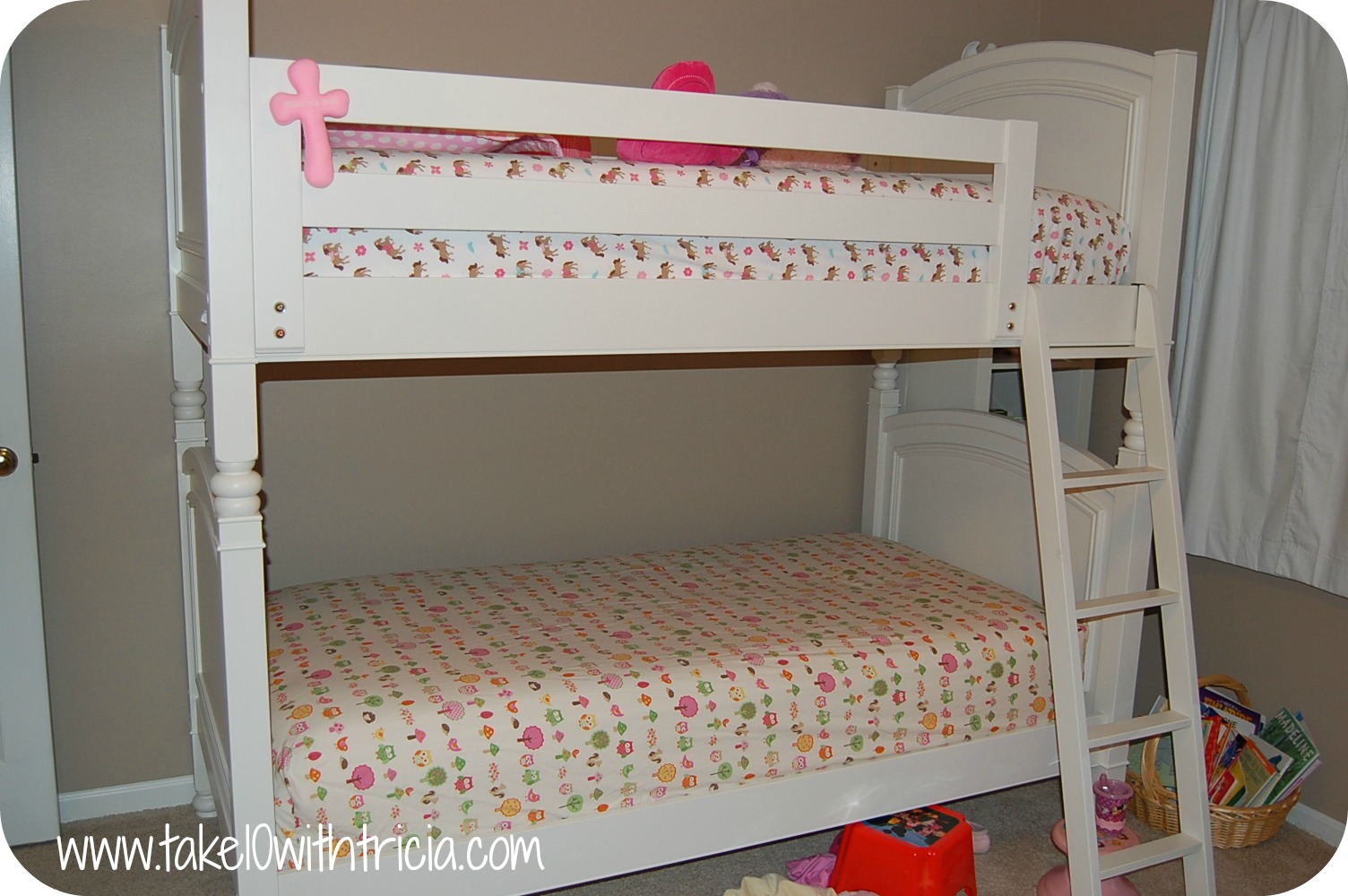
Measure the length, width, and thickness of your mattress. Use a tape measure for exact numbers. Write down each measurement. Check if the mattress is thicker than usual. This affects the sheet size you need. Measure in inches for better accuracy. Correct measurements help you avoid buying sheets that do not fit. Always measure before buying new sheets for your bunk bed.
Credit: take10withtricia.com
Selecting The Best Sheet Material
Choosing the right sheet material for a bunk bed is important for comfort and durability. Sheets need to fit well and feel good to sleep on. The material affects how the sheets last and how cozy they feel. Picking the best fabric makes bedtime better for kids and adults alike.
Durability And Comfort
Sheets on a bunk bed should be strong and soft. Durable fabrics resist tears and hold color after many washes. Cotton is a popular choice because it balances comfort and toughness. It feels soft against the skin and lasts long. Polyester blends add strength and wrinkle resistance. These sheets stay smooth and fit the mattress well. Comfort matters as much as durability for a good night’s rest.
Breathable Fabrics For Kids
Kids need sheets that keep them cool and dry at night. Breathable fabrics help air move through the material. Cotton and bamboo sheets are great options. They absorb moisture and reduce sweating. These fabrics feel fresh and light, making sleep more pleasant. Avoid thick or synthetic sheets that trap heat. Soft, breathable sheets keep children comfortable all night long.
Preparing The Mattress
Preparing the mattress is the first step to putting a sheet on a bunk bed. A clean, smooth mattress helps the sheet fit better and last longer. It also makes the bed comfortable to sleep on. Take time to get the mattress ready before starting.
Cleaning And Airing Out
Start by removing any old sheets or bedding. Check the mattress for dust, dirt, or stains. Use a vacuum cleaner to remove dust and small particles. If possible, take the mattress outside for fresh air. Let it sit in the sun for a few hours. This helps kill bacteria and removes odors. A clean mattress feels fresh and smells good.
Smoothing The Surface
After cleaning, check the mattress surface for lumps or bumps. Press down on the mattress to flatten any raised areas. If the mattress cover is loose, pull it tight and tuck it back. Make sure the surface is flat and even. A smooth mattress makes it easier to put the sheet on without wrinkles. This also helps the sheet stay in place all night.
Step-by-step Sheet Placement
Putting a sheet on a bunk bed can be tricky. The smaller space and high edges need careful handling. Follow clear steps to make the bed neat and comfortable. This guide helps you place sheets quickly and correctly.
Starting With The Fitted Sheet
Begin with the fitted sheet. Find the corners with elastic bands. Stretch one corner over a top corner of the mattress. Pull the sheet down along the mattress edge. Repeat with the opposite corner. Make sure the sheet fits tight and smooth.
Securing Corners Properly
After the fitted sheet is in place, check all corners. Tuck each elastic corner under the mattress firmly. This stops the sheet from slipping during sleep. Smooth out any wrinkles on the mattress surface. A tight fit keeps the sheet neat and safe.
Tucking In The Flat Sheet
Place the flat sheet over the mattress next. Align the sheet edges with the bed frame. Let the sheet hang evenly on both sides. Tuck the sheet under the mattress at the foot of the bed. For a clean look, fold the sheet edges at the sides. Tucking helps keep the sheet in place all night.
Tips For A Snug Fit
Getting a snug fit on a bunk bed sheet helps keep it neat and comfortable all night. A tight sheet stops slipping and bunching, making the bed look tidy. These tips help your sheet stay in place on the smaller, thinner bunk bed mattress.
Focus on tools and techniques that hold the sheet tight. Smooth out the fabric to avoid lumps. This keeps the bed ready for a good sleep.
Using Sheet Straps Or Suspenders
Sheet straps stretch under the mattress corners to hold sheets tight. Attach each strap to a corner of the sheet. Snap or clip the ends underneath the mattress. The straps pull the sheet down firmly. They stop the sheet from sliding off during sleep. Choose adjustable straps for a perfect fit on any mattress thickness.
Avoiding Wrinkles And Bunching
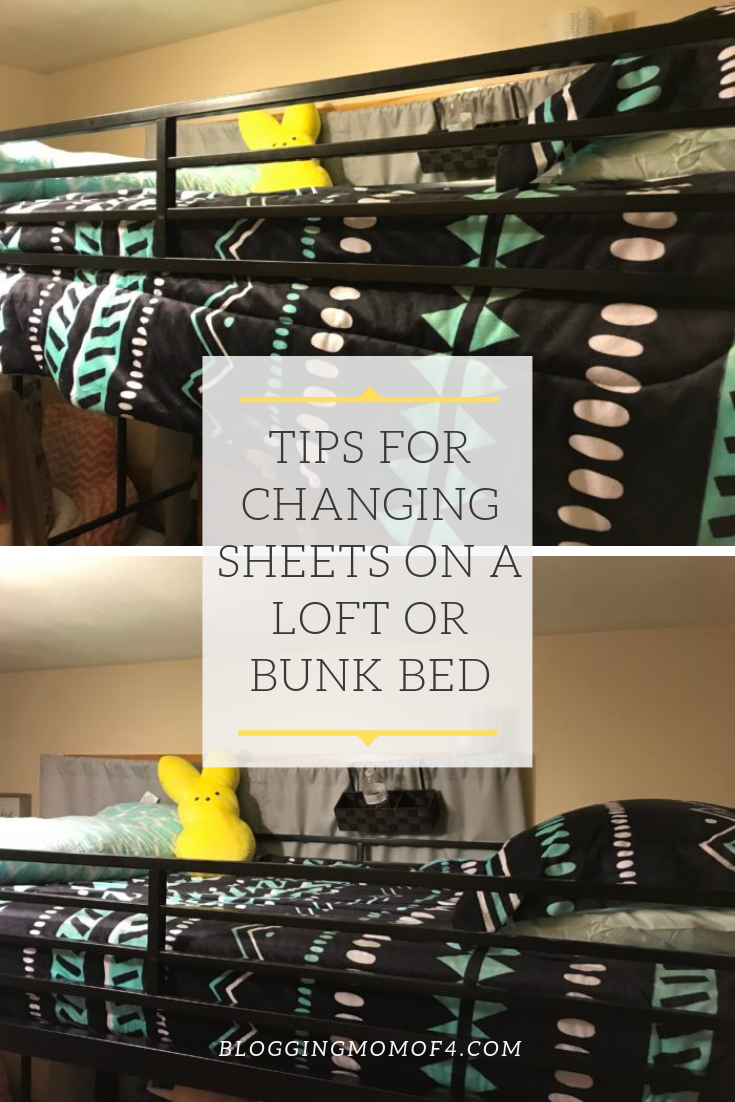
Pull the sheet evenly from all sides. Start with the mattress corners. Tuck the sheet tightly under each corner. Smooth the top surface with your hands. Press out any folds or creases. Check the sides and edges for lumps. Straightening the sheet makes the bed look fresh. It also feels more comfortable to lie on.
Credit: bloggingmomof4.com
Maintaining Sheets On A Bunk Bed
Keeping sheets neat on a bunk bed takes some care. Sheets can slip or bunch up easily. Regular attention helps keep the bed tidy and comfortable. The right habits protect sheets and make the bed inviting for sleep.
Regular Washing And Care
Wash sheets often to keep them fresh and clean. Use mild detergent to avoid damage. Choose warm water for cotton sheets. Cold water works well for delicate fabrics. Avoid harsh chemicals that weaken fibers. Dry sheets completely to prevent mold or smell. Folding sheets right helps them stay smooth.
Quick Fixes For Loose Sheets
Loose sheets can spoil a good night’s rest. Tuck corners tightly under the mattress. Use sheet clips or suspenders to hold sheets in place. Pull sheets evenly to avoid wrinkles. Smooth out any bumps by hand. Fix loose sheets right away to keep the bed neat all night.
Frequently Asked Questions
How Do You Secure A Sheet On A Bunk Bed Mattress?
Start by placing the fitted sheet on one corner of the mattress. Stretch it over the opposite corner, then pull the sheet tightly around the mattress edges. Tuck the sheet securely under the mattress to prevent slipping during sleep.
What Type Of Sheets Work Best For Bunk Beds?
Fitted sheets with deep pockets work best for bunk beds. They fit securely over thick mattresses. Choose soft, breathable fabrics like cotton for comfort and durability. Avoid flat sheets, as they tend to slip off easily on bunk beds.
How Can I Prevent Sheets From Slipping On A Bunk Bed?
Use fitted sheets with elastic edges for a snug fit. Add sheet suspenders or straps to keep sheets in place. Tucking sheets tightly under the mattress corners also helps prevent slipping during sleep or play.
Is It Easier To Put Sheets On The Top Or Bottom Bunk?
Putting sheets on the bottom bunk is easier due to better accessibility. For the top bunk, use step stools and work slowly. Secure sheets tightly to prevent them from loosening while sleeping.
Conclusion
Putting a sheet on a bunk bed is simple with the right steps. Start by choosing the right size sheet. Tuck the corners tightly to keep the sheet in place. Smooth out wrinkles for a neat look. Taking your time helps avoid frustration.
A well-made bunk bed looks tidy and feels comfortable. Practice makes this task faster and easier. You can do it quickly every time. Enjoy a cozy and clean bed ready for sleep.