Your outdoor furniture cushions are perfect for relaxing and enjoying the fresh air. But when mildew stains show up, they can quickly ruin the look and feel of your space.
You might think these stains are impossible to remove, but that’s not true. With the right steps, you can bring your cushions back to life and make them look fresh again. Keep reading to discover simple, effective ways to remove mildew stains and protect your cushions from future damage.
Your outdoor space deserves to look its best, and you’re just a few easy tips away from making that happen.
Causes Of Mildew On Outdoor Cushions
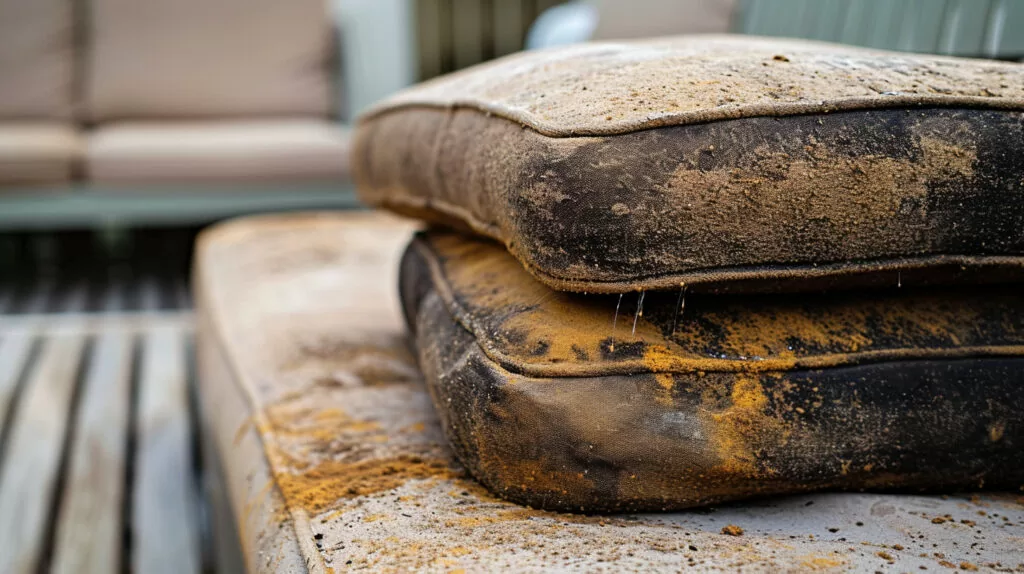
Mildew stains on outdoor furniture cushions are common. Understanding what causes mildew helps prevent and remove it better. Mildew grows in certain conditions that affect cushions left outside. Knowing these causes keeps cushions clean and fresh longer.
Humidity And Moisture Factors
High humidity creates a perfect home for mildew. Moisture from rain, dew, or spills stays in cushions. Poor air circulation traps this moisture inside. Wet cushions that dry slowly encourage mildew growth. Outdoor cushions in shaded or damp areas get mildew faster.
Material Susceptibility
Some cushion fabrics hold moisture more than others. Natural fibers like cotton absorb water easily. Synthetic fabrics such as polyester resist mildew better but not fully. Cushions with dense foam inside can stay damp for days. Materials that trap moisture provide mildew a place to grow.
Credit: www.patioproductions.com
Tools And Supplies Needed
Removing mildew stains from outdoor furniture cushions needs the right tools and supplies. Using proper items makes cleaning easier and protects your cushions. Prepare these materials before starting the cleaning process. This helps save time and ensures better results.
Cleaning Agents
Choose a gentle but effective cleaner. Mild detergent works well for most fabrics. You can also use white vinegar or baking soda. These natural cleaners kill mildew and remove stains without damage. Avoid harsh chemicals that may harm the fabric or your skin.
Brushes And Cloths
Soft-bristled brushes help scrub mildew without hurting the fabric. Use a toothbrush for small spots or seams. Clean cloths or sponges are good for wiping and rinsing. Have several cloths ready for drying and blotting excess moisture.
Protective Gear
Wear gloves to protect your hands from cleaning agents. A mask helps avoid inhaling mildew spores or strong smells. Use old clothes to prevent stains or damage to your daily wear. Safety first for a smooth cleaning experience.
Preparation Before Cleaning
Proper preparation is key before cleaning mildew stains from outdoor furniture cushions. It helps protect the fabric and makes cleaning easier. Taking time to prepare can improve the results and keep cushions in good shape.
Removing Cushions From Furniture
Start by taking the cushions off the furniture carefully. Place them in a clean, flat area to avoid bending or damage. This makes every side easier to clean. Also, removing cushions prevents water and cleaning solutions from harming the furniture frame.
Drying And Brushing Off Surface Dirt
Allow cushions to dry if they are wet. Moisture can spread mildew and make stains worse. After drying, use a soft brush to remove loose dirt and debris. Brushing helps clear the surface and prepares the fabric for deeper cleaning. This step reduces the chance of pushing dirt into the fabric during washing.

Credit: www.blesserhouse.com
Step-by-step Cleaning Methods
Removing mildew stains from outdoor furniture cushions is simple with the right steps. Follow these easy methods to clean your cushions effectively. Each method uses common ingredients or products you can find easily.
Start by choosing the method that suits your needs. Always test a small area first to avoid damage. Use gentle scrubbing to remove stains without harming the fabric.
Using Vinegar Solution
Mix one part white vinegar with two parts water in a spray bottle. Spray the solution on the mildew stains. Let it sit for 10 minutes to break down the mildew.
Use a soft brush or cloth to scrub the stains gently. Rinse the cushion with clean water to remove vinegar. Leave the cushion in the sun to dry fully, which helps kill remaining mildew.
Applying Baking Soda Paste
Make a paste with baking soda and water until thick. Spread the paste on the stained areas. Let it sit for 15 to 20 minutes to absorb mildew odor and stains.
Scrub the paste gently using a soft brush. Rinse thoroughly with water to remove all baking soda. Dry the cushions in sunlight for best results.
Commercial Mildew Removers
Choose a mildew remover safe for outdoor fabrics. Follow the instructions on the product label carefully. Usually, spray or apply the remover on stains and wait a few minutes.
Scrub the area lightly with a brush or cloth. Rinse the cushions with water to clear the product. Dry the cushions completely outside to prevent mildew return.
Drying And Airing Cushions
Drying and airing cushions is a key step to remove mildew stains. Wet cushions hold moisture, which helps mildew grow back. Proper drying stops mildew spores from spreading and keeps cushions fresh.
Let cushions dry completely before putting them back on furniture. This prevents dampness that causes mildew and bad smells. Airing cushions in the right way helps them stay clean and last longer.
Optimal Sunlight Exposure
Place cushions in direct sunlight for the best drying effect. Sunlight kills mildew spores and reduces moisture quickly. Avoid shaded or damp areas; they slow drying and let mildew return.
Turn cushions often to expose all sides. This ensures even drying and stops hidden damp spots. Bright sunlight also helps fade mild stains naturally.
Avoiding Mold Regrowth
Store cushions in a dry place after drying. Moist, dark areas invite mildew to grow again. Use breathable bags or covers to keep air flowing around cushions.
Check cushions regularly for dampness or spots. Clean and dry them immediately if mildew appears. Good airflow and sunlight reduce mildew risks effectively.
Credit: www.furnituremaxi.com
Preventing Future Mildew Growth
Preventing future mildew growth on outdoor furniture cushions helps keep them clean and fresh. Mildew thrives in damp, dark places. Stopping moisture and dirt buildup reduces mildew chances. A few simple habits protect your cushions for longer.
Proper Storage Tips
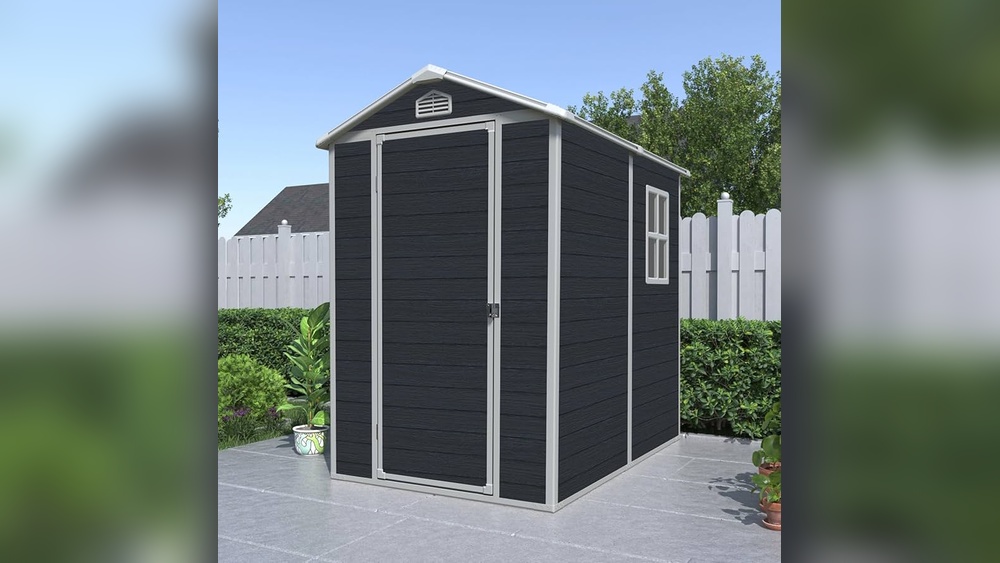
Store cushions in a dry, well-ventilated place. Avoid leaving them on wet ground or damp surfaces. Use shelves or hooks to keep cushions off the floor. Store cushions indoors during heavy rain or winter months. Proper storage keeps cushions dry and mildew-free.
Waterproof Covers And Treatments
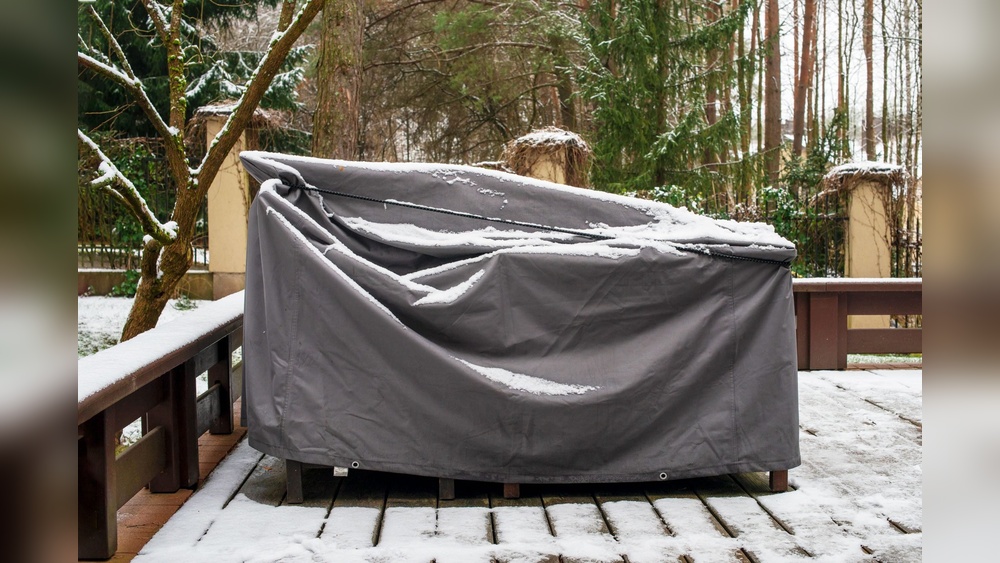
Use waterproof covers to shield cushions from rain and moisture. Covers block water and reduce dampness inside the fabric. Consider waterproof sprays designed for outdoor fabrics. These treatments add a protective layer against water and mildew. Reapply treatments regularly for best results.
Regular Maintenance
Clean cushions often to remove dirt and moisture. Brush off debris and dry cushions completely after use. Wash cushions with mild soap and water when needed. Let cushions dry in the sun to kill mildew spores. Regular care stops mildew from forming and keeps cushions fresh.
When To Replace Outdoor Cushions
Outdoor cushions face many challenges from weather and mildew. Cleaning helps a lot, but cushions do not last forever. Knowing when to replace them saves time and keeps your outdoor space fresh. Some cushions show clear signs they cannot be saved. Others may work longer if treated well.
Signs Of Irreversible Damage
Check cushions for deep mildew stains that do not go away. Fabric that feels weak, thin, or crumbles needs replacement. Mold that smells very strong, even after cleaning, shows damage. Foam inside cushions that is hard, lumpy, or smells bad should be replaced. Tears and holes that spread quickly also mean it is time.
Choosing Mildew-resistant Materials
Select cushions made from mildew-resistant fabrics for longer use. Materials like solution-dyed acrylic or polyester dry quickly and resist mold. Look for cushions with water-repellent or UV-protective coatings. These features help cushions stay clean and fresh outdoors. Consider cushions with removable covers for easy washing and care.
Frequently Asked Questions
How Do I Clean Mildew From Outdoor Cushions Safely?
To clean mildew safely, use a mixture of water and mild detergent. Gently scrub the cushion with a soft brush. Rinse thoroughly and air dry completely in the sun to prevent mildew regrowth. Avoid harsh chemicals that may damage the fabric.
What Household Items Remove Mildew Stains Effectively?
White vinegar, baking soda, and lemon juice work well to remove mildew stains. Apply vinegar or lemon juice directly to stains, let sit, then scrub. Baking soda can be sprinkled before scrubbing to boost cleaning power. Always rinse and dry cushions after treatment.
Can Mildew Stains Be Removed Without Harsh Chemicals?
Yes, natural solutions like vinegar, lemon juice, and baking soda effectively remove mildew. These options are safe, eco-friendly, and gentle on fabrics. They prevent fabric damage while eliminating stains and odors. Regular cleaning and drying also help prevent mildew buildup.
How Long Does It Take To Remove Mildew From Cushions?
Mildew stain removal typically takes 15 to 30 minutes per cushion. Time depends on stain severity and cleaning method. Allow extra drying time in sunlight for best results. Prompt cleaning prevents stains from setting and becoming harder to remove.
Conclusion
Cleaning mildew stains from outdoor cushions protects your furniture well. Act fast to stop mildew from spreading and damaging fabric. Use gentle cleaners and scrub softly for best results. Let cushions dry fully in the sun to prevent mildew return.
Regular cleaning keeps cushions fresh and extends their life. Simple care steps make your outdoor space inviting again. Keep cushions clean and enjoy your outdoor furniture longer. Easy to follow and effective. You can do this!