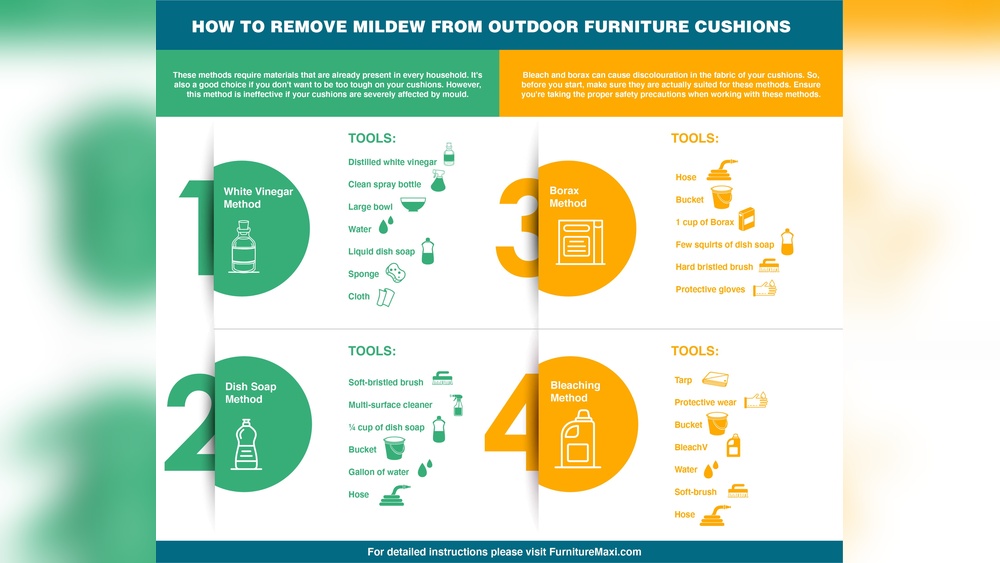
Is your outdoor furniture looking dull and spotted with mould? You’re not alone, and the good news is that getting rid of mould doesn’t have to be a tough, time-consuming job.
Imagine relaxing in your clean, fresh outdoor space without worrying about slippery, unhealthy mould creeping on your chairs or tables. You’ll discover simple, effective steps to remove mould from your outdoor furniture quickly and safely. Keep reading, and you’ll soon enjoy a mould-free, inviting outdoor area that you’ll love to spend time in.
Causes Of Mould On Outdoor Furniture
Mould on outdoor furniture appears from different causes. Understanding these causes helps prevent mould growth. Mould thrives in certain conditions. Moisture, dirt, and lack of air flow create the perfect environment. Outdoor furniture often faces these conditions, making it vulnerable.
Common Mould Triggers
Dampness is the main trigger for mould. Rain, spills, or humidity leave furniture wet. Dirt and organic matter like leaves or bird droppings feed mould spores. Poor cleaning routines allow mould to grow unnoticed. Dark and shaded areas hold moisture longer. This gives mould more time to develop.
Weather And Environment Factors
Outdoor furniture faces sun, rain, and wind every day. Rain increases moisture and wet surfaces. Humid climates keep moisture in the air. Lack of sunlight slows drying and helps mould grow. Wind may carry mould spores from plants or soil. Cold weather can also trap moisture on furniture surfaces.
Tools And Materials Needed
Removing mould from outdoor furniture requires the right tools and materials. Having these ready makes the process easier and safer. This section covers the essential items needed for effective cleaning.
Cleaning Solutions
A good cleaning solution kills mould and stops it from growing back. Use a mix of water and white vinegar for a natural option. Mild dish soap with warm water also works well. Avoid harsh chemicals that can damage furniture or harm plants nearby.
Protective Gear
Protect yourself during cleaning. Wear rubber gloves to keep your hands safe. Use a face mask to avoid breathing mould spores. Safety glasses help protect your eyes from splashes. Dress in old clothes that you can wash easily.
Cleaning Tools
Gather soft brushes or sponges to scrub the mould gently. Use a spray bottle to apply your cleaning solution evenly. A bucket helps hold the solution and rinse water. Old towels or cloths are useful for drying the furniture after cleaning.
Step-by-step Mould Removal Process
Removing mould from outdoor furniture is simple with the right steps. Follow this guide to clean and protect your furniture. Each step helps remove mould safely and effectively.
Preparing The Area
Start by moving your furniture to a well-ventilated space. This stops mould spores from spreading inside your home. Wear gloves and a mask to protect your skin and lungs. Clear away loose dirt and debris with a soft brush. Cover nearby plants and surfaces to avoid damage.
Applying Cleaning Solutions
Choose a cleaning solution made for mould removal. Mix one cup of white vinegar with one cup of water for a natural option. Spray the solution evenly on the mouldy spots. Let it sit for 10 to 15 minutes. This helps kill the mould and loosens stains.
Scrubbing Techniques
Use a soft brush or sponge to scrub the mould gently. Avoid harsh scrubbing to protect the furniture surface. Work in small sections for better control. Rinse the brush often to remove mould particles. Repeat spraying and scrubbing if mould remains.
Rinsing And Drying
Rinse the furniture with clean water to wash away cleaning solution and mould. Use a hose or bucket for thorough rinsing. Wipe excess water with a dry cloth. Leave the furniture in the sun to dry completely. Sunlight helps kill any leftover mould spores.
:strip_icc()/Clean-Outdoor-Furniture-34bc286d99604bce93f968cc0e060c68.jpg)
Credit: www.bhg.com
Natural Remedies For Mould Removal
Natural remedies offer a safe and effective way to remove mould from outdoor furniture. These solutions use simple ingredients found at home. They work well without harsh chemicals. Using natural remedies also helps protect your garden and pets. Below are three easy methods to try.
Vinegar Solutions
White vinegar is a powerful natural cleaner. Its acidity kills mould and stops growth. Pour undiluted vinegar into a spray bottle. Spray the mouldy areas on your furniture. Let it sit for at least one hour. Then scrub gently with a soft brush. Rinse with water and dry completely. Vinegar leaves no harmful residue behind.
Baking Soda Mixtures
Baking soda is another safe and effective choice. It deodorizes and removes mould stains. Mix two tablespoons of baking soda with two cups of water. Pour the mixture into a spray bottle. Spray the affected spots and let it sit for 15 minutes. Scrub the mould away using a brush or cloth. Rinse with clean water and dry your furniture well.
Essential Oils
Essential oils like tea tree and lavender fight mould naturally. They have antifungal properties and a fresh scent. Mix one teaspoon of essential oil with one cup of water. Shake well and spray on mouldy areas. Let the solution work for an hour or more. Wipe the furniture with a clean cloth. Repeat if needed to keep mould away.
Preventing Future Mould Growth
Preventing mould on outdoor furniture is key to keeping it clean and safe. Mould grows quickly in damp, shady spots. Stopping mould means controlling moisture and sunlight exposure. Simple steps can protect your furniture and extend its life.
Proper Furniture Placement
Place furniture where it can dry fast after rain. Avoid spots with constant shade or poor air flow. Sunlight helps stop mould from growing. Keep furniture away from plants or walls that trap moisture. Good placement reduces dampness and mould risk.
Regular Cleaning Routine
Clean your furniture often to stop mould spores. Use mild soap and water to wipe surfaces. Rinse well and dry completely before using again. Regular cleaning removes dirt and moisture that feed mould. Set a schedule to clean every few weeks.
Using Protective Covers
Covers protect furniture from rain and dew. Use breathable covers to prevent trapped moisture. Remove covers on sunny days to let furniture air out. Covers help keep surfaces dry and clean. Choose covers that fit well and are easy to remove.
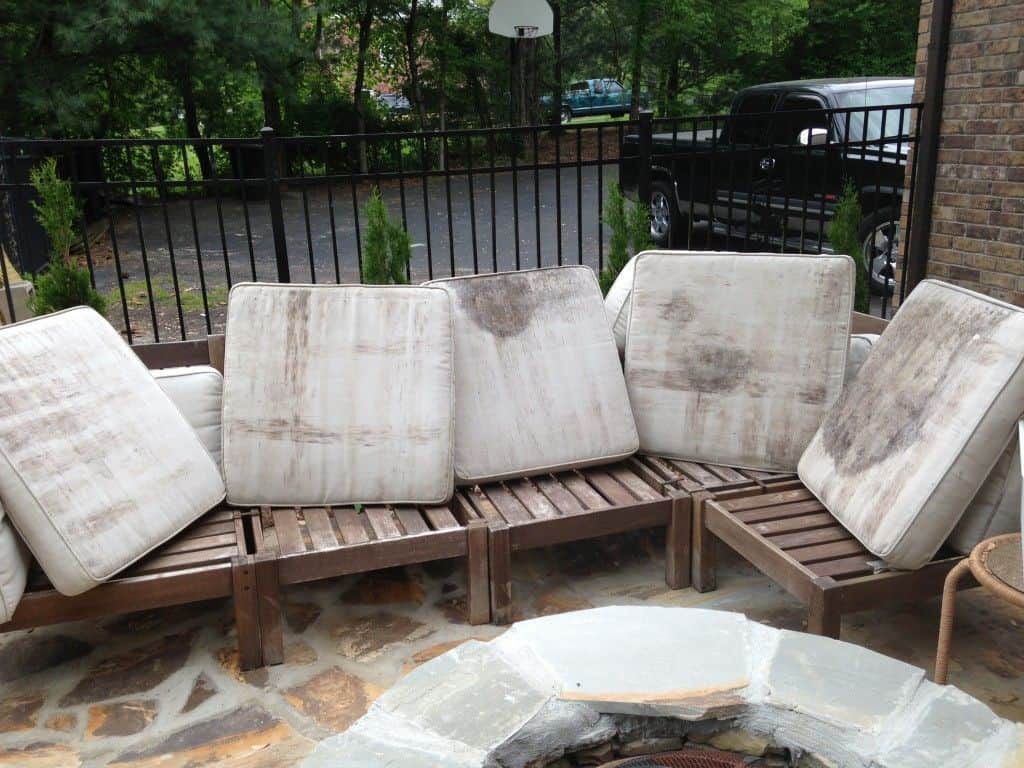
Credit: www.simplyspotless.com.au
Dealing With Tough Mould Stains
Tough mould stains on outdoor furniture need extra care and effort. These stains can be stubborn and hard to remove with regular cleaning. Act fast to prevent damage to your furniture. Use the right methods and products for deep cleaning. This section helps you handle those hard-to-remove mould spots safely and effectively.
Commercial Cleaners
Commercial mould cleaners are strong and designed for tough stains. Choose one made for outdoor furniture materials. Always read the label and follow instructions carefully. Use gloves and work in a well-ventilated area. Spray or apply the cleaner on the mouldy spots. Let it sit for the time stated on the product. Scrub the area gently with a soft brush. Rinse with clean water and dry the furniture completely. Repeat if needed, but avoid harsh scrubbing to protect the furniture surface.
When To Replace Furniture
Sometimes mould damage is too severe to fix. Deep stains or rotten wood mean replacement is better. If mould returns quickly after cleaning, the furniture may be compromised. Check for soft spots, cracks, or a musty smell. These signs show mould has damaged the structure. Choose new furniture with mould-resistant materials. This helps avoid future problems and keeps your outdoor space safe and clean.
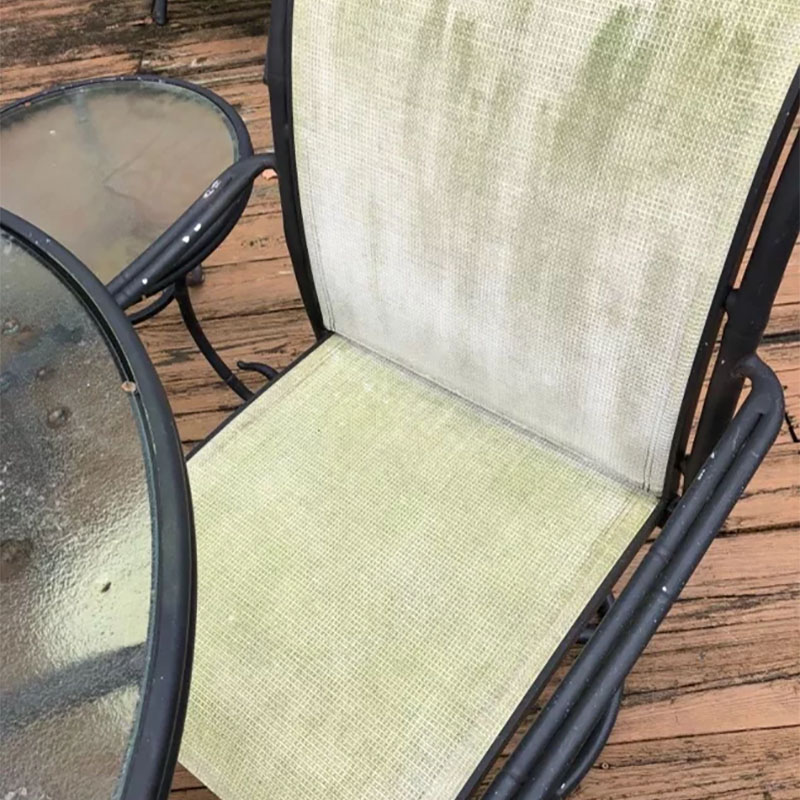
Credit: www.nationaloutdoorfurniture.com
Frequently Asked Questions
How Do I Safely Remove Mould From Outdoor Furniture?
Use a mixture of water and mild detergent or vinegar. Scrub the mould gently with a soft brush. Rinse thoroughly and dry completely to prevent regrowth.
What Household Items Kill Mould On Outdoor Furniture?
White vinegar, baking soda, and mild soap effectively kill mould. These items are safe, inexpensive, and eco-friendly for cleaning furniture outdoors.
Can Mould Damage Outdoor Furniture Permanently?
Yes, mould can cause discoloration and weaken materials if left untreated. Prompt cleaning helps preserve your furniture’s appearance and durability.
How Often Should I Clean Outdoor Furniture To Prevent Mould?
Clean your outdoor furniture at least once a month. Regular maintenance prevents mould buildup and keeps furniture looking fresh and inviting.
Conclusion
Removing mould from outdoor furniture keeps it clean and safe. Use gentle cleaners and scrub carefully to avoid damage. Dry the furniture well to stop mould from returning. Regular cleaning helps maintain its look and strength. Taking small steps now saves time and money later.
Enjoy your outdoor space without worrying about mould. Keep these tips handy for a fresh, mould-free environment. Simple care makes a big difference in the long run.


