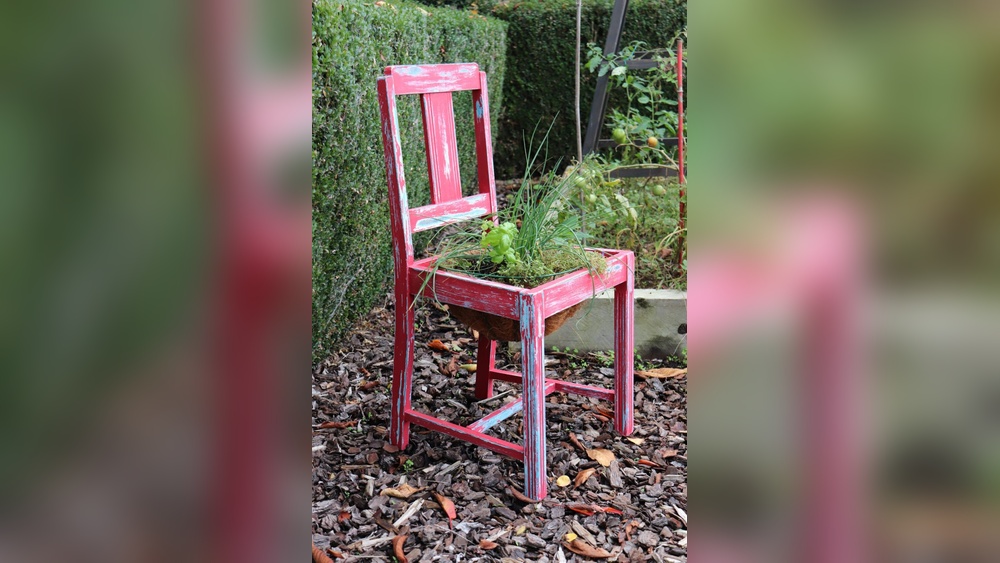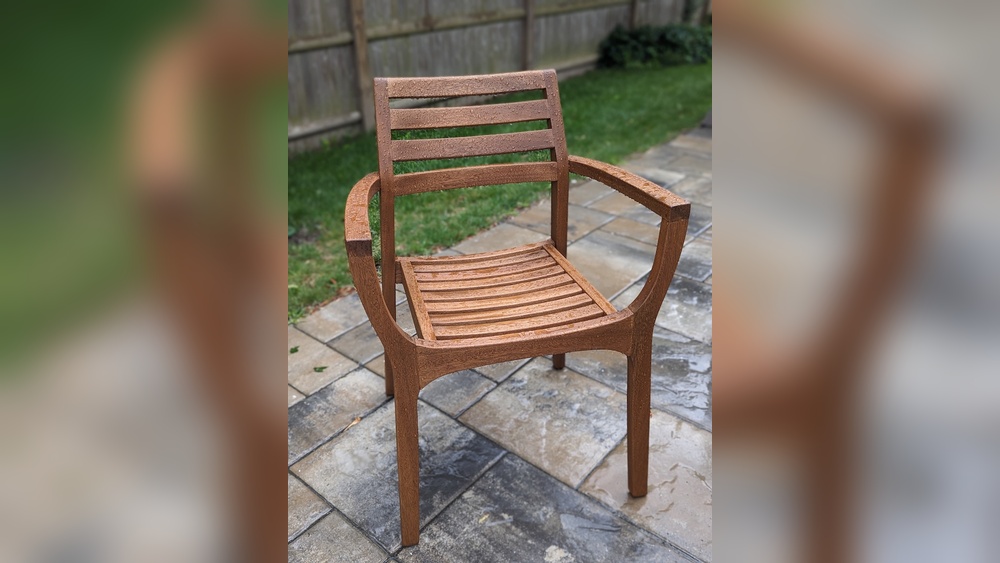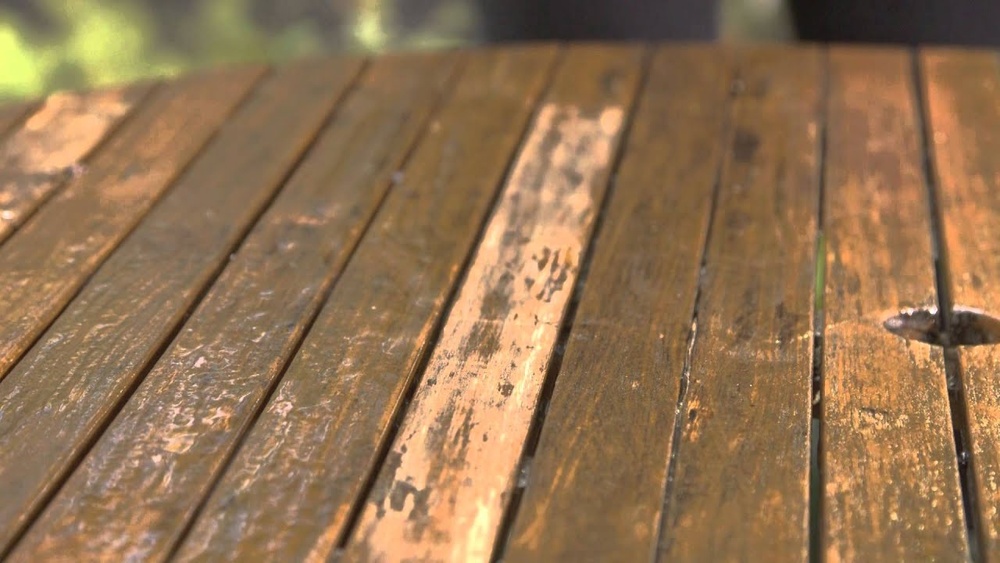
Are you tired of looking at chipped, faded paint on your outdoor wood furniture? Removing old paint can seem like a tough job, but it doesn’t have to be.
Imagine bringing your furniture back to life, making it look fresh and inviting again. You’ll discover simple and effective ways to strip paint from your outdoor wood pieces. Whether you want to restore a family heirloom or just refresh your backyard setup, these easy steps will help you achieve great results without stress.
Keep reading, and you’ll learn exactly how to make your wood furniture shine like new.
Preparing Your Workspace
Preparing your workspace is a key step before removing paint from outdoor wood furniture. It helps keep the process safe and clean. Setting up well saves time and effort. It also protects your furniture and surroundings from damage.
Choosing The Right Location
Pick a spot with good airflow and natural light. Outdoors is best to avoid fumes from paint removers. Avoid places near grass or flower beds. Choose a flat, stable surface to work on. This prevents accidents and keeps furniture steady.
Gathering Necessary Tools
Collect all tools before starting. You will need paint stripper, scrapers, brushes, and sandpaper. Have gloves and safety glasses ready to protect yourself. Prepare clean rags and a bucket of water. Organizing tools saves time and reduces stress.
Protecting Surrounding Areas
Cover nearby plants and surfaces with plastic sheets. Use old newspapers or drop cloths under the furniture. This stops paint chips and chemicals from spreading. Keep pets and children away from the workspace. Protection prevents unwanted mess and damage.
Credit: lovegrowswild.com
Selecting The Best Paint Remover
Selecting the best paint remover is key for restoring outdoor wood furniture. The right product or method saves time and protects the wood. Different options work better for different paint types and furniture conditions. Understanding each choice helps you pick the best one for your project.
Chemical Paint Strippers
Chemical paint strippers use strong ingredients to dissolve paint. They work fast and reach tight spots. Apply the stripper, wait, then scrape off the paint. Choose a product safe for wood and outdoor use. Always wear gloves and work outside for safety. Some strippers are water-based, others solvent-based. Water-based types are less harsh but may take longer.
Natural Paint Removers
Natural paint removers use plant-based or non-toxic ingredients. They are safer for you and the environment. Common options include citrus or soy-based gels. These products soften paint gently and reduce chemical smell. Natural removers take more time but protect delicate wood surfaces. Ideal for small jobs or light paint layers.
Sanding Techniques
Sanding removes paint by abrasion. Use coarse sandpaper for thick paint layers. Switch to finer grit for smooth finishing. Sanding works well on flat surfaces and edges. Avoid over-sanding to prevent wood damage. Electric sanders speed up the job but use carefully. Always wear a mask to avoid dust inhalation.
Step-by-step Paint Removal Process
Removing paint from outdoor wood furniture can bring new life to old pieces. Follow these steps carefully to get the best results. This process helps prepare the wood for a fresh coat or natural finish.
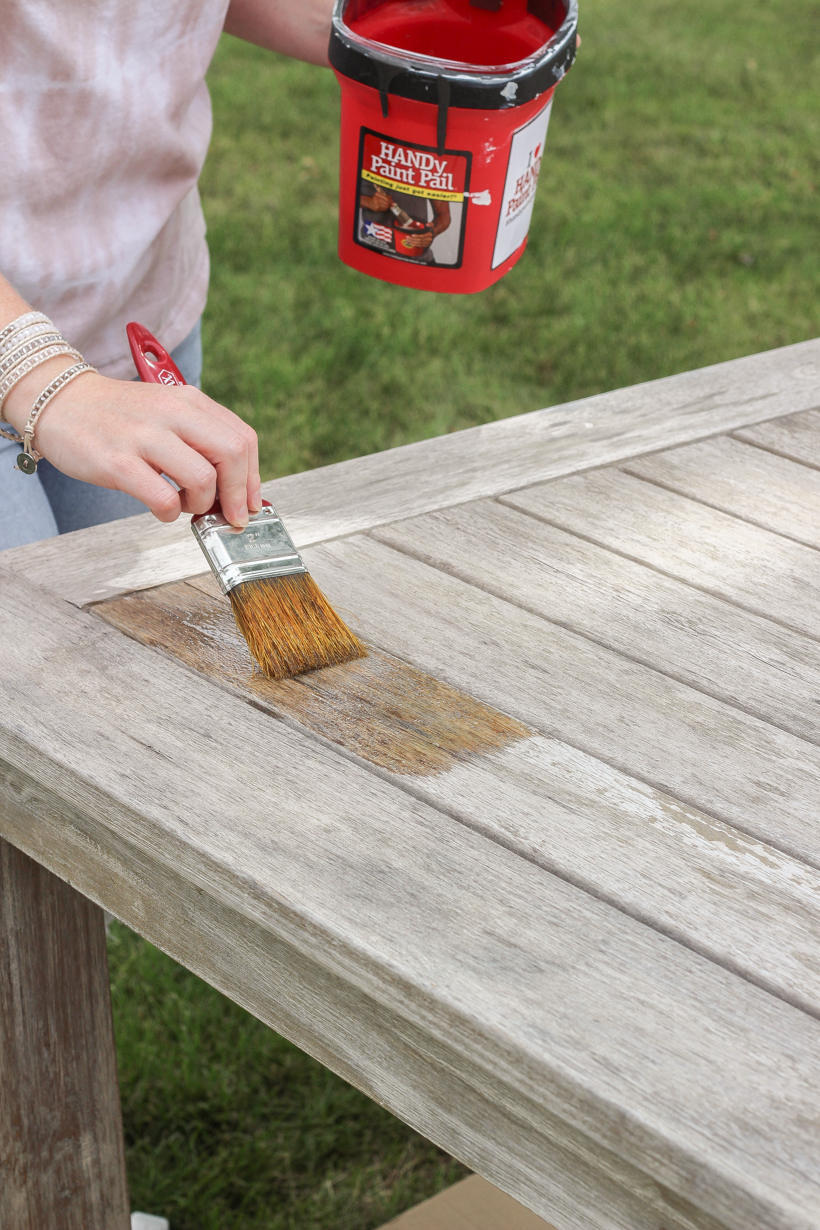
Applying The Paint Remover
Choose a paint remover suitable for outdoor wood. Use a brush to apply it evenly. Cover all painted areas with a thick layer. Let it sit as per the product instructions. This softens the paint for easier removal.
Scraping Off Loose Paint
Use a plastic scraper to remove softened paint. Work gently to avoid damaging the wood. Remove as much paint as possible. Repeat the paint remover step if needed. Clean off residue with a damp cloth.
Sanding For Smooth Finish
Start sanding with medium-grit sandpaper. Sand along the wood grain for best results. Remove remaining paint and smooth rough spots. Finish with fine-grit sandpaper for a polished surface. Wipe dust away before refinishing or painting.
Dealing With Stubborn Paint Spots
Stubborn paint spots can ruin the look of your outdoor wood furniture. These spots often resist simple scraping or washing. Removing them takes care and the right approach. Using the correct tools and techniques helps protect the wood while removing paint.
Using Heat Guns Safely
Heat guns soften paint, making it easier to scrape off. Hold the heat gun a few inches from the surface. Move it slowly to avoid burning the wood. Watch for bubbling paint and stop heating once it softens. Use a plastic scraper to lift the paint gently. Wear gloves and eye protection for safety. Keep the heat gun moving to prevent damage. Work in a well-ventilated area to avoid fumes.
Multiple Treatment Methods
Sometimes, one method is not enough. Combine scraping, sanding, and chemical paint removers. Test a small area before full use. Use fine sandpaper to smooth leftover spots. Apply a wood-friendly paint remover for tough layers. Follow the product instructions carefully. Clean the surface with a damp cloth after each step. Patience and gentle effort yield the best results. Repeat treatments as needed until the wood is clean.
Cleaning And Preparing Wood Surface
Cleaning and preparing the wood surface is an important step before removing paint. It helps to clear dirt, dust, and loose paint. This makes the paint removal process easier and more effective.
Proper preparation also protects the wood. It prevents damage and ensures a smooth finish after the paint is gone. Take time to clean and dry the wood well before starting.
Washing Residue Away
Use a soft brush and mild soap mixed with water. Gently scrub the wood to remove dirt and paint flakes. Avoid harsh chemicals that can harm the wood fibers.
Rinse the surface with clean water to wash away soap and residue. Repeat if the wood feels sticky or dirty. Clean wood helps paint strippers work better.
Drying The Wood Properly
Let the wood dry fully before applying any paint remover. Wet wood can cause uneven stripping and damage the wood.
Drying outside in the sun works well, but avoid direct harsh sunlight. Shade with good airflow is ideal. The wood should feel dry and cool to touch.
Protecting Furniture After Paint Removal
Removing paint from outdoor wood furniture is just the first step. Protecting the wood after paint removal keeps it safe and looking good. Wood exposed to sun, rain, and wind can quickly wear out without protection.
Applying the right products helps the wood last longer. It also prevents damage like cracking or fading. Choose options that suit your furniture and weather conditions.
Applying Wood Sealants
Wood sealants block moisture and dirt from entering the wood. They create a thin, protective layer on the surface. Sealants keep the wood dry and stop it from swelling or rotting.
Before applying, clean the wood well and let it dry fully. Use a brush or cloth to spread the sealant evenly. Apply two or three coats for strong protection. Allow each coat to dry before adding the next.
Choosing Weather-resistant Finishes
Weather-resistant finishes protect wood from sun and rain damage. These finishes often contain UV blockers to stop color fading. They also resist water and prevent mold growth.
Pick finishes made for outdoor use. Look for labels that say “waterproof” or “UV resistant.” Apply the finish carefully and renew it every year or two. This keeps your furniture looking fresh and strong.
Safety Tips And Precautions
Removing paint from outdoor wood furniture needs care and attention to safety. Chemicals and tools can harm your skin, eyes, and lungs. Taking simple safety steps protects you and your environment.
Handling Chemicals Safely
Read the labels on all paint removers before use. Use only the amount needed for the job. Avoid mixing different chemicals; this can cause dangerous reactions. Work in a well-ventilated area to avoid inhaling fumes. Keep chemicals away from children and pets.
Wearing Protective Gear
Wear gloves to protect your hands from harsh chemicals. Use safety goggles to shield your eyes from splashes. A mask or respirator helps prevent breathing in harmful dust and fumes. Wear old clothes or a protective apron to avoid stains. Closed shoes protect your feet from spills and sharp tools.
Disposing Of Waste Properly
Do not pour leftover paint remover or paint down drains. Collect all waste in sealed containers. Check local rules for hazardous waste disposal. Dispose of rags and brushes safely to avoid fire risks. Cleaning up properly helps protect the environment and your community.
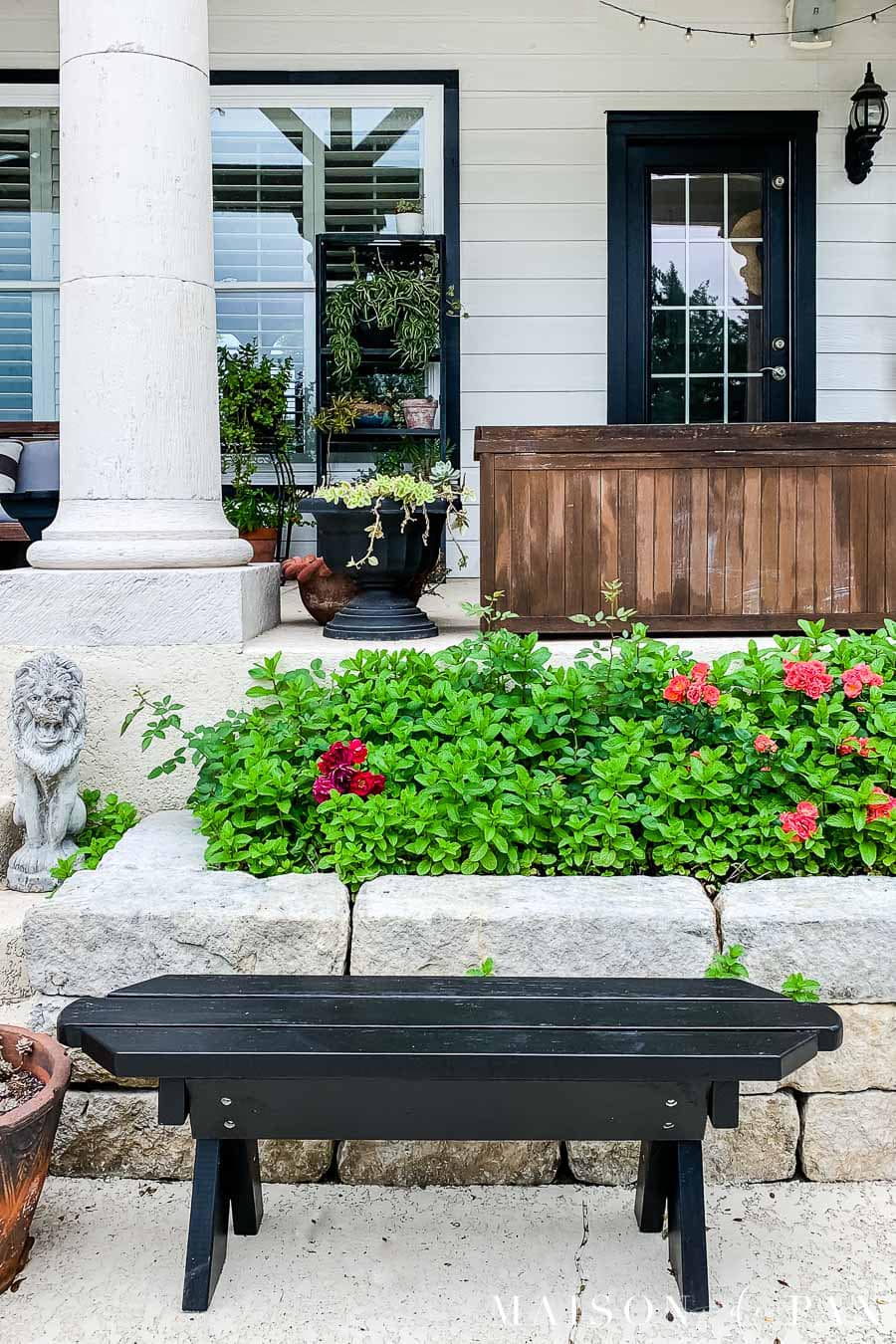
Credit: www.maisondepax.com

Credit: www.littlegreene.us
Frequently Asked Questions
What Is The Safest Way To Remove Paint From Outdoor Wood Furniture?
The safest way is to use a chemical paint stripper designed for wood. Apply it carefully, following instructions. Always wear protective gloves and work in a well-ventilated area to avoid harmful fumes.
Can I Use Heat Guns To Strip Paint From Wood Furniture?
Yes, heat guns can effectively soften paint for removal. Use a low heat setting to avoid burning the wood. Move the gun evenly and scrape the softened paint gently with a putty knife.
How Do I Prepare Wood Furniture Before Repainting?
After removing paint, sand the wood surface smoothly using fine-grit sandpaper. Clean off dust with a damp cloth. Ensure the wood is dry and free of debris before applying primer or paint.
Are Natural Paint Removers Effective On Outdoor Wood?
Natural removers like soy-based or citrus-based strippers can work well. They are eco-friendly and less toxic but may require longer application time. Always test on a small area first to check effectiveness.
Conclusion
Removing paint from outdoor wood furniture takes patience and care. Choose the right tools and products for your wood type. Work gently to avoid damage and keep safety in mind. Clean the surface well after paint removal for a smooth finish.
Regular maintenance helps your furniture last longer. With these steps, your wood furniture can look fresh and beautiful again. A little effort goes a long way. Try it yourself and enjoy the results!