Are you wondering whether to paint or stain your outdoor furniture? Choosing the right finish can completely change how your space looks and feels.
But it’s not just about appearance—your choice affects how well your furniture holds up against weather, wear, and time. You’ll discover the key differences between painting and staining, so you can make the best decision for your outdoor oasis. Keep reading to find out which option will protect your investment and keep your furniture looking great year after year.
Benefits Of Painting Outdoor Furniture
Painting outdoor furniture offers many benefits. It can change the look and protect the wood. Paint adds a strong layer that keeps moisture and sun away. This helps furniture last longer and stay nice.
Choosing to paint also means you can pick from many colors. This gives you control over the style and mood of your outdoor space. Paint can cover old marks and make furniture look new again.
Durability And Protection
Paint creates a hard, protective shield on furniture. It blocks water and stops wood from swelling or cracking. Sunlight can fade or dry wood, but paint slows this damage. Painted furniture resists dirt and stains more easily. This helps your furniture stay strong for years.
Color Options And Customization
Painting lets you choose any color you want. Bright colors can make your space fun and lively. Soft colors bring calm and peace to the area. You can also change colors anytime by repainting. Paint covers rough spots and hides old stains well.
Maintenance Requirements
Painted furniture is easy to clean. Just wipe with a damp cloth to remove dust. If paint chips, you can touch up small spots quickly. Repainting every few years keeps furniture looking fresh. This simple care saves money and time in the long run.

Credit: sunjoyshop.com
Advantages Of Staining Outdoor Furniture
Staining outdoor furniture offers many benefits that paint cannot match. It protects wood while showing its natural charm. Stain soaks into the wood instead of sitting on top. This helps keep the wood strong and beautiful for longer.
Choosing stain means less chance of peeling or cracking. The finish looks smooth and blends with the wood grain. Staining also makes maintenance easier, saving time and effort in the future.
Enhancing Natural Wood Grain
Stain highlights the wood’s natural patterns and texture. It brings out the rich colors hidden in the grain. This creates a warm, inviting look on outdoor furniture. The wood looks more natural and less artificial compared to paint.
With stain, the beauty of wood is the focus. It adds depth and character without covering the surface. Each piece of furniture looks unique and attractive.
Water Resistance And Longevity
Stain helps repel water and moisture from wood. It prevents water damage and reduces the risk of rot. This is important for furniture exposed to rain and humidity.
By protecting wood fibers, stain extends the life of outdoor furniture. It helps the wood stay strong and stable through seasons. Stained furniture can last years with proper care.
Ease Of Application And Touch-ups
Applying stain is simple and quick, even for beginners. It does not require multiple thick layers like paint. Stain absorbs easily, making the process faster.
Touching up stained furniture is less noticeable than with paint. You can fix small worn areas without stripping the entire surface. This keeps furniture looking fresh with little effort.
Types Of Paints And Stains For Outdoor Use
Choosing the right paint or stain protects outdoor furniture. It also improves its look and lifespan. Different types suit different wood and weather conditions. Knowing these types helps make the best choice for your furniture.
Paints and stains vary in texture, color, and protection level. Some cover the wood completely, while others let the natural grain show. There are also eco-friendly options that are safe for the environment.
Oil-based Vs. Water-based Paints
Oil-based paints create a hard, durable surface. They resist moisture and last longer in harsh weather. But they take more time to dry and have a strong smell. Water-based paints dry quickly and clean up easily with soap and water. They have less odor and are better for the environment. However, they may not last as long outdoors as oil-based paints.
Transparent Vs. Solid Stains
Transparent stains soak into the wood and show its natural texture. They protect without hiding the grain. Solid stains cover the wood like paint, hiding imperfections. They offer more color choices and better UV protection. Transparent stains need more frequent reapplication. Solid stains last longer but may peel over time.
Eco-friendly Options
Eco-friendly paints and stains have low or no harmful chemicals. They reduce pollution and are safer for your family and pets. Many water-based options fit this category. Some use natural ingredients like plant oils and minerals. Choosing eco-friendly products helps protect nature while beautifying your furniture.
Credit: www.housedigest.com
Preparation Steps Before Painting Or Staining
Preparing outdoor furniture before painting or staining is key to a long-lasting finish. Skipping these steps can cause peeling or uneven color. Proper preparation helps the paint or stain stick better and protects the wood from weather damage.
Cleaning And Sanding
Start by cleaning the furniture to remove dirt and grime. Use soap, water, and a brush for best results. Let it dry completely before sanding. Sanding smooths the surface and removes old paint or stain. Use fine-grit sandpaper for a smooth finish.
Repairing Damages
Check the furniture for cracks, holes, or loose parts. Fill small holes with wood filler and let it dry. Tighten screws or replace broken pieces. Fixing damages ensures the furniture stays strong and looks good.
Priming And Conditioning Wood
Apply a primer if you plan to paint. Primer helps paint stick and blocks stains from bleeding through. For staining, use a wood conditioner to even out absorption. This step prevents blotchy color and gives a smooth finish.
Application Techniques For Best Results
Applying paint or stain to outdoor furniture needs care and attention. Good techniques protect wood and improve the look. Following simple steps helps your project last longer and look better. Focus on tools, even application, and drying times for the best outcome.
Choosing The Right Brushes And Tools
Select brushes with soft, natural bristles for stain. Use synthetic brushes for paint to hold color well. Foam brushes work well for smooth finishes. Avoid old or hard brushes that leave marks. A good brush spreads paint or stain evenly without streaks.
Applying Even Coats
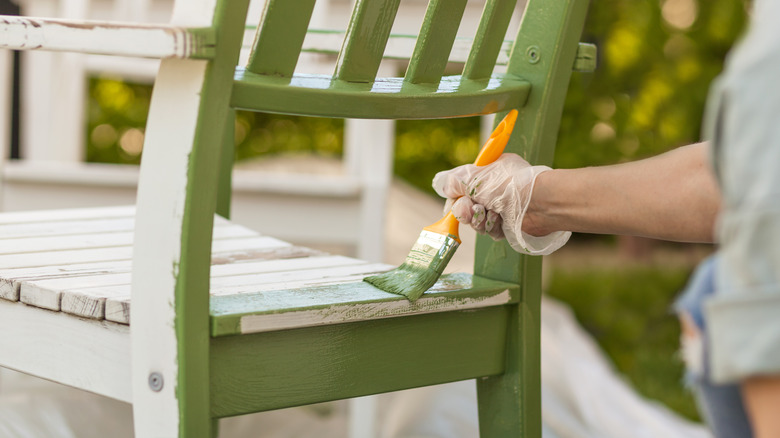
Start with a thin coat to avoid drips and runs. Brush in the direction of the wood grain. Spread the product smoothly and avoid over-brushing. Let each coat dry before adding the next. Multiple thin coats look better than one thick coat.
Drying And Curing Times
Allow furniture to dry in a clean, dust-free area. Follow product instructions for drying times. Paint or stain may feel dry but needs more time to cure. Avoid heavy use until fully cured for a strong finish. Proper drying keeps the finish durable and protects wood well.
Maintenance Tips To Prolong Furniture Life
Outdoor furniture needs care to last long. Proper maintenance keeps it looking fresh and strong. Both painted and stained furniture benefit from regular upkeep. This section shares easy tips to extend your furniture’s life.
Regular Cleaning Methods
Clean furniture often to stop dirt build-up. Use a soft brush or cloth. Mild soap and water work well. Avoid harsh chemicals that can damage paint or stain. Rinse with clean water and dry fully. This prevents mold and mildew growth.
Repainting And Restaining Frequency
Check furniture surface every year. Paint may need touch-ups or a full repaint. Stain often lasts longer but fades with sun exposure. Restain every two to three years for best results. Sand lightly before applying new paint or stain. This helps the finish stick better.
Protecting Furniture From Weather
Keep furniture under shade or cover during rain and snow. Use waterproof covers when not in use. Move lightweight pieces inside during harsh weather. Avoid placing furniture directly on wet ground. Use pads or bricks to raise it slightly. This reduces moisture damage and warping.
Cost Comparison Between Painting And Staining
Choosing between painting and staining outdoor furniture involves thinking about costs. Both methods protect wood but vary in price. Understanding these costs helps make a smart decision for your budget.
Material Costs
Paint usually costs more than stain. A gallon of paint can cover less area than a gallon of stain. Paint needs primers and sealers, adding extra cost. Stains often combine color and protection in one product. This can make stain cheaper upfront.
Labor And Time Investment
Painting takes more time. It needs several steps: sanding, priming, painting, and drying. Staining requires less prep and fewer coats. Labor costs rise with the time spent. Staining often saves time, reducing labor expenses.
Long-term Expense Considerations
Paint lasts longer but can chip and peel, needing touch-ups. Stain wears off faster but fades evenly. Repainting costs more than restaining. Maintenance frequency affects total cost. Choose what fits your long-term budget best.
Choosing Based On Furniture Material
Choosing the right finish depends a lot on the furniture material. Different materials react differently to paint or stain. Knowing your furniture’s material helps pick the best option. This choice affects how long your furniture lasts and how good it looks outside.
Wood Types And Their Suitability
Wood is common for outdoor furniture. Softwoods like pine absorb paint and stain easily. Stain keeps wood’s natural look. Paint covers imperfections and adds color. Hardwoods like teak resist water well. They do better with stain to show their grain. Paint may peel on hardwoods over time. Choose stain for a natural, lasting finish on hardwoods.
Metal And Plastic Furniture Options
Metal furniture needs paint to stop rust. Stain does not stick to metal well. Use paint made for metal surfaces. It protects and adds color. Plastic furniture does not absorb paint or stain. Special spray paint works best on plastic. Stain is not suitable for plastic. Paint keeps plastic furniture fresh and bright.
Composite Materials
Composite furniture blends wood and plastic. It resists moisture and decay. Paint works well on composites for strong coverage. Stain may not soak in properly. Paint hides scratches and dirt better. Composites need paint made for synthetic surfaces. This helps the finish last longer in sun and rain.
Common Mistakes To Avoid
Choosing to paint or stain outdoor furniture requires care. Many make mistakes that harm the final look and durability. Avoiding these errors helps your furniture last longer and look better.
Applying Over Wet Surfaces
Paint or stain will not stick well on wet wood. Moisture blocks the finish from soaking in or bonding. This causes peeling and uneven color. Always check the surface is dry before starting. Wait at least 24 hours after rain or washing.
Ignoring Weather Conditions
Weather affects how paint or stain dries and cures. Too hot or cold slows drying or causes cracking. Wind can blow dust onto the wet surface. Pick a calm day with mild temperatures. Early morning or late afternoon works best. Avoid rainy or humid days.
Skipping Surface Preparation
Dirty or rough surfaces ruin the finish. Dirt, old paint, and mildew stop paint or stain from sticking. Sand the wood smooth to remove rough spots. Clean with soap and water or a wood cleaner. Let the surface dry fully before applying paint or stain.

Credit: www.reddit.com
Frequently Asked Questions
Is Painting Better Than Staining Outdoor Furniture?
Painting offers a solid, colorful finish that hides wood imperfections. Staining enhances natural grain and allows wood to breathe. Choose painting for vibrant color and durability, or staining for a natural look and easier maintenance.
How Long Does Outdoor Furniture Paint Last?
Outdoor furniture paint typically lasts 3 to 5 years. Its lifespan depends on weather exposure, paint quality, and surface prep. Regular maintenance can extend paint durability and keep furniture looking fresh longer.
Does Staining Protect Outdoor Wood Furniture?
Yes, staining protects wood by penetrating the surface and sealing it. It repels moisture, prevents cracking, and resists UV damage. Staining preserves wood’s natural beauty while enhancing durability against weather elements.
Can I Repaint Or Restain Old Outdoor Furniture?
Yes, you can repaint or restain old furniture after proper prep. Sand the surface, remove old finishes, and clean thoroughly. This ensures better adhesion and a fresh, long-lasting finish on outdoor furniture.
Conclusion
Choosing between paint and stain depends on your outdoor furniture needs. Paint offers bright colors and strong protection. Stain shows wood grain and needs less peeling care. Both help keep furniture safe from sun and rain. Consider how much time you want to spend on upkeep.
Also, think about the look you want for your space. Either way, regular maintenance will extend your furniture’s life. So, pick the option that fits your style and effort level best. Your outdoor space will look great and last longer.