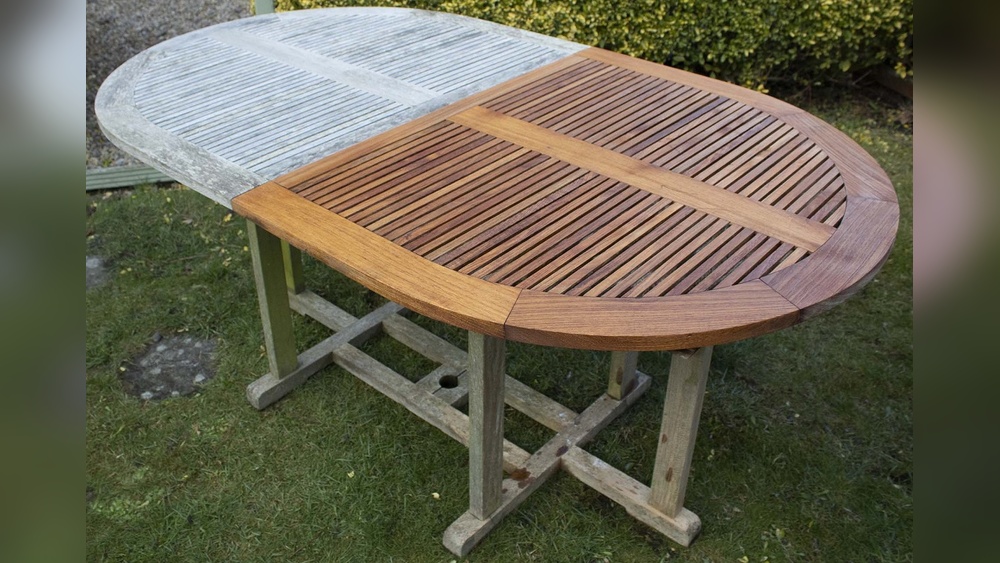
Your outdoor furniture adds charm and comfort to your space, but without proper protection, it can quickly wear down from sun, rain, and moisture. If you want to keep your furniture looking great and lasting longer, sealing it is the key.
Imagine enjoying your favorite chair or table season after season, without worrying about cracks, fading, or mold. You’ll learn simple, effective steps to seal your furniture for outdoor use—no expert skills needed. Ready to protect your investment and enjoy your outdoor space to the fullest?
Let’s dive in!
Choosing The Right Sealant
Choosing the right sealant is key to protecting outdoor furniture. The sealant keeps wood safe from water, sun, and dirt. Picking the right type extends the life of your furniture. It also keeps the wood looking fresh and new. Understanding the types of sealants helps you make a smart choice.
Types Of Sealants
Sealants come in several forms like varnish, polyurethane, lacquer, and oil finishes. Varnish offers a hard, protective layer. Polyurethane is strong and often used on wood floors and furniture. Lacquer dries fast and gives a shiny look. Oil finishes soak into the wood and give a natural feel. Each type suits different needs and wood types.
Water-based Vs Oil-based
Water-based sealants dry quickly and have less smell. They clean up easily with soap and water. These sealants keep colors bright and clear. Oil-based sealants take longer to dry but give a rich, warm finish. They are more durable in harsh weather. Oil-based types need mineral spirits for cleanup. Both types protect well but suit different projects.
Uv Protection Features
Sun damage causes wood to fade and crack. Sealants with UV blockers stop this damage. These sealants absorb or reflect harmful rays. They keep wood color from fading fast. UV protection is a must for outdoor furniture. It helps maintain beauty and strength over time.

Credit: www.youtube.com
Preparing Furniture For Sealing
Preparing furniture for sealing is a key step in protecting it from outdoor weather. Proper preparation helps the sealant stick better and last longer. It also ensures the furniture looks smooth and neat after sealing. This section explains how to clean, sand, and repair your furniture before sealing.
Cleaning And Drying
Start by removing dirt, dust, and old finishes from the furniture. Use a mild soap and water solution to wash all surfaces. A soft brush can help reach corners and grooves. Rinse thoroughly with clean water to remove soap residue. Let the furniture dry completely. This prevents moisture from trapping under the sealant.
Sanding Surfaces
Sanding smooths the wood and removes rough patches. Use medium-grit sandpaper to even out the surface. Sand along the grain to avoid scratches. After that, use fine-grit sandpaper for a smooth finish. Wipe away dust with a dry cloth before sealing. Sanding helps the sealant stick and makes the finish look clean.
Repairing Damage
Check the furniture for cracks, holes, or loose joints. Fill small cracks and holes with wood filler. Let the filler dry, then sand it smooth. Tighten any loose screws or joints for stability. Repairing damage keeps the furniture strong and helps the sealant protect better. This step extends the life of your outdoor furniture.
Application Techniques
Sealing furniture for outdoor use protects it from rain, sun, and dirt. Proper application ensures a smooth finish and long-lasting protection. Follow these techniques to seal your furniture correctly and avoid common mistakes.
Tools You Need
Gather these tools before you start sealing. A high-quality paintbrush helps reach corners and edges. A foam brush works well for smooth surfaces. Use a clean cloth to wipe off dust and dirt. Sandpaper smooths the surface before sealing. A small roller can speed up the process on flat areas.
Applying Even Coats
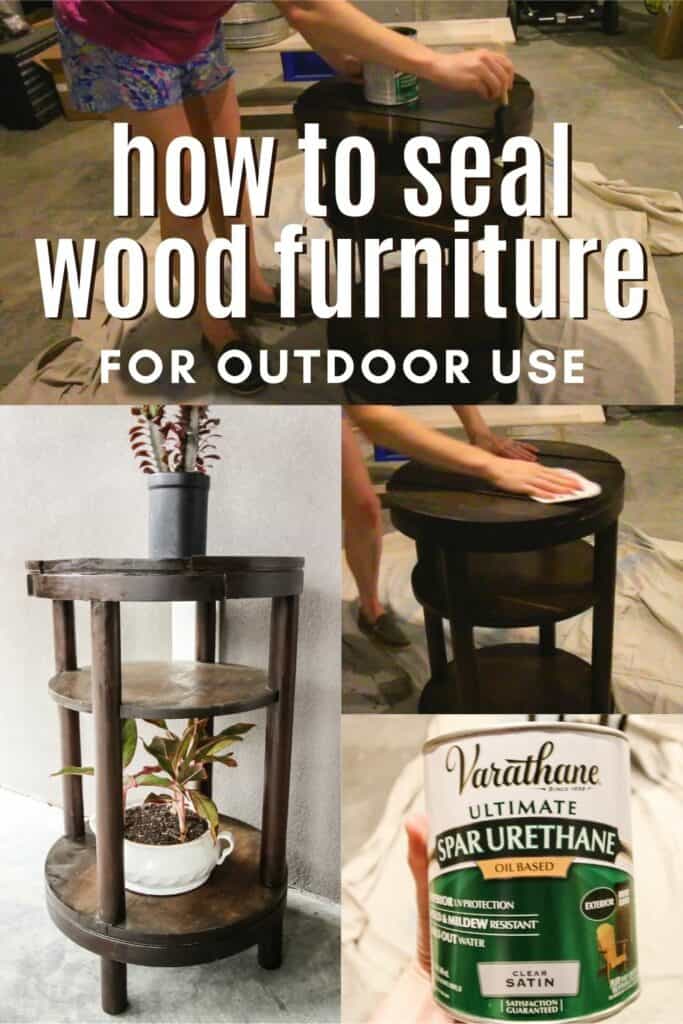
Start with a thin, even coat of sealer. Brush or roll in the direction of the wood grain. Avoid thick layers; they can drip and cause bubbles. Let the first coat dry completely before adding another. Lightly sand between coats for a smooth finish. Apply at least two coats for strong protection.
Drying And Curing Times
Allow enough time for each coat to dry. Drying time varies by product and weather conditions. Usually, wait 4 to 6 hours before the next coat. After the final coat, curing can take several days. Avoid using the furniture until it fully cures. Proper drying and curing improve durability and appearance.
Credit: www.charlestoncrafted.com
Maintaining Outdoor Furniture
Maintaining outdoor furniture helps keep it strong and good-looking. Outdoor pieces face sun, rain, and dirt. Care and attention can extend their life. This section explains how to clean, reseal, and store outdoor furniture.
Regular Cleaning Tips
Clean outdoor furniture often to stop dirt buildup. Use a soft brush or cloth. Mild soap and water work well. Avoid harsh chemicals that can damage surfaces. Rinse thoroughly and dry with a towel. This prevents mold and keeps furniture fresh.
Reapplying Sealant
Sealant protects wood and metal from moisture and sun. Check furniture every year for signs of wear. Sand rough spots gently before applying sealant. Use a brush or cloth to spread sealant evenly. Let it dry completely before use. This keeps furniture safe from damage.
Storage During Harsh Weather
Store furniture in a dry, covered place during storms or winter. Use waterproof covers if indoor storage is not possible. Elevate furniture off the ground to avoid moisture. Proper storage reduces wear and tear. It also prevents rust and warping.
Common Mistakes To Avoid
Sealing outdoor furniture protects it from weather damage. Many people make simple mistakes that reduce the sealant’s effectiveness. Avoiding these errors helps your furniture last longer and look better. This section covers the most common mistakes to avoid when sealing outdoor furniture.
Skipping Surface Prep
Cleaning and sanding the furniture surface is crucial. Dirt, dust, and old finishes block sealant absorption. Without proper prep, the sealant won’t stick well. This leads to peeling and weak protection. Always clean and sand before applying any sealant.
Using The Wrong Sealant
Not all sealants suit outdoor furniture. Some work only on indoor wood or specific materials. Using the wrong sealant causes cracking or peeling. Choose a sealant made for outdoor use and your furniture’s material. This ensures good protection and durability.
Ignoring Manufacturer Instructions
Sealant labels have important directions for best results. Ignoring drying times or the number of coats lowers protection. Some sealants need multiple layers or specific application methods. Following instructions helps the sealant perform properly and last longer.
:max_bytes(150000):strip_icc()/how-to-seal-painted-wood-for-the-outdoors-5214910-hero-02-0dd1602cb80e4b33a09b10e15ebc1c7d.jpg)
Credit: www.thespruce.com
Frequently Asked Questions
What Is The Best Sealant For Outdoor Furniture?
The best sealant for outdoor furniture is a waterproof, UV-resistant product. Look for spar urethane or marine varnish. These protect against moisture, sun damage, and temperature changes, extending your furniture’s life. Always choose a sealant suitable for your furniture material.
How Often Should Outdoor Furniture Be Resealed?
Outdoor furniture should be resealed every 1 to 2 years. Frequent exposure to sun and rain wears down the sealant. Check for peeling or cracking as signs to reseal. Regular maintenance keeps furniture protected and looking new longer.
Can I Seal Furniture Without Sanding First?
Sanding is recommended before sealing to ensure better sealant adhesion. It smooths the surface and removes old finishes. Skipping sanding may cause uneven sealing and peeling. For best results, lightly sand your furniture before applying any sealant.
Is It Necessary To Seal All Types Of Outdoor Furniture?
Sealing is essential for wooden and some metal furniture to prevent damage. Plastic furniture usually does not require sealing. Check your furniture material and exposure level. Sealing protects from moisture, UV rays, and weathering, prolonging furniture life.
Conclusion
Sealing your outdoor furniture protects it from rain and sun damage. Choose the right sealant for wood or metal surfaces. Apply the sealant evenly and let it dry completely. Regular sealing keeps furniture looking fresh and lasting longer. Simple steps make a big difference in outdoor care.
Enjoy your furniture without worry, rain or shine.