Choosing the perfect outdoor furniture can be tricky, especially when you’re deciding between wicker and rattan. You want something that looks great, feels comfortable, and lasts through changing weather.
But which one really fits your needs better? Understanding the difference can save you time, money, and frustration. Keep reading, and you’ll discover the key facts that make one stand out for your outdoor space. By the end, you’ll feel confident about making the right choice for your home and lifestyle.

Credit: www.patioline.ca
Material Differences
Understanding the material differences helps you choose the best outdoor furniture. Wicker and rattan look similar but have key differences. These differences affect how furniture performs outside. Learn about natural vs synthetic materials, durability, weight, and flexibility to decide which suits your needs.
Natural Vs Synthetic
Natural wicker and rattan come from plants. They give a warm, classic look. Natural fibers need care to avoid damage from sun and rain. Synthetic versions use plastic or resin. These resist weather better and need less maintenance. Synthetic materials also come in many colors and styles.
Durability Factors
Natural wicker and rattan can break or fade over time. Moisture and sunlight can weaken the fibers. Synthetic materials last longer outdoors. They resist water, UV rays, and pests. Synthetic wicker and rattan hold their shape and color well. They require less repair and cleaning.
Weight And Flexibility
Natural wicker and rattan are light and easy to move. They bend without breaking, making them comfortable. Synthetic materials may be heavier but still flexible. Synthetic fibers keep their form better in heat or cold. Both options offer a balance of comfort and strength.
Credit: www.homedepot.com
Weather Resistance
Weather resistance is a key factor when choosing outdoor furniture. It affects how well the furniture holds up over time. Wicker and rattan have different qualities in this area. Understanding their strengths helps make a smart choice. Below, we explore their UV protection, moisture handling, and temperature tolerance.
Uv Protection
Wicker furniture often uses synthetic materials that resist sun damage. It keeps colors bright and prevents cracking. Natural rattan can fade and weaken under strong sunlight. It needs extra care or protective coatings to last longer outdoors.
Moisture Handling
Synthetic wicker handles moisture well. It does not absorb water and dries quickly. Natural rattan soaks up water and can develop mold or rot. It must be kept dry and covered during rain or high humidity.
Temperature Tolerance
Wicker made from synthetic fibers tolerates heat and cold better. It stays sturdy without breaking or warping. Natural rattan struggles in extreme temperatures. It may crack or become brittle if left outside too long.
Maintenance Needs
Maintenance needs play a key role in choosing between wicker and rattan for outdoor furniture. Both materials require care to keep them looking good and lasting long. Understanding their cleaning, repair, and protection methods helps you decide which fits your lifestyle. Proper maintenance also saves money on replacements and repairs.
Cleaning Tips
Wicker and rattan furniture attract dust and dirt quickly. Use a soft brush or vacuum to remove loose dirt. Wipe surfaces with a damp cloth and mild soap. Avoid harsh chemicals that can damage the fibers. Rinse with clean water and dry with a soft towel. Clean regularly to prevent buildup and stains.
Repairing Damage
Small cracks or breaks in wicker or rattan can be fixed easily. Use wood glue for loose strands and press them back into place. Replace broken sections with matching material if possible. Tighten any loose joints to keep furniture stable. Repair damage early to stop it from worsening.
Longevity Enhancements
Protect wicker and rattan from sun and rain to extend their life. Use furniture covers during bad weather. Apply a protective sealant or varnish once a year. Store furniture indoors in winter or extreme conditions. Rotate cushions and move furniture occasionally to avoid uneven wear.

Credit: www.lazysusanfurniture.co.uk
Design And Style
Design and style play a big role in choosing outdoor furniture. Both wicker and rattan bring charm and comfort to any outdoor space. Their look can change the mood of your patio or garden. Each material offers unique patterns and textures that catch the eye.
Visual Appeal
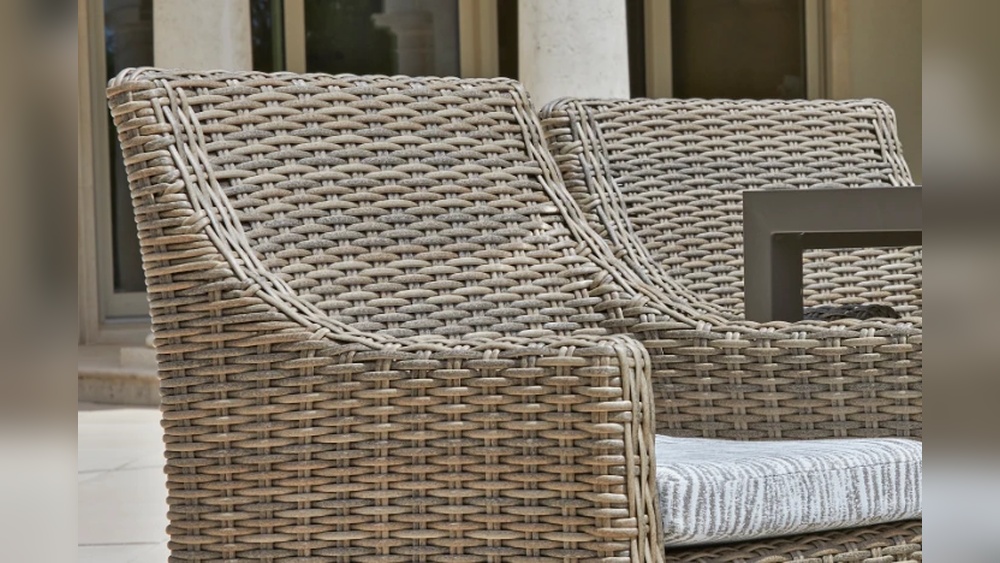
Wicker furniture has a classic, woven look. Its tight patterns create a neat and tidy appearance. Rattan often shows a natural, smooth finish with visible fibers. This gives a warm and organic feel. Both styles blend well with plants and natural surroundings.
Customization Options
Wicker is easy to dye in many colors. This lets you match your furniture to your style. Rattan can be shaped into curves and bends, adding creative forms. Both materials support cushions and fabric covers for extra comfort and color.
Trends In Outdoor Furniture
Natural and eco-friendly styles are popular now. People prefer furniture that feels light and airy. Wicker and rattan fit these trends well. Combining these materials with metal or wood frames is common. This mix adds modern touches to traditional designs.
Cost Comparison
Choosing between wicker and rattan for outdoor furniture often depends on cost. Understanding the price differences helps you pick the best option for your budget and needs. This section breaks down the cost factors to consider.
Initial Investment
Rattan furniture usually costs more at first. The natural material and handcrafting raise the price. Wicker, often made from synthetic materials, tends to be cheaper. It offers a similar look for less money. Your choice may depend on how much you want to spend right away.
Long-term Value
Rattan lasts longer with proper care. It can handle outdoor conditions but needs protection from rain. Wicker, especially synthetic, is highly durable. It resists weather and requires little maintenance. Over time, wicker may save money by avoiding repairs or replacements.
Budget-friendly Choices
For tight budgets, synthetic wicker is a smart pick. It offers style and durability without a high price. Some rattan pieces are affordable but may not be as weather-resistant. Consider how much use and exposure your furniture will get before deciding.
Environmental Impact
Choosing outdoor furniture means thinking about the planet. The materials used affect nature in different ways. Understanding the environmental impact of wicker and rattan helps make better choices.
Sustainability Of Materials
Rattan grows fast and renews quickly. It is a natural vine from tropical forests. This makes rattan a more renewable option. Wicker is a style, not a material. It can be made from rattan or synthetic fibers. Natural wicker is often made from plants like willow or bamboo. These plants also grow fast, but synthetic wicker uses plastic. Plastic comes from oil, which is not renewable.
Eco-friendly Manufacturing
Making rattan furniture uses less energy. It needs simple tools and low heat. Synthetic wicker production uses chemicals and high energy. These processes release pollutants in the air. Natural wicker also needs less chemical treatment. Both natural materials require some treatment to resist weather. Choosing furniture made with fewer chemicals helps the environment.
Recycling And Disposal
Rattan and natural wicker break down naturally. They return to the soil without harming it. Synthetic wicker does not decompose easily. It can stay in landfills for many years. Recycling synthetic wicker is difficult and rare. Choosing natural materials reduces waste and pollution. Proper disposal helps protect the earth for future use.
Best Uses
Choosing between wicker and rattan for outdoor furniture depends on where and how you plan to use it. Each material has strengths that suit different outdoor spaces and purposes. Understanding the best uses helps you pick furniture that lasts and looks great.
Both materials offer unique styles. Their durability varies with exposure to weather. Knowing the ideal spots and accessories enhances your outdoor experience.
Ideal Settings
Wicker suits covered patios and porches well. It handles shade and mild weather better. Rattan works best in dry, warm areas. It adds a natural look to gardens and sunrooms. Avoid placing either in direct rain or strong sun without protection.
Complementary Accessories
Cushions improve comfort and style for both wicker and rattan. Use water-resistant fabrics to prevent damage. Throws and outdoor rugs add warmth and color. Planters with greenery match rattan’s natural feel. Lighting creates a cozy atmosphere around wicker furniture.
Seasonal Considerations
Store wicker furniture indoors during winter to prevent cracking. Rattan may need extra care in cold, wet seasons. Cover both materials with waterproof covers when not in use. Regular cleaning keeps them looking fresh year-round. Rotate cushions and accessories to avoid fading.
Making The Right Choice
Choosing between wicker and rattan for outdoor furniture can feel tricky. Both materials offer unique benefits and suit different needs. Understanding your preferences helps you pick the best option. This guide helps you decide with clear, simple points.
Assessing Your Needs
Think about where you want to place the furniture. Will it stay under a covered patio or face direct sunlight? Consider how often you will use the furniture. Ask yourself if you want lightweight pieces to move easily. Also, check if you prefer natural or synthetic materials. These questions help narrow down your choice.
Balancing Pros And Cons
Wicker is often made from synthetic materials. It handles rain and sun well without much damage. It is easy to clean and maintain. Rattan is natural and looks warm and inviting. It feels sturdy but needs protection from weather. It may crack or fade if left outside too long. Weigh these points against your environment and lifestyle.
Expert Recommendations
Experts suggest synthetic wicker for humid or rainy areas. It lasts longer and resists mold and mildew. For dry climates, natural rattan adds charm and comfort. Use covers or bring furniture indoors during bad weather. Choose cushions that dry quickly and resist stains. Follow these tips to keep your furniture beautiful and functional.
Frequently Asked Questions
What Is The Main Difference Between Wicker And Rattan?
Wicker refers to the weaving technique, while rattan is a natural material. Rattan is sturdy and flexible. Wicker can use various materials like synthetic fibers or natural ones. Both are popular for outdoor furniture due to their durability and aesthetic appeal.
Is Rattan Or Wicker More Durable Outdoors?
Rattan furniture is generally more durable outdoors due to its natural strength. Synthetic wicker, often made from resin, is also highly weather-resistant. Proper maintenance extends the life of both. Choose synthetic wicker for extreme weather and natural rattan for a classic look.
Which Is Easier To Maintain: Wicker Or Rattan?
Synthetic wicker is easier to maintain as it resists moisture and fading. Natural rattan needs regular cleaning and protection from rain. Both require dusting and occasional washing. For low maintenance, synthetic wicker is preferred for outdoor furniture.
Are Wicker And Rattan Eco-friendly Materials?
Natural rattan is eco-friendly as it is biodegradable and sustainably harvested. Traditional wicker made from natural fibers is also environmentally friendly. Synthetic wicker, however, involves plastic materials, which are less eco-friendly. Choose natural rattan for a greener outdoor option.
Conclusion
Choosing between wicker and rattan depends on your needs. Wicker offers a classic, handcrafted look. Rattan is strong and lightweight. Both materials suit outdoor spaces well. Consider weather, style, and budget before deciding. Each has unique benefits for your patio.
Think about comfort and care too. Your choice will shape your outdoor experience. Enjoy creating a cozy, stylish space. Quality furniture lasts many seasons. Choose what fits your lifestyle best.