Imagine waking up to the sudden shake of an earthquake. Your bookshelf, packed with your favorite books and cherished items, could topple over, causing damage or even injury.
But it doesn’t have to be this way. You can take simple, effective steps right now to secure your bookshelf and protect your home. You’ll discover easy methods that anyone can do, no special tools needed. Keep reading to learn how to make your space safer and give yourself peace of mind when the ground starts to move.
Assessing Bookshelf Risks
Assessing the risks of your bookshelf before an earthquake is vital. It helps to prevent damage and injury. Knowing which parts of your furniture can cause harm is the first step. This section guides you through identifying risks and common hazards.
Identifying Vulnerable Furniture
Look at your bookshelf carefully. Check if it is tall and narrow or heavy at the top. Such furniture is more likely to fall during shaking. Old or poorly built shelves may not hold weight well. Loose shelves or drawers can slide out and cause accidents. Unsecured furniture is a major risk in earthquakes.
Common Earthquake Hazards
Bookshelves can topple and block exits. Items on shelves may fall and break or injure someone. Glass doors or decorations increase danger. Heavy books or objects falling from height can cause harm. Unstable furniture can damage walls or floors. Recognizing these hazards helps you take safety steps.

Credit: hilo.hawaii.edu
Choosing The Right Location
Choosing the right location for your bookshelf is key to keeping it safe during an earthquake. Placement affects how stable the shelf will be and how much risk it has of falling or sliding. Pick a spot that reduces movement and protects both the bookshelf and the people around it.
Avoiding High-traffic Areas
Keep the bookshelf away from busy places in your home. Areas where people walk a lot can cause bumps that may shake the shelf loose. Avoid narrow hallways and doorways to stop accidents. A quiet corner or a less used room is best for safety.
Stabilizing Against Walls
Place the bookshelf flush against a solid wall. Walls help hold the shelf steady and stop it from tipping. Use wall anchors or brackets to attach the shelf firmly. This reduces the chance of the shelf falling during strong shakes.
Anchoring Methods
Anchoring a bookshelf is key to keep it safe during an earthquake. Strong anchoring stops the shelf from tipping or falling. This protects both your books and your family. Choosing the right anchoring method matters for safety and stability.
Using Brackets And Straps
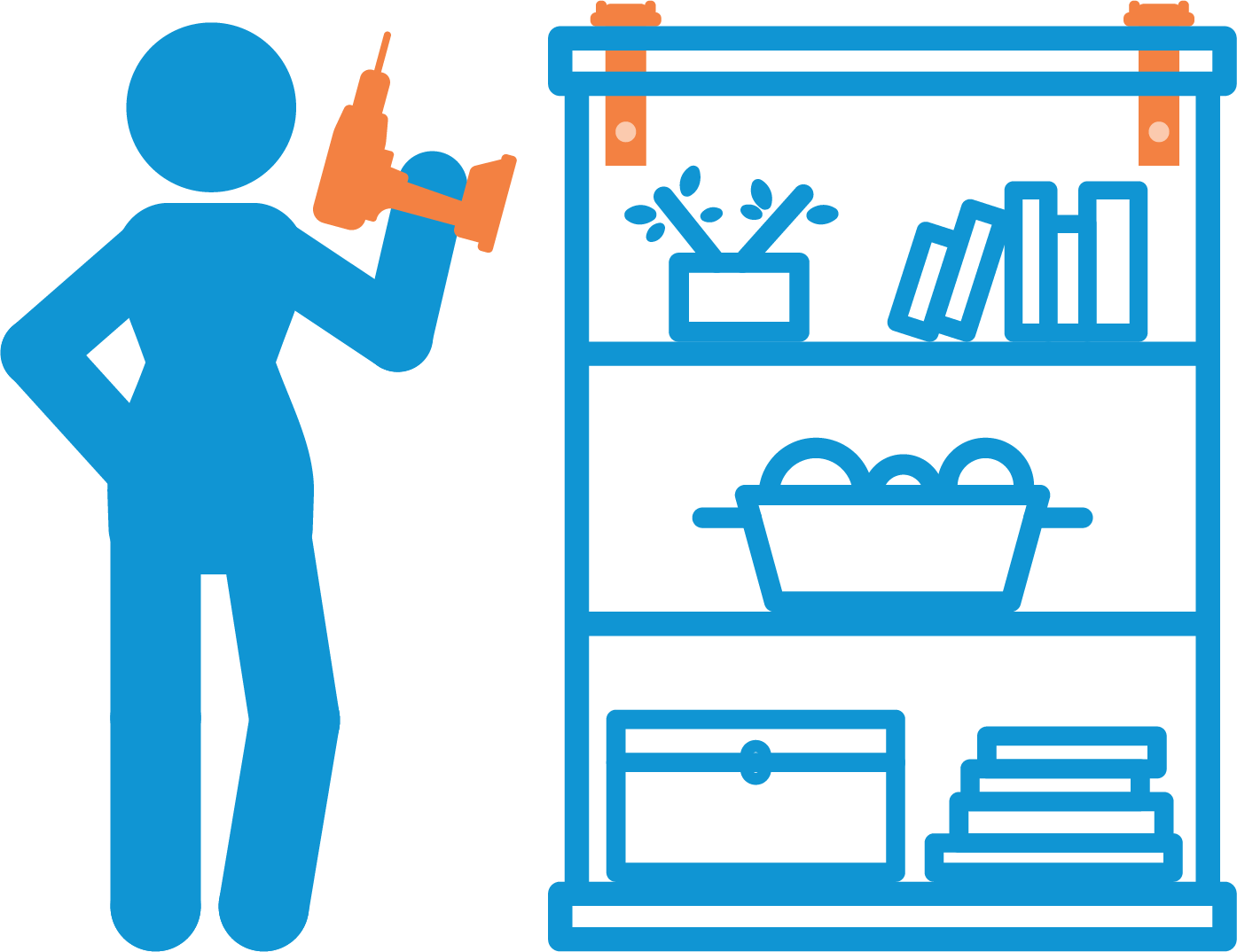
Brackets and straps are common tools to secure bookshelves. Metal L-brackets attach the shelf to the wall firmly. Straps wrap around the shelf and fix it to the wall. Both options add extra support and reduce movement.
Brackets are best for heavier shelves. Straps work well on lighter or taller units. Make sure to use screws that fit your wall type. Tighten them well to avoid any looseness.
Wall Studs Vs. Drywall Anchors
Wall studs provide the strongest hold for anchoring. Studs are wooden frames inside the wall. Use a stud finder to locate them. Screws into studs keep shelves steady during shaking.
Drywall anchors work when no studs are available. They spread the load inside the drywall. Use anchors rated for the shelf weight. Anchors must fit the wall and shelf size.
Always prefer studs over drywall anchors for better safety. Anchoring to drywall alone may fail in a strong quake. Check your wall type before choosing screws or anchors.

Credit: hilo.hawaii.edu
Securing Items On Shelves
Securing items on shelves is important to prevent damage during an earthquake. Books, decorations, and other objects can fall and break or cause injury. Simple steps can keep items in place and your home safer.
Focus on stopping items from sliding or tipping over. Organize shelves to reduce the risk of falling objects. Small changes make a big difference in safety.
Non-slip Shelf Liners
Non-slip shelf liners help keep items steady on shelves. Place these liners under books and decorations. They create friction that stops objects from sliding during shaking.
Choose liners made of rubber or silicone for better grip. Cut liners to fit your shelves perfectly. This simple tool reduces the chance of items falling off.
Heavy Item Placement
Place heavy items on the lowest shelves. This lowers the center of gravity and improves stability. Heavier books should stay close to the shelf base.
Keep lighter items on upper shelves to avoid toppling. Group similar-sized items together to balance the weight. This strategy helps shelves stay steady in an earthquake.
Additional Safety Measures
Securing a bookshelf against earthquakes involves more than just anchoring it to the wall. Extra safety steps help prevent accidents and protect your belongings. These additional measures add layers of protection and peace of mind.
Installing Safety Gates
Safety gates help keep children and pets away from tall bookshelves. They stop accidental climbing or pushing, which can cause falls. Choose gates that fit tightly around the bookshelf base. Make sure they are sturdy and easy to open in emergencies. This simple step reduces the risk of tipping during shaking.
Regular Maintenance Checks
Check your bookshelf and anchors regularly. Look for loose screws or shifting mounts. Tighten any weak points immediately. Inspect brackets and straps for wear or damage. Replace parts that show signs of weakness. Consistent checks keep your safety setup strong and reliable. A well-maintained bookshelf is less likely to fall during an earthquake.
Emergency Preparedness Tips
Preparing your home for earthquakes helps keep your family safe. Securing bookshelves is an important step. This section offers practical tips for emergency readiness. These tips focus on safe room setup and what to do after an earthquake.
Creating A Safe Room Layout
Choose a room with few heavy items. Keep the bookshelf away from beds and seating. Secure the bookshelf to the wall using sturdy brackets. Place heavy books on lower shelves to lower the risk of falling. Avoid stacking items on top of the bookshelf. Clear the area around the bookshelf to allow easy movement. This setup reduces injury risk during shaking.
Post-earthquake Inspection
Check the bookshelf for any damage after shaking stops. Look for loose shelves or broken brackets. Remove any items that may have shifted or fallen. Re-secure the bookshelf if it has moved. Inspect other furniture for safety as well. Keep this routine to stay prepared for aftershocks. Quick action helps prevent future accidents.
Credit: www.earthquakecountry.org
Frequently Asked Questions
How Do I Anchor A Bookshelf To The Wall?
Use heavy-duty brackets or anti-tip straps to secure the bookshelf. Attach one end to the wall studs and the other to the bookshelf. This prevents tipping during an earthquake and keeps the bookshelf stable and safe.
What Materials Are Best For Earthquake-proof Bookshelves?
Choose metal brackets or steel straps for anchoring. Use plywood or solid wood for the bookshelf construction. These materials provide strength and flexibility, reducing damage during seismic activity.
Should I Secure Books Inside The Bookshelf?
Yes, use bookends and shelf liners to keep books from sliding. Arrange heavier books on lower shelves to maintain balance. This minimizes falling objects and potential injuries during an earthquake.
Can I Secure A Bookshelf Without Drilling Holes?
Yes, use heavy-duty adhesive strips or earthquake putty for lightweight shelves. However, drilling into studs provides a stronger and safer hold. Adhesive methods are best for renters or temporary setups.
Conclusion
Securing your bookshelf protects both your books and your family. Small steps can stop big damage during earthquakes. Use brackets, straps, or anchors to fix shelves firmly. Place heavy items on lower shelves to keep balance. Check your setup regularly and tighten loose parts.
Safety starts with simple actions at home. Stay prepared and reduce risks before a quake hits. Your calm and care make a safe space. Don’t wait—secure your bookshelf today for peace of mind.