Is your toddler climbing the bunk bed, making you worry about their safety? You’re not alone.
Many parents face this challenge and wonder how to keep their little ones safe without constant stress. You’ll discover simple, effective ways to stop your toddler from climbing the bunk bed. These tips will help you protect your child while giving you peace of mind.
Keep reading to learn how you can create a safer space for your toddler right now.
Risks Of Toddler Climbing Bunk Beds
Toddlers climbing bunk beds face serious dangers. These beds are tall and hard to climb safely. Falls can lead to injuries that might need medical care. Parents and caregivers must understand these risks. Knowing why toddlers climb helps prevent accidents.
Common Injuries
Falls from bunk beds can cause broken bones. Head injuries are very common and can be severe. Cuts and bruises happen when children hit hard surfaces. Sprains and strains occur from sudden, awkward falls. These injuries can cause pain and fear in toddlers.
Why Toddlers Climb
Toddlers are curious and want to explore their world. Climbing helps them test their strength and balance. They enjoy the challenge and see it as play. Sometimes, they want to reach toys or objects on top. Understanding these reasons helps adults guide toddlers safely.

Credit: bunkbedscanada.com
Choosing The Right Bunk Bed
Choosing the right bunk bed is key to keeping toddlers safe and reducing climbing risks. A well-designed bed can help prevent accidents. It also gives parents peace of mind. Focus on beds made for young children with clear safety rules.
Safety Features To Look For
Check for guardrails on all sides of the top bunk. These rails stop toddlers from falling out. The bed should have a sturdy ladder with wide steps. Avoid ladders that are too steep or slippery. Look for beds with smooth edges and no sharp corners. This protects kids from bumps and cuts. Make sure the bed is made from strong materials. It should not wobble or shake when used.
Age-appropriate Designs
Choose a bunk bed designed for toddlers or young kids. These beds have lower heights to reduce fall risks. Some models have built-in safety nets or enclosed sleeping areas. Avoid beds made for older kids or adults. Such beds may be too tall or unsafe for toddlers. A good design keeps toddlers from climbing too high. It also makes it easier for parents to supervise.
Creating A Safe Sleep Environment
Keeping toddlers safe in a bunk bed needs careful planning. A safe sleep space lowers the chance of falls and injuries. Parents can take simple steps to make the bunk bed secure. Safety features help toddlers rest without risks. This section covers key tips to protect your child while sleeping.
Using Guardrails
Guardrails are essential for bunk beds with toddlers. They stop children from rolling off the bed. Choose guardrails that cover most of the bed’s side. Make sure they are sturdy and well fixed. Check the rails often to confirm they stay tight. Soft padding on rails can prevent bumps and bruises.
Securing The Ladder
The ladder should be firmly attached to the bunk bed. Loose ladders can cause falls or accidents. Use screws or bolts to keep the ladder steady. Teach your toddler to climb safely and slowly. Place non-slip grips on ladder steps for better hold. Remove the ladder at night if your child is very young.
Teaching Boundaries To Toddlers
Teaching boundaries to toddlers helps keep them safe and calm. Toddlers test limits as part of learning. Setting clear rules about climbing bunk beds is important. It helps toddlers understand what is safe. Consistent teaching builds good habits early on.
Setting Clear Rules
Make simple rules about the bunk bed. Use short sentences like, “No climbing the bunk bed.” Say rules firmly but kindly. Repeat rules often to help your toddler remember. Show your toddler the safe places to play instead. Use a calm voice to avoid confusion or fear. Consistency in rules helps toddlers feel secure.
Positive Reinforcement Techniques
Praise your toddler when they follow rules. Say, “Good job staying on the floor.” Use hugs or smiles to show approval. Reward good behavior with small treats or toys. Ignore minor mistakes to avoid giving attention to bad behavior. Positive reinforcement encourages toddlers to listen better. It makes learning rules fun and clear.
Alternative Play And Climbing Options
Toddlers love to climb. It helps them explore and use their energy. Bunk beds can be risky for climbing toddlers. Offering safe and fun alternatives keeps them busy. These options help children climb safely and enjoy playtime.
Safe Indoor Climbing Toys
Indoor climbing toys provide a safe place to climb. Soft play mats and foam blocks reduce the risk of injury. Small climbing walls designed for toddlers offer a fun challenge. These toys improve balance and strength. They keep toddlers engaged and away from bunk beds.
Outdoor Activities
Outdoor play gives toddlers space to climb and run. Parks with low climbing structures are ideal. Swings, slides, and jungle gyms support active play. Nature hikes encourage climbing on rocks and logs. Fresh air and open space help toddlers release energy safely.
Monitoring And Supervision Tips
Keeping a close watch on your toddler is essential to prevent them from climbing the bunk bed unsafely. Monitoring and supervision help you act quickly before any accidents happen. It also teaches your child safe habits around the bed.
Using Baby Monitors
Baby monitors give you eyes and ears when you are not in the same room. Choose a monitor with video and sound features for better control. Place the camera so you can see the whole bunk bed area clearly.
Check the monitor often to notice any climbing attempts early. Some monitors have alerts for movement or sound. Use these alerts to stay aware without constant watching.
Regular Checks
Walk into the room several times a day to check on your toddler. Do this especially during nap times and before bedtime. Regular checks help you spot unsafe behavior early.
Talk gently to your child during these checks. Remind them that climbing the bunk bed is not safe. Consistent supervision and reminders reduce the risk of accidents.
When To Transition Away From Bunk Beds
Bunk beds save space and look fun for toddlers. But climbing can be risky. Knowing when to switch to a different bed is important for safety. Watch your child’s behavior and growth to decide the right time.
Signs To Consider
Does your toddler climb down often or fall? Are they afraid of heights now? Do they seem restless or uncomfortable in the bunk bed? These signs show it might be time to change. Toddlers who grow fast may outgrow bunk beds sooner. Safety should always come first.
Safe Alternatives
Low beds or floor beds are good choices. They reduce fall risks and feel safe for toddlers. Toddler beds with rails also protect from falls. A cozy sleeping area on the floor can help kids feel secure. Choose a bed that fits your child’s needs and keeps them safe.
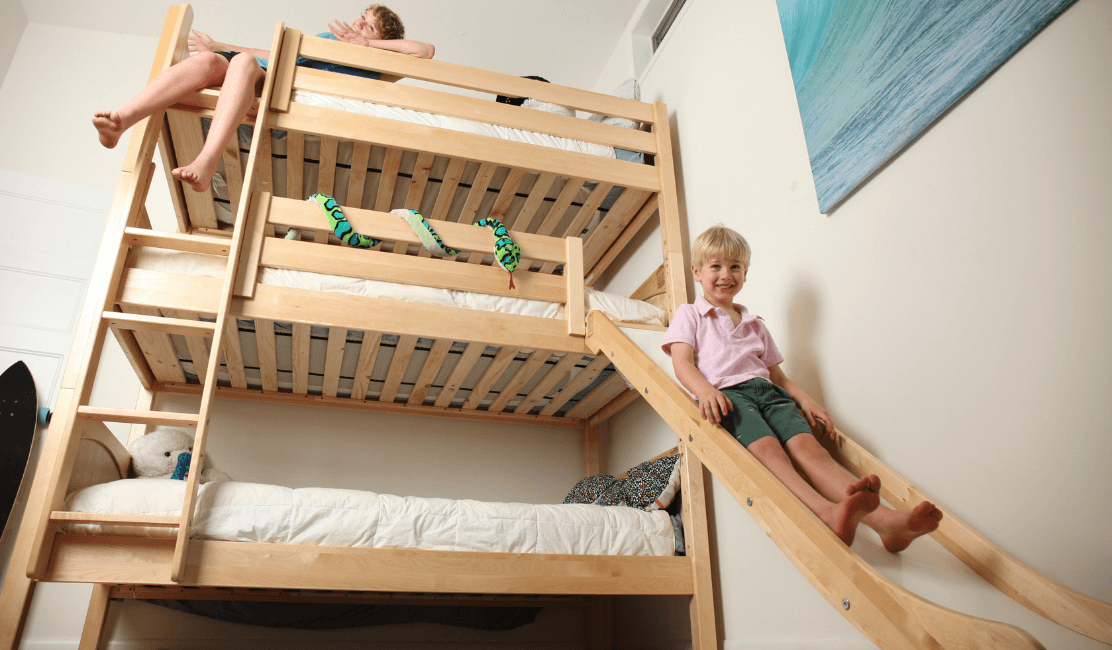
Credit: www.maxtrixkids.com

Credit: cardiffmummysays.com
Frequently Asked Questions
How Can I Prevent My Toddler From Climbing Bunk Beds?
Use safety gates or barriers to block access. Explain dangers clearly. Offer alternative climbing activities to divert attention safely.
What Are Safe Alternatives To Bunk Bed Climbing?
Provide climbing toys, indoor playsets, or soft obstacle courses. These satisfy your toddler’s need to climb safely.
When Should I Worry About Toddler Climbing Bunk Beds?
If climbing causes frequent falls or injuries, intervene immediately. Consistent supervision and safety measures are essential to prevent accidents.
Are Bed Rails Effective In Stopping Climbing?
Yes, sturdy bed rails can discourage climbing and reduce fall risks. Combine rails with clear rules for best results.
Conclusion
Stopping your toddler from climbing the bunk bed takes patience and care. Use safety gates or guardrails to block access. Teach your child about dangers calmly and clearly. Create fun, safe spaces for climbing instead. Keep the bedroom clutter-free to avoid tempting climbs.
Watch your toddler closely during playtime near the bed. Small steps make a big difference in keeping kids safe. Consistency helps your child learn and follow rules well. Safety at home means peace of mind for everyone. Keep trying different ideas until you find what works best.