Making the switch from a crib to a toddler bed is a big step for both you and your child. You might feel excited but also a bit unsure about how to make this change smooth and safe.
You want your little one to feel comfortable and secure in their new bed, and you want to avoid bedtime battles or restless nights. This guide will help you understand exactly when and how to transition your child to a toddler bed with confidence.
Keep reading to discover simple tips that will make this important change easier for your whole family.

Credit: www.whattoexpect.com
Signs Your Child Is Ready
Knowing when to switch your child to a toddler bed can feel tricky. Watch for clear signs your child is ready. These signs help make the move smooth and safe.
Physical growth and behavior show important clues. They guide parents on the best time to change the sleeping setup.
Physical Growth Indicators
Your child may outgrow the crib space. Legs might dangle over the crib edge. This shows they need more room to sleep.
Children usually grow taller between 18 months and 3 years. If your child seems cramped, a toddler bed fits better.
Climbing out of the crib often signals readiness too. This can be unsafe and means your child wants more freedom.
Behavioral Clues
Your child may ask to sleep in a big bed. They might show interest in siblings’ beds or your bed.
Some toddlers start resisting the crib. They may cry or refuse to stay inside at bedtime.
Showing independence in other areas can mean they are ready. This includes wanting to dress or feed themselves.
Notice if your child follows simple bedtime routines well. This helps when switching to a new sleeping space.

Credit: busytoddler.com
Choosing The Right Toddler Bed
Choosing the right toddler bed is an important step for your child’s comfort and safety. A good bed helps your toddler feel secure and sleep well. It also makes the transition from crib to bed easier. Picking the perfect bed means thinking about size, style, and safety features.
The right toddler bed should fit your child’s needs now and in the near future. It should be just the right height to help your child get in and out easily. The bed must also match the room’s space and your budget.
Safety Features To Look For
Safety is the top priority in a toddler bed. Choose beds with guardrails to prevent falls. The rails should be sturdy and smooth to avoid injuries. Check that the bed frame has no sharp edges or loose parts.
The bed should be low to the floor for easy access. This reduces the risk of falls and makes your child feel more secure. Make sure the mattress fits tightly in the bed frame. A loose mattress can cause gaps where your child might get stuck.
Look for beds made with non-toxic paint and materials. This keeps your child safe from harmful chemicals. Also, confirm the bed meets safety standards set by trusted organizations.
Popular Bed Styles
Toddler beds come in many styles. The classic toddler bed looks like a small version of a regular bed. It usually has guardrails and a simple frame. This style is easy to find and fits most rooms.
Convertible beds grow with your child. They change from a toddler bed to a twin or full bed. This style saves money and space in the long run. It can also match your child’s changing needs.
Theme beds add fun to your child’s room. These beds come in shapes like cars, animals, or castles. They make bedtime exciting and encourage imagination.
Preparing The Room
Preparing the room is an important step to help your child adjust to a toddler bed. The new space should feel safe and inviting. Creating a room that feels warm and secure makes bedtime easier. A comfortable room supports better sleep and less fear.
Creating A Cozy Sleep Space
Choose soft bedding that your child likes. Use familiar blankets or pillows to bring comfort. Keep the room at a comfortable temperature. Use gentle lighting, like a night light, to ease the darkness. A cozy space helps your child relax and feel safe.
Childproofing Tips
Remove sharp or breakable items from reach. Cover electrical outlets with safety plugs. Secure heavy furniture to the wall to prevent tipping. Keep cords and small objects out of reach. Childproofing protects your toddler as they explore their new bed and room.
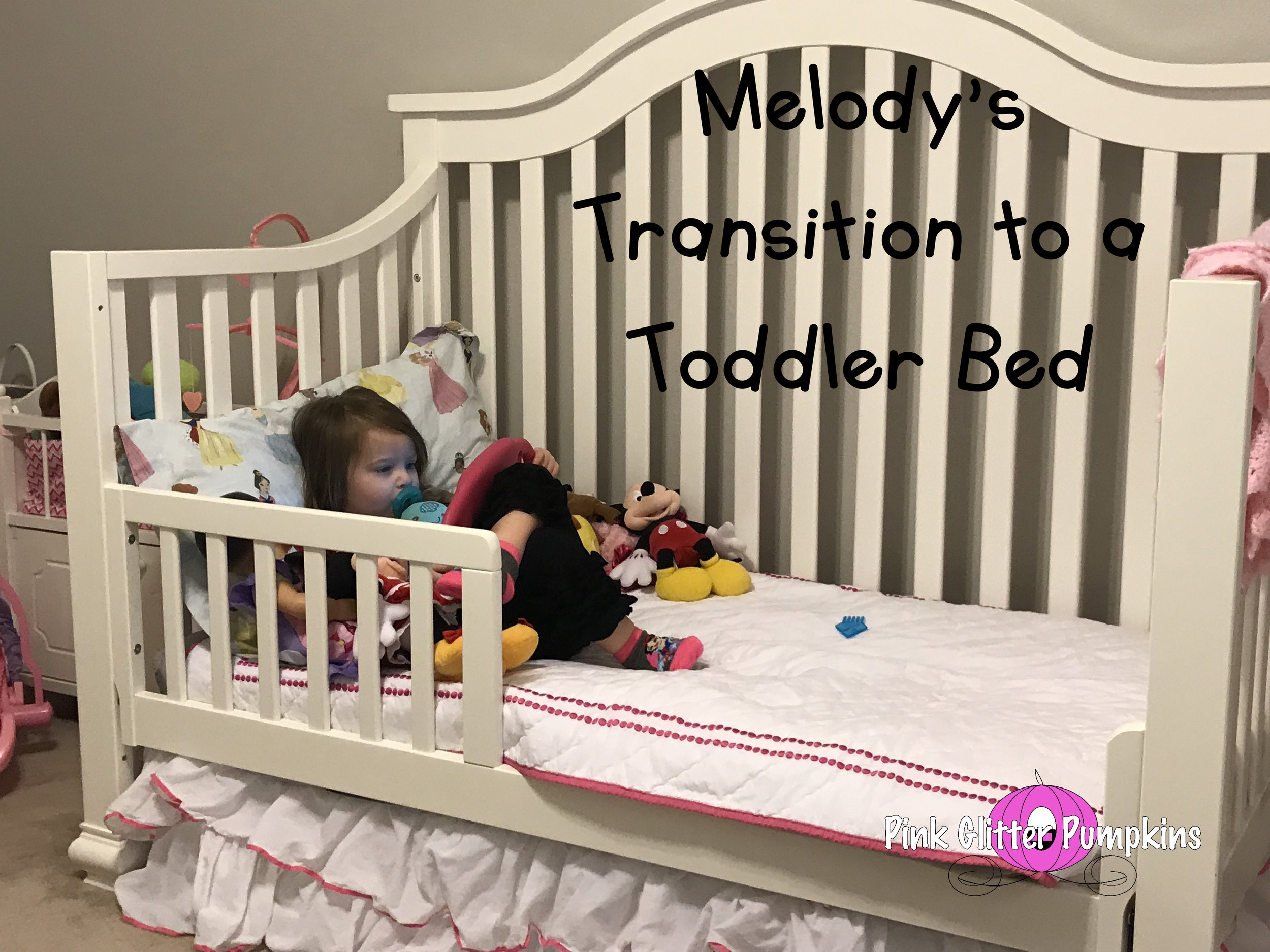
Credit: www.pinkglitterpumpkins.com
Establishing A Bedtime Routine
Establishing a bedtime routine helps toddlers feel safe and ready for sleep. A clear routine signals that it is time to wind down. It reduces resistance and fussiness at bedtime. Toddlers thrive on predictability, so a consistent routine is key.
Consistent Sleep Schedule
Set a regular bedtime and wake-up time. Stick to these times every day, even on weekends. Consistency helps the toddler’s body clock adjust. A steady schedule leads to better sleep quality. It also makes the transition to a toddler bed smoother. Avoid late nights or naps that are too long.
Calming Pre-bed Activities
Choose quiet activities before bed to relax your toddler. Reading a short story or singing soft songs works well. Avoid screens and loud play. These can make the child more awake. Warm baths or gentle massages can soothe tired muscles. Keep the room dim and calm. This signals the brain to prepare for sleep.
Introducing The Toddler Bed
Introducing the toddler bed is a big step for both parents and children. It marks the move from a crib to a more grown-up sleeping space. This change can bring excitement and nervousness. A toddler bed offers more freedom and comfort. It also helps your child feel more independent. Preparing your child gently makes this transition easier. Creating a calm and positive atmosphere is key. This section explains how to make the first night special and handle any resistance.
Making The First Night Special
Start by involving your child in choosing the bed or bedding. Let them pick a favorite blanket or stuffed toy to bring. Set a bedtime routine that feels familiar and comforting. Read a favorite story or sing a calm song before sleep. Keep the room quiet and dim to help relaxation. Praise your child for trying the new bed. Small rewards can encourage positive feelings about bedtime. A smooth first night builds confidence for future nights.
Handling Resistance
Resistance is normal during this change. Your child may feel unsure or scared. Stay calm and patient. Use gentle words to explain the new bed is safe. Offer comfort if your child gets upset. Avoid rushing the process or forcing the change. Gradually increase the time spent in the toddler bed. If needed, allow short breaks back to the crib. Consistency and kindness help your child adjust. Over time, the new bed will feel like home.
Encouraging Independence
Encouraging independence helps toddlers feel confident in their new bed. It makes the transition smooth and fun. Toddlers like to make choices and feel in control. Parents can support this by offering simple ways to involve children in the process. This builds trust and excitement for bedtime.
Letting Your Child Choose Bedding
Let your toddler pick their own bedding. Show them a few safe options. This could be blankets, sheets, or pillows with their favorite colors or characters. Choosing their bedding gives them a sense of ownership. It helps them feel proud and eager to use the new bed.
Using Positive Reinforcement
Praise your child for small steps toward using the toddler bed. Say things like, “Great job staying in bed!” or “You did well tonight!” Rewards like stickers or a bedtime story can motivate them. Positive reinforcement builds good habits and makes bedtime a happy time.
Troubleshooting Common Challenges
Transitioning your child to a toddler bed can bring some new challenges. These common issues may cause stress for both parents and toddlers. Understanding how to handle these problems helps create a smooth bedtime routine. Patience and consistency are key to success during this change.
Nighttime Fears
Nighttime fears are common when toddlers move to a new bed. The bigger bed and open space can feel scary. Use a nightlight to make the room less dark. Talk calmly about their fears and offer comfort. Reading a favorite story can help ease anxiety. Reassure your child that they are safe in their new bed.
Bedtime Wandering
Some toddlers get out of bed after lights out. They may want to explore or seek attention. Set clear rules about staying in bed. Gently guide them back without showing frustration. Use a toddler gate if needed to keep them in their room. Praise your child for staying in bed to encourage good habits.
Frequently Asked Questions
When Is The Best Age To Switch To A Toddler Bed?
The ideal age to transition is between 18 months and 3 years. This varies based on your child’s readiness and safety.
How To Prepare My Toddler For A New Bed?
Introduce the toddler bed gradually. Let your child explore it and use familiar bedding to create comfort.
What Are Common Challenges During The Transition?
Toddlers may resist change, experience night waking, or attempt to leave the bed. Patience and consistency help.
How To Make Toddler Bed Safe For My Child?
Use guardrails, remove sharp objects, and ensure the bed is close to the floor to prevent falls.
Conclusion
Transitioning your child to a toddler bed takes patience and care. Keep bedtime routines calm and consistent. Let your toddler explore the new bed at their own pace. Expect some resistance but stay positive and gentle. Celebrate small steps and progress every night.
This change helps your child gain independence and comfort. Soon, your toddler will enjoy a restful sleep in their new bed. Remember, patience and love make this journey easier for both of you.