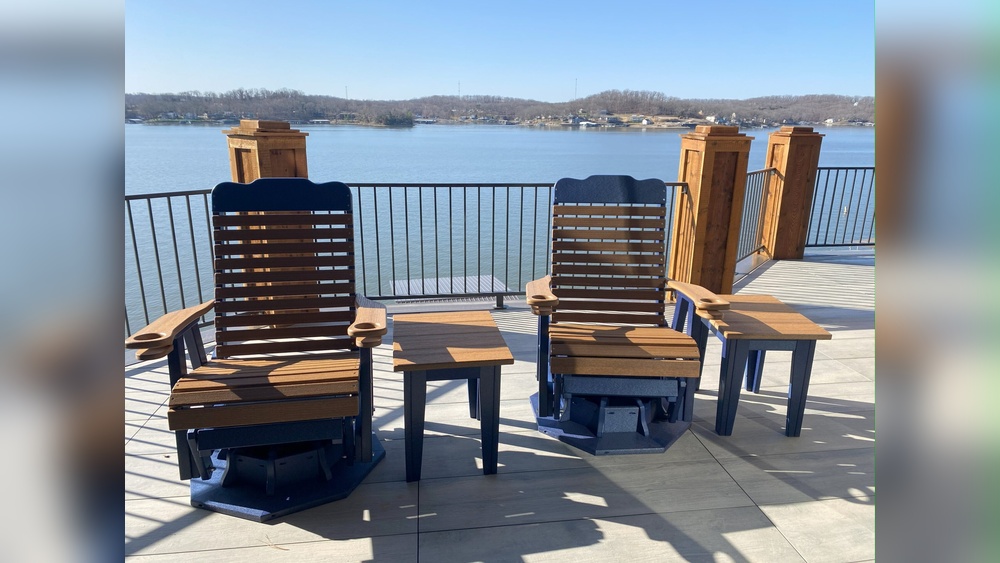
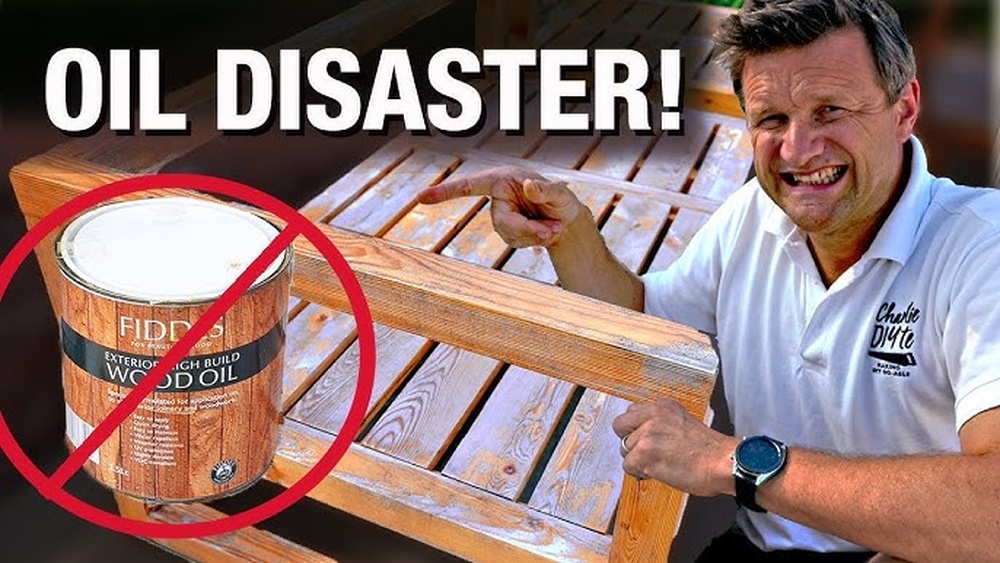
Do you have indoor furniture you love but want to use it outside? You’re not alone.
Many people want their cozy chairs or stylish tables to brighten up their patio or garden. But here’s the problem: indoor furniture isn’t made to handle rain, sun, and other outdoor challenges. The good news? You can treat your indoor pieces to make them strong enough for outdoor use.
You’ll discover simple, effective ways to protect your furniture so it stays beautiful and lasts longer outside. Keep reading to learn how to transform your indoor favorites into outdoor champions!
Credit: www.homedepot.com
Choosing The Right Furniture
Choosing the right furniture is the first step in treating indoor pieces for outdoor use. Not all furniture fits outdoor conditions. Some materials handle moisture and sun better than others. Understanding what works helps protect your investment and keeps furniture looking good longer.
Identify Suitable Materials
Start by checking what your furniture is made of. Wood, metal, plastic, and fabric all react differently outside. Teak, cedar, and eucalyptus wood resist water and insects well. Aluminum and stainless steel metals do not rust easily. Avoid soft woods and iron without coatings. Plastic furniture often handles rain but may fade in sunlight. Look for materials that can handle heat, cold, and wetness.
Assess Furniture Durability
Next, think about how strong and sturdy the furniture is. Outdoor furniture faces wind, rain, and sun daily. Pieces with solid construction last longer. Check joints, screws, and frames for tightness and rust. Lightweight furniture may blow away in storms. Heavy, well-built furniture resists damage better. Durability helps reduce repairs and replacements over time. Choose items that stay stable and strong outdoors.

Credit: www.amazon.com
Cleaning And Preparing Surfaces
Cleaning and preparing surfaces is the first step to protect indoor furniture for outdoor use. Dirt, dust, and old finishes can stop new coatings from sticking well. A clean and smooth surface helps paints and sealants last longer. This process makes your furniture ready to face rain, sun, and wind.
Remove Dirt And Grime
Start by brushing off loose dirt with a soft brush. Use mild soap mixed with water to scrub the surface gently. Avoid harsh chemicals that can damage wood or metal. Rinse with clean water and let the furniture dry completely. This step removes oils, dust, and old residues that block coatings.
Sand And Smooth Surfaces
Sanding creates a rough texture for paint to grip. Use medium-grit sandpaper to remove old paint and smooth out scratches. Sand evenly to avoid uneven spots. Wipe away sanding dust with a damp cloth. Smooth surfaces prevent peeling and help protect furniture from outdoor elements.
Applying Protective Coatings
Applying protective coatings is essential for using indoor furniture outdoors. It helps guard against weather damage and extends furniture life. These coatings create a barrier that shields your pieces from moisture, sunlight, and dirt. Proper application ensures your furniture stays strong and looks good over time.
Use Water-resistant Sealants
Water-resistant sealants protect furniture from rain and humidity. They stop water from soaking into wood or fabric. Applying sealant creates a tough layer that keeps moisture out. Choose sealants made for outdoor use for best results. Apply evenly with a brush or spray for full coverage. Let it dry completely before using the furniture outside.
Opt For Uv-resistant Finishes
UV-resistant finishes block harmful sun rays that fade colors and weaken materials. These finishes help furniture keep its original look longer. They reduce cracking and peeling caused by sunlight exposure. Use clear or tinted finishes designed to resist UV damage. Apply in thin coats and allow each layer to dry well. This protection keeps furniture vibrant under the sun.
Enhancing Weather Resistance
Enhancing weather resistance is key to using indoor furniture outside. Rain, sun, and wind can damage your furniture fast. Protecting it helps keep its look and strength longer. Simple steps can make a big difference in weatherproofing.
Two easy ways to improve weather resistance are adding waterproof covers and elevating furniture from the ground. These methods block water and reduce contact with damp surfaces.
Add Waterproof Covers
Waterproof covers shield your furniture from rain and moisture. Use covers made of strong, water-resistant materials like vinyl or polyester. Ensure the cover fits well and covers all parts.
Covers also protect from dust and dirt. Remove the covers on sunny days to avoid mold growth. Store covers in a dry place when not in use. This simple step prevents water damage and fading.
Elevate Furniture From Ground
Elevating furniture keeps it away from wet ground. Use small blocks, bricks, or furniture risers. This stops water from soaking into the legs or base.
Elevation improves airflow under the furniture. Better airflow helps dry any moisture quickly. It also reduces the chance of rust or rot. This method is low cost but highly effective.
Maintenance Tips For Longevity
Taking care of indoor furniture used outdoors extends its life. Proper maintenance keeps it strong and looking good. Simple steps help protect the furniture from weather and wear.
Regular Cleaning Schedule
Clean your furniture often. Dust and dirt can damage surfaces over time. Use a soft cloth and mild soap with water. Avoid harsh chemicals that can wear off protective layers. Dry furniture well after cleaning to stop mold or mildew.
Check for stains or spots. Treat them quickly to avoid permanent marks. Cleaning regularly keeps the furniture fresh and ready to use.
Reapply Protective Layers
Protective coatings wear off with sun and rain. Reapply sealants, varnishes, or paint every year. This keeps water and UV rays from damaging the material. Follow product instructions carefully for best results.
Inspect the furniture for cracks or peeling paint. Touch these areas up to stop further damage. A strong protective layer is key for furniture to last outside.
Alternative Treatments And Materials
Treating indoor furniture for outdoor use requires more than just paint or sealant. Alternative treatments and materials help furniture last longer outside. These options protect against weather damage and wear. Choosing the right fabric and hardware can make a big difference. They improve durability and keep furniture looking good.
Use Outdoor Fabrics
Indoor fabrics are not made to handle rain or sun. Outdoor fabrics resist water, fading, and mildew. They dry quickly and stay strong in harsh weather. Fabrics like solution-dyed acrylic or polyester work well. Cover cushions and pillows with these materials. It helps furniture stay fresh and clean longer. You can also add fabric protectors for extra strength.
Consider Rust-proof Hardware
Indoor furniture often has metal parts that rust outside. Rust damages and weakens the furniture. Choose hardware made from stainless steel or aluminum. These metals resist rust and corrosion. Brass and plastic can also work in some cases. Replace screws, bolts, and hinges with rust-proof versions. This step keeps your furniture stable and safe in wet conditions.
Credit: www.bedbathandbeyond.com
Frequently Asked Questions
How Do I Waterproof Indoor Furniture For Outdoors?
Apply a clear waterproof sealant or outdoor varnish to protect the furniture. Ensure the product suits the material. Reapply every year for best protection.
Can I Use Indoor Wood Furniture Outside?
Yes, but treat it first. Sand the surface, then apply a weather-resistant finish. This prevents moisture damage and prolongs outdoor life.
What Finishes Work Best For Outdoor Indoor Furniture?
Polyurethane, spar varnish, and marine-grade finishes are ideal. They resist UV rays, moisture, and temperature changes effectively.
How Often Should I Maintain Treated Indoor Furniture Outdoors?
Inspect and reapply protective coatings annually or after heavy weather exposure. Regular maintenance keeps the furniture durable and looking fresh.
Conclusion
Treating indoor furniture for outdoor use helps protect it from weather damage. Use sealants or waterproof coatings to keep furniture safe. Regular cleaning and maintenance will extend its life outdoors. Choose the right products for your furniture material. This simple care lets you enjoy your pieces outside longer.
Small efforts bring big results in durability. Your outdoor space can look great without buying new furniture. Give your indoor furniture a new life in the fresh air.