Have you ever wished for a secret spot to store your favorite books or hide your treasures? Turning a simple door into a hidden bookshelf is a clever way to add mystery and function to your space.
Imagine opening a door that looks ordinary but reveals a secret library right behind it. In this guide, you’ll discover easy steps to transform your door into a stylish and surprising bookshelf. By the end, you’ll have a unique feature that sparks curiosity and makes your room truly one of a kind.
Ready to unlock this secret? Let’s dive in!
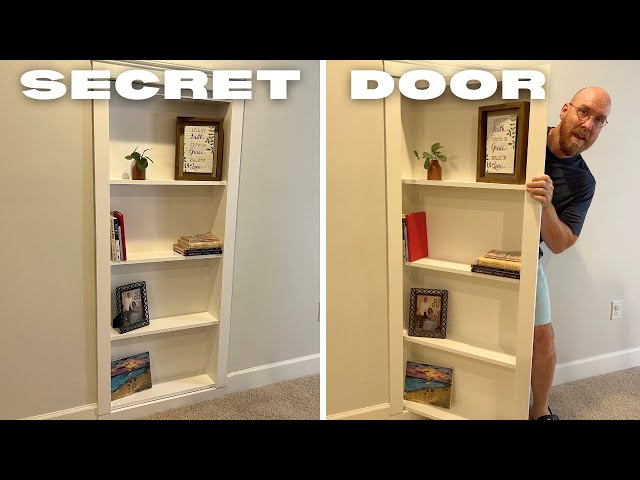
Credit: www.youtube.com
Choosing The Right Door
Choosing the right door is a key step in creating a hidden bookshelf. The door must support the weight of books and fit the room style. Not all doors work well for this project. Consider the door’s type, condition, and size before starting.
Types Of Doors Suitable For Bookshelves
Solid wood doors are the best choice for hidden bookshelves. They hold heavy books and are easy to modify. Hollow core doors are lighter but may not support much weight. Panel doors add character and can hide shelves well. Avoid glass doors since they are fragile and less private.
Assessing Door Condition And Material
Check the door for damage or weak spots. Cracks or warping can cause problems later. Wood doors are strong and durable but may need sanding. Metal doors are tough but hard to drill for shelves. Choose a door made from sturdy, reliable material to hold books safely.
Measuring Space And Door Dimensions
Measure the door’s height, width, and thickness carefully. The shelves must fit inside the door frame without sticking out. Also, check the space around the door for clearance. A wider door can hold more books but needs more room to open. Accurate measurements help create a neat, functional bookshelf.

Credit: www.reddit.com
Planning Your Bookshelf Design
Planning your bookshelf design is the first step to create a hidden door bookshelf. It helps you understand what materials and tools you will need. Careful planning saves time and avoids mistakes during building. Think about the size, style, and special features before starting. This way, you get a bookshelf that fits your space and needs.
Determining Shelf Size And Capacity
Measure the door’s height and width to know the available space. Decide how many shelves you want and their height apart. Consider the size of your books to set shelf depth. Strong shelves hold heavy books without bending or breaking. Use sturdy wood or metal brackets for support. Plan enough space to keep books organized and easy to reach.
Incorporating Hidden Features
Think about how you want the bookshelf to open. A swinging door or sliding panel works well. Use invisible hinges to keep the door looking normal. Add a magnetic lock or push latch for easy opening. Plan the bookshelf to blend with room décor. Hidden lighting inside shelves adds a subtle glow. These features keep the bookshelf secret and functional.
Selecting Style And Finish
Choose a style that matches your room’s look. Classic wood, modern metal, or painted designs work well. Pick a finish that hides the door edges. Smooth paint or wood stain can blend the bookshelf with walls. Use colors and textures that do not stand out. A well-chosen finish keeps the bookshelf secret and stylish.
Gathering Materials And Tools
Before starting the project, gather all needed materials and tools. This step saves time and avoids interruptions. Having the right supplies ensures a smooth build and strong results. Prepare carefully to make your hidden bookshelf door sturdy and functional.
Wood And Hardware Essentials
Choose solid wood for the door and shelves. Pine and oak work well for strength and look. Get wood screws, hinges, and brackets for support. Purchase a magnetic latch or hidden lock for secrecy. Sandpaper helps smooth rough edges. Pick wood stain or paint for finishing touches.
Tools Needed For Construction
Use a drill to make holes and insert screws. A saw cuts wood to the right size. A screwdriver tightens screws and hardware. A measuring tape ensures accurate dimensions. A level checks if shelves are straight. Clamps hold pieces firmly while gluing or screwing.
Safety Equipment
Wear safety goggles to protect your eyes from dust. Use ear protection when operating loud power tools. Gloves keep your hands safe from splinters and cuts. A dust mask prevents inhaling sawdust. Make sure your workspace is clean and well-lit for safety.

Credit: athomewithashley.com
Building The Bookshelf Door
Building the bookshelf door is the main step in this project. It turns a simple door into a useful space for books. You will work on the door by adding shelves. These shelves hold your books and keep them hidden.
Each step is easy to follow and uses basic tools. You do not need to be a carpenter. Careful work will make the bookshelf strong and neat.
Removing The Door From Hinges
Start by taking the door off its frame. Use a screwdriver to remove the screws from the hinges. If the door is heavy, ask someone to help you hold it. Place the door flat on a safe surface. This makes it easier to work on.
Cutting And Assembling Shelves
Measure the door’s width and depth. Cut wood pieces to fit inside the door. These will be your shelves. Sand the edges to make them smooth. Use wood glue and small nails to join the pieces. Make sure the shelves are straight and even.
Attaching Shelves To Door Frame
Mark shelf positions on the door’s inside surface. Use a drill to make small pilot holes. Attach the shelves using screws or brackets for support. Check that each shelf holds tight and does not wobble. Let the glue dry before moving the door.
Installing The Hidden Bookshelf
Installing a hidden bookshelf behind a door requires careful steps to ensure it works well. This part of the project focuses on making the door functional and stable while hiding the shelves effectively. Follow these simple instructions for a seamless installation.
Rehanging The Door
Start by removing the door from its hinges. Check the hinges for any damage or wear. Replace old hinges with sturdy, heavy-duty ones. Attach the bookshelf frame to the door securely. Rehang the door on the frame, making sure it swings smoothly. Adjust the hinges if the door does not close properly.
Ensuring Stability And Functionality
Use screws to strengthen the bookshelf on the door. Make sure the shelves hold weight without bending. Test the door’s movement multiple times. Fix any wobbling or loose parts immediately. Balance the door so it does not lean or sag. Stability keeps the bookshelf safe and easy to use.
Adding Concealment Features
Choose paint or wallpaper that matches the room. Cover the bookshelf edges to hide gaps. Install magnetic or hidden latches for a clean look. Add trim or molding to blend the door with walls. Use lightweight books or decorations to avoid strain. Concealment makes the bookshelf a true secret.
Styling And Maintaining Your Bookshelf
Styling and maintaining your hidden bookshelf keeps it looking great and working well. A neat, attractive shelf adds charm and keeps your books safe. Small efforts make a big difference in appearance and function. Here are easy ways to decorate, organize, and care for your secret bookshelf.
Decorating Tips For Hidden Bookshelves
Choose a color that matches your room for a smooth look. Use small plants or candles to add a cozy feel. Mix book sizes and place some books horizontally for variety. Keep decorations simple to avoid clutter. Use soft lighting to highlight the shelf without drawing too much attention.
Organizing Books And Items
Group books by size or topic for easy finding. Use bookends to keep books upright and tidy. Store small items like keys or notes in decorative boxes. Avoid overstuffing the shelves to keep the door easy to open. Regularly check that nothing blocks the door’s movement.
Cleaning And Upkeep
Dust the shelves weekly to prevent buildup. Use a soft cloth and mild cleaner for surfaces. Check hinges and locks to keep the door working smoothly. Fix any loose screws or parts quickly. Keep the area around the bookshelf clear for easy access and safety.
Creative Variations And Ideas
Turning a door into a hidden bookshelf is a clever way to save space. It also adds charm and mystery to any room. Creative variations make this idea even more exciting. You can customize the door to fit your style and needs. Here are some interesting ideas to inspire your project.
Incorporating Secret Compartments
Secret compartments add extra storage and secrecy. You can build small hidden boxes inside the bookshelf. These compartments hide valuables, notes, or small items. Use false backs or sliding panels for concealment. They make the hidden door even more intriguing. This idea blends functionality with surprise.
Using Sliding Or Pivot Doors
Sliding doors save space and offer smooth access. They slide sideways to reveal the bookshelf behind. Pivot doors rotate on a central hinge for a unique look. Both options hide the shelves well. They create a seamless transition between rooms or spaces. Choose the style that best fits your room layout.
Combining With Other Furniture
Combine the hidden bookshelf door with other furniture pieces. Attach it to a wardrobe or a desk for multi-use. This setup maximizes space and adds convenience. It also keeps your room tidy and organized. Furniture combos make your hidden bookshelf more practical. They turn ordinary furniture into secret storage solutions.
Frequently Asked Questions
How Do I Start Turning A Door Into A Hidden Bookshelf?
Begin by choosing a sturdy door and measuring your space. Plan shelf dimensions and secure strong brackets. Sand and paint the door for a finished look before attaching shelves. Follow safety tips during installation for best results.
What Materials Are Needed For A Hidden Bookshelf Door?
You need a solid door, wooden planks for shelves, brackets, screws, a drill, paint or stain, and sandpaper. Optional items include hinges for adjustable shelves and locks for added security. Quality materials ensure durability and a seamless hidden bookshelf.
Can I Use Any Door For A Hidden Bookshelf?
Most solid wood or hollow core doors work well. Avoid flimsy or lightweight doors to support book weight. Ensure the door fits your space and opens smoothly after shelf installation. Customizing door size may be necessary for perfect fit.
How Much Weight Can A Hidden Bookshelf Door Hold?
Weight capacity depends on shelf material, brackets, and door strength. Properly installed wooden shelves can hold 20-50 pounds each. Distribute books evenly to avoid strain. Always check hardware limits to maintain safety and functionality.
Conclusion
Turning a door into a hidden bookshelf adds charm and saves space. It blends storage with style in any room. You can keep your favorite books close and out of sight. The project suits many skill levels and budgets. Try it yourself and enjoy a unique, cozy corner.
Small changes can create big impacts in your home. Now is the time to bring creativity into your space.