Are you thinking about adding a full size bunk bed to your space but unsure about the exact width? Knowing how wide a full size bunk bed is can help you plan your room perfectly and avoid any last-minute surprises.
Whether you’re trying to fit it in a cozy corner or want to ensure there’s enough room to move around comfortably, understanding the dimensions is key. Keep reading, and you’ll get all the details you need to make the best choice for your home and your family.
Credit: maxandlily.com
Full Size Bunk Bed Dimensions
Full size bunk beds are a popular choice for many homes. They offer more sleeping space than twin bunk beds. Knowing the exact dimensions helps you plan your room better. It also ensures you buy the right mattress and bedding.
This section explains the key measurements of full size bunk beds. You will learn about the width, length, height, and mattress size compatibility.
Standard Width And Length
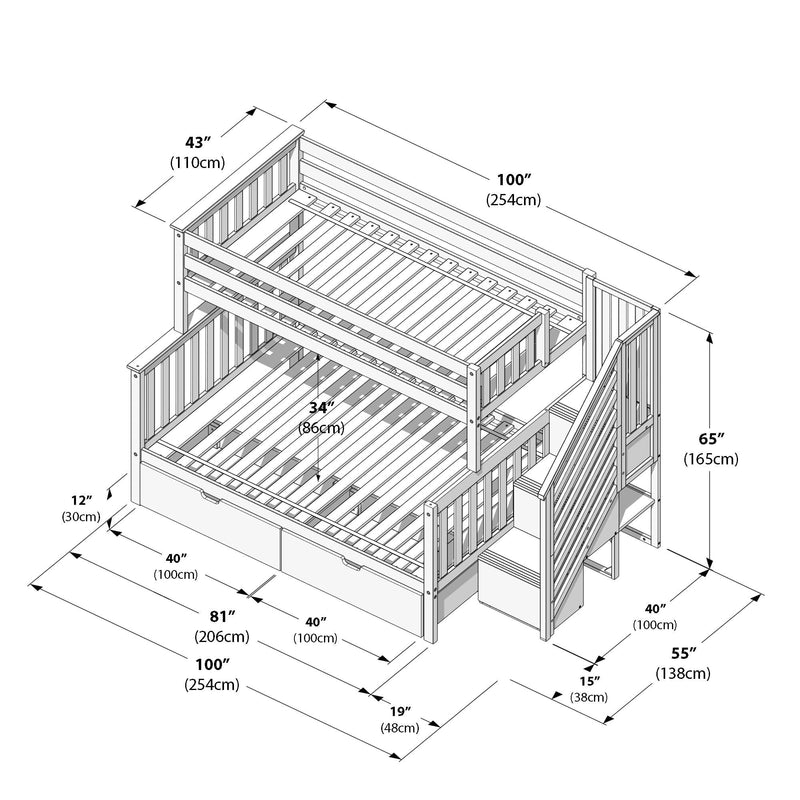
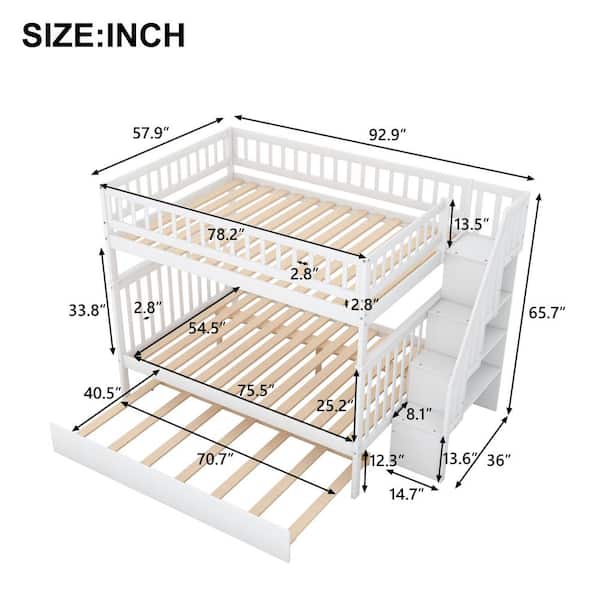
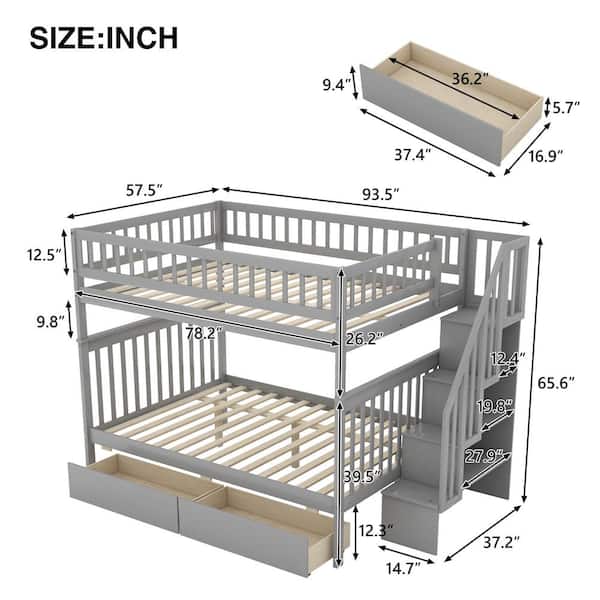
The standard width of a full size bunk bed is about 54 inches. The length is usually around 75 inches. These dimensions match a regular full size mattress. The bed frame adds a few extra inches for support. Most full size bunk beds measure approximately 58 inches wide and 79 inches long in total.
Height Considerations
Height varies depending on the design and style of the bunk bed. Most full size bunk beds stand between 60 and 72 inches tall. This height allows enough space for the person on the top bunk. It also provides clearance for the bottom bunk. Always check the room’s ceiling height before buying to avoid tight fits.
Mattress Size Compatibility
Full size bunk beds fit mattresses that are 54 inches wide and 75 inches long. Standard full size mattresses work best. Avoid using thicker mattresses on the top bunk. Thick mattresses reduce the safety rail height. Choose mattresses that are 6 to 8 inches thick for safety and comfort.
Space Requirements For Placement
Understanding the space needed for a full size bunk bed is key before buying or placing one. This helps ensure the bed fits well and the room stays safe and comfortable. Bunk beds take up more vertical and horizontal space than regular beds. Planning the space carefully keeps the room functional and easy to move around in.
Room Size And Layout
Measure your room first. A full size bunk bed usually needs about 54 inches wide. Length can be around 75 inches. You need extra space for walking and other furniture. Think about where doors and windows are. This affects where the bed can go. Place the bed where it does not block pathways or other furniture.
Clearance Around The Bed
Leave at least 2 feet of space around the bed. This space helps with safe movement. It also makes the room feel less cramped. Avoid placing the bed too close to walls or other furniture. This space allows for making the bed and cleaning. It also helps prevent accidents from bumping into corners.
Ceiling Height Needs
Bunk beds need enough ceiling height. The top bunk is usually 5 to 6 feet above the floor. Add space for sitting up comfortably. A ceiling height of at least 8 feet is best. Low ceilings make the top bunk feel cramped. Check for ceiling fans or light fixtures that could be in the way.
Comparing Full Size To Other Bunk Beds
Full size bunk beds offer more sleeping space than standard twin bunk beds. Choosing the right size affects comfort and room layout. Understanding the differences helps you pick the best bed for your needs.
This section compares full size bunk beds with other common sizes. We focus on width, room space, and weight capacity. These factors impact your choice and daily use.
Twin Vs Full Widths
Twin bunk beds usually measure about 39 inches wide. Full size beds are wider, around 54 inches. This extra width provides more room to move while sleeping. Full size beds suit older kids or adults better. Twin beds fit small rooms or tight spaces easily.
Impact On Room Space
Full size bunk beds take up more floor space than twins. Their wider frames require more room side-to-side. This can limit play or furniture space in small bedrooms. Twin bunk beds are compact and save space efficiently. Consider room size before picking a full size bunk bed.
Weight Capacity Differences
Full size bunk beds generally support more weight than twin beds. They are built to hold heavier sleepers comfortably. Twin bunk beds have lower weight limits, designed for children. Full size beds suit teenagers and adults better. Check weight limits to ensure safety and durability.
Design Variations Affecting Size
The width of a full size bunk bed can change based on its design. Different styles add or reduce space. These changes affect how much room the bed takes up. Knowing these factors helps you pick the right bed for your space. Below are key design variations that affect the size of full size bunk beds.
Built-in Storage Options
Some bunk beds include built-in drawers or shelves. These features add to the bed’s width and depth. Storage options often extend beyond the mattress frame. This extra space is useful but means the bed needs more room in your room.
Loft Vs Traditional Bunk Beds
Traditional bunk beds have two beds stacked vertically. Their width usually matches a standard full size mattress. Loft beds raise the top bed higher, creating open space below. This space may be used for desks or seating. Loft beds can feel less wide because of the open area underneath.
Material And Frame Styles
Wooden frames often have thicker posts and panels. This can increase the overall width. Metal frames tend to be slimmer and more compact. The style of the frame, like curved or straight edges, also changes the bed’s size slightly.
Optimizing Small Spaces
Optimizing small spaces is key when adding a full size bunk bed. This bed style saves floor space by stacking two beds vertically. It lets you fit more sleeping spots in a small room. Smart use of the area around and under the bed can create extra storage or play zones. Planning helps make the room feel open and organized.
Placement Tips
Place the bunk bed against a wall to open floor space. Avoid blocking windows to keep natural light. Leave enough room for easy access to the bed. Corners work well to keep the bed out of the way. Measure the bed width carefully to fit doors and furniture.
Multi-functional Furniture Ideas
Choose bunk beds with built-in drawers or shelves. Use the lower bunk as a sofa with pillows. Add a small desk under the top bunk for study space. Combine storage bins or baskets under the bed. This keeps toys and clothes neat and close.
Using Vertical Space Efficiently
Use wall shelves above the bunk bed for books or decor. Hang hooks for bags and jackets on nearby walls. Install a tall bookshelf or wardrobe next to the bed. Keep the floor clear by storing items up high. This makes the room feel larger and less crowded.
Credit: www.homedepot.com
Safety And Accessibility
Safety and accessibility are key when choosing a full size bunk bed. These beds must protect sleepers from falls. They also need to be easy to use for all ages. Designing a bunk bed with the right safety features improves comfort and peace of mind. Accessibility ensures everyone can climb and move without trouble.
Guardrails And Ladder Dimensions
Guardrails are essential on the top bunk. They stop sleepers from falling during sleep. The guardrails should be at least 5 inches above the mattress. This height creates a strong barrier. The ladder must have wide, flat steps. Steps about 2 to 3 inches wide offer better grip. The ladder width should fit the bed’s size for stability.
Ease Of Climbing
Climbing should feel safe and simple. Steps spaced 10 to 12 inches apart match most children’s stride. A slight angle on the ladder makes climbing easier. Handrails help users balance during ascent and descent. Avoid ladders that are too steep or narrow. These can cause slips or falls.
Space For Movement
Room to move is important on a bunk bed. The full size bunk bed width allows enough space for comfort. Ensure at least 33 inches of headroom between the mattresses. This space prevents bumping heads while sitting or moving. The bed should fit well in the room. Leaving enough space around improves safety and access.
Credit: www.homedepot.com
Frequently Asked Questions
How Wide Is A Full Size Bunk Bed Frame?
A full size bunk bed frame typically measures 54 inches wide. This width fits a standard full mattress. It provides ample sleeping space for one or two children. The frame width impacts room layout and space planning.
What Mattress Size Fits A Full Size Bunk Bed?
A full size bunk bed fits a mattress measuring 54 by 75 inches. Choosing the correct mattress ensures comfort and safety. Standard full mattresses are widely available in this size. Always check the bed frame specifications before purchasing.
How Much Space Does A Full Size Bunk Bed Need?
A full size bunk bed needs about 56 to 58 inches width clearance. You should also allow at least 80 inches lengthwise for comfort. Extra space around the bed helps with accessibility and safety. Room dimensions influence bunk bed placement.
Are Full Size Bunk Beds Suitable For Adults?
Yes, full size bunk beds can accommodate adults comfortably. The mattress size offers more space than twin bunk beds. Weight limits vary by manufacturer, so check specifications. They work well in guest rooms or shared adult bedrooms.
Conclusion
A full size bunk bed usually measures about 54 inches wide. This size fits most rooms and provides enough space for comfort. Knowing the width helps you plan your room better. It also ensures the bed fits through doorways and hallways.
Choosing the right size makes your space safe and cozy. Remember, a full size bunk bed saves space and gives room to grow. Consider the width carefully before buying to avoid surprises. This way, your bunk bed will serve your needs well.