Choosing the right wood for your outdoor furniture can make a huge difference in how it looks, lasts, and feels. You might be wondering if acacia wood is better than fir for your patio or garden setup.
Both have their fans, but which one truly fits your needs? You’ll discover the key differences between acacia and fir, helping you make a smart choice that keeps your outdoor space beautiful and durable for years to come. Keep reading—you’ll want to know this before making your next purchase.
Acacia Wood Features
Acacia wood is a popular choice for outdoor furniture. It offers several features that make it stand out. Its natural qualities suit outdoor use well. Understanding these features helps you decide if acacia wood fits your needs.
Durability And Strength
Acacia wood is very strong and durable. It can handle heavy use without breaking. This wood lasts many years, even with daily wear. Its hardness protects furniture from dents and scratches. Acacia furniture holds up well over time outdoors.
Weather Resistance
Acacia wood resists water and moisture effectively. It does not warp or crack easily in rain or sun. This wood can handle changing weather conditions. It also resists decay and insect damage. These traits make acacia great for outdoor furniture.
Appearance And Grain
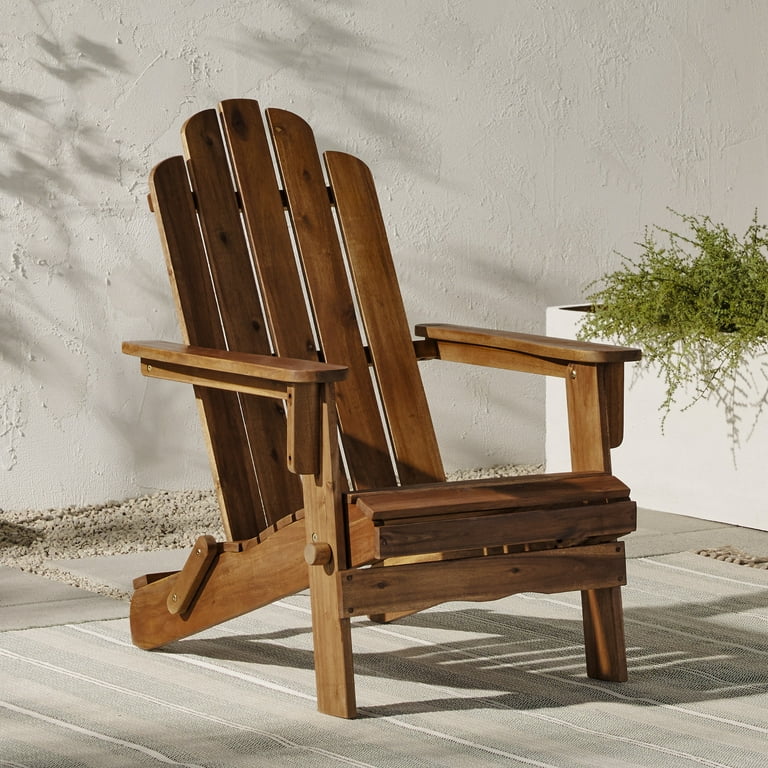
Acacia wood has a rich, warm color. Its grain pattern is unique and attractive. The wood shows natural variations in shade and texture. This adds character to each piece of furniture. Over time, acacia develops a beautiful, natural patina.
Maintenance Needs
Acacia wood needs moderate care to stay in good shape. Regular cleaning with mild soap helps remove dirt. Applying oil or sealant protects the wood from drying out. This simple maintenance keeps furniture looking fresh. Proper care extends acacia’s outdoor life.
Fir Wood Features
Fir wood is a popular choice for outdoor furniture. It has unique features that affect its use outside. Understanding these features helps decide if fir suits your outdoor needs.
Fir is known for its natural strength and light weight. This makes it easy to move and sturdy enough for many uses. Its natural look blends well with outdoor settings.
Durability And Strength
Fir wood has good strength for outdoor furniture. It can hold weight without bending or breaking. This makes fir reliable for chairs, tables, and benches.
While fir is strong, it is softer than some hardwoods. It may dent or scratch more easily. Still, it provides solid support for regular use.
Weather Resistance
Fir wood is moderately resistant to weather. It can handle rain and sun for some time. But it is not as resistant as woods like teak or cedar.
Without treatment, fir can absorb moisture and warp. It may also develop mold or rot over time. Proper sealing improves its weather resistance.
Appearance And Grain
Fir has a light color, usually pale yellow or reddish. Its grain is straight and even, creating a smooth look. This simple pattern fits many outdoor styles.
The soft texture of fir wood allows easy staining or painting. You can change its look to match your decor. Over time, the color may fade in sun.
Maintenance Needs
Fir requires regular care to last outdoors. Applying sealant or paint protects it from moisture. Reapplying finishes every year keeps it strong.
Cleaning fir furniture with mild soap and water helps prevent dirt buildup. Avoid harsh chemicals that can damage the wood. Proper care extends the life of fir furniture outdoors.
Performance In Outdoor Conditions
Outdoor furniture must stand strong against weather and pests. Choosing the right wood affects how long your furniture lasts. Acacia and fir are popular choices. Each has unique traits that affect performance outdoors.
Resistance To Moisture And Rot
Acacia wood naturally resists moisture. This helps prevent rot and decay. It stays strong after rain or humidity. Fir is softer and absorbs water easily. It needs extra treatment to avoid damage. Without care, fir can warp or rot faster than acacia.
Insect Resistance
Acacia wood contains natural oils that repel insects. This lowers the risk of termite and bug damage. Fir lacks these oils and is more vulnerable to insects. Regular sealing and maintenance are needed for fir. Acacia offers better protection with less effort.
Longevity In Various Climates
Acacia holds up well in hot and wet climates. It adapts to changes without cracking or splitting. Fir performs best in mild, dry areas. Extreme weather can cause fir to weaken over time. Acacia’s durability suits diverse outdoor conditions better.
Credit: www.homedepot.com
Cost Comparison
Acacia wood generally costs more than fir for outdoor furniture. Fir is cheaper but may need more maintenance over time. Choosing depends on budget and how long you want the furniture to last.
Initial Purchase Price
Acacia wood usually costs more than fir at the start. This is because acacia is a hardwood and grows slower. Fir is softer and easier to find. That makes fir less expensive in most stores.
Buying acacia means paying for durability and beauty. Fir is cheaper but may not last as long outdoors. The price difference can be seen clearly when comparing the same furniture pieces.
Long-term Value
Acacia wood lasts much longer outside than fir. It resists water, insects, and decay better. This means fewer repairs or replacements over time.
Fir might need more care, like sealing or painting often. It can wear down faster in wet or hot weather. This adds to the total cost after buying.
Choosing acacia often saves money in the long run. The initial higher price pays off with less maintenance and longer life.
Sustainability And Environmental Impact
Choosing wood for outdoor furniture affects the environment. Sustainability and environmental impact matter a lot. Understanding how wood is sourced and its eco-friendliness helps make better choices. Acacia and fir wood differ in these areas.
Source And Harvesting
Acacia wood mostly grows in tropical regions. It grows fast and can be harvested quicker than many hardwoods. This rapid growth helps reduce deforestation pressure. Many acacia plantations use sustainable practices to protect forests.
Fir wood comes from coniferous trees in cooler climates. It grows slower than acacia. Fir is often harvested from natural forests, which may impact ecosystems if not managed well. Sustainable fir harvesting requires strict rules to avoid overcutting.
Eco-friendliness
Acacia wood is durable and lasts long outdoors. Its natural oils resist decay and insects, reducing the need for chemical treatments. This lowers pollution and harm to wildlife.
Fir wood is lighter and less dense. It may need treatments to survive outdoors, which can add harmful chemicals to the environment. Fir furniture may not last as long as acacia outdoors, leading to more frequent replacements.
Using wood certified by environmental groups ensures better eco-friendliness. Certifications verify responsible forest management and reduce negative effects on nature.
Aesthetic Appeal For Outdoor Spaces
Outdoor furniture shapes the look and feel of your garden or patio. Choosing wood with strong aesthetic appeal can make these spaces more inviting. Both acacia and fir offer unique visual qualities. Understanding their color, texture, and customization options helps you pick the right wood. This choice affects how your outdoor area feels and fits your style.
Color And Texture
Acacia wood has a rich, warm color. It ranges from golden brown to deep reddish hues. This variety creates a natural, rustic charm. The grain is tight and smooth, adding elegance to furniture pieces.
Fir wood shows a lighter tone, mostly pale yellow or cream. Its texture is more uniform and soft. Fir offers a simple, clean look, perfect for modern outdoor designs.
Customization Options
Acacia wood accepts stains and finishes well. You can enhance its natural color or change it completely. Its dense grain holds paint and varnish firmly, allowing many styles.
Fir wood is easier to shape and paint. It absorbs colors evenly, giving a smooth finish. This wood suits bright or pastel colors for fresh outdoor looks.
Maintenance And Care Tips
Maintaining outdoor furniture is key to keeping it strong and good-looking. Both acacia and fir wood need care to last longer outside. This section shares easy tips for cleaning and protecting your wood furniture. Follow these steps to keep your furniture fresh and durable through all seasons.
Cleaning Methods
Clean your wood furniture regularly to remove dirt and dust. Use a soft brush or cloth for gentle cleaning. Mix mild soap with water for washing. Avoid harsh chemicals that can harm the wood surface. Rinse with clean water and dry with a soft towel. For tough stains, use a mixture of vinegar and water. Always test cleaning solutions on a small area first. Clean furniture every few weeks during warm months.
Protective Treatments
Apply protective treatments to shield wood from weather damage. Use wood oils or sealants made for outdoor furniture. These treatments prevent water absorption and reduce cracking. Reapply oil or sealant once or twice a year. Sand the surface lightly before applying treatments. Cover furniture during rain or snow to add extra protection. Store furniture indoors during harsh winter months if possible. Proper protection keeps the wood strong and looking new.
Credit: bona-store.com
Choosing The Right Wood For Your Needs
Choosing the right wood for your outdoor furniture is important. It affects durability, look, and cost. Different woods have unique features. These features fit different needs and styles. Understanding these factors helps you make a smart choice.
Budget Considerations
Wood prices vary greatly. Acacia tends to cost more than fir. Fir is often cheaper and easier to find. Think about how much you want to spend. A higher price might mean longer-lasting furniture. But cheaper wood can work well with proper care.
Intended Use And Location
Where you place your furniture matters. Acacia wood resists water and insects better. It suits wet or humid areas. Fir is softer and can wear faster outdoors. It fits covered or dry spots. Consider weather and exposure before choosing.
Personal Style Preferences
Wood colors and grains differ. Acacia has a rich, warm tone with unique patterns. Fir shows a lighter, simpler look. Think about your outdoor space style. Choose wood that matches your taste and existing decor. Style can make your furniture stand out or blend in.
Credit: www.walmart.com
Frequently Asked Questions
Is Acacia Wood More Durable Than Fir Wood?
Acacia wood is generally more durable than fir. It resists moisture and insects better, making it ideal for outdoor furniture. Fir is softer and more prone to damage, so acacia lasts longer in harsh weather conditions.
Which Wood Is More Weather-resistant: Acacia Or Fir?
Acacia wood offers superior weather resistance compared to fir. It can withstand rain, sun, and humidity without warping. Fir tends to absorb moisture, which can cause swelling and decay over time when used outdoors.
Is Acacia Wood More Expensive Than Fir?
Yes, acacia wood usually costs more than fir. Its durability, rich color, and natural resistance to elements increase its value. Fir is cheaper but may require more maintenance to last outdoors.
How Does Maintenance Differ For Acacia And Fir Wood?
Acacia requires less maintenance due to its natural oils and toughness. Fir needs regular sealing and treatment to protect against moisture and pests. Proper care extends the lifespan of both woods outdoors.
Conclusion
Acacia wood offers strong durability and natural resistance to weather. Fir is lighter and easier to work with but less durable outdoors. Both woods have their uses depending on your needs. Choose acacia for long-lasting, sturdy furniture. Pick fir if budget and ease of shaping matter more.
Outdoor conditions also play a big role in your choice. Think about how much care you can give your furniture. The right wood will keep your outdoor space beautiful for years.