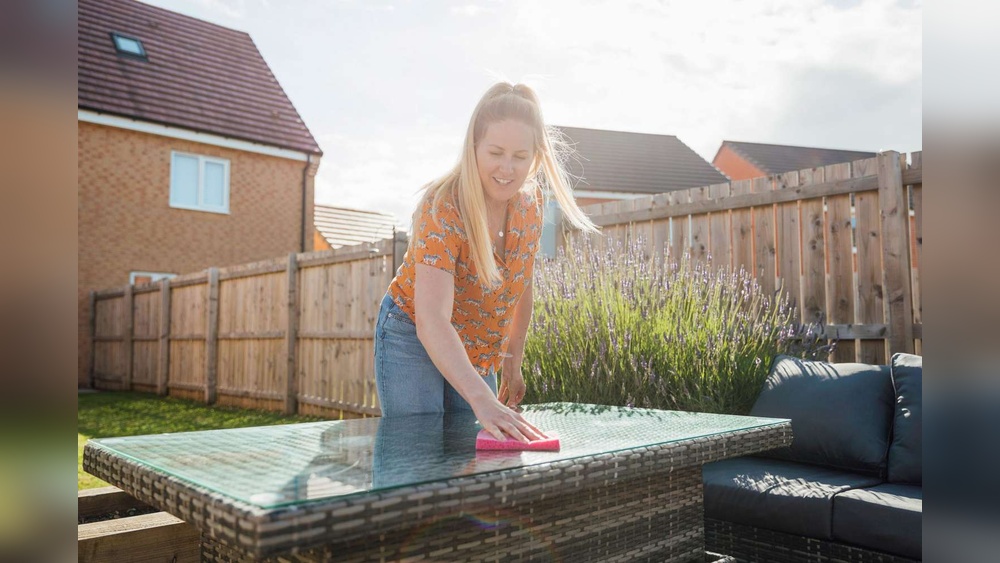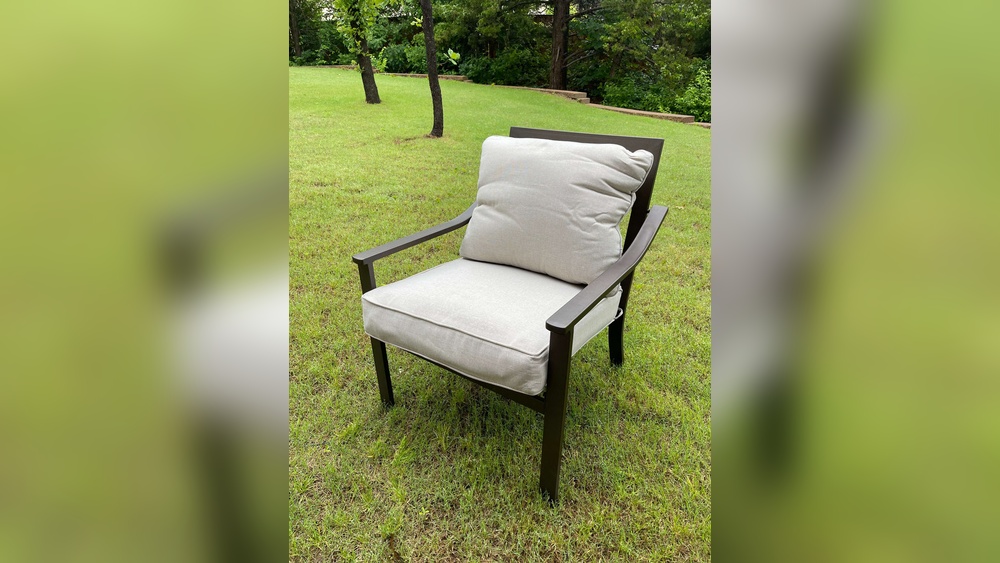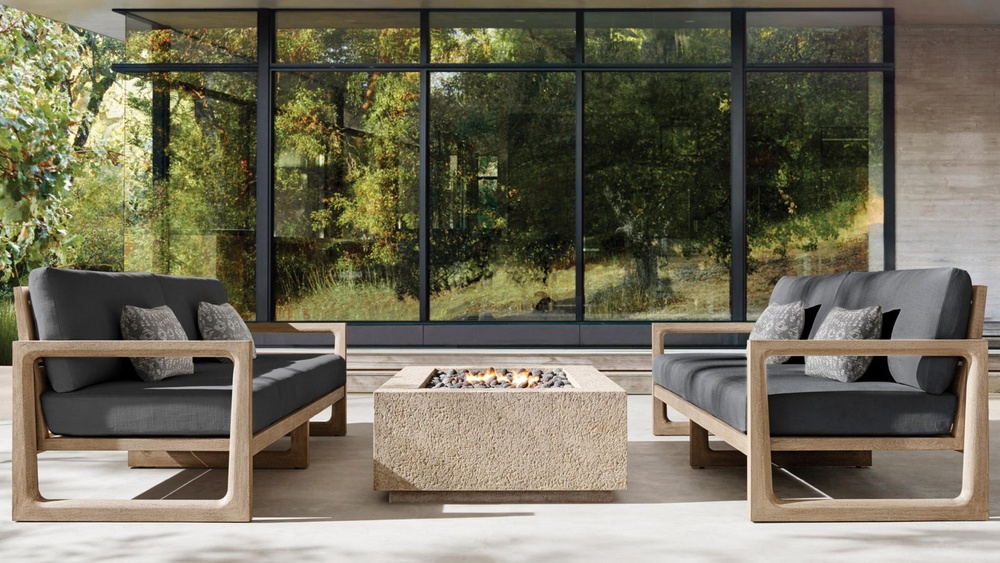
Is your outdoor furniture truly ready to face the rain? You might think that buying furniture labeled “outdoor” means it can handle any weather without a second thought.
But is outdoor furniture really waterproof? Understanding this can save you from costly damage and frustration. You’ll discover which materials stand up to water, how rain affects your furniture, and simple steps you can take to protect your investment. Keep reading to learn how to keep your outdoor space looking great no matter the weather.
Water Resistance Vs Waterproof
Understanding the difference between water resistance and waterproof is essential for choosing the right outdoor furniture. These terms describe how well furniture can handle exposure to water. Knowing their differences helps protect your investment and keeps your furniture in good shape longer.
Differences In Outdoor Furniture
Water-resistant furniture can handle light rain or splashes without damage. It slows down water absorption but does not block water completely. Waterproof furniture stops water from passing through entirely. It keeps the inside dry even during heavy rain or spills.
Materials like treated wood, certain metals, and coated fabrics often offer water resistance. Fully waterproof furniture uses special seals, coatings, or non-porous materials. Cushions labeled water-resistant may still absorb some water over time. Waterproof cushions use fabrics and linings that keep water out completely.
Common Misconceptions
Many people think water-resistant means waterproof. This confusion leads to wrong care and damage. Water-resistant furniture needs protection during heavy rain or long exposure. It is not made to be left outside in storms without covers.
Waterproof furniture can handle more water but still needs care to last. Dirt, UV rays, and temperature changes also affect outdoor furniture. Relying only on water protection can shorten furniture lifespan. Proper cleaning and storage help maintain any outdoor furniture.
Credit: www.realhomes.com
Material Impact On Water Protection
Outdoor furniture faces constant exposure to rain and moisture. The material used affects how well furniture resists water damage. Some materials handle water better, while others need extra care. Understanding each material’s strengths and weaknesses helps in choosing the right outdoor furniture.
Proper water protection extends furniture life. It prevents issues like rust, rot, and mold. Each type of furniture material has unique challenges and benefits regarding water resistance.
Wood Furniture Challenges
Wood is popular for its natural look and strength. Many woods absorb water, which causes warping and cracking. Teak and cedar resist water better but still need sealing. Without treatment, wood can rot and develop mold. Regular sealing and maintenance are essential for wood furniture outdoors.
Metal Furniture Durability
Metal furniture is strong and often coated to prevent rust. Steel and iron may rust if coatings chip or wear off. Aluminum resists rust but can corrode in salty or wet conditions. Proper paint or powder coating improves water resistance. Checking for scratches and reapplying coatings helps maintain durability.
Plastic And Synthetic Rattan Benefits
Plastic and synthetic rattan are highly water-resistant. These materials do not absorb water or rot. They dry quickly and resist mold and mildew. UV resistance adds protection from sun damage. Lightweight and easy to clean, they suit wet climates well. Their durability makes them a low-maintenance choice.
Natural Rattan Vulnerabilities
Natural rattan furniture looks beautiful but is vulnerable to water. It absorbs moisture, leading to swelling and weakening. Prolonged exposure causes mold and decay. Natural rattan requires covered areas or quick drying after rain. Regular cleaning and protective finishes can help extend its life.
Outdoor Cushions And Water
Outdoor cushions are often water-resistant but rarely fully waterproof. They absorb some water, making them damp and heavy. Mold and mildew can develop if cushions stay wet. Cushions with quick-dry foam and water-repellent covers perform better. Storing cushions indoors during heavy rain protects them longer.
Effects Of Water Exposure
Water exposure affects outdoor furniture in many ways. Rain, humidity, and spills can damage materials over time. Each type of furniture material reacts differently to water. Understanding these effects helps protect your investment and keep furniture looking good longer.
Warping, Cracking, And Rot In Wood
Wood absorbs water and expands. This causes warping, where the wood bends out of shape. Cracking happens when wood dries too fast after soaking. Constant wetting and drying cycles lead to rot. Rot weakens the wood and causes decay. Some woods resist water better but still need care.
Rust And Corrosion In Metals
Metal furniture can rust if exposed to water. Rust forms when water reacts with iron or steel. This creates a rough, flaky surface that weakens metal. Aluminum resists rust but can corrode with salt or chemicals. Protective coatings help, but damage happens if scratched or worn.
Fading And Cracking In Plastics
Plastics resist water but can suffer from sun damage. UV rays cause fading, making colors dull. Over time, plastic becomes brittle and cracks. Water can accelerate this by washing away protective layers. Proper cleaning and shade reduce these effects.
Mold And Mildew Growth Risks
Moist environments promote mold and mildew on furniture. These fungi appear as dark spots or patches. Mold damages surfaces and causes odors. It also poses health risks. Regular cleaning and drying prevent mold from growing.
Waterlogging In Cushions
Outdoor cushions often resist water but are not fully waterproof. They absorb water and become heavy. Wet cushions stay damp for long periods. This encourages mold and unpleasant smells. Choosing quick-dry cushions and storing them dry helps avoid waterlogging.
Credit: finesells.com
Protecting Outdoor Furniture
Protecting outdoor furniture is essential to keep it looking good and lasting longer. Outdoor furniture faces rain, sun, dust, and other elements daily. These factors can cause damage like rust, fading, and mold. Taking simple steps to protect your furniture helps maintain its beauty and function.
Using Waterproof Covers
Waterproof covers shield furniture from rain and moisture. These covers are made from materials that block water and prevent damage. Use covers that fit your furniture snugly to avoid wind lifting them. Remove the covers occasionally to let air circulate and stop mold growth.
Proper Storage Techniques
Storing outdoor furniture properly during harsh weather improves its lifespan. Move furniture indoors or to a dry, sheltered place in winter or heavy rain. If indoor space is limited, use waterproof storage boxes or sheds. Clean and dry furniture before storing to prevent mold and mildew.
Seasonal Maintenance Tips
Regular maintenance keeps outdoor furniture in top shape. Clean surfaces with mild soap and water every few months. Check for rust spots or cracks and fix them early. Apply protective sealants or paint on wood and metal to add a barrier against water. Store cushions in a dry place or use waterproof cushion bags.
Drying Wet Furniture
Outdoor furniture often gets wet from rain or sprinklers. Quick drying helps keep it in good shape. Wet furniture can develop mold, stains, or damage if left damp. Proper drying steps prevent these problems and extend furniture life.
Blotting Excess Water
Start by removing as much water as possible. Use clean towels or cloths to blot the surface. Press gently to soak up water without rubbing. Focus on seams and crevices where water hides. Removing excess moisture stops damage early.
Air Drying Strategies
Place furniture in a well-ventilated area to air dry. Sunlight helps dry faster and kills mold spores. Avoid damp or shaded spots that slow drying. Elevate furniture slightly to allow air under it. Good airflow speeds up the drying process.
Using Fans And Dehumidifiers
Fans help move air around wet furniture. Position fans to blow across damp spots. Dehumidifiers pull moisture from the air, aiding drying inside covered areas. Combining fans and dehumidifiers cuts drying time. Use these tools especially in humid or enclosed spaces.
Cleaning And Repairing Water Damage
Cleaning and repairing water damage on outdoor furniture helps extend its life. Regular care prevents stains, mold, rust, and material breakdown. Different materials need specific treatments to restore their look and strength.
Removing Stains And Mold
Stains and mold often appear after rain or moisture exposure. Use a soft brush and mild soap mixed with water. Gently scrub the affected areas to remove dirt and mold. Rinse with clean water and dry the furniture completely under the sun. For stubborn mold, a mixture of vinegar and water works well. Always test a small area first to avoid damage.
Sanding And Refinishing Wood
Wood outdoor furniture may develop rough spots or discoloration from water. Lightly sand the surface with fine-grit sandpaper to smooth it out. Remove dust with a clean cloth before applying a wood sealant or outdoor varnish. This step protects the wood from further moisture and sunlight damage. Refinish once or twice a year for best results.
Treating Rust And Corrosion
Metal furniture can rust or corrode after water exposure. Use a wire brush or sandpaper to remove rust spots. Clean the area and dry it well before applying a rust-resistant primer. Finish with outdoor metal paint to protect the surface. Regular inspections help catch rust early and maintain the furniture’s durability.
Choosing Weather-resistant Furniture
Choosing weather-resistant furniture is essential for any outdoor space. Rain, humidity, and sun exposure can damage furniture quickly. Selecting the right pieces helps maintain beauty and function for years. Weather-resistant furniture reduces the need for frequent repairs or replacements.
Best Materials For Wet Climates
Teak wood stands out for wet climates. It contains natural oils that resist water and decay. Aluminum is lightweight and does not rust easily. Synthetic wicker made from resin also handles rain well. Plastic furniture can survive water but may fade in sunlight. Avoid untreated steel or iron, which rust quickly.
Features To Look For
Waterproof coatings add extra protection to furniture. Look for powder-coated metal frames to prevent rust. Quick-dry cushions with water-resistant fabric help avoid mold. Furniture with slatted surfaces allows water to drain easily. Removable cushion covers make cleaning easier after rain.
Balancing Cost And Durability
High-quality materials last longer but cost more upfront. Cheaper furniture may need replacing sooner. Consider how often furniture will face rain and sun. Investing in durable pieces saves money over time. Small maintenance, like applying sealants, extends furniture life without high cost.
Credit: figleafcushioncovers.com
Frequently Asked Questions
Can You Leave Outdoor Furniture In The Rain?
Outdoor furniture can tolerate rain if designed for outdoor use. Prolonged exposure may cause damage like rust, mold, or warping. Cover or store furniture during heavy rain to extend its life. Dry cushions and clean promptly to prevent mildew and material degradation.
What Happens When Outdoor Furniture Gets Wet?
Outdoor furniture that gets wet may develop stains, mold, and mildew. Wood can warp or rot, metal may rust, and cushions absorb moisture. Plastic and synthetic materials resist water but can degrade over time. Prompt drying and protection prevent damage and prolong furniture life.
Can Outdoor Furniture Be Left Out In The Winter?
Outdoor furniture can stay outside in winter if weather-resistant. Cover or store cushions and protect wood or metal to prevent damage.
Is There Any Outdoor Furniture That You Can Leave In The Rain That Doesn’t Rot?
Outdoor furniture made from synthetic rattan, aluminum, teak, or plastic resists rain without rotting. These materials withstand moisture and prevent decay effectively.
Conclusion
Outdoor furniture varies in waterproof ability depending on the material. Some pieces resist rain well, while others need protection. Wood and natural rattan can suffer damage from moisture. Metal and cushions may also face issues if exposed too long. Plastic and synthetic rattan usually handle water better but still benefit from care.
Regular cleaning and drying help extend furniture life. Covering or storing pieces during heavy rain keeps them in good shape. Knowing your furniture’s limits helps maintain its look and function. Choose wisely and care for your outdoor pieces to enjoy them longer.