Are you thinking about upgrading your outdoor space with new furniture but unsure which material will stand up to sun, rain, and wear? Rattan might have caught your eye, but you’re probably wondering: Is rattan a good material for outdoor furniture?
Choosing the right material is key to keeping your patio stylish, comfortable, and durable. You’ll discover the real strengths and weaknesses of rattan, so you can make a smart choice that keeps your outdoor area looking great season after season.
Keep reading to find out if rattan is the perfect fit for your outdoor living space.
Rattan Basics
Rattan is a popular choice for furniture, especially outdoors. It is known for its light weight and natural look. Many people wonder if rattan is strong and lasting enough for outdoor use. Understanding the basics of rattan helps answer this question clearly.
Rattan comes from climbing palms found in tropical regions. It has a unique, flexible stem that can be woven tightly. This makes it ideal for making chairs, tables, and other furniture. Its natural texture adds warmth to outdoor spaces.
Natural Vs Synthetic Rattan
Natural rattan grows in forests and is harvested for use. It is light, sturdy, and has a smooth surface. Natural rattan needs protection from rain and sun. Too much moisture or heat can cause it to crack or mold.
Synthetic rattan is made from plastic fibers. It looks like natural rattan but lasts longer outside. It resists water, sun damage, and fading. Synthetic rattan is easier to clean and needs less care. This makes it a popular option for outdoor furniture.
Common Uses In Furniture
Rattan is often used in chairs, sofas, and dining sets. Its flexibility allows for creative and comfortable designs. Outdoor furniture made with rattan fits well in gardens and patios. It blends with plants and natural surroundings beautifully.
Besides seating, rattan is used in storage items and decorative pieces. It adds a rustic, cozy feel to any space. The material’s light weight makes it easy to move furniture around. This is perfect for changing outdoor layouts often.
Durability Outdoors
Rattan is popular for outdoor furniture because it offers good durability. It can handle many outdoor conditions without breaking down fast. This makes it a smart choice for patios, gardens, and balconies. Understanding how rattan stands up to weather, sun, and moisture helps you see its true value outdoors.
Weather Resistance
Rattan holds up well in various weather conditions. It resists damage from wind and light rain. Strong synthetic rattan is especially tough. It does not crack or fade easily under changing weather. This keeps your furniture looking good for a long time.
Uv Protection
Sunlight can cause many materials to fade and weaken. Rattan, especially synthetic types, has built-in UV protection. It stays strong and bright even after long sun exposure. This helps your outdoor furniture maintain its color and shape.
Moisture And Rot Resistance
Natural rattan can absorb moisture and rot over time. Synthetic rattan avoids this problem. It does not soak up water or grow mold. This feature makes it perfect for damp or humid outdoor spaces. Your furniture stays clean and sturdy without much care.
Comfort And Style
Rattan outdoor furniture offers a unique mix of comfort and style. Its natural look blends well with many outdoor settings. The material feels light and inviting. It creates a relaxing space for family and friends. Comfort is key for outdoor furniture. Rattan supports this by being flexible yet strong. Style matters too. Rattan furniture often adds a warm, cozy vibe to patios or gardens.
Design Versatility
Rattan furniture comes in many shapes and sizes. From simple chairs to large sofas, it fits all needs. The weave patterns add texture and interest. It can match modern or classic outdoor spaces. Natural colors work well with greenery and flowers. Painted rattan offers bright, fun options. This versatility makes rattan a popular choice for diverse tastes.
Cushion Compatibility
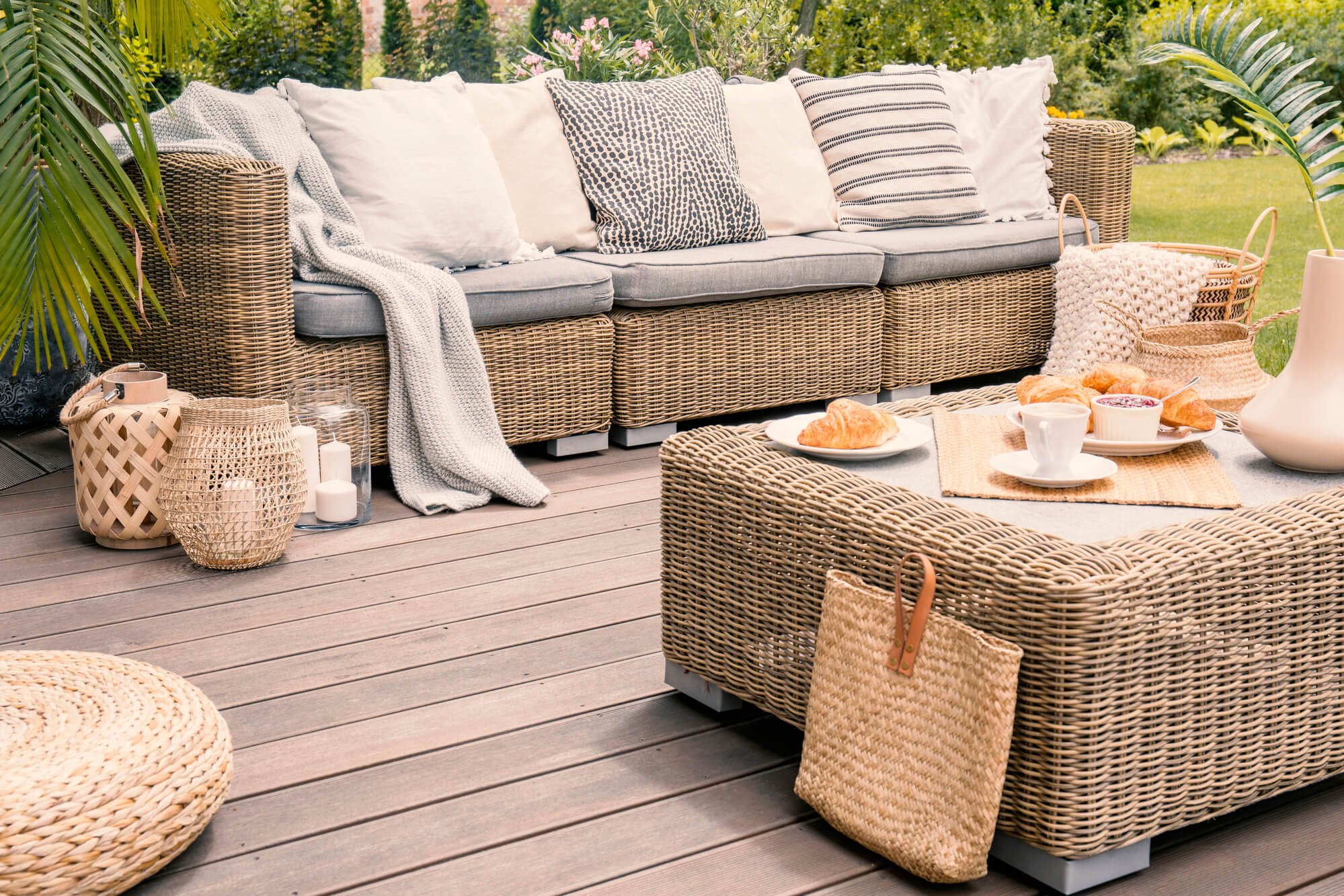
Cushions increase rattan furniture comfort. The frames hold cushions securely. Many cushions come in outdoor fabrics that resist water and sun. These fabrics dry quickly and stay colorful. Cushions add softness to firm rattan surfaces. They allow easy style changes with different colors and patterns. This compatibility makes rattan even more cozy and inviting.
Credit: www.patioliving.com
Maintenance Tips
Rattan outdoor furniture looks great but needs care to last long. Proper maintenance keeps it strong and beautiful. Simple daily steps protect it from weather and wear. Follow these easy tips to enjoy your rattan furniture for years.
Cleaning Methods
Clean rattan regularly with a soft brush or cloth. Remove dust and dirt gently to avoid damage. Use mild soap mixed with water for deeper cleaning. Wipe the furniture with a damp cloth, then dry it well. Avoid harsh chemicals that can weaken the fibers.
Storage Suggestions
Store rattan furniture in a dry, shaded area during bad weather. Cover it with breathable fabric to prevent moisture build-up. Avoid plastic covers that trap water and cause mold. If possible, keep furniture indoors during winter or heavy rain. Proper storage extends the furniture’s life and appearance.
Repair Options
Fix small breaks or loose strands quickly to stop damage. Use wood glue designed for outdoor use to secure broken parts. Replace worn-out cushions to keep comfort and style. For major repairs, consult a professional to restore strength. Timely repairs keep your rattan furniture safe and attractive.
Comparing Materials
Choosing the right material for outdoor furniture is important. Each material has its strengths and weaknesses. Understanding these can help you pick the best option for your space and needs.
Rattan Vs Metal
Rattan feels warm and natural. It offers a cozy look to any outdoor area. Metal is strong and lasts long. It handles rain and sun without much damage. But metal can get hot under the sun. It may also rust if not treated. Rattan is lighter and easier to move. Metal is heavier but more durable in harsh weather.
Rattan Vs Plastic
Plastic furniture is usually cheaper and easy to clean. It resists water well and does not rot. But plastic can look less stylish and cheap. Rattan gives a natural, elegant look. It is also lightweight and comfortable. Plastic may crack or fade after sun exposure. Rattan can last longer with care but may need more maintenance.
Rattan Vs Wood
Wood has a classic and strong feel. It can be very durable if treated properly. Wood may need regular sealing to avoid damage. Rattan is more flexible and easy to move. It does not crack like some woods can. Wood furniture often costs more than rattan. Both materials bring a natural look but suit different styles.
Credit: www.arhaus.com
Environmental Impact
Choosing the right material for outdoor furniture affects the environment. Rattan is often praised for its natural look and durability. Understanding its environmental impact helps make better choices.
This section explores how rattan supports sustainability and what happens after its use.
Sustainability Of Rattan
Rattan grows quickly in tropical forests. It can be harvested without cutting down trees. This helps keep forests healthy and reduces soil erosion. Farmers can grow rattan alongside other plants. This supports biodiversity and local communities. Using rattan means less plastic and metal waste. It is a renewable resource that renews itself fast.
Recycling And Disposal
Rattan furniture is easy to recycle. Old pieces break down naturally in the soil. They do not release harmful chemicals. Some companies reuse rattan to make new products. This lowers waste and saves resources. Proper disposal reduces pollution and landfill space. Choosing rattan helps protect the planet by reducing waste.
Cost And Value
Cost and value are key factors when choosing outdoor furniture. Rattan offers a balance between affordability and quality. It fits many budgets while providing a stylish look. Understanding price and durability helps make a smart choice.
Price Range
Rattan furniture usually costs less than solid wood or metal sets. Prices vary by quality and design. Simple rattan chairs start around $100. Full dining sets can reach $1,000 or more. Synthetic rattan often costs slightly more but lasts longer outdoors.
Longevity And Investment
Natural rattan needs protection from weather. It may wear faster outdoors. Synthetic rattan resists rain, sun, and fading. It lasts several years with little upkeep. This durability makes rattan a good long-term investment. Spending a bit more upfront can save money over time.
Credit: www.wayfair.com
Frequently Asked Questions
Is Rattan Durable For Outdoor Furniture Use?
Rattan is moderately durable outdoors but requires protection from moisture and sun. Synthetic rattan offers better weather resistance and longevity for outdoor furniture.
How To Maintain Rattan Outdoor Furniture?
Clean rattan furniture regularly with a soft brush and mild soap. Avoid excessive moisture and use covers to protect from harsh weather.
Can Rattan Furniture Withstand Rain And Humidity?
Natural rattan is sensitive to rain and humidity, which can cause damage. Synthetic rattan is designed to resist moisture and works well in humid climates.
Is Synthetic Rattan Better Than Natural Rattan?
Synthetic rattan is more weather-resistant and low maintenance, making it ideal for outdoor use. Natural rattan offers a traditional look but needs more care outdoors.
Conclusion
Rattan offers a stylish and comfortable option for outdoor furniture. It resists weather well but needs some care. Lightweight design makes it easy to move around. It blends nicely with many outdoor spaces. Expect durability if you maintain it properly.
Choose rattan for a natural, cozy feel outside. It suits patios, gardens, and balconies alike. A smart choice for those who value both style and function.