Choosing the right oil for your outdoor furniture can make all the difference in keeping it beautiful and lasting longer. You might be wondering: is teak oil or tung oil better for protecting your wood?
Both have their fans, but knowing which one suits your furniture and lifestyle can save you time, money, and frustration. You’ll discover the key differences between teak oil and tung oil, so you can make a confident choice that keeps your outdoor pieces looking great season after season.
Keep reading—you’re about to unlock the secret to stunning, well-protected outdoor furniture.

Credit: www.homedit.com
Teak Oil Benefits
Teak oil offers many benefits for outdoor furniture. It helps protect wood while making it look beautiful. This oil is popular for treating teak and other hardwoods. It soaks into the wood and brings out natural colors. The right care keeps furniture strong and attractive for years.
Enhances Wood Grain
Teak oil deeply penetrates wood fibers. It highlights the natural grain and texture. The wood looks richer and warmer after application. This makes outdoor furniture stand out in any setting. The finish is smooth and natural, not shiny or fake.
Water Resistance
Teak oil creates a protective layer against moisture. It helps prevent water from soaking into the wood. This reduces swelling, cracking, and warping. Outdoor furniture stays durable even in wet weather. Regular oiling keeps the wood safe from rain and spills.
Uv Protection
Sunlight can fade and damage wood over time. Teak oil contains ingredients that block harmful UV rays. It slows down the wood’s color fading and surface aging. This keeps furniture looking fresh and new for longer. UV protection helps maintain outdoor beauty year-round.

Credit: www.homedit.com
Tung Oil Benefits
Tung oil is a popular choice for outdoor furniture care. It offers several benefits that help protect and enhance wood. This oil comes from the nuts of the tung tree. It has been used for centuries due to its natural and effective qualities.
Applying tung oil can improve the look and life of outdoor furniture. It soaks deep into the wood and creates a lasting finish. This finish keeps furniture safe from many outdoor elements.
Natural Finish
Tung oil gives wood a warm, natural glow. It does not create a plastic-like layer on the surface. The oil soaks into the wood fibers and enhances the grain. This keeps the wood looking authentic and beautiful. The finish is smooth and soft to touch.
Durability
Tung oil forms a tough, flexible layer inside the wood. This layer resists cracking and peeling over time. It handles heat and sunlight well without breaking down. This helps outdoor furniture stay strong through different seasons. Regular application boosts the wood’s strength and lifespan.
Moisture Barrier
Tung oil acts as a natural barrier against water. It prevents water from soaking into the wood. This stops swelling, warping, and rotting caused by moisture. The oil also slows down damage from rain and humidity. It helps maintain the furniture’s shape and quality for years.
Application Process
The application process for teak oil and tung oil affects how well the finish protects outdoor furniture. Proper steps ensure the wood absorbs the oil deeply. This boosts durability and beauty. Each oil has a slightly different method. Understanding these methods helps you apply the oil correctly and get the best results.
Surface Preparation
Start by cleaning the furniture surface. Remove dirt, dust, and old finishes. Light sanding smooths the wood and opens pores. Use fine-grit sandpaper for best results. Wipe off all sanding dust with a clean cloth. The surface must be dry and clean before applying oil.
Oil Application Techniques
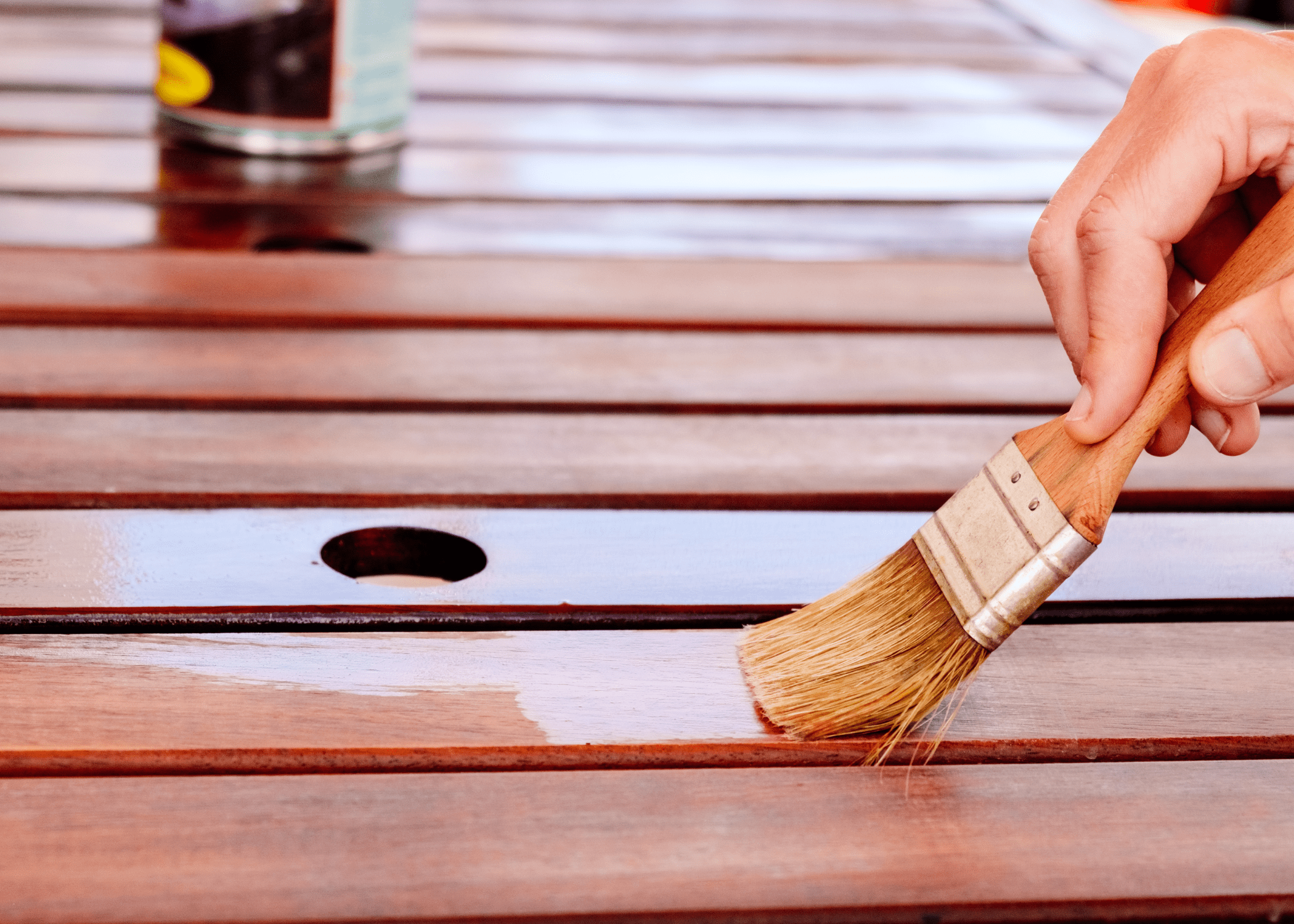
Use a clean brush or cloth to apply the oil. Apply thin, even coats along the wood grain. Let the oil soak into the wood for 15 to 30 minutes. Wipe off any extra oil to avoid sticky spots. Repeat the process for several coats for better protection.
Drying Time
Tung oil takes longer to dry than teak oil. Expect 24 to 48 hours for tung oil to dry fully. Teak oil usually dries within 4 to 6 hours. Avoid using the furniture until the oil is completely dry. Proper drying improves the finish’s strength and water resistance.
Credit: www.manmadediy.com
Maintenance And Longevity
Proper maintenance boosts the life of outdoor furniture. Both teak oil and tung oil protect wood from sun, rain, and dirt. Knowing how to care for your furniture keeps it looking good longer. It also prevents damage and costly repairs. Let’s explore how often to reapply oil, how to clean the furniture, and signs that it needs attention.
Reapplication Frequency
Teak oil usually needs reapplication every 3 to 6 months. Tung oil lasts longer, often 6 to 12 months before reapplying. Outdoor conditions like sun and rain affect this timing. Frequent exposure to harsh weather may require more frequent oiling. Check the wood surface regularly to decide when to add more oil.
Cleaning Tips
Clean outdoor furniture gently using mild soap and water. Avoid harsh chemicals that strip oils from the wood. Use a soft cloth or sponge to remove dirt. Rinse with clean water and dry with a towel. Clean before oiling for better absorption and protection.
Signs Of Wear
Look for wood that looks dry or faded. Peeling or cracking finish signals it’s time to reapply oil. Water no longer beads on the surface but soaks in. Rough or splintered areas need attention. Early care stops damage and keeps furniture strong.
Comparing Performance
Choosing the right oil for outdoor furniture affects its look and life. Teak oil and tung oil both protect wood but perform differently. Understanding these differences helps you make the best choice for your furniture.
Weather Resistance
Teak oil forms a strong layer on wood. It stops water from soaking in. This helps wood resist rain and sun damage. Tung oil soaks deep into the wood. It creates a flexible, water-resistant finish. It is good for wet conditions but may need more coats for full protection.
Appearance Over Time
Teak oil keeps wood looking rich and warm. It can darken the wood slightly and brings out natural grain. Over time, it may need reapplication to keep the shine. Tung oil gives a natural, matte finish. The wood looks smooth and soft. It ages well and can darken gently with time.
Cost And Availability
Teak oil is usually easy to find and affordable. Many stores stock it because it is popular. Tung oil can cost more and is less common. Some people prefer it for its natural qualities despite the price. Both oils come in different sizes, so you can buy what fits your need.
Choosing The Right Oil
Choosing the right oil for outdoor furniture is important for its look and life. The right oil protects wood from weather and keeps it beautiful. Both teak oil and tung oil have good qualities. Knowing which one fits your needs helps your furniture last longer and look better. Consider the type of wood, the climate, and your personal taste before choosing an oil.
Type Of Wood
Different woods absorb oils differently. Teak oil works best on dense, oily woods like teak itself. It enhances the natural color and grain. Tung oil is good for softer woods like pine or cedar. It soaks in deeply and offers strong protection. Knowing your wood type guides you to the best oil choice.
Climate Considerations
Climate affects wood durability and oil performance. Tung oil forms a hard, water-resistant layer. It suits wet or humid areas well. Teak oil nourishes wood but may need more frequent reapplication in harsh weather. Dry, sunny climates can handle teak oil better. Choose an oil that matches your outdoor weather conditions.
Personal Preference
Look at the finish and care you want. Teak oil gives a warm, rich glow with a natural look. It requires regular upkeep for best results. Tung oil creates a matte finish with strong protection. It may take longer to dry but lasts longer. Your choice depends on how your furniture should look and how much time you spend on maintenance.
Frequently Asked Questions
What Are The Main Differences Between Teak Oil And Tung Oil?
Teak oil is a blend designed for dense woods like teak, offering water resistance. Tung oil is a natural drying oil that penetrates deeply, providing strong protection and a warm finish. Both enhance wood durability but differ in composition and drying time.
Which Oil Is Better For Weather-resistant Outdoor Furniture?
Tung oil is generally better for weather resistance. It creates a durable, water-repellent surface that withstands rain and sun. Teak oil improves appearance but may require more frequent reapplication to maintain protection outdoors.
How Often Should I Reapply Teak Oil Or Tung Oil?
Teak oil typically needs reapplication every 6 to 12 months outdoors. Tung oil lasts longer, around 1 to 2 years, depending on exposure. Regular maintenance ensures continued protection and preserves the wood’s natural beauty.
Can Teak Oil Or Tung Oil Prevent Wood Cracking?
Tung oil penetrates deeply, helping to prevent wood from drying out and cracking. Teak oil offers surface protection but is less effective at stopping internal wood damage over time.
Conclusion
Choosing between teak oil and tung oil depends on your furniture needs. Teak oil soaks in quickly and highlights wood grain. Tung oil creates a strong, water-resistant finish. Both protect outdoor furniture from weather damage. Consider drying time and ease of application too.
Regular maintenance keeps wood looking fresh and lasting longer. Pick the oil that fits your routine and style best. Either way, your outdoor furniture will stay beautiful and protected.