Your hallway is the first thing guests see when they enter your home. Imagine filling that space with simple homemade furniture that not only looks great but also fits your style and needs perfectly.
You don’t need to spend a lot of money or have special skills to create pieces that make your hallway welcoming and functional. You’ll discover easy ideas and tips to build your own hallway furniture that saves space, adds charm, and reflects your personality.
Ready to transform your hallway into a warm, stylish area? Let’s get started!
Choosing Materials
Choosing the right materials is key for simple homemade hallway furniture. The materials affect the look, durability, and cost of your project. Selecting easy-to-use and affordable supplies helps beginners complete their furniture with confidence. Let’s explore some good options for materials.
Wood Types For Beginners
Softwoods like pine and cedar are great for beginners. They are easy to cut and shape. These woods are light and usually less expensive. Hardwood like oak or maple is stronger but harder to work with. Start with softwoods to practice skills and get good results.
Repurposing Old Furniture
Old furniture can give your hallway a unique touch. You can use parts like wood planks, legs, or shelves. This method saves money and reduces waste. Sand and repaint old pieces to make them look fresh. Repurposing also adds charm to your homemade furniture.
Affordable Supplies
Look for budget-friendly supplies at local hardware stores. Basic tools like screws, nails, and wood glue are essential. Choose paints and finishes that are safe and easy to apply. Buying in small amounts helps avoid waste and keeps costs low. Affordable materials make DIY projects more fun and doable.
Basic Tools Needed
Building simple homemade hallway furniture starts with having the right tools. The tools help you work faster and get better results. You do not need many tools for basic projects. A few hand tools and power tools can do the job well. Safety gear protects you while working. Knowing these tools makes your project easier and safer.
Essential Hand Tools
Hand tools are the basics for any DIY furniture project. A hammer is needed to drive nails. Screwdrivers help tighten or loosen screws. A tape measure ensures your cuts are the right size. A carpenter’s square keeps edges straight. Pliers help hold or twist small parts. A handsaw can cut wood if you do not use power tools.
Power Tools For Diy
Power tools save time and effort. A drill makes holes quickly and can drive screws. A jigsaw cuts curves or shapes easily. A sander smooths rough surfaces for a clean finish. A circular saw helps make straight cuts fast. Choose power tools that are easy to handle and fit your project size.
Safety Gear
Safety gear protects your body from injuries. Safety glasses protect your eyes from dust and wood chips. Gloves keep your hands safe from splinters and sharp tools. Ear protection reduces noise from loud power tools. A dust mask stops you from breathing harmful dust. Wear safety gear every time you work on furniture.
Easy Diy Furniture Ideas
Easy DIY furniture ideas can make your hallway look great. They save money and add a personal touch. Simple projects fit any skill level. These ideas help keep your space neat and stylish. Start small, and enjoy creating furniture by hand.
Simple Benches
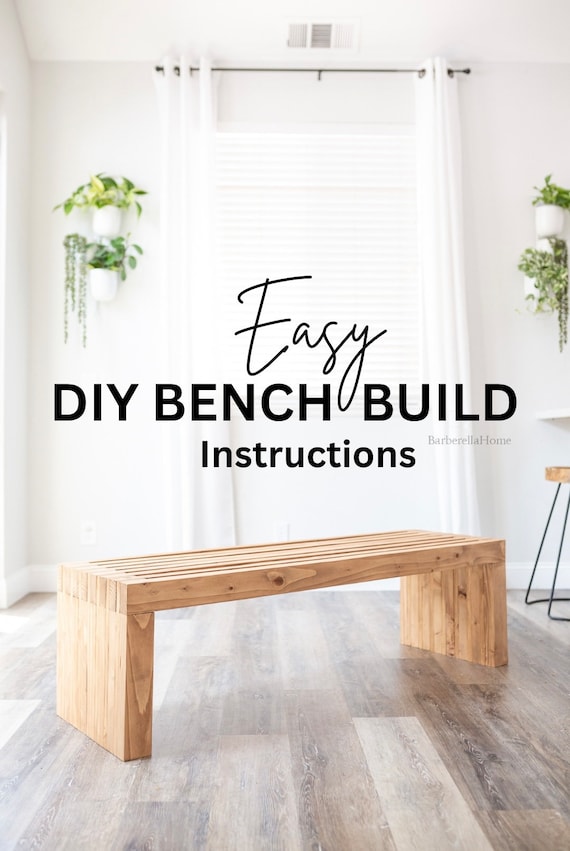
Benches provide a spot to sit or put bags. Building one needs only wood and screws. Choose a size that fits your hallway space. Paint or stain it to match your decor. Add cushions for comfort and style.
Floating Shelves
Floating shelves hold keys, mail, and small items. They save floor space and look modern. Use basic wood boards and wall brackets. Mount shelves at eye level for easy reach. Keep clutter off the floor and tables.
Wall-mounted Coat Racks
Coat racks keep jackets and hats organized. Use wooden planks and hooks for a simple rack. Fix it near the door for quick use. Paint it in colors that brighten the hallway. Hooks can be spaced to hold many items.
Storage Cubes
Storage cubes store shoes, bags, and toys. Build cubes from plywood or buy ready-made boxes. Stack them or arrange in a row. Label cubes to find things fast. This keeps your hallway clean and tidy.

Credit: www.amazon.com
Step-by-step Projects
Creating your own hallway furniture can be simple and fun. Step-by-step projects help you build useful pieces at home. These projects need basic tools and materials. They save money and add a personal touch to your space.
Follow clear instructions to make each item. These projects work well for beginners and experienced DIYers. Let’s explore three easy projects you can start today.
Building A Shoe Rack
Start by measuring your hallway space. Cut wooden planks to size. Assemble the frame using screws and glue. Add shelves to hold shoes neatly. Sand the edges to avoid splinters. Paint or stain the rack for a finished look. This shoe rack keeps your hallway tidy and organized.
Creating A Console Table
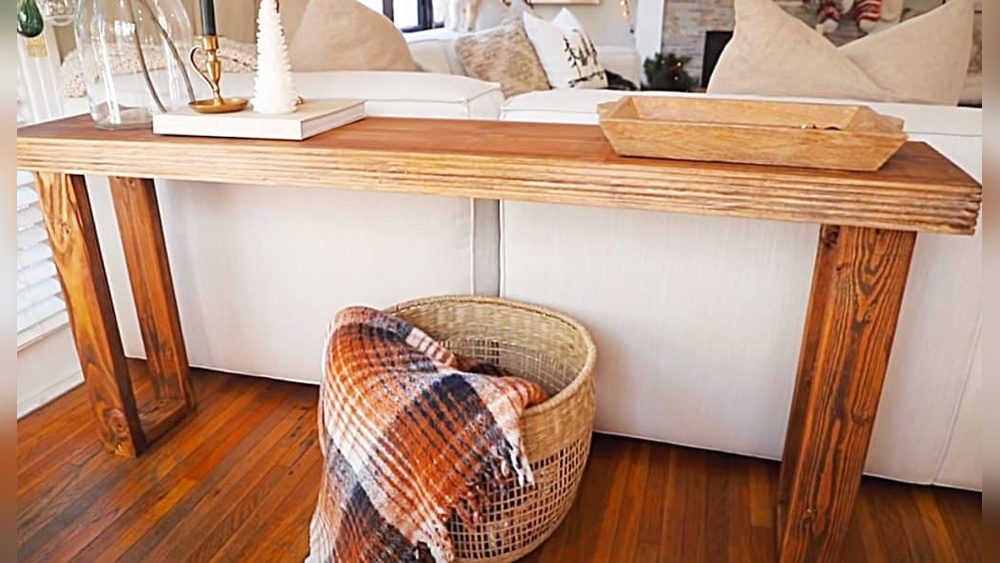
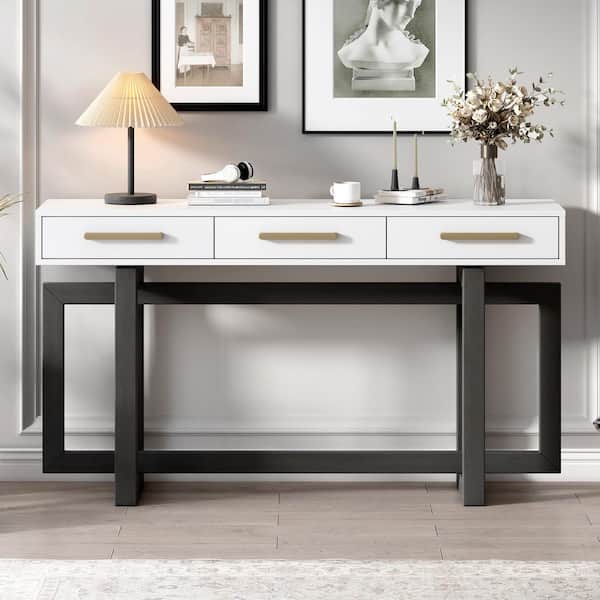
Choose wood that fits your style and space. Cut the tabletop and legs to the right size. Attach legs firmly to the tabletop. Sand all surfaces for smoothness. Apply paint or varnish as you like. This table adds charm and extra storage to your hallway. Use it for keys, mail, or decorations.
Crafting A Key Holder
Select a small wooden board or plank. Attach hooks evenly spaced along the wood. Sand the board to smooth rough spots. Paint or decorate the board to match your decor. Mount the key holder near your door. It keeps your keys easy to find and your hallway neat.
Finishing Touches
Finishing touches bring simple homemade hallway furniture to life. They add charm and make pieces feel complete. Small details can turn plain furniture into a welcoming part of your home. Focus on painting, fabrics, and hardware to enhance your design. These elements improve both look and comfort.
Painting And Staining Tips
Choose paint or stain based on your hallway’s style. Light colors open up narrow spaces. Dark stains add warmth and a classic look. Use sandpaper before painting for smooth results. Apply thin coats to avoid drips. Let each layer dry fully. Seal with a clear finish to protect your work.
Adding Cushions And Fabrics
Cushions make benches or chairs cozy and inviting. Pick fabrics that resist dirt and wear. Patterns add personality without overwhelming the space. Use foam or padding for comfort. Secure fabric tightly to prevent slipping. Removable covers help with easy cleaning.
Decorative Hardware
Hardware like knobs and handles give character to your furniture. Select pieces that match your style—modern or vintage. Brass and matte black are popular choices. Make sure screws fit well to avoid damage. Hardware can also improve furniture function, like hooks for coats.
Credit: www.etsy.com
Space-saving Tips
Saving space in a hallway is key to a neat and open feel. Simple homemade furniture can help keep the area tidy without crowding it. Smart choices make a big difference in small spaces.
Multi-functional Furniture
Choose furniture that serves more than one purpose. A bench with storage inside keeps shoes hidden. A shelf that also acts as a coat rack saves room. These pieces reduce clutter and add function.
Vertical Storage Solutions
Use the walls to store items instead of the floor. Tall shelves or hooks make use of high spaces. This frees up the hallway for walking and keeps things organized. Vertical storage makes small spaces feel bigger.
Compact Designs
Pick furniture with slim profiles and small footprints. Narrow tables or chairs fit easily in tight spots. Compact pieces do not block pathways or crowd the room. They keep the hallway looking open and welcoming.
Maintenance And Care
Maintaining and caring for homemade hallway furniture keeps it looking fresh and sturdy. Simple steps help preserve the wood and finish. Regular attention prevents damage and wear over time.
Proper care ensures your furniture lasts many years. It keeps the natural beauty of wood alive. Small efforts save money on repairs or replacements later.
Cleaning Homemade Wood Furniture
Dust your furniture often using a soft cloth. Avoid harsh chemicals that can damage the wood finish. Use mild soap and water for sticky spots. Dry immediately with a clean towel to stop moisture damage.
Repairing Minor Damages
Fix scratches with a wood touch-up pen or wax stick. Small dents can be softened by rubbing a damp cloth and heating gently. Loose joints need glue or tightening screws. Quick repairs keep furniture strong and attractive.
Extending Furniture Lifespan
Place furniture away from direct sunlight and heat sources. Use coasters and mats to prevent stains and rings. Reapply wood polish or oil every few months to nourish the wood. Rotate items on the furniture to avoid uneven wear.
Credit: www.homedepot.com
Frequently Asked Questions
What Are Easy Materials For Homemade Hallway Furniture?
Simple materials like plywood, MDF, reclaimed wood, and pallets work well. These are affordable, lightweight, and easy to cut. They allow for quick assembly and customization to suit your hallway size and style.
How Can I Design Functional Hallway Furniture?
Focus on storage and space-saving designs like benches with shoe racks or wall-mounted shelves. Keep dimensions compact and consider multipurpose pieces to maximize hallway usability without overcrowding.
What Tools Do I Need For Diy Hallway Furniture?
Basic tools include a saw, drill, screwdriver, measuring tape, and sandpaper. These are sufficient for cutting, assembling, and finishing simple wooden furniture pieces for your hallway.
How Do I Finish Homemade Hallway Furniture For Durability?
Use primer and paint or a protective wood varnish. This protects against moisture, scratches, and wear. Choose finishes that match your hallway decor and are easy to clean.
Conclusion
Creating simple homemade hallway furniture saves money and adds charm. It fits small spaces and keeps the area neat. You can choose materials and styles that suit your home. DIY projects bring satisfaction and a personal touch. Try building shelves, benches, or coat racks yourself.
Enjoy a tidy, welcoming hallway without extra cost. Start small, and watch your hallway transform with ease.