Are you wondering when it’s the right time to switch your little one to a toddler bed? You’re not alone.
This change is a big step for both you and your child, and it can feel a bit overwhelming. But knowing the right age to make the move can make bedtime smoother and safer. You’ll discover clear signs to look for and helpful tips to ease the transition.
Keep reading to find out how to make this important switch with confidence and care.
Signs Your Child Is Ready
Knowing when to switch your child to a toddler bed can be tricky. Watch for clear signs that show your child is ready. These signs help ensure a smooth and safe transition. Your child’s comfort and safety come first.
Climbing Out Of Crib
One clear sign is when your child climbs out of the crib. This can be dangerous and lead to falls. Climbing shows your child wants more freedom. It is a strong signal that the crib is too small or confining.
Showing Interest In A Big Bed
Your child may start showing interest in a big bed. They might ask about your bed or want to sleep there. This curiosity means they feel ready for a change. It also shows their desire to be more independent.
Physical Growth Milestones
Physical growth also matters. If your child is too tall or heavy for the crib, it is time to switch. A toddler bed provides more space and comfort. Check your child’s height and weight against crib limits to decide.

Credit: busytoddler.com
Ideal Age Range
Choosing the right time to switch to a toddler bed is important. The ideal age range helps ensure your child feels safe and comfortable. This change supports their growth and independence. Every child is unique, but some general guidelines can help parents decide.
Typical Transition Ages
Most children move to a toddler bed between 18 months and 3 years old. Many parents make the switch around 2 years. This period matches their growing size and curiosity. Toddlers start to climb out of cribs, which can be unsafe. A toddler bed offers more freedom and easier access.
Variations By Child Development
Each child’s readiness varies based on development. Some toddlers may need the bed earlier due to mobility. Others may prefer the crib longer for comfort and security. Watch for signs like climbing out or asking to sleep in a big bed. Your child’s confidence and behavior help guide the timing.
Choosing The Right Toddler Bed
Choosing the right toddler bed is an important step for your child’s comfort and safety. A good bed helps your child sleep well and feel secure. It also makes the transition from a crib easier. Picking the best bed means thinking about size, comfort, and safety features. These factors ensure your child enjoys a restful night and grows well.
Safety Features To Look For
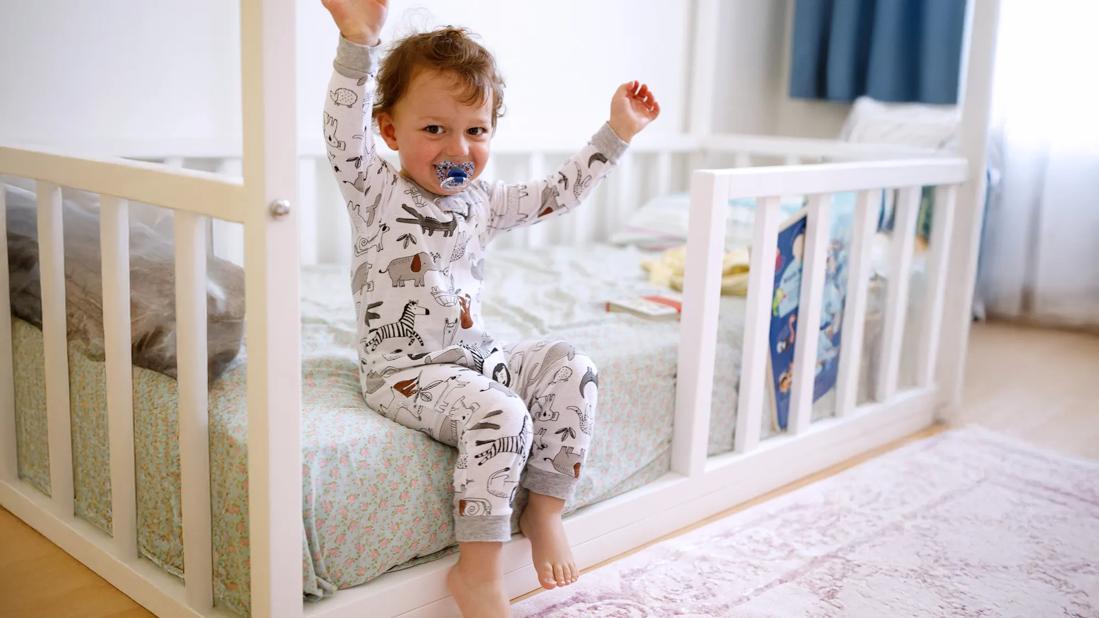
Safety is the top priority when selecting a toddler bed. Look for beds with sturdy guardrails on both sides. These prevent your child from rolling out during sleep. Check that the bed is low to the ground. This reduces the risk of injury if your child falls. Avoid beds with sharp edges or loose parts. Make sure the mattress fits the bed frame snugly. This stops gaps where your child could get stuck. Non-toxic paint and materials are best for a healthy environment. Confirm the bed meets safety standards and certifications.
Size And Comfort Considerations
Choose a bed size that fits your child’s age and growth. A toddler bed is smaller than a twin bed but bigger than a crib. It should allow your child to move freely. The mattress should be firm and supportive. Too soft mattresses can cause discomfort or unsafe sleeping positions. Use soft bedding that is easy to clean. Comfort helps your child fall asleep faster and stay asleep longer. Make sure the bed fits well in your child’s bedroom space. Enough room around the bed makes the room feel cozy and safe.
Credit: health.clevelandclinic.org
Making The Transition Smooth
Switching your child to a toddler bed is a big step for both of you. A smooth change helps your child feel safe and happy. It also makes bedtime easier for parents. Small actions can create a calm and positive bedtime. These tips focus on comfort and routine to help your child adjust well.
Establishing A Bedtime Routine
A steady bedtime routine gives your child a sense of security. Start with quiet activities like reading a book or gentle talking. Keep the routine the same every night. This predictability helps your child know what to expect. It makes falling asleep simpler and less stressful.
Involving Your Child In The Process
Let your child help choose their new bed or bedding. Ask their opinion about where the bed should go. This involvement makes them feel important. It also builds excitement about the new bed. When kids feel part of the process, they adjust faster.
Using Comfort Items
Comfort items like a favorite blanket or stuffed animal can ease the transition. These familiar objects bring calm and security. Place them in the toddler bed at night. Your child will associate the new bed with comfort and safety. This makes sleeping alone less scary.
Common Challenges And Solutions
Switching from a crib to a toddler bed can bring some challenges. Many toddlers face fears and changes that affect their sleep. Parents often see common problems during this transition. Understanding these issues helps make the change smoother and safer.
Fear Of Falling Out
Some toddlers worry about falling out of bed. This fear can cause them to resist sleeping alone. Using bed rails can help keep your child safe. Soft pillows or a rolled blanket on the floor can add extra protection. Reassure your child with gentle words and hugs. Creating a cozy space gives them confidence to sleep well.
Resistance To Change
Toddlers often like their familiar crib. They may refuse the new bed at first. Let your child explore the bed during the day. Make it a fun place with favorite toys or blankets. Praise small steps, like sitting or lying down in the bed. Keep a calm, patient attitude. Change takes time for little ones.
Nighttime Wandering
Some toddlers get out of bed at night. This can be unsafe and tiring for parents. Use a baby gate to block stairs or dangerous rooms. A night light helps your child see in the dark. Establish a clear bedtime routine to signal sleep time. Consistency helps children feel secure and less likely to wander.

Credit: www.whattoexpect.com
When To Consider A Different Approach
Choosing the right time to switch to a toddler bed is not always clear. Some children may need a different approach based on their growth and comfort. Parents should watch for signs that show their child is ready or not ready. Sometimes, waiting or skipping the toddler bed can be better for the child’s sleep and safety.
Every child is unique. Their habits, fears, and physical growth affect this decision. Paying attention to these factors helps make the best choice for your toddler.
Delaying The Transition
Some toddlers feel safe in their crib longer. Moving too soon can cause stress and sleep problems. If a child climbs out of the crib often, delaying might be risky. But if they stay calm and sleep well, waiting is okay. Delaying the move helps the child feel secure and rested.
Watch your child’s behavior closely. If they seem scared or confused about the change, give more time. Comfort and routine are very important at this stage.
Skipping The Toddler Bed
Some families skip the toddler bed and go straight to a twin or full bed. This works well for children who are big or very active. It also suits homes with limited space or those wanting fewer transitions. Skipping the toddler bed can reduce confusion and help the child adjust faster.
Choose a bed with safety rails to prevent falls. Make the room safe and cozy for better sleep. This approach fits some children better and makes bedtime smoother.
Frequently Asked Questions
At What Age Do Toddlers Usually Switch Beds?
Most toddlers switch to a toddler bed between 18 months and 3 years. This depends on their size and readiness. Parents often transition when the crib becomes too small or the child starts climbing out.
How To Know When To Switch To Toddler Bed?
Look for signs like your child climbing out of the crib or expressing interest in a bigger bed. Safety and comfort are key indicators. When the crib feels restrictive, it’s a good time to switch.
What Are The Benefits Of Toddler Beds?
Toddler beds offer more freedom and safety with low height and guardrails. They help children develop independence in sleeping. Transitioning early prevents injuries from climbing out of cribs.
Are Toddler Beds Safer Than Cribs?
Toddler beds are designed to prevent falls with side rails and low height. However, cribs provide more containment. Safety depends on proper bed choice and child’s behavior.
Conclusion
Choosing the right time to switch to a toddler bed depends on your child’s needs. Most kids move between 18 months and 3 years old. Watch for signs like climbing out of the crib or asking for a bigger bed.
Safety matters, so pick a bed with rails to prevent falls. Trust your child’s comfort and readiness. This change can make bedtime easier for both of you. Every child grows at their own pace. Patience and care help make this transition smooth and happy.